Renault 1.6 16V K4M engine (110 hp): Experiences, problems, fuel consumption and used car buying tips
Key points (TL;DR)
- Extremely reliable naturally aspirated petrol engine: No turbo, no expensive injectors, maintenance is cheap and simple.
- Timing belt driven: Requires a full timing service every 60,000 km or 5 years.
- Most common failures: Ignition coil failures, phase shifter (dephaser) failure (sounds like a diesel) and a dirty throttle body causing unstable idle.
- Ideal for LPG: Thanks to hydraulic tappets and indirect injection, this engine handles autogas exceptionally well.
- Performance and fuel consumption: Quite “lazy” in heavy bodies (such as Grand Scenic and Laguna) and consumes between 9 and 11 l/100 km in city driving.
- On the highway: At 130 km/h it runs at high revs (over 3500–4000 RPM, depending on the gearbox), which increases both noise and fuel consumption.
- Clutch and gearbox: No dual-mass flywheel, so clutch kit replacement is very affordable. Manual gearboxes are excellent, older automatics need to be checked carefully.
Contents
- Introduction: About the K4M engine
- Technical specifications
- Reliability, maintenance and common issues
- Specific parts and costs
- Fuel consumption and performance
- Extras: LPG and remapping
- Gearbox and clutch
- Buying used and conclusion
Introduction: About the K4M engine
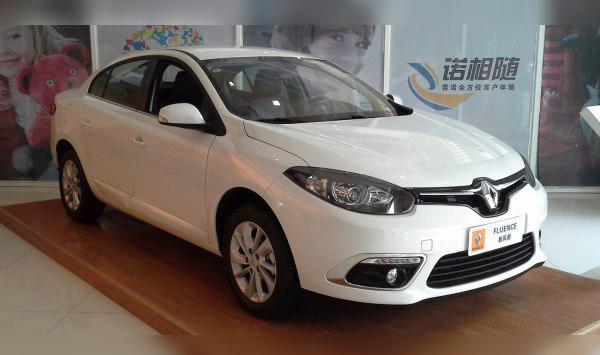
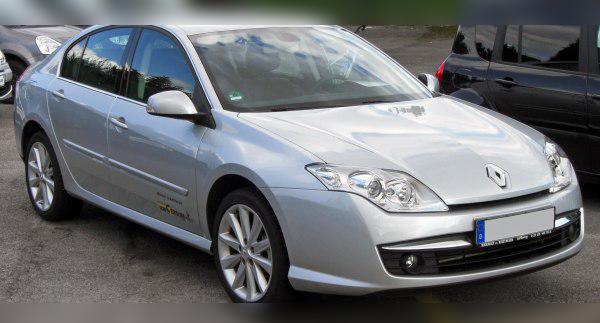
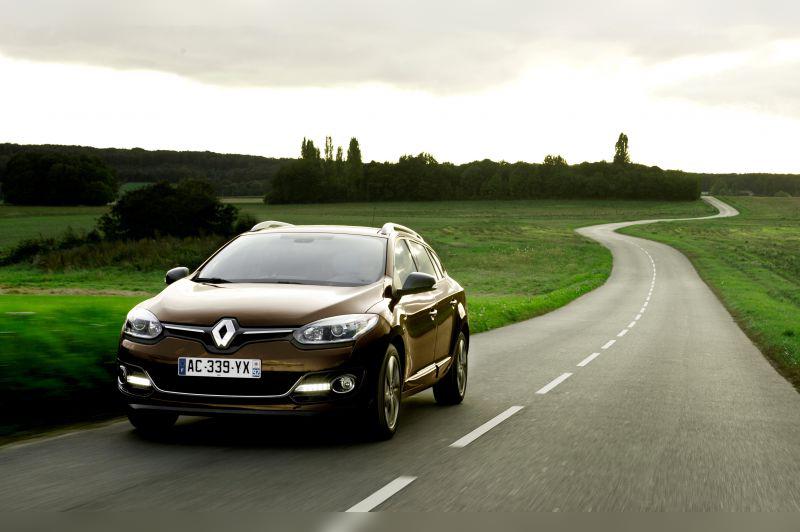
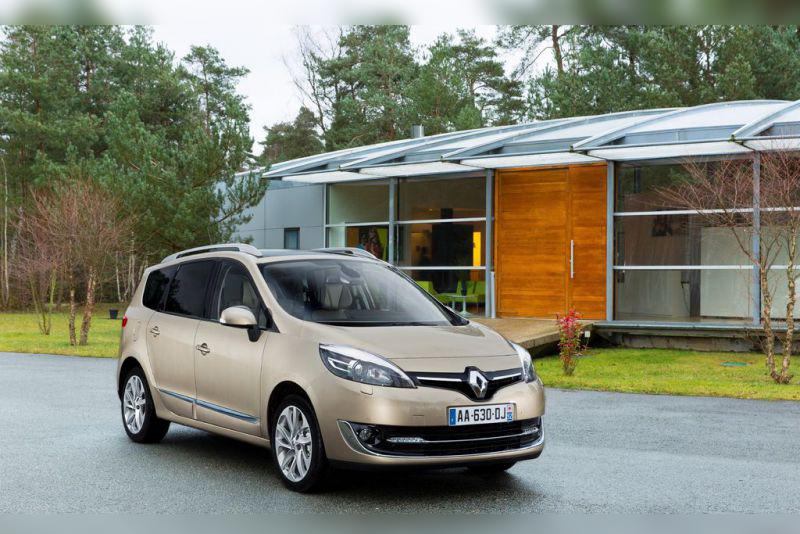
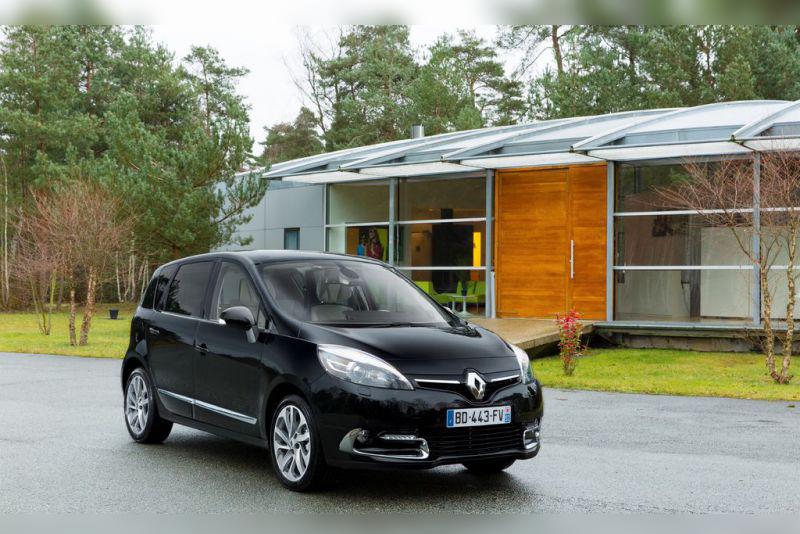
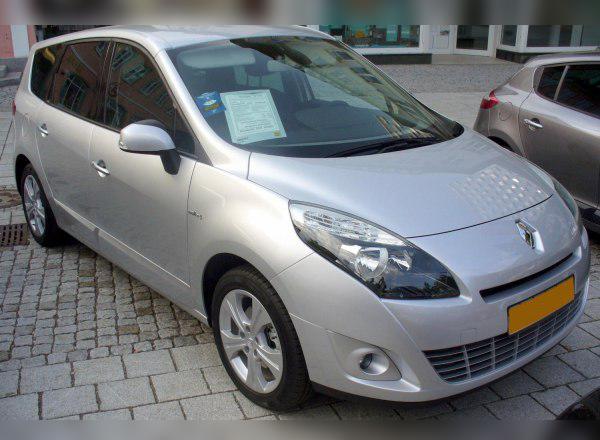
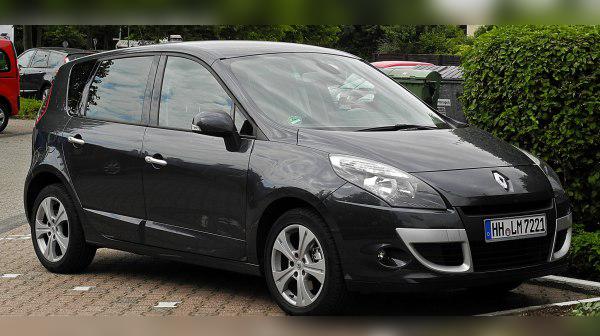
Renault’s K4M engine, a 1.6‑liter unit with 16 valves, is one of the legends of the European car industry. The 81 kW (110 hp) version we’re discussing here is a more advanced iteration that received a variable valve timing system (dephaser pulley) to improve low‑end flexibility. It was installed in a huge range of models: from lighter Megane and Fluence models to heavy family cruisers such as the Laguna III and Grand Scenic III. Although architecturally it belongs to the old school of naturally aspirated petrol engines, its very simplicity is the main advantage for buyers who want low running costs and longevity without the fear of “modern” expensive failures.
Technical specifications
| Specification | Data |
|---|---|
| Engine displacement | 1598 cc |
| Power | 81 kW (110 hp) |
| Torque | 151 Nm (available at around 4250 RPM) |
| Engine codes | K4M (various extensions e.g. 812, 838 depending on model) |
| Injection type | Indirect injection (MPI - Multi Point Injection) |
| Induction type | Naturally aspirated |
Reliability, maintenance and common issues
Timing belt and major service
This engine uses a timing belt for the valvetrain, not a chain. Both the manufacturer and real‑world experience dictate that the major timing service (replacement of timing belt, tensioner, idlers and water pump) must be done every 60,000 km or every 4 to 5 years, whichever comes first. Stretching this interval is gambling, because a snapped belt on the K4M leads to piston‑to‑valve contact and complete engine failure.
Oil and regular servicing
The engine takes approximately 4.8 liters of oil including the filter. The best‑proven grade is 5W‑40 that meets the Renault RN0700 standard. In practice, the oil change interval should be 10,000 to 15,000 km to protect the sensitive dephaser pulley. As for oil consumption, the K4M is known as an engine that does not consume large amounts of oil. Between two services, it’s normal to use 0.3 to 0.5 liters, mostly due to evaporation and aged valve stem seals. If it consumes more than 1 liter, the problem is usually stuck piston rings or hardened valve stem seals.
Spark plugs and ignition system
Since this is a petrol engine, regular spark plug replacement is mandatory. The optimal replacement interval is around 40,000 to 60,000 km. However, if you install LPG, it’s advisable to change them every 30,000 km due to higher combustion temperatures. Delaying spark plug replacement directly stresses the ignition coils and leads to their premature failure.
Most common issues: What do drivers complain about?
- Dephaser pulley (variable valve timing unit): This is by far the best‑known weakness of the 110 hp version. It is responsible for changing the camshaft angle. When it starts to fail (due to poor lubrication or age), on cold start the engine will sound like a diesel for the first few seconds (“clattering”). Sometimes the car may stall at idle when cold. Replacement requires removing the timing belt, so it is always changed together with the major timing service. The price of the part with labor ranges from 150 to 300 euros (depending on the market).
- Ignition coils: The K4M uses four separate pencil‑type coils. They are very sensitive to heat and moisture. Symptoms include jerking while driving, loss of power, running on three cylinders with strong vibrations at idle, and the Check Engine light coming on. Fortunately, coils are cheap and widely available. It’s recommended to replace all four as a set (brands such as Beru or Denso).
- Crankshaft position sensor (TDC sensor): If the car cranks but doesn’t want to start (especially when hot), the crank sensor is usually dirty or faulty. The fix is very cheap.
- Throttle body and fluctuating revs: Due to contamination in the crankcase ventilation system (PCV), oil vapors dirty the throttle body. The symptom is unstable idle, dropping revs or strange surging. Physically cleaning the throttle body and then calibrating it via diagnostics permanently solves the problem. It’s not expensive (depends on the market).
Specific parts and costs
The reason mechanics recommend the K4M is precisely the absence of expensive components that plague modern drivers:
- Dual‑mass flywheel: This engine does not have a dual‑mass flywheel, but uses a conventional solid one. This drastically reduces the cost of maintenance and clutch kit replacement.
- Fuel injection system: It uses indirect MPI injection. The injectors are very durable. Unlike diesels and direct‑injection petrol engines (GDI/TSI), injectors here rarely fail. If they do get dirty (most often from long‑term driving exclusively on LPG), they are easily cleaned in an ultrasonic bath at negligible cost.
- Turbocharger: This is a pure naturally aspirated engine. There is no turbocharger, intercooler or expensive boost pressure sensors (turbo MAP sensors).
- DPF, EGR and AdBlue: Being a petrol engine, the K4M has no DPF filter and does not use AdBlue. Also, the traditional clogged EGR valve issues that plague diesels are not something you’ll experience here (earlier versions had a valve, but newer ones mostly control emissions without the classic EGR problems we see on diesels). Emissions control is limited to a standard catalytic converter and lambda sensors (which can fail at higher mileages, around 200,000 km, triggering the Check Engine light).
Fuel consumption and performance
Real‑world fuel consumption
Fuel consumption is the Achilles’ heel of this engine. Due to its older design, technology and the lack of a turbo to provide torque at low revs, the engine needs to be revved to move, and that costs fuel. Real‑world petrol consumption in city driving is around 9 to 11 l/100 km. If the engine is in a lighter Megane, expect around 9 l/100 km. If you drive a heavier Grand Scenic in winter conditions, count on 11 l/100 km. On open roads, with careful driving, it can be brought down to a decent 6.5 l/100 km.
Performance: Is the engine “lazy”?
By modern standards and given the bodies it’s installed in – yes, it’s quite lazy. With a maximum torque of only 151 Nm available only above 4000 rpm, don’t expect to be pinned to the seat under acceleration. In heavier vehicles (Laguna III, 7‑seat Grand Scenic), overtaking uphill requires shifting down (often into third gear) and firmly flooring the throttle. It’s not unsafe to drive, but it does require driver involvement.
On the highway at 130 km/h
Depending on whether your model has a 5‑ or 6‑speed gearbox, on the highway at 130 km/h the engine will be spinning at around 3500 to 4000 RPM. This brings two problems: increased cabin noise and fuel consumption jumping to over 8.5 l/100 km. This engine feels best on regional roads at speeds of around 80–90 km/h.
Extras: LPG and remapping
Is the K4M suitable for LPG conversion?
Absolutely. This is probably one of the best engines for LPG conversion on the European market. Given the indirect injection, installing a sequential LPG system is simple and inexpensive. The most important detail is that this engine has hydraulic tappets, meaning it automatically adjusts valve clearance. Drivers don’t have the obligation (and cost) of manual valve adjustment that is common on many Japanese engines running on LPG. With a quality LPG system that’s regularly serviced, the K4M can easily cover hundreds of thousands of kilometers on gas.
Should it be remapped (Stage 1)?
No. Remapping this naturally aspirated engine is basically throwing money away. With a Stage 1 remap you can gain at most about 5 to 8 hp, which you absolutely won’t feel in real driving, and it won’t reduce fuel consumption or noticeably improve flexibility.
Gearbox and clutch
Types of gearboxes and issues
The following gearboxes were paired with the K4M (110 hp), depending on year and model:
- 5‑speed manual (typically JH3): Most common in Fluence and older Megane models. Very reliable, but lacks a 6th gear for highway cruising. It can suffer from minor oil leaks at the gear selector (a repair costing just a few tens of euros).
- 6‑speed manual (typically TL4): Installed in newer Megane, Scenic and Laguna models. An excellently geared and durable gearbox with no known systemic faults.
- 4‑speed automatic (DP0 / AL4): An old‑type automatic, mostly used before facelifts and in older generations, although it can also be found in the Fluence depending on the market. This is the gearbox to avoid. Due to poor cooling, oil degradation and failures of electro‑hydraulic valves (solenoids), it is very prone to overheating and harsh shifts (jerking when changing up). Repairs are expensive.
- CVT automatic (on later generations / specific markets): Somewhat better for city driving and lower fuel consumption than the DP0, but it strictly requires flawless oil changes every 50–60,000 km.
Clutch price and gearbox oil change
As mentioned, there is no dual‑mass flywheel. The clutch kit (pressure plate, disc, release bearing) typically lasts around 150,000 km. Replacement is affordable compared to diesels (depending on the market, the entire kit rarely costs more than a regular minor service on more expensive cars). The manufacturer declares the oil in the manual gearbox as “lifetime fill”, but in practice it should be changed every 60,000 to 80,000 km. If you opt for an automatic, the gearbox service must be done at a maximum of 60,000 km intervals.
Buying used and conclusion
What must be checked before buying?
- First cold start: Ask the seller not to start the car before you arrive. Listen to the engine during the first 5 seconds. If it rattles (like a chain hitting metal or a diesel‑like sound), the dephaser pulley needs replacement.
- Stable idle: Once warm, the rev counter needle should sit firmly at around 750 RPM. If it shakes or fluctuates, you’re likely facing checks of the coils, throttle body or spark plugs.
- Oil leaks: Look at the top of the engine (around the valve cover) – the K4M often “sweats” oil at the valve cover gasket. Although this is not a major fault, it’s an excellent bargaining chip to lower the price.
- Timing belt history: If there is no clear invoice or marking of when the belt was changed, your first expense is automatically a full timing service.
Conclusion: Who is the Renault 1.6 16V K4M for?
This engine is aimed at drivers for whom reliability and low maintenance costs are absolute priorities, and driving performance is not at the top of the list. It is ideal for the average family man, taxi drivers and people who mostly drive short city trips where modern diesels would quickly destroy their DPF filters. If you immediately install or buy a car that already has an LPG system, you’ll get a spacious French car that offers maximum comfort with almost negligible cost per kilometer. On the other hand, if you regularly travel on motorways at high speeds or enjoy spirited driving, you should avoid the K4M, as the noise and lack of torque in a heavy body will tire you out.