Renault K4M 1.6 16V (95 HP) – Experiences, problems, fuel consumption and buying used
Key points (TL;DR)
- Exceptional reliability: The K4M is one of the most durable and simplest petrol engines of its generation.
- Ideal for LPG: The engine handles LPG conversion perfectly, which drastically reduces running costs.
- Maintenance is not expensive (Depends on the market): No dual-mass flywheel, no turbocharger and no expensive injectors.
- Electrical weaknesses: The most common issues are coil failures and a dirty throttle body.
- High fuel consumption in Kangoo models: Due to the “kiosk-like” body shape, expect higher fuel consumption, especially in the city and on the motorway.
- Caution with the automatic gearbox: The old 4-speed automatic (DP0) can cause serious headaches if not regularly maintained.
Contents
Introduction: Old-school engineering
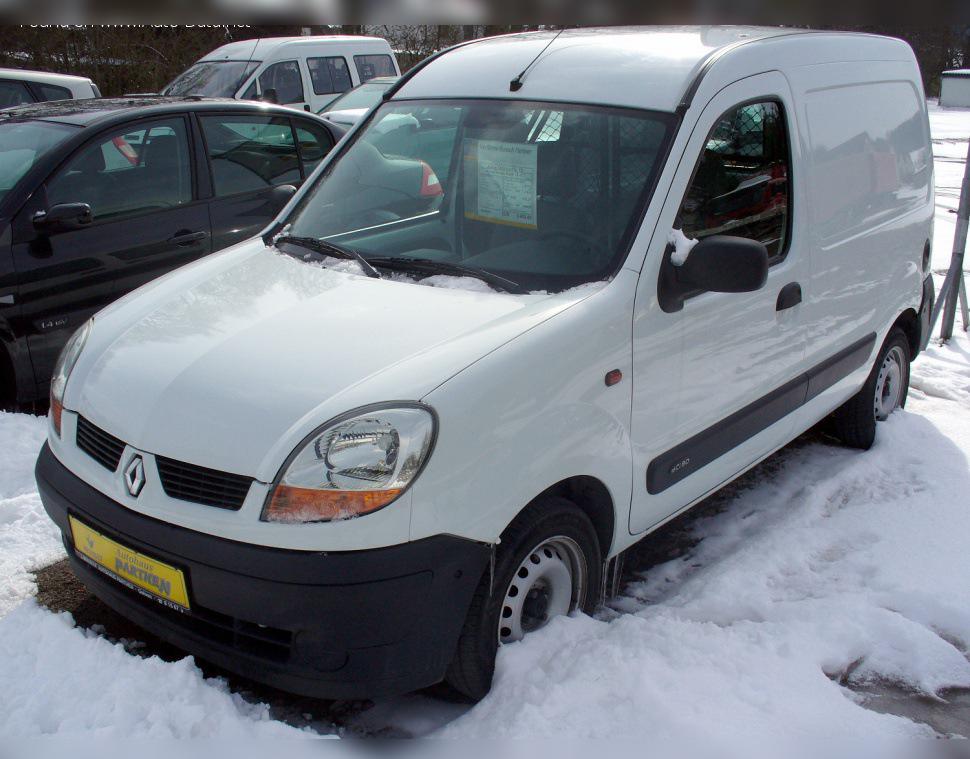
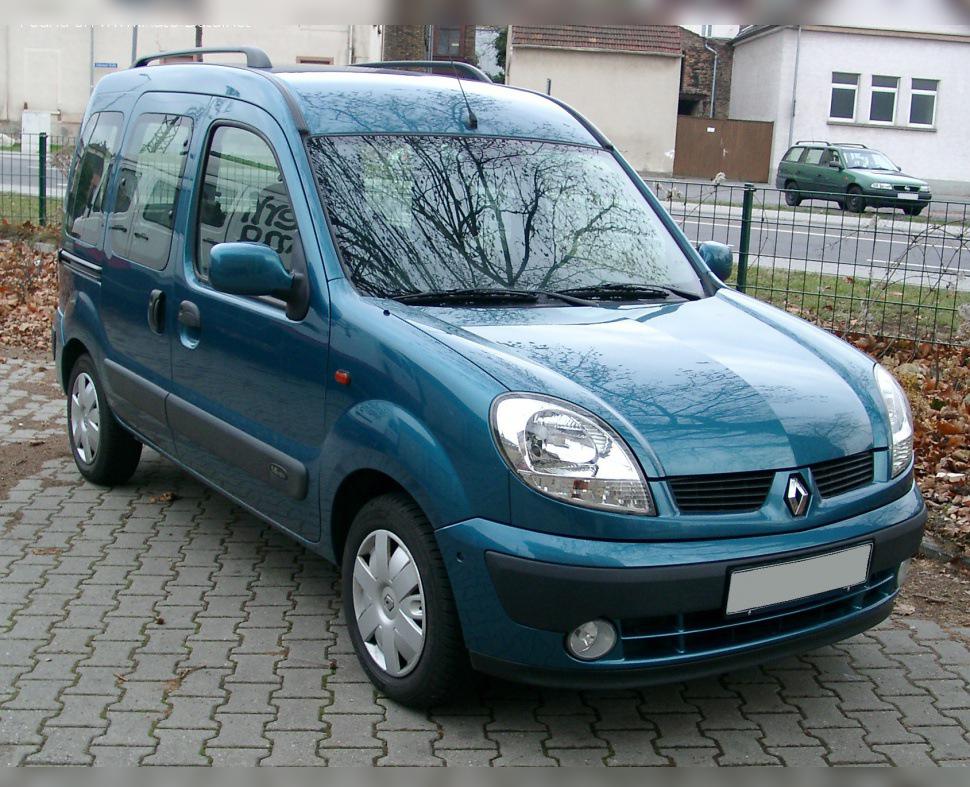
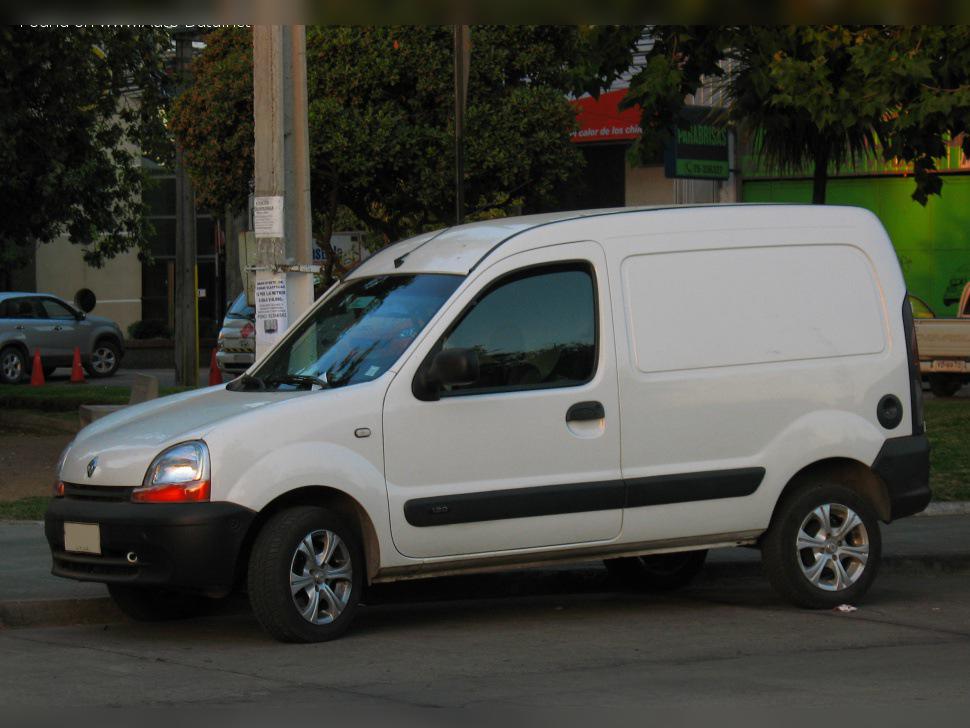
When we talk about petrol engines that marked the transition from the nineties to the 2000s, the Renault K4M is an absolute legend. With its 1598 cc, 16 valves and 95 horsepower, this engine was the heart of many models, but it gained particular fame in commercial and passenger versions of the Renault Kangoo I (including the 2003 facelift models and the famous 4x4 versions). The reason for its popularity is simple: it was built to cover a lot of kilometres with a minimum number of sensors and systems that could fail. This is a true “workhorse” engine, designed to withstand load and daily use, with maintenance that doesn’t require a deep pocket.
Technical specifications
| Parameter | Specification |
|---|---|
| Displacement | 1598 cc |
| Power | 70 kW (95 HP) |
| Torque | 148 Nm |
| Engine codes | K4M (sub-versions 750, 752, etc. – check by VIN required) |
| Injection type | Multipoint (Indirect injection) |
| Turbo/Naturally aspirated | Naturally aspirated |
Reliability and maintenance
Does this engine have a timing belt or a chain?
The K4M uses a timing belt for valve timing. The system is relatively simple, but does not tolerate improvisation. Along with the belt itself, the tensioner, idler pulleys and the water pump driven by the same belt must be replaced. If the pump seizes, the belt snaps, which leads to the pistons and valves “meeting” (engine failure).
What are the most common failures on this engine?
Although the mechanical side is robust, the K4M suffers from a few typical “French” quirks:
- Coils (ignition coils): Each spark plug has its own coil. They often fail, especially the Sagem brand from factory installation. Symptoms: The engine runs on three cylinders, shakes at idle, loses power and the “Check Engine” light comes on. The recommendation is to replace them with higher-quality parts (e.g. Beru or Denso).
- Crankshaft position sensor (TDC sensor): Over time, the contacts get dirty. Symptoms: The engine cranks but won’t start when hot, while it starts fine when cold.
- Dirty throttle body and idle control: Oil vapours contaminate the intake. Symptoms: Fluctuating idle speed, the car stalling when stopping at traffic lights. The solution is simple cleaning and adaptation with diagnostics.
- Valve cover gasket: It often seeps oil around the spark plugs, which can damage the coils mentioned above.
Service intervals and oil
The major service is done every 60,000 km or at most every 5 years, whichever comes first. Skipping this interval is gambling with the engine.
The engine takes about 4.8 to 5 litres of oil. The recommended grade is 5W-40 (for colder climates and fresher engines) or 10W-40 (for higher-mileage engines), and the required standard is RN0700 (most often Elf Evolution).
As for oil consumption, a healthy K4M engine does not consume significant amounts between services. A loss of 0.1 to 0.2 litres per 1000 km is acceptable. If it consumes more, the problem is usually hardened valve stem seals or, on very high-mileage examples, stuck piston rings.
Spark plugs
As a classic petrol engine, it requires regular spark plug replacement. The replacement interval is usually every 30,000 to 60,000 km, depending on the type of plugs (standard or iridium). Worn spark plugs directly cause coil failure due to excessive resistance, so it doesn’t pay to save money on them.
Specific parts and costs
Flywheel and clutch
Good news: This engine does not have a dual-mass flywheel! It uses a classic, solid flywheel, which means that replacing the clutch kit (pressure plate, disc, release bearing) is quite affordable. Maintaining the transmission system is therefore not expensive at all (Depends on the market).
Injection system and emissions
The engine uses MPI (Multipoint) indirect injection. The petrol injectors are extremely durable and rarely cause problems. If they clog, it is usually the result of running on poor-quality fuel or driving long periods exclusively on LPG without occasionally using petrol. Ultrasonic cleaning usually solves the issue.
This engine does not have a turbocharger (nor its expensive failures), does not have a DPF filter (it’s not a diesel), nor an EGR valve like those found on modern diesels. Also, as a petrol engine, it does not have an AdBlue system. This makes it perfect for short city trips where you don’t have to worry about clogging a particulate filter.
Fuel consumption and performance
Real-world consumption and city driving
This is where we come to the biggest downside of this engine when packed into the Kangoo body. The Kangoo I is practically a “box on wheels” with poor aerodynamics and is often loaded with cargo. Real-world city consumption ranges between 9.0 and 11.0 l/100 km. If it is a 4x4 version (which is heavier and has additional drivetrain drag) or one with an automatic gearbox, consumption can go up to 12 l/100 km in winter.
Acceleration and motorway driving
For an empty Kangoo, 95 HP is quite enough, but you definitely can’t call it fast. If you fill the boot with tools or goods, the engine becomes “lazy”. Since it is a naturally aspirated engine, the maximum torque of 148 Nm is available only at higher revs (around 3750 rpm). You have to rev it to make it “pull”, which directly affects noise and fuel consumption.
On the motorway at 130 km/h, due to the short gear ratios in the 5-speed gearbox and poor aerodynamics, the engine spins at around 3800 to 4000 rpm. It becomes noisy and consumption exceeds 8.5 l/100 km. This car feels best on main roads at speeds of 80 to 100 km/h.
Additional options and modifications
LPG conversion
If you buy this car, installing LPG is the best investment you can make! The K4M engine absolutely loves LPG. It has hydraulic tappets, so there is no need for manual valve clearance adjustment or installing valve lubrication systems (Flashlube). A properly tuned sequential LPG system works flawlessly and almost halves running costs.
Is it worth remapping (chipping) it?
No. On a naturally aspirated 1.6-litre petrol engine, a Stage 1 remap brings at most 5 to 7 horsepower, which you won’t feel in practice. It’s wasted money. There is no turbo to increase boost, so the power cannot be significantly raised.
Gearbox and drivetrain
Types of gearboxes and common failures
With this engine and model, there are two basic types of gearboxes:
- Manual 5-speed gearbox (JB3 / JC5 series): Generally reliable, but known for a “wobbly” feel at the gear lever. A common issue is oil leakage at the gear selector seal. If the oil is not topped up and the gearbox runs dry, the bearings fail and start to whine loudly. On very worn examples, you may get grinding when engaging 2nd or 3rd gear (worn synchros).
- Automatic 4-speed gearbox (DP0 / AL4): This is an older-generation gearbox and cannot boast speed or intelligence. Failures are common: the solenoids in the valve body often fail due to infrequent oil changes or overheating. Symptoms: Harsh jolts when shifting and going into “Safe mode” (stuck in 3rd gear). Overhauling this gearbox is very expensive (Depends on the market).
Note for 4x4 models: The all-wheel-drive system adds complexity. The propshaft and viscous coupling require attention. Be sure to check for vibrations under the floor when accelerating at 60–80 km/h, which indicates worn propshaft bearings.
Gearbox maintenance
Although many manufacturers once did not specify replacement, in practice changing the oil in the manual gearbox is recommended every 60,000 to 80,000 km. For the automatic gearbox, regular ATF changes every 40,000 to 60,000 km (by flushing or partial replacement) are absolutely crucial for the valve body to last.
Buying used and conclusion
What to check before buying?
- Listen to the engine when cold: When you start it in the morning, there should be no rattling or squealing from the belt area. The variable cam pulley (if fitted on that specific version) can rattle at start-up.
- Check the idle: If the car “coughs” at idle or the rev needle moves up and down, prepare for coil replacement or throttle body cleaning.
- Oil traces: Open the bonnet and look under the plastic cover. The engine often seeps oil around the valve cover. It’s not a serious fault, but it can soak the spark plugs.
- Propshaft condition (if buying a 4x4): Many advertised models actually don’t have a propshaft because owners removed it when the bearing wore out. Check under the car to see if there is any connection to the rear axle at all!
Final verdict: Who is it for?
The Renault Kangoo 1.6 16V K4M (95 HP) is a vehicle for people who need a simple car, mainly for local deliveries, tradesmen, farmers or adventurers (especially in the 4x4 version). Due to its high fuel consumption, LPG installation is a must, with which this car becomes extremely economical. Avoid the automatic gearbox if you don’t want potentially expensive repairs. If you are looking for a quiet “cruiser” for long motorway trips to the seaside, this is not the car for you. But if you are looking for a “pack mule” with cheap parts that will always start and carry the load with minimal risk of costly mechanical failures – this petrol engine is one of the most logical choices on the used car market.