Renault 1.5 dCi (K9K) 101 HP – Experiences, problems, fuel consumption and used car buying tips
Key points (TL;DR)
- Fuel consumption: One of the most economical engines in its class, often uses less than 5.5 l/100 km.
- Injection system: The notorious Delphi system is its biggest flaw; the high-pressure pump creates metal shavings that destroy the injectors.
- Crankshaft rod bearings: Prone to wear and spinning, preventive replacement at 100,000 km is recommended.
- Maintenance: Requires strict oil changes at a maximum of 10,000 km to preserve the turbocharger.
- Emissions: In this version (101 HP) there is generally no DPF filter, which is a big plus for city driving.
- Dual-mass flywheel: Unlike the weaker versions, the 101 HP model has it, which increases maintenance costs.
Contents
- Introduction: More power, but also more risk
- Technical specifications
- Reliability and maintenance
- Specific parts and costs
- Fuel consumption and performance
- Additional options and modifications
- Gearbox and drivetrain
- Buying used and conclusion
Introduction: More power, but also more risk
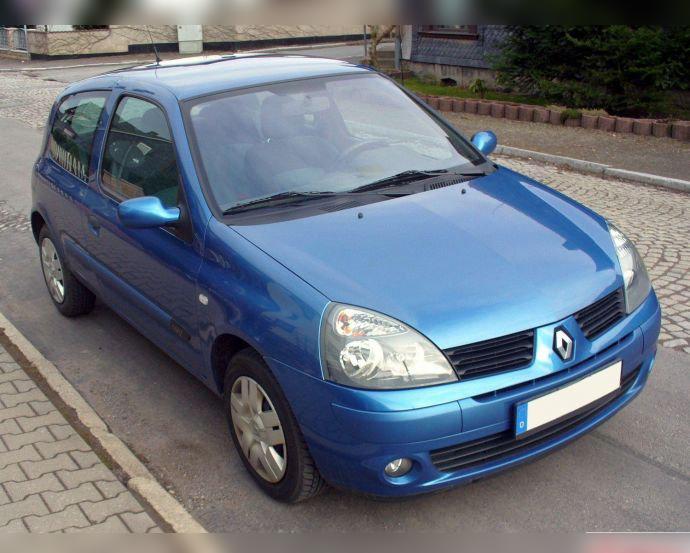
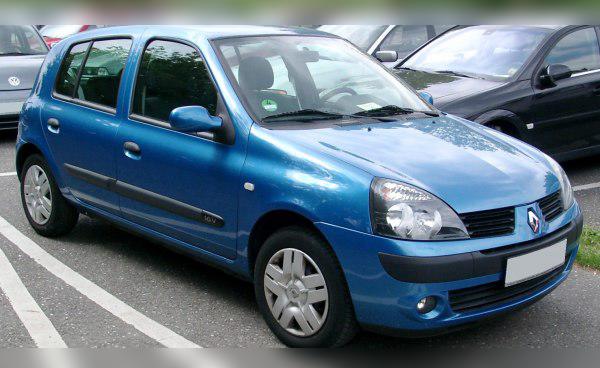
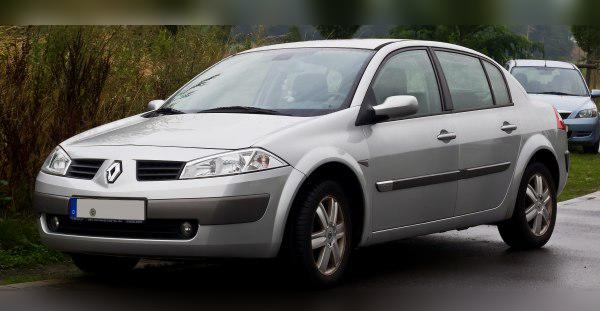
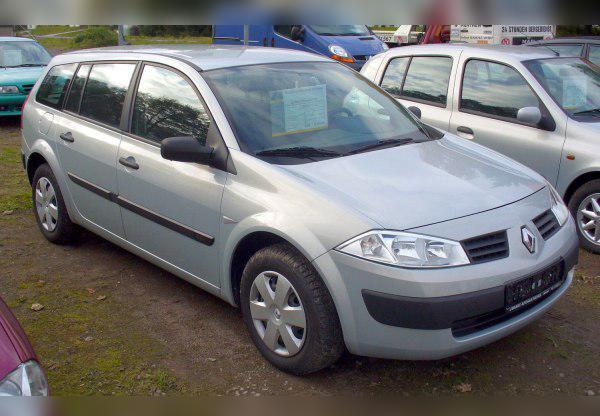
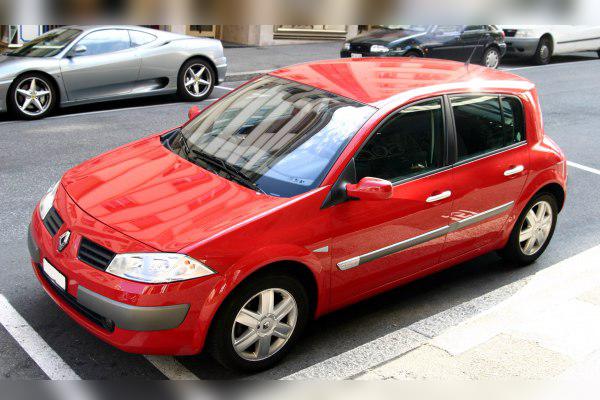
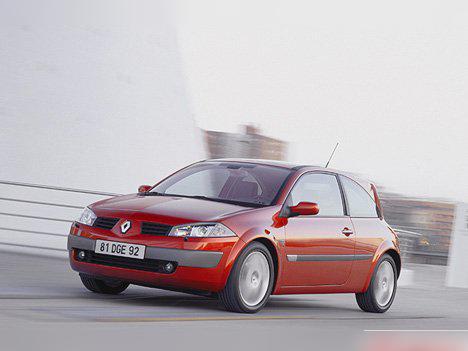
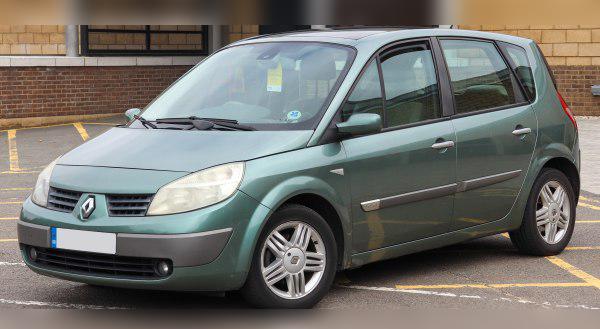
The 1.5 dCi (K9K) engine from the French Renault group is one of the most widespread diesel units in the world. The version with 101 HP (74 kW) and 200 Nm of torque was a serious step up compared to the early, weaker variants (65 HP and 82 HP) in the early 2000s. It was mostly installed in models such as the Renault Clio II, the entire Megane II range (Classic, Grandtour, Coupe, Hatchback) and the heavy Scenic II. By design it promised excellent performance with minimal fuel consumption, but due to the “teething problems” of the injection system it gradually gained a reputation as an engine that requires a careful owner and a deeper pocket for repairs if neglected.
Technical specifications
| Specification | Data |
|---|---|
| Engine displacement | 1461 cc |
| Power | 74 kW (101 HP) |
| Torque | 200 Nm |
| Engine codes | K9K (variations K9K 728, K9K 729 depending on chassis) |
| Injection type | Common Rail (Delphi) |
| Charging method | Turbocharger with intercooler |
Reliability and maintenance
Timing belt or chain?
This engine uses a timing belt for valve timing. The good news is that replacement is not overly complicated, and the timing kit with water pump is affordable. The major service according to factory specification is done at 120,000 km or 5 years, but any experienced mechanic will advise you to shorten that interval to 80,000 to 100,000 km to avoid catastrophic failure due to belt breakage.
Oil: Capacity, grade and consumption
The sump holds between 4.5 and 4.8 liters of oil. The recommended grade is 5W-40 (or 5W-30 for colder climates), and it must meet the Renault RN0710 specification. Forget the factory-recommended 30,000 km service intervals – you must change the oil at a maximum of 10,000 to 15,000 km! As for consumption, a healthy K9K does not use much oil. A loss of 0.5 liters between two services is completely normal. However, if you notice higher oil consumption along with bluish smoke from the exhaust, the problem is usually worn piston rings or a turbocharger shaft that lets oil into the intake.
Most common failures
This version is unfortunately known for two major failures:
- Crankshaft rod bearings: Due to overly long oil change intervals they lose their lubricating properties, wear out and eventually “spin”, destroying the crankshaft and the engine. The symptom is a dull metallic knocking from the lower part of the engine. Preventive replacement of the bearings at 100,000 km is a must (not expensive, depends on the market).
- Injectors and pump (Delphi): The injectors are extremely sensitive. Their lifespan is around 150,000 km. The driver will notice rough running, hard starting, loss of power and black smoke. Refurbishment is expensive (depends on the market).
Specific parts and costs
Dual-mass flywheel
While the weaker versions (65 HP and 82 HP) had a solid flywheel, the 101 HP version, due to the higher torque of 200 Nm, uses a dual-mass flywheel. If you hear rattling when starting or stopping the engine, or feel strong vibrations on the clutch pedal when it is pressed halfway, it is time to replace the entire set. This job is very expensive (depends on the market).
Injection system: Delphi nightmare
The injection system is made by Delphi. The biggest problem is not the injectors themselves, but the high-pressure pump. The internal parts of the pump wear and create metal shavings that travel through the fuel system and directly clog the injectors. If this happens, it is not enough to replace only the injectors; the pump must be replaced or refurbished and the fuel tank and lines thoroughly flushed. Because of this, it is recommended to use only premium diesel and to replace the fuel filter frequently.
Turbocharger
The engine has a single turbocharger with fixed or variable geometry (depending on the exact chassis code) and an intercooler. The turbo’s lifespan is around 200,000 km, but it drops drastically if the oil is not changed on time. Whistling under load and loss of power are the first signs that the turbo is on its way out.
DPF, EGR and AdBlue
A fortunate circumstance with this generation (Euro 3/Euro 4 standard) is that it does not have a DPF filter, nor an AdBlue system. Because of this, city driving is much less stressful, as there is no need to worry about regeneration and clogging. However, the EGR valve is present and often gets clogged with soot. Symptoms of a blocked EGR are jerking at low revs, black smoke and going into “safe mode” (loss of power). Cleaning the EGR is not expensive and is recommended every 50,000 km.
Fuel consumption and performance
In the city
The K9K excels in city driving. Despite the weight of the car (especially the Megane II), real-world urban fuel consumption is around 5.5 to 6.5 l/100 km. The engine is very flexible and offers good throttle response from the very start.
Body weight vs engine
In the light Clio II, this 101 HP engine provides genuinely sporty performance – the car “flies”. In the Megane II it is well balanced, offering comfortable everyday driving with enough power for overtaking. However, in the heavier Scenic II, especially when loaded with passengers and luggage, it can be quite “lazy” on climbs and requires frequent gear changes to keep it in the optimal torque band above 2,000 rpm.
On the motorway
On the open road at a cruising speed of 130 km/h in fifth gear, the engine runs at about 2,800–3,000 rpm. At these revs it becomes noticeably noisier in the cabin, but fuel consumption remains low, around 5.0–5.5 l/100 km. The lack of a sixth gear (reserved for later 106 HP models) is noticeable in terms of comfort.
Additional options and modifications
Chiptuning (Stage 1 remap)
The engine responds quite well to ECU software modification. A quality Stage 1 can raise power from 101 HP to a safe 120 to 125 HP, with torque increased to around 250 Nm. However, be very careful! Given the fragility of the Delphi injection system and the presence of a dual-mass flywheel, any power increase will wear out the clutch or turbo much faster if they are not already in perfect condition. If the car has over 200,000 km, chiptuning is not recommended.
Gearbox and drivetrain
Manual gearbox
It is most often paired with a 5-speed manual gearbox (often designated JR5). The gearboxes are mechanically robust, but the gear selector and linkage develop play over time, making gear changes imprecise. The oil in the manual gearbox is often neglected, but it should definitely be replaced every 80,000 km (oil grade 75W-80 is used).
Automatic gearbox
Certain Megane II models came with a 4-speed automatic gearbox (Proactive / DP0). This is old technology and a gearbox that requires special caution. It is known for failures of the valve body (pressure valves), overheating and harsh jerks when shifting. Maintenance of the automatic is crucial: the oil must be changed every 60,000 km. If you are buying a used car with this automatic and the oil has not been changed regularly, you can expect very expensive repairs (depends on the market).
Buying used and conclusion
What to check before buying?
The inspection of this engine must not be superficial:
- Diagnostic check: Be sure to check injector correction values via an OBD device. Large deviations indicate a dead injector.
- Metal shavings: Experienced mechanics will remove the fuel filter, cut it open and use a magnet to check for metal shavings inside. If there are any, walk away from that car.
- Engine noise: Listen to the engine on a cold start. If you hear a dull knocking from the lower block, the rod bearings are close to failure.
- Exhaust smoke: Black smoke under full throttle indicates bad injectors or a blocked EGR, while blue smoke screams of turbo or piston ring problems.
- Dual-mass flywheel: At idle, slowly press the clutch and listen for rattling.
Conclusion: Who is it for?
The Renault 1.5 dCi with 101 HP is an engine full of contrasts. If you buy a well-maintained example with a documented service history (where the injectors have already been replaced and the crankshaft bearings changed preventively), you will get a phenomenal travel companion that will delight you with low fuel costs. On the other hand, it is intended exclusively for people who are ready for disciplined maintenance (oil every 10,000 km, top-quality fuel). Buying a neglected example will turn into a financial bottomless pit. It is ideal for people who cover long distances in mixed city–highway driving, but for pure city use in heavy traffic you should consider a naturally aspirated petrol engine.