K9K 1.5 dCi Engine (75 HP) – Experiences, Problems, Fuel Consumption and Used Car Buying Guide
- No dual-mass flywheel: A huge advantage for maintenance, the clutch kit is extremely cheap.
- Low fuel consumption: In city driving it uses very little, often below 6 l/100 km.
- Sluggish on open roads: With only 75 HP and a short gearbox, it struggles on the motorway and becomes noisy.
- Risk of metal shavings: Older generations with Delphi injection are sensitive to poor-quality fuel and can destroy the system with metal particles.
- DPF and EGR sensitivity: Short city trips quickly clog the EGR valve and DPF filter (on models that have it).
- Excellent for work and city use: A perfect choice for delivery vehicles (Kangoo, Logan Van) and everyday urban driving.
Contents
- Introduction: A legend among delivery and city vehicles
- Technical specifications
- Reliability and maintenance
- Specific parts and costs
- Fuel consumption and performance
- Additional options and modifications
- Gearbox and drivetrain
- Buying used and conclusion
Introduction: A legend among delivery and city vehicles
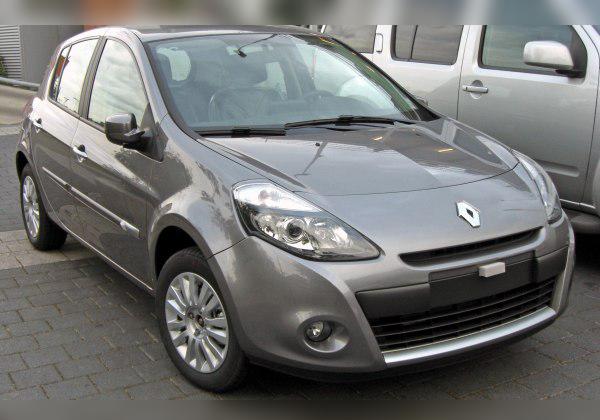
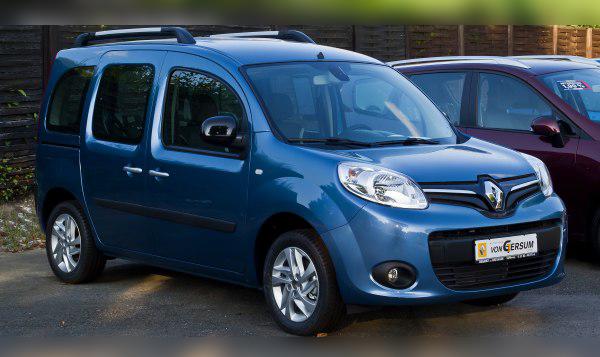
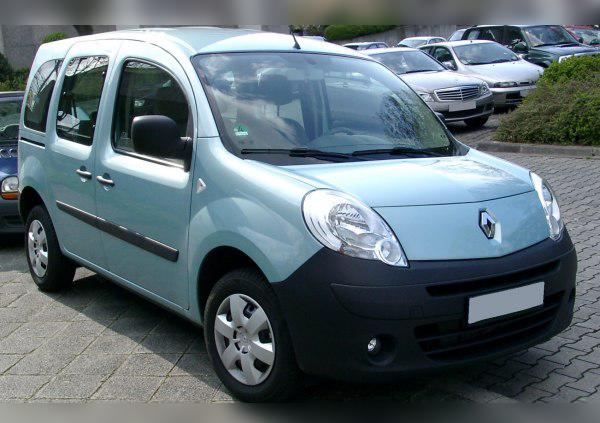
The 1.5 dCi engine with the internal code K9K is probably one of the most famous and most widespread diesel units in Europe. The 75 HP (55 kW) version is the basic, workhorse variant of this engine. It was designed to be a mule – simple, economical and cheap to maintain. You’ll most often find it in commercial vehicles such as the Dacia Logan Van and Renault Kangoo, but also in city cars like the Renault Clio III. Although performance is not its strong point, its efficiency makes it a favourite choice for fleets and drivers on a tight budget.
Technical specifications
| Parameter | Value |
|---|---|
| Engine displacement | 1461 cc |
| Power | 55 kW (75 HP) |
| Torque | 180 Nm |
| Engine codes | K9K (variations depend on Euro standard and model year) |
| Injection type | Common Rail (Delphi, later Bosch/Continental) |
| Charging system | Turbocharger (fixed geometry), intercooler |
| Fuel type | Diesel |
Reliability and maintenance
Timing belt or chain?
This engine uses a timing belt. The system is quite reliable, but it does not tolerate delayed servicing. A snapped belt leads to catastrophic engine damage (bent valves and damaged pistons).
What are the most common failures?
The main weaknesses of this engine are related to the peripherals and the lubrication system. The EGR valve often gets clogged with soot due to city driving, which causes smoke and jerking. On earlier generations (up to 2010), the most serious failure is related to the high-pressure fuel pump (Delphi), which wears out and creates metal particles, destroying the injectors and the entire system. Also, the notorious crankshaft big-end bearings can fail if the oil is changed at the factory (and over-optimistic) interval of 30,000 km. Although this 75 HP version is less stressed so the bearings fail less often, this is something an experienced mechanic will always pay attention to.
Service intervals and engine oil
The major service is preventively recommended every 60,000 to 80,000 km or every 5 years (whichever comes first). The water pump must be replaced at each major service. As for oil, the K9K takes about 4.5 litres of oil. The grade depends on the presence of a DPF filter: for models without DPF you use 5W-40 (RN0710 spec), while for models with a DPF filter (FAP) you must use 5W-30 low-ash oil (Low SAPS, RN0720 spec).
The engine should not consume too much oil. Normal consumption is considered to be up to 0.3–0.5 litres between services (which should be done every 10,000 to a maximum of 15,000 km). If the engine uses more than that, the problem usually lies in the turbo seals or, less often, worn piston rings.
Injector lifespan and injection system
The injectors are a mixed story. If the car has the infamous old Delphi system (earlier generations), the injectors can start causing problems already around 150,000 km, losing their codes or failing due to the mentioned metal shavings. Newer generations (from the switch to Euro 5, Energy dCi variants) use a much more reliable Bosch or Continental/Siemens system. On those, the injectors can easily last over 250,000 km with regular fuel filter changes.
Specific parts and costs
Dual-mass flywheel
Great news for used-car buyers: the 75 HP engine does not have a dual-mass flywheel, but uses a classic solid flywheel. Because of that, this part practically never fails, and replacing the clutch kit is very affordable – not expensive (depends on the market).
Turbocharger
The 75 HP K9K uses a single turbocharger with fixed vane geometry (most often BorgWarner or KKK). This is a huge plus for reliability compared to the more powerful variants (90 HP or 110 HP) that use a variable-geometry turbo. The service life of this turbo, with regular oil changes, is over 250,000 km.
DPF and AdBlue systems
Older models (such as the first Dacias and Kangoos) do not have a DPF (particulate filter), which makes them ideal for city use. However, newer versions with the FAP, Energy dCi or Blue dCi badges do have a DPF. If you drive the car exclusively on short stop-and-go city trips, the DPF will clog, which requires a forced regeneration or cleaning.
The latest variants in the Kangoo III with the Blue dCi badge are equipped with an AdBlue system for NOx reduction. These systems are known to be temperamental – dosing modules and in-tank pumps often fail, or the fluid crystallises if the car is rarely driven, and replacing the entire AdBlue tank is very expensive (depends on the market).
Fuel consumption and performance
City driving and weight
The main trump card of this unit is its efficiency. In a lighter car such as the Clio III, real-world city consumption is around 5.0 to 5.5 l/100 km. In a heavier and less aerodynamic vehicle like the Kangoo (especially when loaded), city consumption rises to about 6.5 l/100 km.
Is the engine “lazy”? The short answer is: Yes, quite. With 75 HP and 180 Nm, the engine is adequate for an unladen Clio, but in a loaded delivery Kangoo you will feel a serious lack of power on inclines. It was designed for low-rev pulling in the city, not for speed.
Behaviour on the motorway
This is absolutely not a motorway engine. The gearboxes paired with it have very short ratios to compensate for the lack of power. Because of that, at 130 km/h in fifth gear, the engine spins at a high 2,800 to 3,000 rpm. This results in increased cabin noise, while fuel consumption rises sharply above 110 km/h (a Kangoo at 130 km/h can use more than 7.5 l/100 km due to its body shape).
Additional options and modifications
Remapping (Stage 1)
Many commercial-vehicle owners opt for a so-called Stage 1 remap precisely because of the engine’s sluggishness. The engine hardware can withstand a moderate increase. A safe remap will raise this engine to about 95–105 HP, while torque goes from 180 Nm to about 220–230 Nm. This significantly eases overtaking and driving under load. However, more aggressive tuning is not recommended because the small clutch and fixed-geometry turbo have their thermal limits.
Gearbox and drivetrain
Types of gearboxes and common issues
The 75 HP engine is most commonly paired with a five-speed manual gearbox (series codes JR5 or JH3). Automatic gearboxes are extremely rare with this power output and were mostly reserved for more powerful variants (EDC gearboxes on 90+ HP versions). The manual gearbox is very reliable, but it has one chronic flaw – oil leakage at the gear selector seal. If the gearbox runs low on oil, the third and fourth gear synchros quickly fail, which shows up as grinding when engaging gears.
Gearbox maintenance
As already mentioned, clutch replacement is cheap because there is no dual-mass flywheel. As for gearbox servicing, the manufacturer often labels it as “sealed for life”, but experienced mechanics recommend changing the oil in the manual gearbox every 60,000 to 80,000 km. Regular changes (it takes about 2 to 2.5 litres of 75W-80 oil) drastically extend the life of the bearings and synchros.
Buying used and conclusion
What to check before buying?
- Metal shavings symptom: If you’re buying an older model, ask a mechanic to draw some fuel from the filter and look for shiny metal particles. If they are present, walk away from that car – the entire injection system needs replacing.
- Cold start: The engine should start “on half a turn”. A sharp clicking sound when cold can indicate injector problems, while blue smoke means oil is being burned (turbo or piston rings).
- Rattling from the bottom end: Any dull knocking from the sump area when revving can indicate worn big-end bearings.
- DPF diagnostics: On newer models, diagnostics must be used to check the DPF saturation level and the condition of the differential pressure sensor.
Final verdict
The K9K 1.5 dCi 75 HP engine is a purpose-built tool, not a racing machine. It was not made for long motorway cruises or aggressive driving. Its true purpose is work – it is a robust, economical and dependable workhorse. If you need a Kangoo or Logan for urban deliveries, or a Clio as an economical second family car, this engine (especially the newer Energy series with better injection) will be an excellent choice that will save your wallet both at the fuel station and at the mechanic’s.