Renault 1.5 dCi K9K (86 HP): Experiences, problems, fuel consumption and used-car buying tips
- Low fuel consumption: One of the most economical diesel engines in its class, ideal for everyday driving.
- Affordable clutch maintenance: The 86 HP version does not have a dual-mass flywheel, which drastically reduces maintenance costs.
- Injection system requires attention: The sensitive Delphi system can create metal shavings that destroy the injectors and the pump.
- Crankshaft rod bearings: Preventive replacement at around 120,000 to 150,000 km is absolutely mandatory to avoid engine failure.
- Excellent for smaller cars: Extremely agile in the Clio, but in heavier bodies (Scenic, Duster) it can feel “sluggish”.
- No AdBlue system: A big plus in terms of reliability compared to more modern diesels.
Contents
- Introduction: The golden middle of Renault’s diesel range
- Technical specifications
- Reliability and maintenance
- Specific parts (costs and failures)
- Fuel consumption and performance
- Additional options and modifications
- Gearbox and drivetrain
- Buying used and conclusion
Introduction: The golden middle of Renault’s diesel range
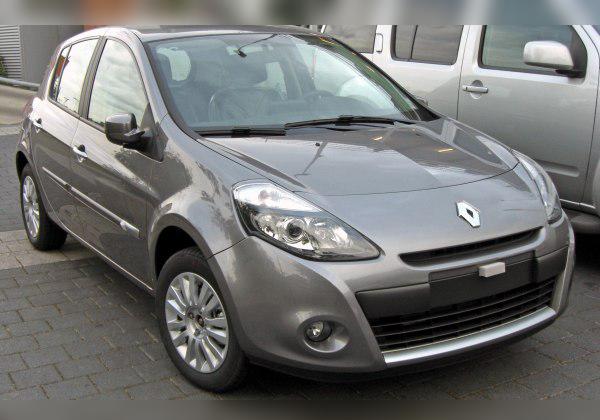
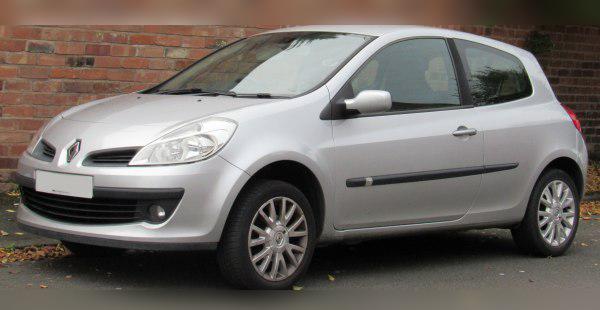
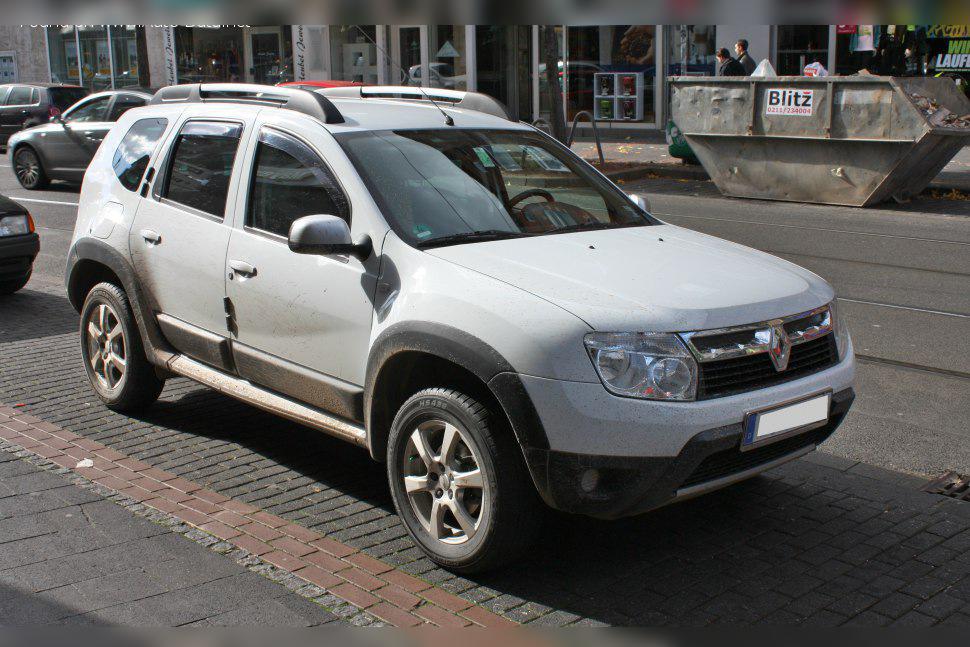
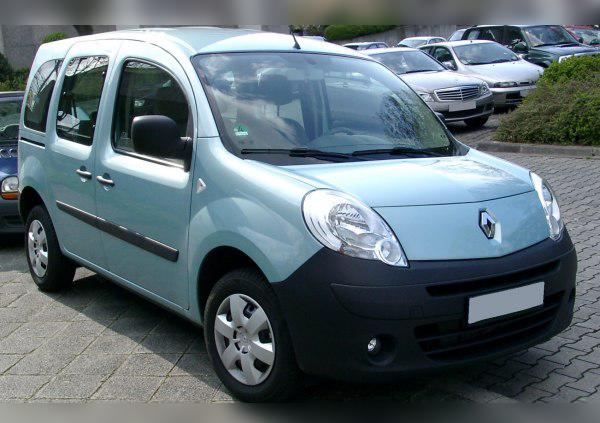
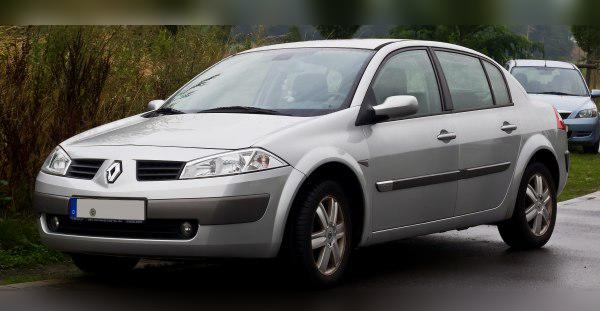
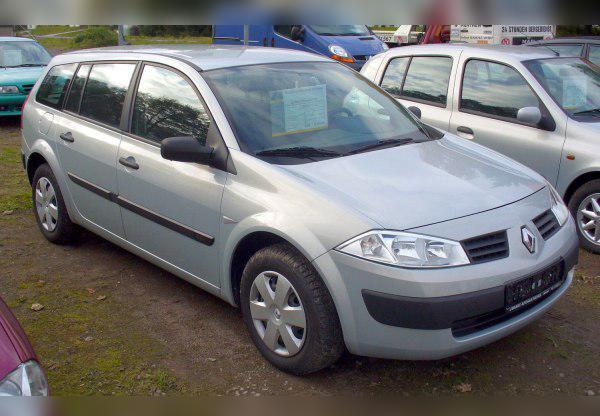
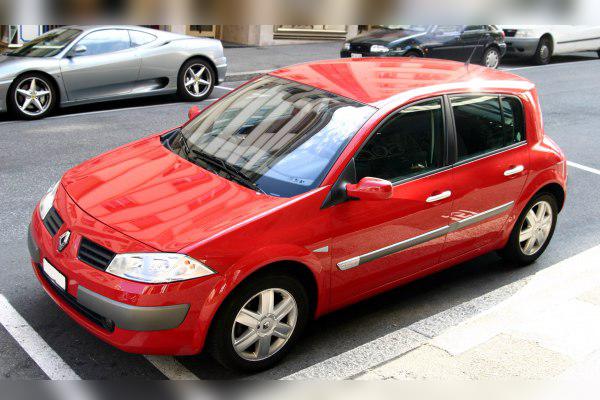
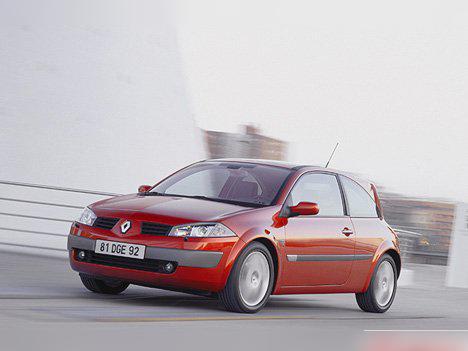
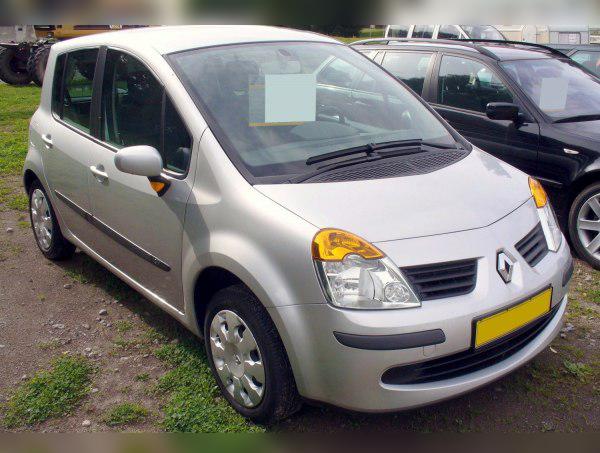
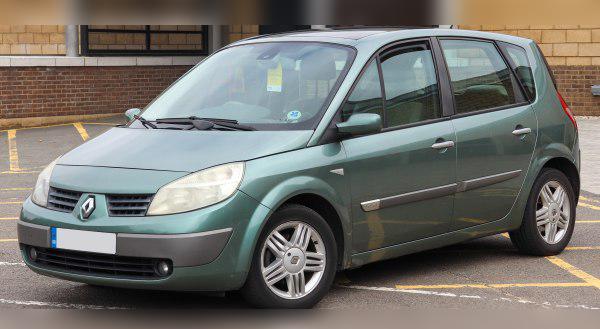
The 1.5 dCi engine with the internal code K9K is one of the most widely produced diesel units in the world. Its version with 86 HP (63 kW) and 200 Nm of torque represents the “golden middle” of the Euro 4 generation (installed mostly up to 2010). It powered almost the entire Renault lineup – from the small city car Clio III, through the practical Kangoo and Modus, all the way to the robust Duster I and family-oriented Megane II and Scenic II. The reason for its popularity lies in its simpler architecture compared to more powerful versions (no variable-geometry turbo, no dual-mass flywheel), but like every engine, the K9K hides specific weaknesses that every potential owner needs to know about.
Technical specifications
| Specification | Data |
|---|---|
| Engine code | K9K (versions 722, 728, 766 depending on model) |
| Engine displacement | 1461 cc |
| Power | 63 kW (86 HP) |
| Torque | 200 Nm |
| Fuel type | Diesel (Common Rail) |
| Injection type | Delphi (Direct injection) |
| Intake and charging | Turbocharger (fixed geometry), intercooler |
Reliability and maintenance
Timing system: Timing belt
This engine uses a timing belt for the valve timing system. It does not have a chain, which many mechanics consider an advantage because maintenance is predictable and cheaper. The manufacturer’s recommendation for a major service (replacement of timing belt, tensioner, idler pulleys and water pump) is usually 120,000 km or every 5 years. However, experienced mechanics advise doing the major service at 80,000 to 100,000 km or every 4 years to avoid a potential belt snap, which leads to catastrophic damage to valves and pistons.
Most common failures and oil change intervals
The Achilles’ heel of the K9K engines from this period (especially the 86 HP versions) are the crankshaft rod bearings. Due to long oil change intervals (the factory sometimes unrealistically specified up to 30,000 km), the bearing material wears out, which can lead to complete crankshaft destruction (the engine “seizes”). The solution is preventive replacement of the rod bearings every 120,000 to 150,000 km, which is a routine job that does not require removing the engine. It is not expensive *(depends on the market)* compared to the price of a replacement engine.
The oil sump capacity is about 4.5 liters of oil. Fully synthetic oil of grade 5W40 (RN0710 specification) is recommended, given that these versions usually do not have a DPF filter. Minor service must strictly be done every 10,000 to 15,000 km. A healthy 1.5 dCi practically does not consume oil between services. A loss of up to 0.5 liters per 10,000 km is considered normal, but if the engine “drinks” a liter or more, the problem should be sought in worn piston rings or, much more often, in a failing turbocharger that pushes oil into the intake (which is noticeable as bluish smoke from the exhaust).
Injector and injection system longevity
The injectors are prone to wear, and their service life on this engine largely depends on fuel quality. They usually last between 150,000 and 200,000 km before they start showing symptoms such as rough idle, difficult cold starts, black smoke under acceleration and “clattering” under load.
Specific parts (costs and failures)
Flywheel and clutch
The best news for used-car buyers looking at the 1.5 dCi 86 HP engine is that it does not have a dual-mass flywheel! It uses a standard, solid flywheel. Because of this, clutch kit replacement is significantly cheaper than on more powerful versions (from 106 HP upwards). The clutch kit itself falls into the category: not expensive *(depends on the market)*.
Injection system (Delphi)
The 86 HP version almost exclusively uses the Delphi injection system. Its biggest weakness is the sensitive high-pressure pump. If low-quality fuel is used or the fuel filter is not changed regularly, the pump wears and starts producing metal shavings (microscopic metal particles). These shavings travel through the system, reach the injectors and permanently clog/destroy them. Repairing this failure involves overhauling the pump and injectors and thoroughly cleaning the entire tank and all fuel lines, which is very expensive *(depends on the market)*. The first symptoms are warning messages on the dashboard (Check Injection) and loss of power.
Turbocharger
The engine is equipped with a single turbocharger, most often from BorgWarner (KKK) with fixed geometry (wastegate valve), which is a simpler and more durable solution than variable-geometry turbos. With regular oil changes and cleaning of the turbo oil feed pipe, this turbocharger can easily last over 250,000 km.
Emissions: EGR, DPF and AdBlue
This model complies with the Euro 4 standard and the vast majority of them (depending on the market and exact production year) do not have a DPF filter (particulate filter). This makes city driving much easier, as there are no regeneration issues. However, the EGR valve is still there. It is responsible for exhaust gas recirculation and very often clogs up with soot, especially if the car is driven on short city trips. Symptoms include engine hesitation at low revs, black smoke and loss of power. Cleaning the EGR valve is routine, while replacement is moderately expensive *(depends on the market)*.
As for AdBlue fluid, this engine is not designed with it, so owners have absolutely no worries about failures of the pump, urea injector or AdBlue tank, which are a nightmare on newer diesels.
Fuel consumption and performance
If you are buying this engine for its economy, you are making the right choice. Real-world fuel consumption in pure city driving ranges between 5.5 and 6.5 l/100 km, depending on driving style and traffic. On open roads it easily drops below 4.5 l/100 km.
Is the engine “sluggish”? That depends on which car it is in. In light models such as the Renault Clio III and Modus, 86 HP and 200 Nm of torque offer surprisingly good agility and the engine feels perfectly adequate. However, if this engine is pushing a heavier body such as the Renault Scenic II, Megane II Grandtour (estate) or Duster I, you will feel a serious lack of power, especially when overtaking uphill or when the car is fully loaded with passengers and luggage.
On the motorway, the 1.5 dCi (86 HP) is not an ideal cruiser. The gearbox usually has 5 speeds with relatively short ratios, so at 130 km/h the engine spins at around 2800 to 3000 rpm. Because of this it becomes noisy in the cabin, and fuel consumption rises above 6.5 l/100 km. This engine is at its best up to speeds of about 110–120 km/h.
Additional options and modifications
When it comes to increasing power, the 86 HP K9K engine has decent potential for “chipping” (Stage 1 remap). Power is usually safely increased to about 105 to 110 HP, and torque rises by 40 to 50 Nm. The car becomes incomparably more responsive and breathes easier in higher gears.
However, a strict warning: before any power increase you must replace the crankshaft rod bearings if this has not already been done. Also, since the clutch is designed for lower torque, aggressive driving after remapping can shorten its lifespan, even though there is no dual-mass flywheel to absorb the initial shocks.
Gearbox and drivetrain
The 1.5 dCi 86 HP was paired with five-speed manual gearboxes (codes JH3 and JR5) and a four-speed automatic gearbox (code DP0/AL4).
Manual gearbox (5-speed)
The manual gearboxes are quite reliable, but over the years they can develop play in the gear selector, making gear changes feel imprecise (spongy). Oil leaks at the gear selector shaft seal are common. Repair costs are generally low. Servicing the gearbox (oil change, about 2.5 liters of 75W80 oil) is highly recommended every 80,000 km to prolong synchronizer life.
Automatic gearbox (DP0)
In the automatic version, this model uses the notorious DP0 (AL4) gearbox. The strict recommendation is to avoid this combination. This four-speed automatic is known for chronic problems with hydraulic valves (solenoids), overheating (due to a poor cooling system) and oil leaks. Symptoms include harsh shifts and the gearbox going into “Safe mode” (locked in third gear). Repairs are expensive to very expensive *(depends on the market)*. If you do own one, the oil must be changed every 60,000 km.
Buying used and conclusion
When looking at a used car with the 1.5 dCi 86 HP engine, focus on the following:
- Listen to the engine at idle: A rattling noise from the lower part of the engine may indicate problems with the rod bearings or a worn oil pump.
- Inspect the fuel filter (if the mechanic allows): There must not be any metal shavings inside. If there are, the injection system is near the end of its life.
- Check the exhaust: Blue smoke when revving suggests a turbo or piston ring problem, while thick black smoke suggests a faulty EGR valve, dirty injectors or a cracked intercooler hose.
- Diagnostics: Read the pressure in the Common Rail system during cranking and at idle – this will tell the mechanic exactly what condition the pump and injectors are in.
Final conclusion
The K9K (1.5 dCi, 86 HP) engine is intended for drivers who want economical and inexpensive transport (no dual-mass flywheel, rarely any DPF). It is ideal to buy it in a smaller car (Clio), where it will work without strain due to the lower weight and provide good performance. If you find an example with a properly documented service history, the first step after purchase should be a major service and rod bearing replacement. With that done, and provided you avoid the problematic automatic gearbox, you will get a reliable and extremely frugal partner on the road.