Renault and Dacia 1.5 dCi K9K 612 (90 HP) – Experiences, problems, fuel consumption and used car buying guide
Key points (TL;DR)
- High reliability: This generation of the 1.5 dCi engine has overcome the “childhood diseases” with pumps and injectors from the early 2000s.
- Solid flywheel: Unlike the more powerful 110 HP version, this engine in 99% of cases uses a simple, solid flywheel, which drastically reduces maintenance costs.
- Low fuel consumption: One of the most economical diesels on the market; in city driving it rarely exceeds 6.5 l/100 km.
- Timing system: The engine uses a timing belt; the major service is done between 100,000 km and 120,000 km.
- Caution with Easy-R gearbox: The robotized manual gearbox can be problematic and requires more expensive interventions due to accelerated clutch wear.
- No AdBlue system: Fortunately for your wallet, this version (K9K 612) relies only on the DPF and EGR for emissions control.
Contents
- Introduction: An icon of affordable mobility
- Technical specifications
- Reliability and maintenance
- Specific parts and costs
- Fuel consumption and performance
- Additional options and modifications
- Gearboxes: Manual vs Easy-R
- Buying used and Conclusion
Introduction: An icon of affordable mobility
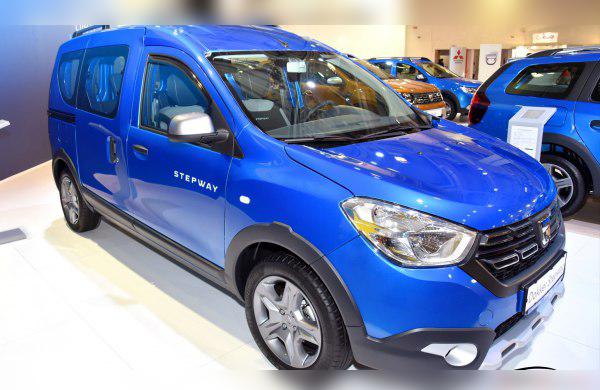
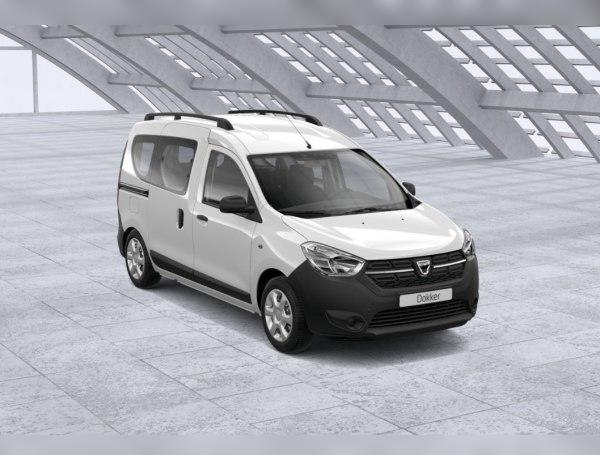
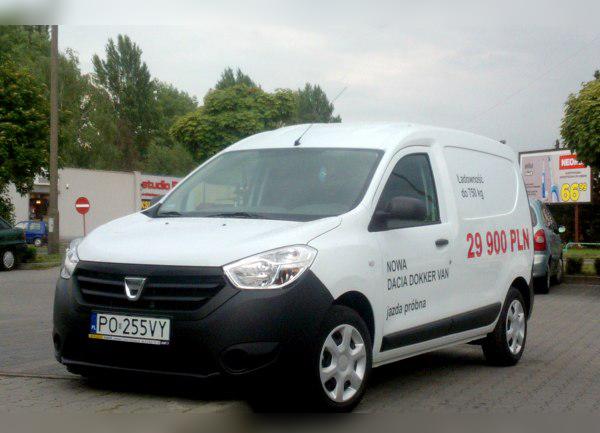
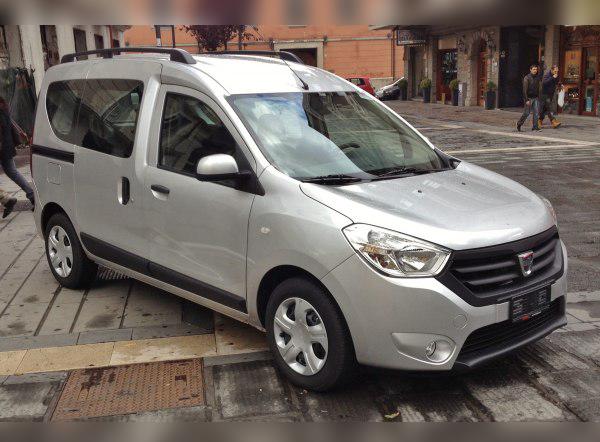
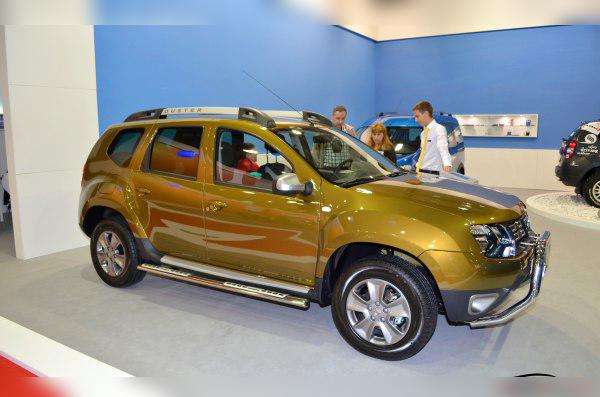
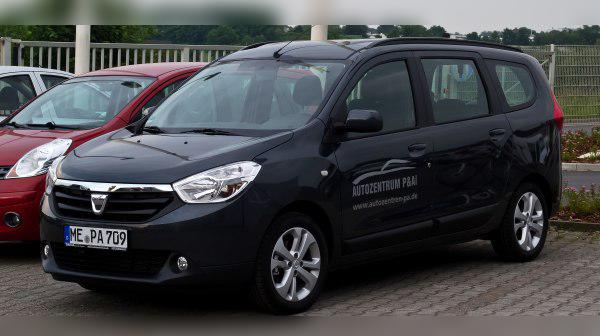
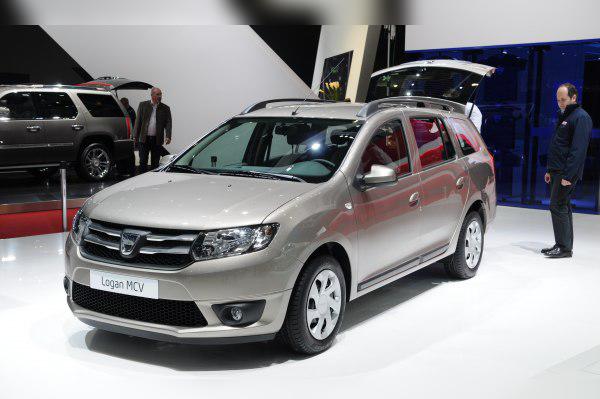
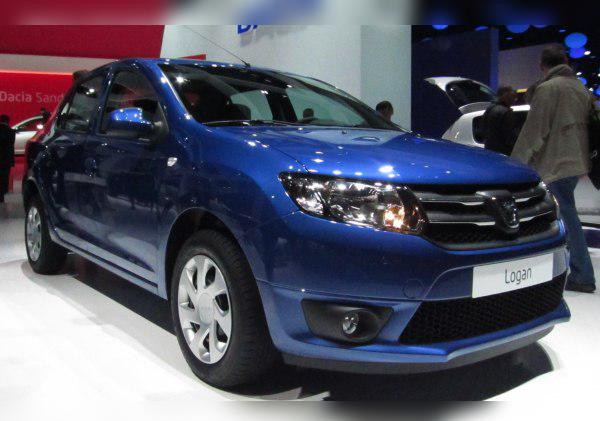
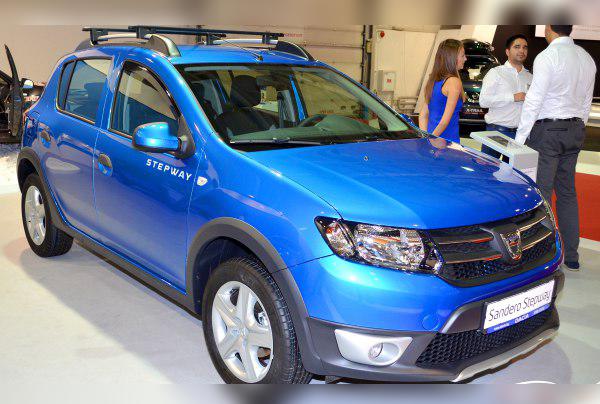
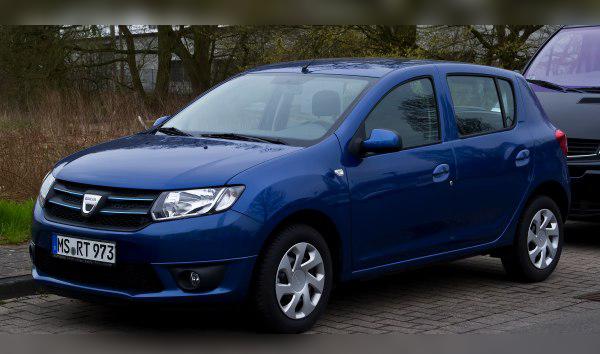
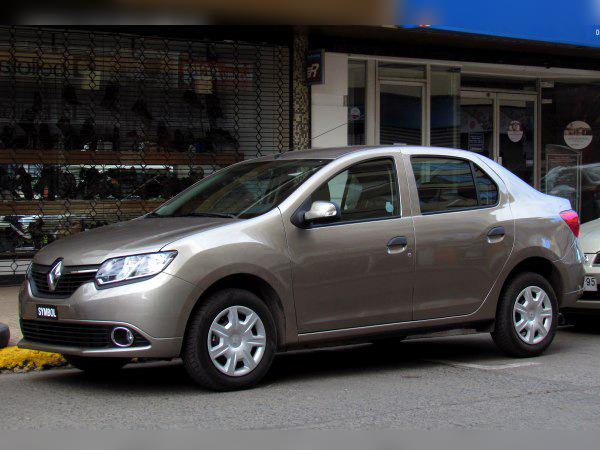
When the 1.5 dCi engine is mentioned, drivers’ opinions are often divided, mainly because of the old issues with Delphi injection systems. However, the version designated as K9K 612, which produces 66 kW (90 HP), is one of the most mature and reliable iterations of this power unit. It was widely installed across Europe in Dacia models (Sandero, Logan, Duster, Dokker, Lodgy) as well as in the Renault Symbol III. Its main strength is not raw power, but robustness, low fuel consumption and cheap maintenance. Thanks to the absence of complex systems such as a dual-mass flywheel and AdBlue, this engine is a favorite among taxi drivers and commercial users (Dokker Van), but it is also a perfect choice for the average family.
Technical specifications
| Parameter | Value |
|---|---|
| Engine code | K9K 612 |
| Engine displacement | 1461 cc |
| Power | 66 kW (90 HP) |
| Torque | 220 Nm |
| Fuel type | Diesel (FAP/DPF) |
| Injection type | Common Rail (Direct injection) |
| Charging system | Turbocharger with intercooler |
Reliability and maintenance
One of the most common questions from drivers concerns the timing system. The K9K 612 uses a timing belt, not a chain. Experienced mechanics recommend doing the major service (replacement of timing belt, tensioner, idler pulleys and water pump) every 100,000 to 120,000 km, or every 5 years. Skipping this interval can lead to belt failure, which causes catastrophic contact between valves and pistons on the crankshaft, requiring a full engine overhaul.
As for lubrication, this engine takes about 4.5 liters of engine oil. It is mandatory to use 5W-30 oil that meets the RN0720 (Low SAPS) specification, as this is crucial for the longevity of the DPF filter. If the engine is in good condition, it does not consume oil between services (every 10,000 - 15,000 km). Consumption of a few hundred milliliters can be considered normal, but if the engine requires topping up more than half a liter per 10,000 km, that is a red flag – most often turbocharger bearings are leaking or the piston rings are worn.
When it comes to injectors, in this generation they are extremely durable. The service life of the injectors often exceeds 250,000 km without any issues. If a failure occurs, the driver will notice it through rough idling (engine shaking), loss of power, or increased exhaust smoke under sudden acceleration. Injector repair on this generation costs from 100 to 150 euros per piece (depending on the market).
Most common failures
Overall, the K9K 612 has no serious design flaws. The most common problems stem from short-distance city driving. As a result, the EGR valve becomes clogged. Symptoms of a clogged EGR include jerking while driving, loss of power (“safe mode” or “limp mode”) and the illumination of a yellow warning light on the instrument cluster in the shape of a glow plug or “Check Engine”. In addition, rubber intercooler hoses can be damaged due to age, which manifests as a loud hissing sound under the hood when accelerating and black smoke from the exhaust due to lack of air in the mixture.
Specific parts and costs
Here is the best news for all potential buyers: in the 90 HP version, this engine does not have a dual-mass flywheel, but uses a simple (solid) flywheel. This makes maintenance incredibly easier because the price of replacing the complete clutch kit (pressure plate, disc, release bearing) is very affordable – it can be described as not expensive (depending on the market). In more powerful versions (110 HP), a dual-mass flywheel is present and its replacement is several times more expensive.
The injection system in this generation has been freed from the old issues with flaking of the high-pressure pump. The turbocharger is a single unit, fairly simple and reliable. Its service life directly depends on oil quality; with regular servicing it lasts as long as the engine itself. Symptoms of turbo failure include a “siren-like” whine (similar to an ambulance siren) on a cold engine and a noticeable loss of pull.
This model is equipped with a DPF filter (FAP) and an EGR valve. As mentioned, stop-and-go city driving at low revs prevents the DPF from reaching the operating temperature of over 600 °C needed for regeneration. The driver will notice that the radiator fan is running at maximum speed and that idle speed is slightly elevated – this means regeneration is in progress and the car should not be switched off at that moment. Another excellent piece of news: this specific K9K 612 engine generation (mostly Euro 5 and early Euro 6) does not have an AdBlue system, which means you avoid frequent and very expensive failures of urea pumps and tanks.
Fuel consumption and performance
One of the main reasons to buy a vehicle with this engine is savings. Real-world city fuel consumption for models such as the Dacia Sandero or Logan ranges from 5.5 to 6.5 l/100 km. In heavier vehicles with poorer aerodynamics, such as the Dacia Duster or Dokker Van, expect around 6.5 to 7.0 l/100 km in rush hour.
Is the engine “lazy”? The answer depends on the body style. In the light Sandero, with 220 Nm of torque, the engine is surprisingly lively and agile in the city. However, if you buy this engine in a Duster or Dokker and load it with cargo and passengers, you will feel a serious lack of breath on climbs and when overtaking on open roads.
Behavior on the motorway: Since it is paired with a 5-speed gearbox, at 130 km/h the engine spins at a relatively high 2700 - 2900 rpm. This means that sound insulation in the cabin will not be great (engine noise is noticeable), and fuel consumption at that speed rises to over 6.5 l/100 km. This engine is the “king of secondary roads”, where at speeds of 80-90 km/h it consumes a ridiculous 3.5 to 4.0 l/100 km.
Additional options and modifications
Due to its mechanical durability, the 1.5 dCi 90 HP is an excellent candidate for ECU software optimization. With a “chip tune” (Stage 1 remap), this engine can safely be raised to 110 to 115 HP, while torque increases from 220 Nm to a respectable 260 Nm. Thanks to the solid flywheel there is no fear of it breaking due to extra torque, but you should keep an eye on the clutch disc. With moderate driving, a Stage 1 tune will not shorten component life, and it will significantly help with overtaking in heavier models (Duster, Lodgy).
Gearboxes: Manual vs Easy-R
The K9K 612 is factory-mated to two types of gearboxes. The first is the standard 5-speed manual gearbox (most often code JR5). This gearbox is extremely reliable, shifts smoothly and rarely fails. The only thing that occasionally goes bad are the shift cables, which over time make the gear lever harder to operate. The oil in the manual gearbox is typically changed every 60,000 to 80,000 km, and although the manufacturer calls it “lifetime”, any experienced mechanic will tell you to replace it (about 2.5 liters of 75W-80 oil are needed).
The second option is the so-called Easy-R robotized manual gearbox (used in Sandero/Logan models). Caution! This is not a classic automatic (there is no torque converter), but a regular manual gearbox with electro-hydraulic actuators that press the clutch and change gears instead of you. Its biggest failures are related precisely to the clutch system. Drivers complain about jerking when taking off from a standstill (“bunny hopping”), especially when the engine is cold. The clutch disc wears out significantly faster than with a conventional manual gearbox. Calibration repairs and replacement of actuators/clutch can be expensive (depending on the market). If you can, avoid the Easy-R gearbox when buying used.
Buying used and Conclusion
When buying a used vehicle with the 1.5 dCi K9K 612 engine, pay attention to the following:
- Cold start in winter: The engine should start “on half a turn” when completely cold. Prolonged cranking indicates a problem with glow plugs, injectors or loss of compression.
- Exhaust condition: Run your finger along the inside of the exhaust tip. It should be clean or only slightly sooty. Oily soot means that the DPF filter has been removed, drilled, or is on the verge of failure.
- Diagnostic scan: Always connect the vehicle to an OBD scanner to check the ash load in the DPF and when the last successful regeneration was completed.
- Test drive (Easy-R): If you are still buying an automatic, the car should move off slowly and smoothly as soon as you release the brake, without any body shudder (“frog jump”).
Conclusion
The 1.5 dCi 90 HP engine (K9K 612) is probably the most rational choice for budget-conscious drivers who cover a lot of kilometers. Low fuel consumption, cheap registration, the absence of an expensive dual-mass flywheel and a sensitive AdBlue system make it a true “workhorse”. It is ideal for the Sandero and Logan, while in the Duster and Dokker it requires a bit more patience from the driver, or a mild Stage 1 tune. If you regularly change quality oil and avoid exclusively stop-and-go city driving, this engine will easily surpass 350,000 km.