Experiences, issues, fuel consumption and used-car buying tips: Engine K9K 626 (1.5 dCi 90 HP)
Key points (TL;DR)
- Extremely low fuel consumption: One of the most economical engines on the market.
- No dual-mass flywheel: A huge advantage for your wallet when replacing the clutch kit in Dacia models.
- Reliable injectors: The K9K 626 generation uses a more modern injection system that has eliminated the old weaknesses of the 1.5 dCi engines.
- Sensitive DPF and EGR: If driven only in the city on short trips, clogging is practically guaranteed.
- Timing belt driven: Requires regular major service to prevent serious engine damage.
- Easy-R gearbox: The robotised gearbox can be jerky and more expensive to maintain; the manual is always the better recommendation.
Contents
- Introduction: An icon of affordable mobility
- Technical specifications
- Reliability and maintenance
- Specific parts and costs
- Fuel consumption and performance
- Additional options and modifications
- Gearbox and drivetrain
- Buying used and conclusion
Introduction: An icon of affordable mobility
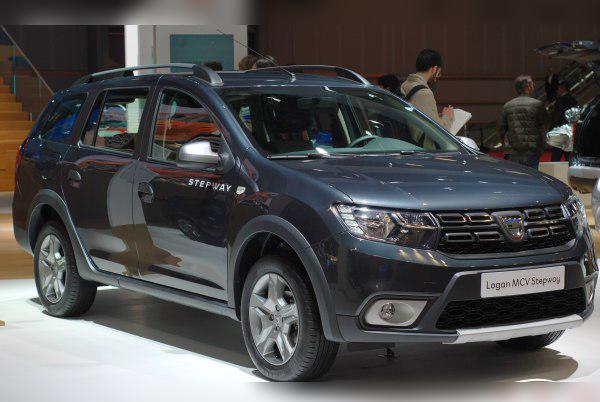
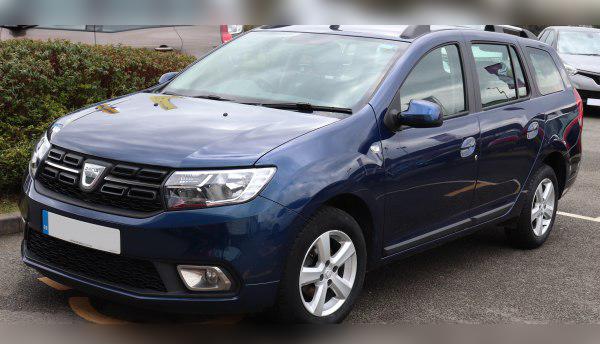
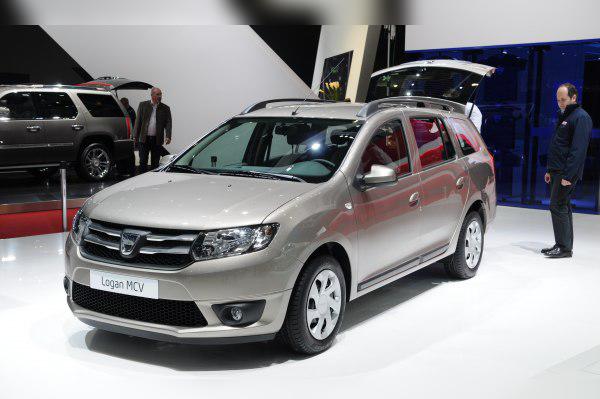
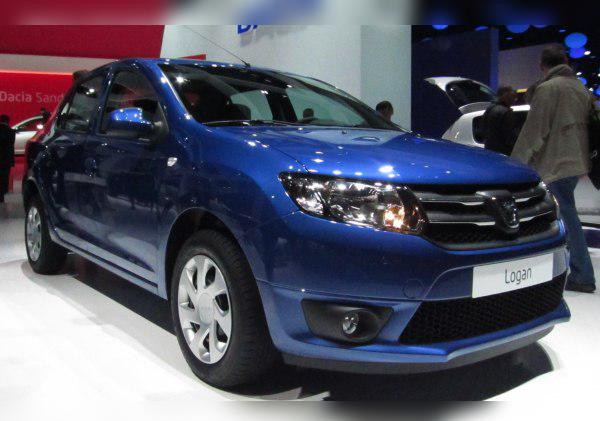
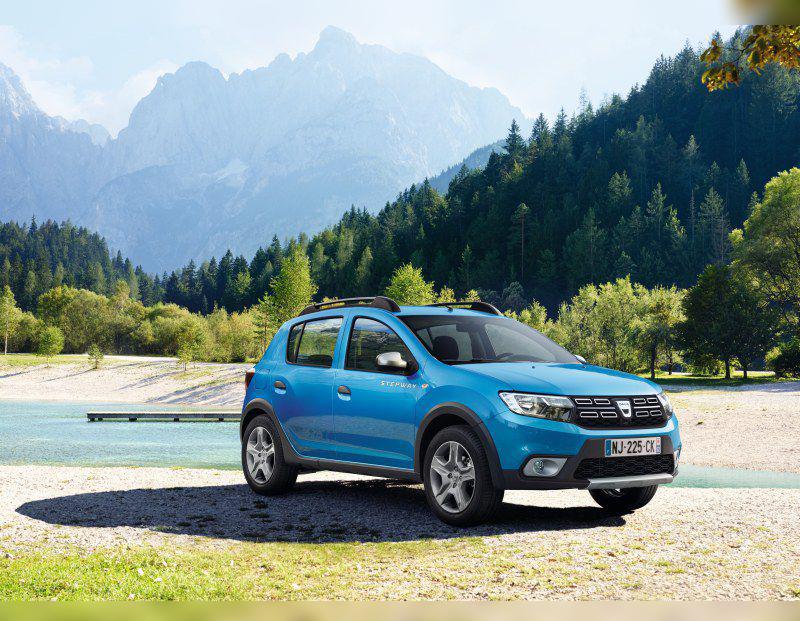
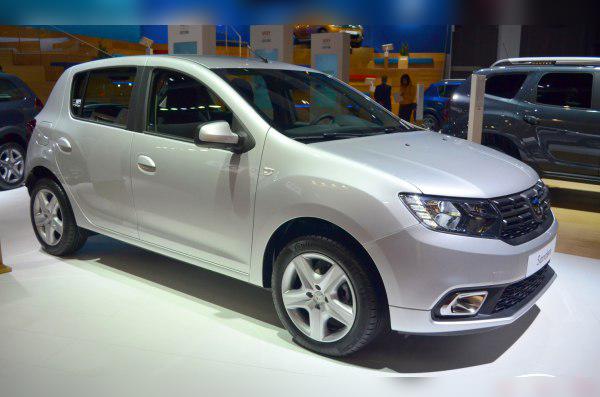
When someone mentions the 1.5 dCi, many drivers think of the first generations of this engine that had issues with high-pressure pumps and crankshaft bearings. However, the K9K 626 version with 66 kW (90 HP) represents an evolution that has long since outgrown those “childhood diseases”. Installed in hit models such as the Dacia Logan II, Sandero II and their more spacious MCV and Stepway variants (especially after the 2016/2017 facelift), this engine meets Euro 6 emissions standards (FAP/DPF) and comes with Start&Stop technology. It is important because it forms the backbone of the engine range for drivers who want maximum reliability and low running costs, without any pretensions toward sporty performance.
Technical specifications
| Parameter | Data |
|---|---|
| Displacement | 1461 cc |
| Power | 66 kW (90 HP) |
| Torque | 220 Nm |
| Engine code | K9K 626 |
| Injection type | Common Rail direct injection |
| Charging system | Turbocharger with intercooler |
Reliability and maintenance
Timing belt or chain?
The K9K 626 engine uses a timing belt for valve timing. This is Renault’s traditional and proven solution. Although the belt needs to be replaced more often than a chain, the engine runs more quietly and the replacement cost is predictable.
Most common failures
The main issues with this engine are not mechanical (the block and crankshaft are extremely durable), but are related to emissions systems and peripheral components. EGR valve fouling and DPF filter clogging often occur due to frequent stop‑and‑go city driving. Symptoms include loss of power, the “Check Engine” light coming on, and the car going into “Safe mode” (limited revs). Slight oil sweating at intercooler hose joints is also known; this is more of a cosmetic than a serious mechanical problem, but it should be monitored.
Service intervals
The major service (replacement of timing belt, tensioner, idler pulleys and water pump) is typically done every 80,000 to 100,000 km or every 5 years, whichever comes first. Factory intervals are often more optimistic, but experienced mechanics recommend this mileage for safety. As for the minor service, the engine takes about 4.4 to 4.5 litres of oil. Because of the DPF filter, it is mandatory to use synthetic oil that meets the RN0720 specification, usually in 5W-30 grade (Low SAPS).
Oil consumption and injector condition
When in good condition, this engine consumes a minimal amount of oil. A loss of about 0.5 litres between two services (over 10,000 – 15,000 km) is considered completely normal. If the engine consumes significantly more, the problem usually lies in a worn turbocharger or piston rings.
Regarding the injectors, this K9K uses a more modern Common Rail system. The injectors have proven to be very robust and easily last over 200,000 to 250,000 km. They are sensitive only to poor diesel quality and irregular fuel filter changes. Symptoms of bad injectors include hard starting, rough idle, increased fuel consumption and black or grey smoke from the exhaust.
Specific parts and costs
Dual-mass flywheel and clutch
This is one of the best pieces of news for buyers: Dacia models with the K9K 626 (90 HP) engine do not have a dual-mass flywheel (they use a solid flywheel). This drastically reduces maintenance costs, as replacing the clutch kit is noticeably cheaper than on more powerful 110 HP diesels (depending on the market: the cost is in the cheap/not expensive range).
Turbocharger and emissions systems
The engine has a single turbocharger with fixed or variable geometry (depending on the sub‑version, but generally a robust design). The turbo’s lifespan is long if you change the oil regularly and let the engine idle for about 30 seconds after more spirited driving.
This model has a DPF filter and an EGR valve. As mentioned, the DPF is a frequent victim of slow city driving.
AdBlue system (SCR): Most K9K 626 engines in these generations up to 2018 relied on LNT catalysts and a DPF (FAP) to meet Euro 6b standards and do not have an AdBlue system. AdBlue (Blue dCi) became standard only in later iterations (e.g. 95 HP engines). This is a huge plus, as you avoid failures of pumps and sensors in the AdBlue tank, which can be very expensive.
Fuel consumption and performance
Real-world fuel consumption
If you are looking for a frugal car, you are in the right place. Real‑world city fuel consumption ranges between 5.0 and 6.0 l/100 km. On open roads it can drop to an incredible 3.5 – 4.0 l/100 km.
Performance relative to body style
With 220 Nm of torque, the engine is by no means “sluggish” for the Sandero or Logan, which are relatively light cars (around 1100 kg). It is elastic and pulls well from low revs, making it pleasant to drive. Of course, when you load an MCV estate with five people and a full boot, you will have to plan your overtaking manoeuvres more carefully.
Behaviour on the motorway
Because of the 5‑speed manual gearbox, the gear ratios are somewhat shorter. At 130 km/h, the engine runs at about 2500 to 2700 rpm. Under these conditions, fuel consumption rises to around 6.0 – 6.5 l/100 km, and in the cabin (which in a Dacia does not have top‑class sound insulation) it becomes noticeably noisier.
Additional options and modifications
Due to its proven robustness, the K9K can be safely chipped (Stage 1 remap). Power can be easily raised from 90 HP to about 110 to 115 HP, while torque increases from 220 Nm to 250–260 Nm. This modification will greatly improve motorway driving and overtaking. However, keep in mind that the higher torque puts additional stress on the clutch kit.
Gearbox and drivetrain
Manual and automatic (Easy-R) gearboxes
This engine usually comes with a 5‑speed manual gearbox. It is very reliable, but can sometimes feel a bit vague (rubbery) during fast shifts, which is characteristic of Dacia models. It is recommended to change the gearbox oil every 60,000 km.
As an automatic option, there is the Easy-R robotised gearbox (often marked as such in the equipment list). It is very important to know: this is not a conventional automatic gearbox with a torque converter, but a manual gearbox with an electro‑mechanical robot that operates the clutch and shifts gears instead of you.
Easy-R gearbox failures and issues: Its downside is “jerkiness” when moving off, especially when the system is cold or when the clutch disc is partially worn. In city driving this gearbox wears out the clutch noticeably faster than an average driver with a manual. Calibration (software adaptation of the clutch) can temporarily solve the jerking issue, but frequent clutch kit replacement is inevitable. The maintenance cost of the Easy-R gearbox can be unexpectedly high (depending on the market: actuator repairs are expensive).
Buying used and conclusion
What exactly to check before buying?
- Noise on cold start: Listen to whether the engine settles into a smooth idle immediately. Loud rattling or misfiring can indicate a problematic injector or glow plug.
- Exhaust smoke: Blue smoke indicates oil burning (turbocharger/piston ring issues), black smoke points to an intake leak (hoses) or an EGR valve problem, while constant white smoke (when the engine is hot) suggests coolant entering the combustion chamber.
- Diagnostics: Always connect the car to an OBD scanner. Check the “ash mass” parameter in the DPF filter and the injector correction values.
- Easy-R gearbox behaviour: If you are buying the robotised version, test moving off on an uphill and look for any hesitation or strong jerking of the whole car.
Final conclusion
Dacia models powered by the 1.5 dCi 90 (K9K 626) engine are one of the most sensible choices for families, taxi drivers and fleet vehicles. The engine is extremely economical, durable and free of the old issues. Since these models do not have a dual‑mass flywheel and (in most cases) do not use a complex AdBlue system, potential hits to your wallet are kept to a minimum. The biggest enemy of this car is exclusively short city driving because of the exhaust after‑treatment system. If you are looking for luxury and high performance – look elsewhere. If you want an honest workhorse that sips fuel “like a lighter” – you can’t go wrong with the manual version of this engine.