Engine 1.5 dCi 110 HP (K9K 656): Experiences, problems, fuel consumption and used car buying guide
Key points (TL;DR)
- Extremely low fuel consumption: One of the most economical diesel engines on the market, with city consumption around 6 l/100 km.
- Improved injection system: Unlike early dCi engines, the 110 HP version uses reliable Continental (Siemens) injectors that rarely cause issues.
- Timing belt: The engine uses a timing belt, and the major service is not very expensive (depends on the market).
- Dual-mass flywheel: Present in this power version, which increases the cost of clutch kit replacement compared to weaker dCi engines.
- DPF and EGR: The DPF system is very well designed, but the EGR valve requires regular cleaning if the car is driven mostly in the city.
- No AdBlue system: Most K9K 656 engines do not have the problematic AdBlue system, which is a huge advantage for long-term reliability.
- EDC gearbox: Dual-clutch automatic gearboxes require careful inspection when buying due to potential expensive failures.
Contents
- Introduction: About the K9K 656 engine
- Technical specifications
- Reliability and maintenance
- Specific parts and costs
- Fuel consumption and performance
- Additional options and modifications
- Gearboxes and maintenance
- Buying used and conclusion
Introduction: About the K9K 656 engine
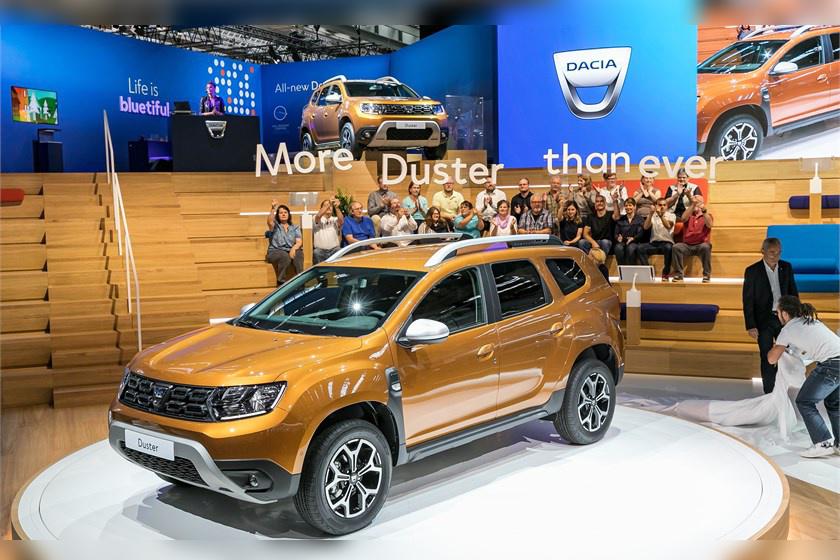
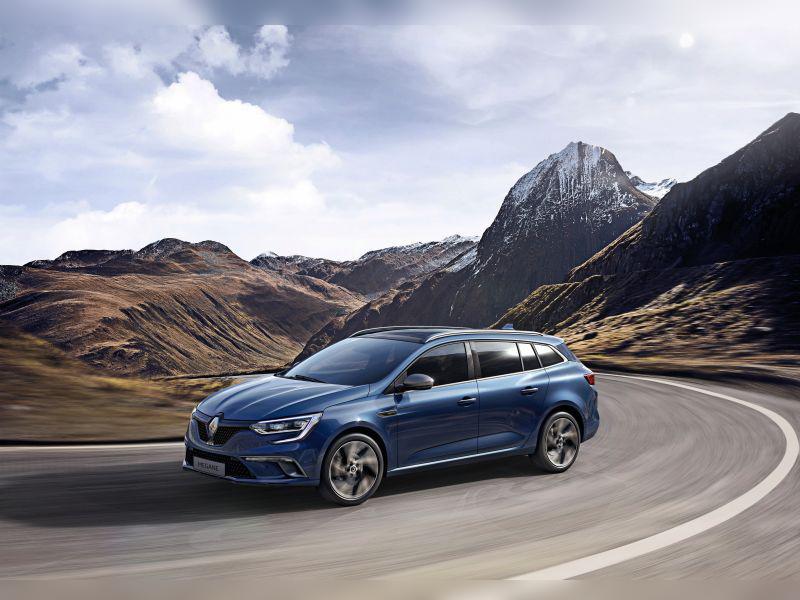
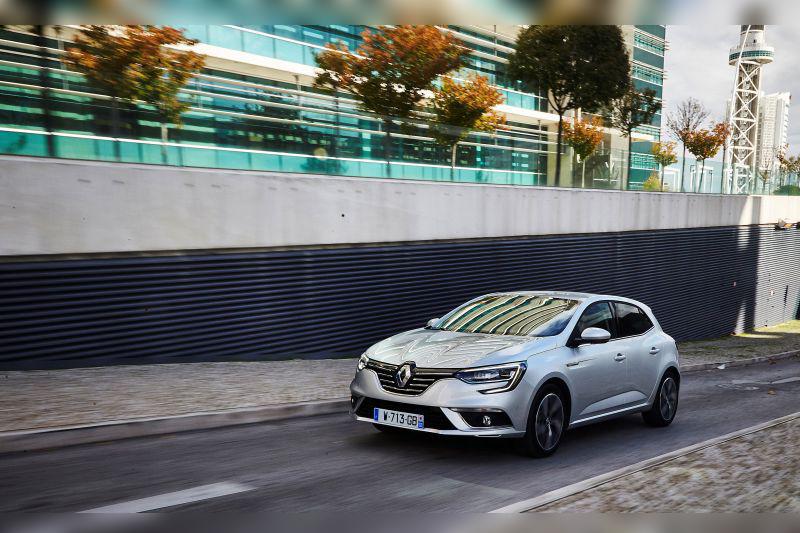
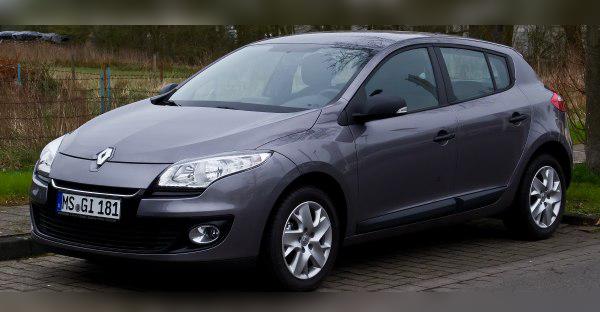
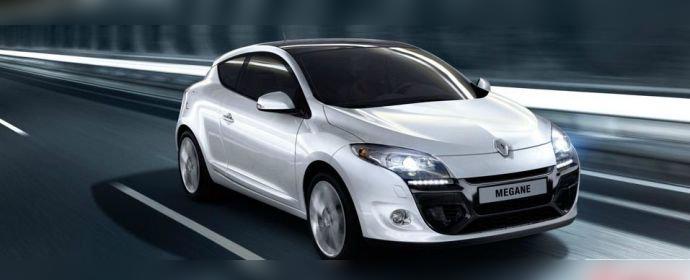
When someone mentions the 1.5 dCi, drivers’ opinions are often divided because of the problems with the early generations from the early 2000s. However, the engine with the code K9K 656, which delivers 81 kW (110 HP), represents the culmination of the evolution of this French powerplant. This is the so‑called “Energy” (or ECO2) generation of engines that was installed in popular models such as the Renault Megane III and IV, as well as the robust Dacia Duster II.
This engine is extremely important because it offers a perfect balance between performance and efficiency, and the engineers have successfully eliminated the “childhood diseases” such as failing crankshaft big-end bearings and sensitive Delphi high-pressure pumps. Today it is considered one of the most reliable small-displacement diesels on the European market.
Technical specifications
| Specification | Data |
|---|---|
| Displacement | 1461 cc |
| Power | 81 kW (110 HP) |
| Torque | 240 Nm |
| Engine code | K9K 656 (Energy dCi) |
| Injection type | Common Rail (Continental/Siemens Piezo) |
| Intake type | Turbocharger with variable geometry, intercooler |
| Fuel type | Diesel |
Reliability and maintenance
The K9K 656 engine uses a timing belt to drive the camshaft, not a chain. Official intervals for the major service often go up to 150,000 km, but based on practice and the experience of long‑time mechanics, the strict recommendation is to replace the timing kit, water pump and tensioners no later than at 100,000 to 120,000 km or every 5 years. A snapped belt leads to valve‑piston contact, which results in catastrophic engine damage that is very expensive to repair (depends on the market).
As for lubrication, this engine takes exactly 4.5 liters of engine oil. It is mandatory to use synthetic oil with a 5W‑30 grade that meets the Renault RN0720 specification (Low SAPS oil). This is crucial for preserving the DPF filter. This engine is not prone to oil consumption; around 0.3 to 0.5 liters between two services (every 10,000 – 15,000 km) is considered normal. If the engine suddenly starts losing oil, the problem usually lies in a worn turbocharger or leaks on the crankshaft oil seals.
When it comes to the most common failures, the mechanical part of the engine is extremely durable. Most issues come down to peripheral components: exhaust gas pressure sensors, soot build‑up on the throttle body and EGR valve. The injectors on this 110 HP version are significantly higher quality (Continental) and can easily last over 250,000 to 300,000 km with regular fuel filter changes and good‑quality diesel. Signs of worn injectors include rough idle, increased black smoke when accelerating and harder cold starts in winter.
Specific parts and costs
One of the most common questions from drivers is whether this engine has a dual‑mass flywheel. The answer is: yes. Unlike weaker versions (e.g. 90 HP), the 110 HP version with 240 Nm of torque requires a dual‑mass flywheel to dampen vibrations. Its typical lifespan is around 180,000 – 200,000 km. Replacing the entire clutch kit with the flywheel is quite expensive (depends on the market), and symptoms that it needs replacement include shuddering when taking off and rattling at idle.
The engine is equipped with a turbocharger with variable geometry (VGT). The turbine’s lifespan is excellent and often matches the life of the engine itself, provided you don’t switch the engine off immediately when it’s hot after highway driving and that you change the oil regularly. Turbo whine or loss of power (entering “limp mode”) indicate a problem with sticking variable-geometry vanes due to soot deposits.
DPF filter and EGR valve are standard parts of the emissions equipment. Renault has one of the better DPF regeneration systems (it often uses an additional, fifth injector in the exhaust on some sub‑variants), so the DPF rarely clogs to the point where it has to be removed. However, exclusive city driving guarantees clogging of the EGR valve.
Good news for used‑car buyers: in the vast majority of cases the K9K 656 engine does not have an SCR system and does not use AdBlue. It relies solely on the DPF and exhaust gas recirculation to meet Euro 5 and Euro 6b standards. Only later “Blue dCi” versions (from 115 HP upwards) introduce AdBlue, which is known for expensive pump and tank failures. The absence of an AdBlue system on the 110 HP version is a huge plus in terms of maintenance.
Fuel consumption and performance
The main trump card of the 1.5 dCi engine is its frugality. Real‑world city fuel consumption for models like the Megane IV ranges between 5.5 and 6.5 l/100 km, depending on how heavy your right foot is and on traffic conditions. On open roads, consumption can drop below 4.5 l/100 km.
Is the engine “lazy”? In Renault Megane models (hatchback and estate), 110 HP and 240 Nm is more than adequate for everyday driving and even overtaking. However, in the case of the Dacia Duster, due to poorer aerodynamics and vehicle weight, the engine can feel slightly sluggish at higher speeds under full load. Dacia compensates for this with very short gear ratios, so the Duster feels lively at lower speeds.
On the motorway, at a speed of 130 km/h in sixth gear, the engine cruises at a very pleasant 2,500 to 2,600 rpm (depending on the gearbox and model). Sound insulation in the Megane IV is excellent, so the engine is not noisy, while in the Duster you can hear much more wind noise and engine sound.
Additional options and modifications
Since this is a proven engine that has been on the market for years, tuners know it very well. A safe “chip tuning” (Stage 1) software remap raises the power from 110 HP to about 130 to 135 HP, while torque increases from 240 Nm to about 280 to 290 Nm. This modification is safe for the engine components, but it requires more careful driving to avoid premature wear of the dual‑mass flywheel and clutch disc.
Gearboxes and maintenance
The K9K 656 engine is paired with two types of gearboxes: a 6‑speed manual and a 6‑speed EDC (Efficient Dual Clutch) automatic gearbox.
The manual gearbox is extremely reliable and rarely suffers mechanical failures. It is recommended to change the gearbox oil at around 100,000 km, even though the manufacturer does not require it. The biggest cost here, as mentioned, remains the replacement of the dual‑mass flywheel and clutch kit.
The EDC gearbox (produced by Getrag) is an automatic with a dry dual clutch. It shifts quickly and reduces fuel consumption, but requires more expensive maintenance. The most common EDC failures at mileages over 150,000 km include wear of the dry clutch set (symptom: juddering when taking off, especially uphill) and problems with the TCM module (transmission control module), which can overheat in heavy city traffic. Repairing the automatic gearbox is very expensive (depends on the market). If you are buying a used car with an EDC gearbox, an oil change in the gearbox is mandatory every 60,000 km to ensure proper operation of the actuators.
Buying used and conclusion
When buying a used car with the 1.5 dCi 110 HP engine, pay attention to the following:
- Cold start: The engine should start “on half a turn” without harsh metallic noises (rattling may indicate a problem with the flywheel or injectors).
- Exhaust condition: Put your finger inside the tailpipe (when the car is off and cold). The inside should be relatively clean. If the exhaust is completely black and oily, the DPF filter has been punctured or removed, and the engine is probably burning oil.
- Diagnostics: Reading injector operating parameters and the DPF filter clogging percentage (ash content) is mandatory before purchase.
- Suspension and steering: The Megane IV has a more massive front suspension; listen for knocking noises over bumps.
Conclusion
The 1.5 dCi K9K 656 (110 HP) engine is an absolute recommendation. Who is it for? It is intended for drivers looking for an economical car for longer trips and everyday use, with low registration and fuel costs. It is free from AdBlue issues, has excellent injectors and a very well‑balanced DPF system. If you find a regularly maintained example with a manual gearbox, you can expect hundreds of thousands of kilometers of carefree driving. As for EDC automatics, they are worth the money only if there is proper documentation of regular gearbox oil changes and any clutch replacements.