Engine K9K 872 (1.5 Blue dCi 95 HP): Experiences, problems, fuel consumption and used car buying guide
Most important in short (TL;DR):
- Exceptional efficiency: City fuel consumption rarely goes above 6 l/100 km.
- AdBlue system as the main downside: The most common and most expensive issues are related to fluid crystallization and failures of the in-tank pump.
- Mechanically "indestructible": Crankshaft, pistons and engine block can cover huge mileage with regular maintenance.
- Injectors and turbo: Significantly more reliable than on earlier generations of the 1.5 dCi engine.
- Timing belt: The engine uses a belt; the major service must be done on time.
- Dual‑mass flywheel: Presence depends on the model and body weight (Dacia vs Renault).
- Ideal for: Drivers who cover a lot of miles, commercial vehicles and reducing running costs.
Contents
- Introduction and engine significance
- Technical specifications
- Reliability and maintenance
- Specific parts and failures
- Fuel consumption and performance
- Additional options and remapping
- Gearbox and drivetrain
- Buying used and conclusion
Introduction and engine significance
When the Renault-Nissan alliance is mentioned, the first association is the famous 1.5 dCi engine. The designation K9K 872 refers to the newer iterations of this unit, commercially known as Blue dCi, developed to meet strict Euro 6d-Temp standards on the European market. With its 70 kW (95 HP), this engine represents the golden middle ground – it replaced the older 90 HP versions, offering slightly better torque and more refined operation.
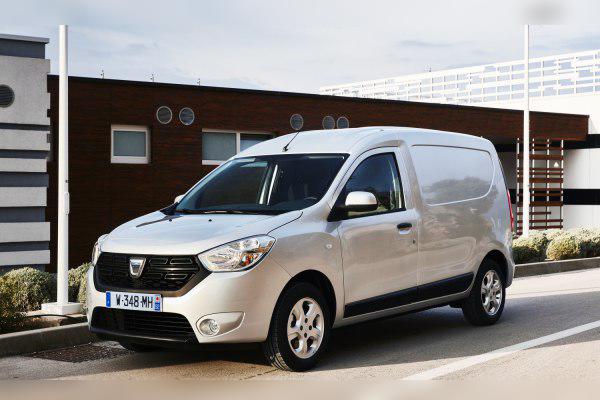
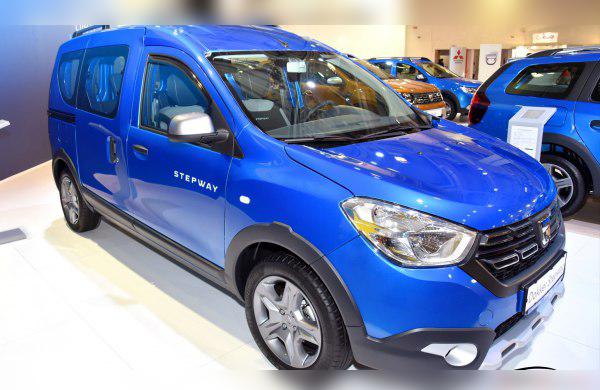
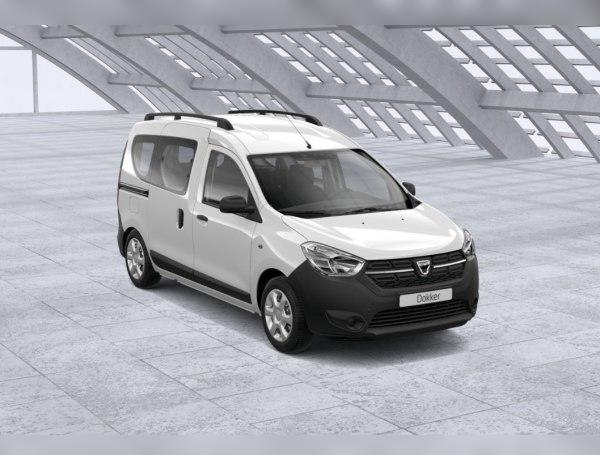
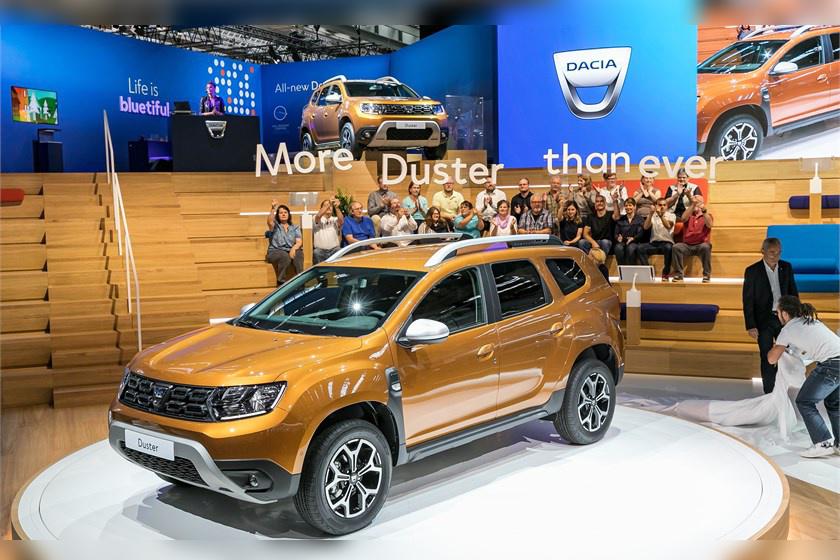
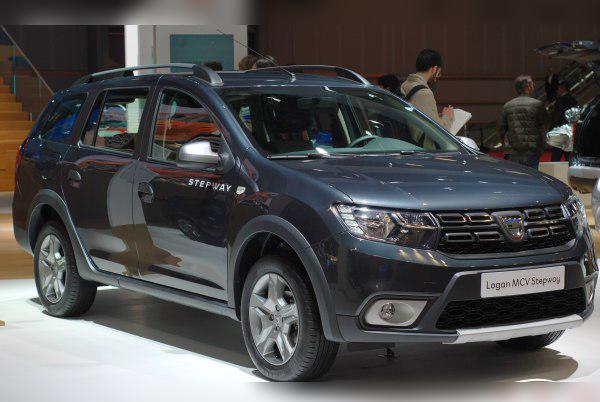
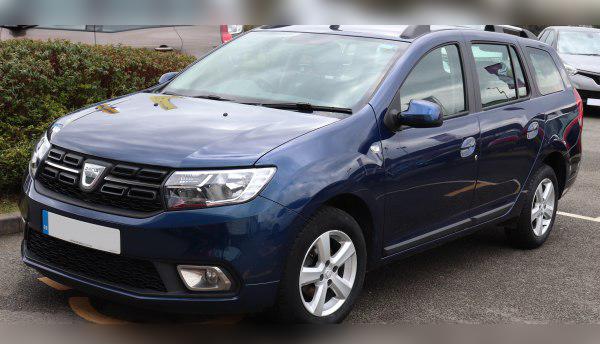
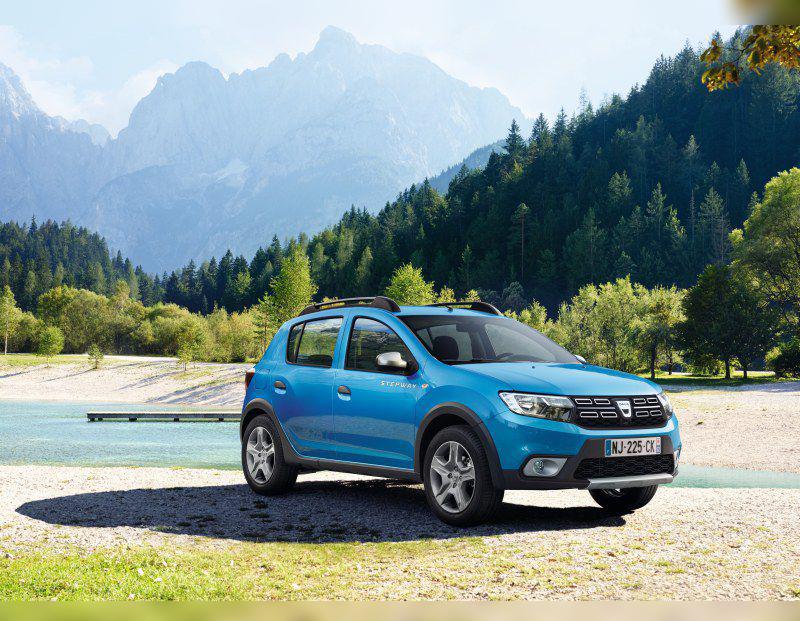
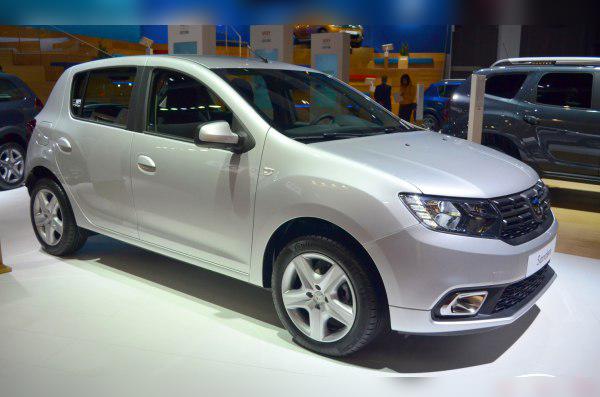
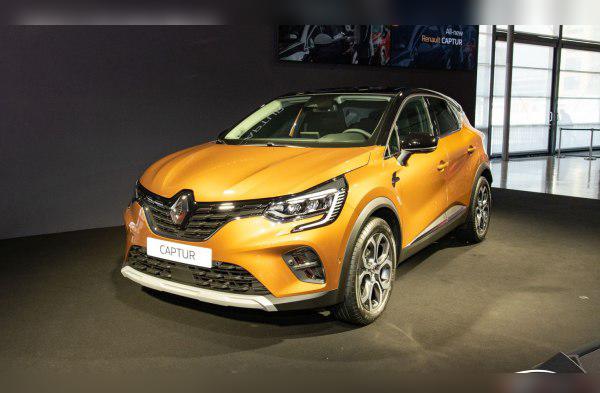
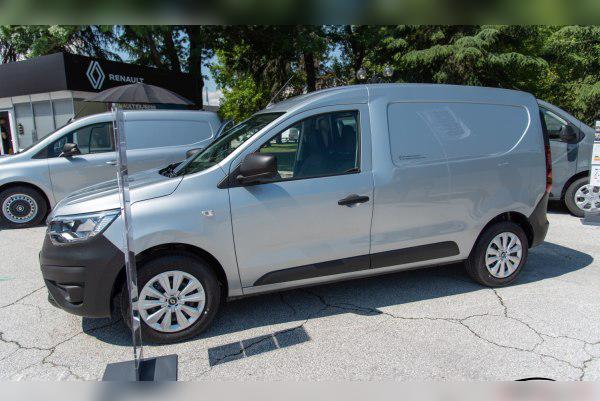
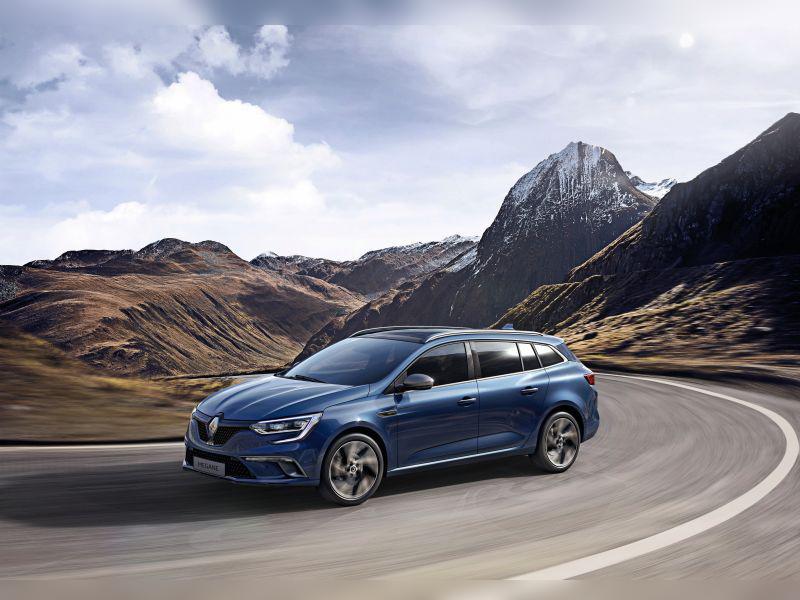
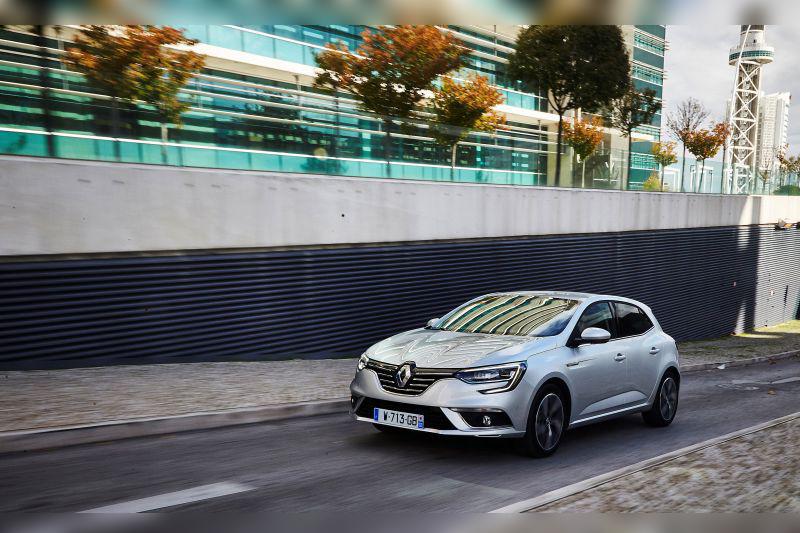
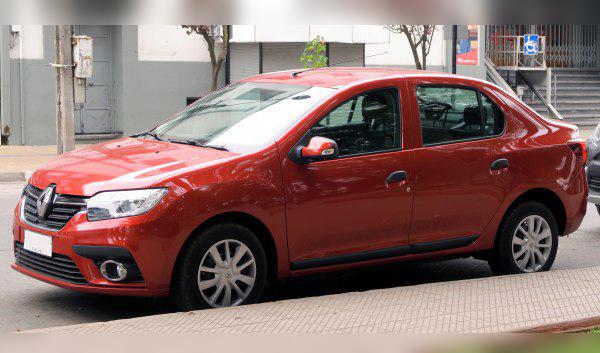
This unit is a true workhorse. It has been installed in a wide range of vehicles, from city runabouts like the Dacia Sandero and Renault Symbol, through family cruisers such as the Renault Megane IV, all the way to commercial and utility vehicles like the Dacia Dokker, Express Van and Duster. Its main mission is clear: to move passengers or cargo from point A to point B at minimal cost.
Technical specifications
| Parameter | Specification |
|---|---|
| Displacement | 1461 cc |
| Power | 70 kW (95 HP) |
| Torque | 220 Nm |
| Engine code | K9K 872 (Part of the K9K Gen 8 / Blue dCi family) |
| Injection type | Common Rail (Direct injection) |
| Aspiration | Turbocharger (VGT), intercooler |
Reliability and maintenance
The basis of the K9K engine is well known to mechanics all over the world. Unlike some competing solutions, this engine uses a timing belt for the valvetrain, not a chain. Although the manufacturer in some manuals states replacement intervals of up to 150,000 km, practice and experienced mechanics suggest that the major service should be done at 100,000 to 120,000 km or every 5 years. A snapped belt leads to severe engine damage, valve-to-piston contact, and very expensive repairs (depending on the market).
As for lubrication, this engine takes about 4.5 to 4.8 liters of oil. Due to the presence of a DPF filter, it is absolutely mandatory to use synthetic oil that meets the Renault RN17 specification (mostly 5W-30 grade, Low SAPS). The engine is not known as an “oil burner”. A loss of about 0.2 to 0.5 liters between two services (at 10,000 - 15,000 km) is considered completely normal. If the engine requires topping up more than one liter, the problem usually lies in worn piston rings, valve stem seals or oil leakage at the turbocharger shaft.
Regarding the injectors, early generations of the 1.5 dCi engine (with the Delphi system) had severe issues with metal shavings, but the K9K 872 uses modern and very reliable Common Rail systems. These injectors can easily last over 250,000 km when quality Euro diesel is used. Symptoms of worn injectors include rough idle (shuddering), black smoke under hard acceleration, difficult cold starts in winter and increased fuel consumption.
Specific parts and failures
AdBlue system (SCR)
The biggest weakness of Blue dCi engines is the AdBlue system. To meet emissions standards, the engine injects urea into the exhaust. Unfortunately, the AdBlue tank, the pump integrated into it and the injector nozzle itself often cause problems. The fluid tends to crystallize, especially in winter at temperatures below -11 °C, which blocks the pump and sensors. The symptom is a warning light on the dashboard that starts counting down the remaining distance (e.g. "No engine start in 800 km"). Repair or replacement of the entire tank is very expensive (depending on the market). Maintenance involves regularly filling with fresh AdBlue and using special additives that prevent crystallization.
Turbocharger and DPF/EGR
The engine has a single turbocharger with variable geometry (VGT). Its lifespan is excellent and it often lasts the entire life of the car if the oil is changed on time and the engine is not switched off “hot” immediately after aggressive highway driving. Symptoms of a failing turbo include a whistling noise (ambulance siren sound), loss of power (entering “limp mode”) and bluish smoke from the exhaust.
EGR valve and DPF filter are standard equipment. In vehicles driven mostly in the city (such as Dacia Logan taxis or courier Dokker vans), the EGR valve quickly fills with soot, which chokes the engine. The DPF filter is fairly robust, but it requires occasional open-road driving above 2500 rpm (at least 20–30 minutes) in order to successfully complete regeneration.
Fuel consumption and performance
If you are looking for a race car, this is the wrong engine. But if you are looking for frugality, the K9K 872 excels. Real-world city consumption ranges between 5.5 and 6.5 l/100 km, depending on how heavy your right foot is and traffic conditions. On country roads it easily drops below 4.5 l/100 km.
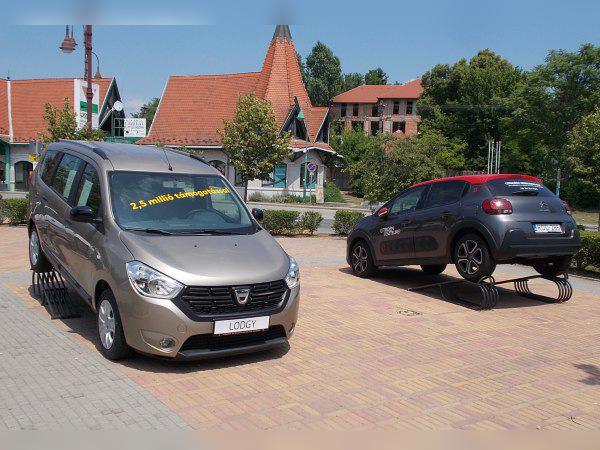
Is the engine “lazy”? That depends on what it is installed in. In light cars such as the Dacia Sandero or Renault Clio/Symbol, 95 HP and 220 Nm provide very brisk city acceleration. However, in a seven-seat Dacia Lodgy or a fully loaded Dacia Dokker van, the engine shows signs of lacking power when overtaking uphill and requires more frequent downshifts.
On the motorway, at 130 km/h, the engine cruises at about 2400 to 2600 rpm (depending on gearbox ratios). Cabin sound insulation varies (in the Duster and Sandero the engine noise is much more noticeable than in the Megane), but the unit itself is not overly stressed at these speeds.
Additional options and modifications
Due to factory restrictions and emissions regulations, the engine feels more strangled than it really is. Many owners opt for a “chip tune” (Stage 1 remap). This engine can safely be taken to around 115 to 120 HP, with torque increased to about 260 Nm. Because it shares many mechanical components with the more powerful 115 HP Blue dCi versions, the block and turbo can handle this power without shortening their lifespan, provided that the clutch and DPF filter are in perfect condition.
Gearbox and drivetrain
The 95 HP version is most commonly paired with 5- or 6-speed manual gearboxes (JR5 and TL4 series). Dual-clutch automatic gearboxes (EDC - Efficient Dual Clutch) are extremely rare in combination with 95 HP; they are mostly reserved for more powerful engines in the Renault range.
As for the dual-mass flywheel, there is no universal rule. Light vehicles (Dacia Sandero, Logan, Renault Symbol) mostly use a solid flywheel, which means that clutch replacement (pressure plate, disc, release bearing) is relatively affordable, not expensive (depending on the market). On the other hand, heavier vehicles (Renault Megane IV, Dacia Duster II) may have a dual-mass flywheel to neutralize vibrations of the heavier chassis. In that case, repairs are significantly more expensive, in the range of: expensive (depending on the market). If you are not sure, this is one of those items where the rule is: It depends / It cannot be said 100% without the engine code and checking by VIN.
The most common failures of the manual gearbox are minor and mostly come down to difficulty engaging gears in winter due to worn selector cables. Although many manufacturers claim that the oil in a manual gearbox is “lifetime fill”, any good mechanic will tell you that gearbox oil should be changed every 100,000 km to prevent synchro wear.
Buying used and conclusion
When buying a used car with the 1.5 Blue dCi (95 HP) engine, focus on the following:
- Diagnostics are mandatory: It is not enough that the “Check Engine” light is off. Check DPF saturation in grams via diagnostics and look for a fault history related to pressure loss in the AdBlue system.
- Cold start: The engine must start “on half a turn” without harsh metallic knocks or clouds of blue/white smoke from the exhaust, which would indicate bad glow plugs or injectors.
- Suspension and interior condition: Since these engines are often installed in commercial (“Van”) vehicles and fleets, mileage can be astronomical, so checking the general wear of interior materials is the best indicator of odometer tampering.
Conclusion: The K9K 872 is a fantastic choice for taxi drivers, sales reps and families who cover high annual mileage (over 20,000 km). Low fuel consumption and cheap basic parts are its biggest advantages. However, if you plan to drive the car exclusively on short commutes to work in dense city traffic, be careful – problems with the AdBlue system and DPF filter could wipe out all the savings you made on cheap fuel.