Renault 2.3 dCi (M9T) 135 HP – Experiences, Problems, Fuel Consumption and Used-Buying Guide
- Strong and flexible: Twin-Turbo technology provides excellent pull from low revs, even under full load.
- Chain-driven timing: The engine uses a timing chain, which reduces worries about the classic “major service”, but does require inspection at higher mileage.
- Sensitive to city driving: The DPF filter and EGR valve fail quickly in stop‑and‑go conditions.
- Expensive charging system: The presence of two turbochargers doubles the costs in case of failure.
- AdBlue issues: Newer versions of this engine (Phase III) have a finicky SCR system that requires attention.
- Gearboxes: Manual gearboxes are reliable, but synchros tend to suffer from rough handling.
Contents
- Introduction to the M9T engine
- Technical specifications
- Reliability and maintenance
- Specific parts and costs
- Fuel consumption and performance
- Additional options and modifications
- Gearbox and clutch
- Buying used and conclusion
Introduction to the M9T engine
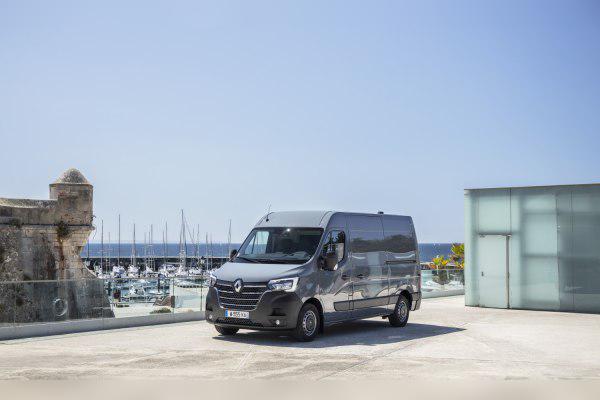
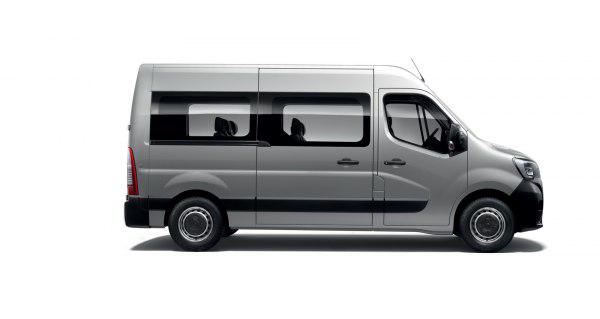
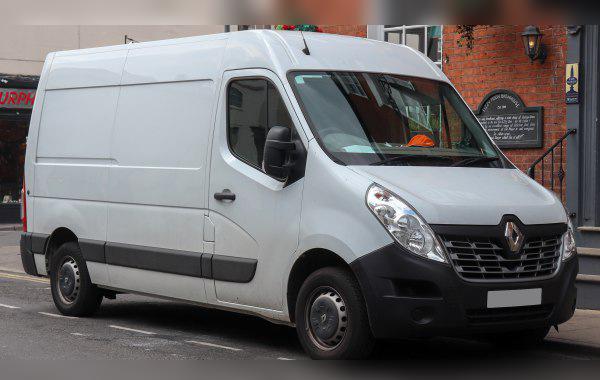
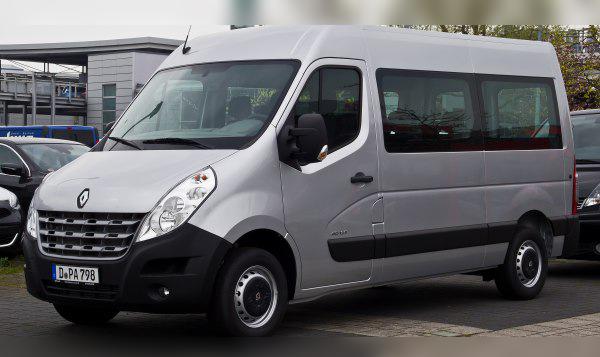
The engine designated as M9T, commercially known as the 2.3 dCi, is the backbone of the light commercial vehicle range of the Renault-Nissan group, primarily in the Renault Master III (Phase II and Phase III). It was designed to be a “workhorse” – built for heavy loads, long distances and towing. The version with 135 HP (99 kW) and a Twin-Turbo system is the sweet spot in the range: it offers significantly better flexibility than the basic single-turbo versions, while being less stressed than the most powerful variants. You can find this engine in various chassis configurations (L1 to L3, H1 to H3), whether in panel van, crew van or passenger minibus versions.
Technical specifications
| Parameter | Specification |
|---|---|
| Engine displacement | 2298 cc |
| Power | 99 kW (135 HP) |
| Torque | 340 Nm |
| Engine code | M9T |
| Injection type | Common Rail Direct Injection |
| Turbo/Naturally aspirated | Twin-Turbo (Two turbochargers) with intercooler |
Reliability and Maintenance
Timing belt or chain?
This engine uses a timing chain. This is good news for owners because in theory there is no strict replacement interval as with a timing belt. However, in practice, after 250,000 to 300,000 km the chain tends to stretch and the guides wear out, especially if oil change intervals were too long (a common issue with fleet vehicles). A stretched chain is indicated by a metallic rattling noise at the first cold start of the day.
Most common failures
The M9T is mechanically robust at its core (the block and crankshaft are extremely strong), but the peripherals cause headaches. The most common problems include oil leaks at the oil cooler (mixing oil and coolant), cracking of plastic intercooler pipes, as well as clogging of the EGR valve and DPF filter due to exclusively city driving. In addition, the exhaust pressure sensor electronics often tend to throw false error codes on the dashboard.
Service intervals and engine oil
Since the engine has a chain, a “major service” in the classic sense (where everything is replaced) is not done at a fixed interval; instead, the condition of the timing system is checked. However, the auxiliary drive belt (serpentine belt), tensioners, idlers and water pump should be replaced at around 120,000 – 150,000 km.
The sump of this engine holds a serious amount of oil – as much as 8.0 to 8.9 litres, depending on the exact sump variation and engine angle. Only fully synthetic 5W-30 oil that meets Renault’s RN0720 specification is recommended (low-ash oil, vital for the DPF filter). Minor services must be done every 15,000 km at most, or once a year, ignoring the factory “LongLife” recommendations of 30,000 km.
Oil consumption and injectors
Mild oil consumption is normal. Up to 0.5 litres per 10,000 km is considered completely acceptable for heavy commercial vehicles. If it consumes more than that, the likely culprits are piston rings or turbocharger seals. As for the injectors, the Common Rail system is very reliable. Injectors usually last over 250,000 km without any issues. When they start to fail, the driver will notice rough idling, increased fuel consumption, black smoke from the exhaust and harder cold starts in winter.
Specific Parts (Costs)
Dual-mass flywheel and clutch
Yes, this engine comes equipped with a dual-mass flywheel (DMF). Its role is to dampen the strong torque shocks transmitted to the gearbox and crankshaft. Due to the weight that the Master hauls, the flywheel is under enormous stress. Symptoms of wear include vibrations when taking off, jolts when switching the engine off and clutch pedal shudder. A clutch kit with dual-mass flywheel falls into the category: very expensive (Depends on the market).
Injection system and Twin-Turbo technology
The injection system is top-notch, but what makes this engine special (and more expensive to maintain) is the Twin-Turbo system. Unlike a Bi-Turbo setup where the turbochargers are identical, here we have one small turbo (for quick response at low revs) and one large one (for power at higher revs). Their lifespan is around 200,000 – 250,000 km. Due to the complexity of the valve system that directs exhaust gases between the two turbochargers, overhauling or replacing both units is: very expensive (Depends on the market).
Emissions: DPF, EGR and AdBlue
This model, especially Phase II and III, is strictly equipped with a EGR valve and DPF filter. If you use the van exclusively as a courier vehicle in the city, the DPF will clog quickly because the engine does not reach the temperature needed for regeneration. The symptom is going into limp mode (loss of power and an illuminated Check Engine light).
Phase III versions (from 2019 onwards) meet Euro 6d-Temp standards and have an AdBlue (SCR) system. This system causes serious problems in winter because the fluid crystallises at low temperatures (below -11 °C), which destroys the pump and heater in the tank. Maintenance involves regularly topping up AdBlue and occasionally adding anti-crystallisation additives. Replacing the pump module is: expensive (Depends on the market).
Fuel Consumption and Performance
Real-world consumption and city agility
In heavy stop‑and‑go city driving under load, real-world fuel consumption ranges from 10.5 to 12.5 l/100 km. Thanks to the small turbocharger in the Twin-Turbo system, the engine is anything but “lazy”. It responds very well from as low as 1,400 rpm, which makes it easier to weave through city traffic without forcing the driver to abuse the clutch.
Behaviour on the motorway
The Master III is a big box with serious aerodynamic drag (especially with H2 and H3 roof heights). On the motorway at 130 km/h, fuel consumption rises and easily exceeds 11 l/100 km. At this speed in sixth gear, the engine cruises at around 2,600 to 2,800 rpm (depending on the differential ratio, given that there are both front‑ and rear‑wheel drive versions). The engine has enough power in reserve for overtaking even under load.
Additional Options and Modifications
Since 135 HP sits in the middle of the range (there are versions with over 160 HP from the same block), this engine is an excellent candidate for Stage 1 remapping (chiptuning). Power can safely be raised to around 165 HP, and torque to an impressive 390 to 400 Nm. However, only do this if your clutch is in perfect condition, because the drastically increased torque will first “kill” the dual-mass flywheel.
Gearbox
Types of gearboxes and failures
This engine is most commonly paired with a 6-speed manual gearbox (often from the PF6 series) or, more rarely, with a robotised automated gearbox (Quickshift).
In the manual gearbox, due to heavy loads, the second- and third-gear synchros are usually the first to fail (grinding when shifting), along with the shaft bearings. The robotised gearbox actually uses the same mechanical unit as the manual, but shifting is performed by a hydraulic actuator. Its main problems are hydraulic fluid leaks from the actuator and pressure pump failure, which can leave it stuck in one gear.
Gearbox maintenance
Regular servicing of the manual gearbox is often neglected, but it is strongly recommended to drain the old and refill with new gearbox oil (usually 75W-80) every 80,000 to 100,000 km. On the robotised gearbox, the actuator’s hydraulic fluid should be refreshed at the same mileage.
Buying Used and Conclusion
What to check before buying?
- Timing chain noise: Insist that the engine be completely cold before starting. If during cranking you hear a “slapping” metallic rattle for more than 2–3 seconds, the chain needs urgent replacement.
- Visual inspection of the Twin-Turbo: Crawl under the vehicle and look for oily patches around the pipes of both turbochargers and the intercooler.
- Diagnostics (Mandatory): Read out the following parameters: soot mass in the DPF (whether it is full), injector correction values and pressure in the AdBlue system.
- Condition of suspension and chassis: Although the engine pulls it all, be sure to inspect the rear leaf springs, as these vans regularly carry more weight than officially allowed.
Who is this engine for?
The Renault 2.3 dCi (M9T) Twin-Turbo with 135 HP is an ideal compromise for companies and drivers who need serious pulling power and low fuel consumption on steady driving over main roads and motorways. It is not intended for short courier routes in tight city centres, because that is where the emissions systems (DPF, EGR, AdBlue) will fail the fastest. With regular oil changes every 15,000 km and good-quality fuel, this is a long‑lasting work machine.