Renault / Nissan 1.6 dCi (R9M) 130 HP: Experiences, problems, fuel consumption and used car buying guide
- Great balance: Excellent ratio of performance to low fuel consumption, a worthy successor to the old 1.9 dCi engine.
- Timing chain drive: The timing system uses a chain that is quite durable, which reduces regular maintenance costs.
- EGR and DPF: Equipped with both systems. Predominantly city driving guarantees clogging and regeneration issues.
- AdBlue advantage: Most 130 HP versions do not use the sensitive AdBlue system, which drastically reduces headaches for owners.
- Automatic gearboxes: CVT (Xtronic) and EDC transmissions require strict maintenance; repairs can be expensive.
- Injector reliability: The Common Rail system has proven to be extremely durable and rarely causes problems before serious mileage.
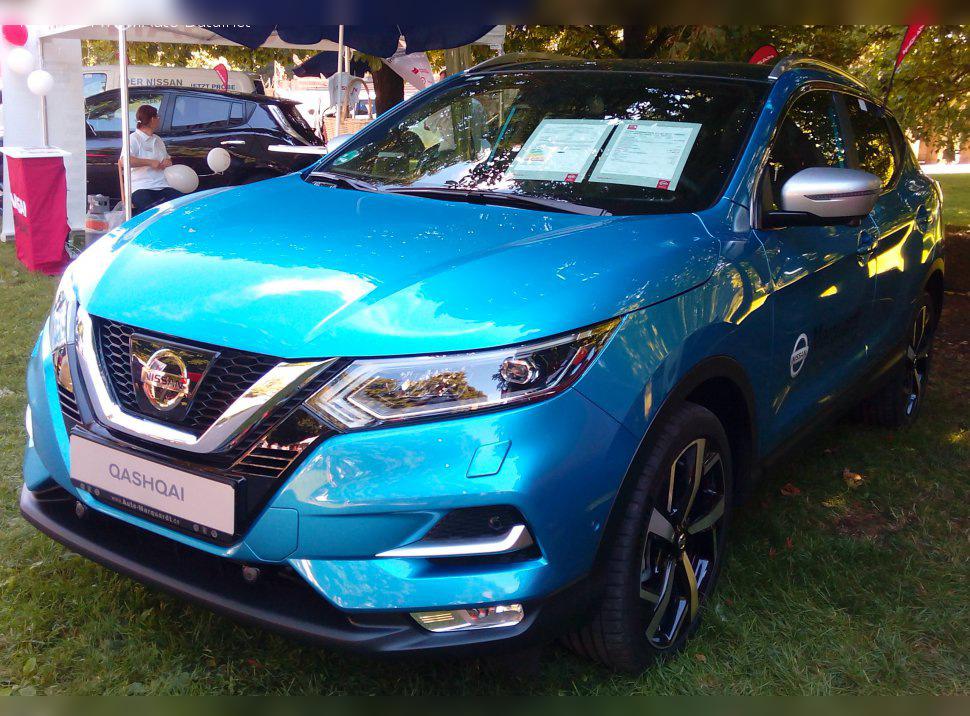
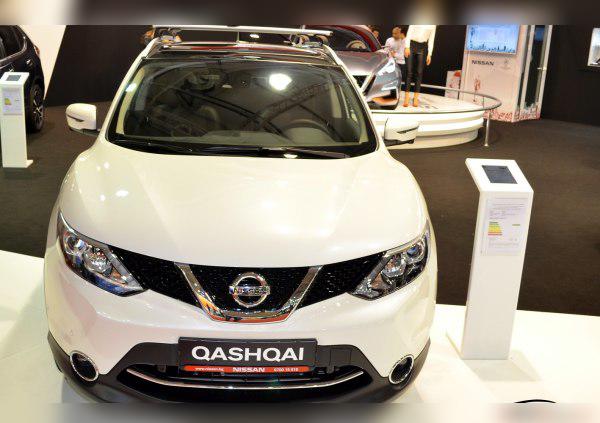
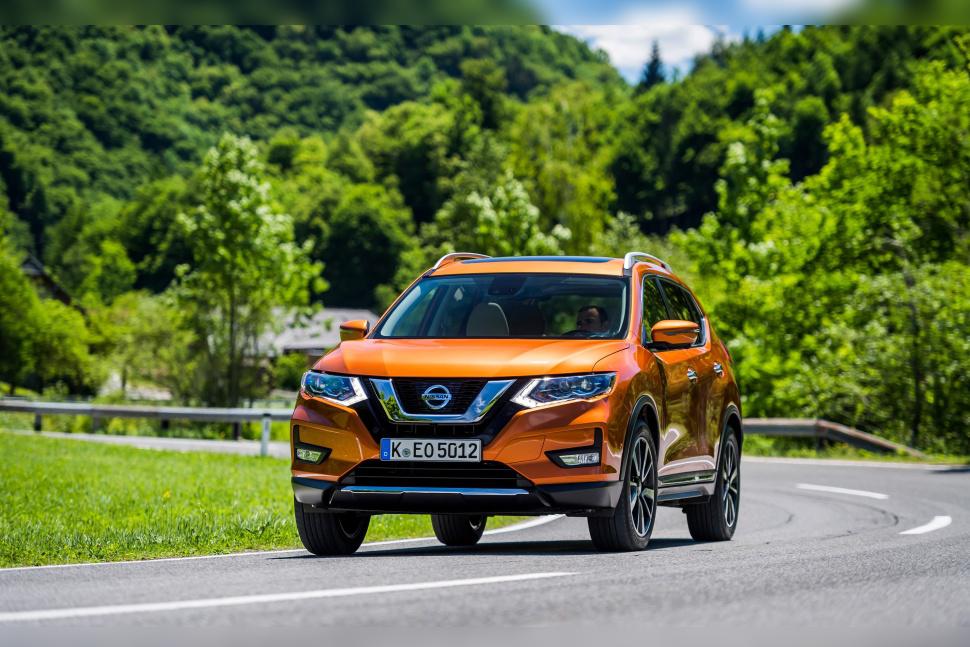
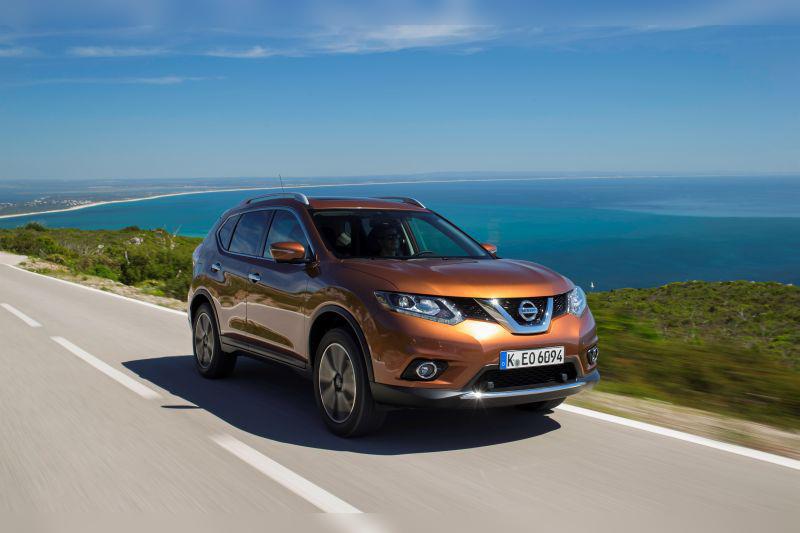
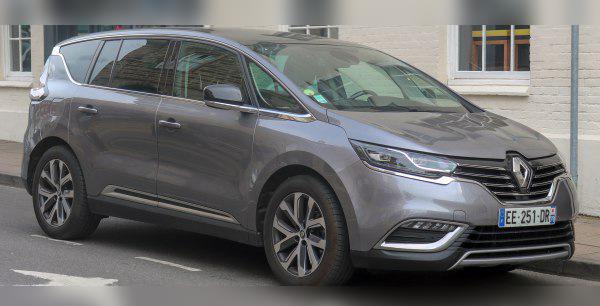
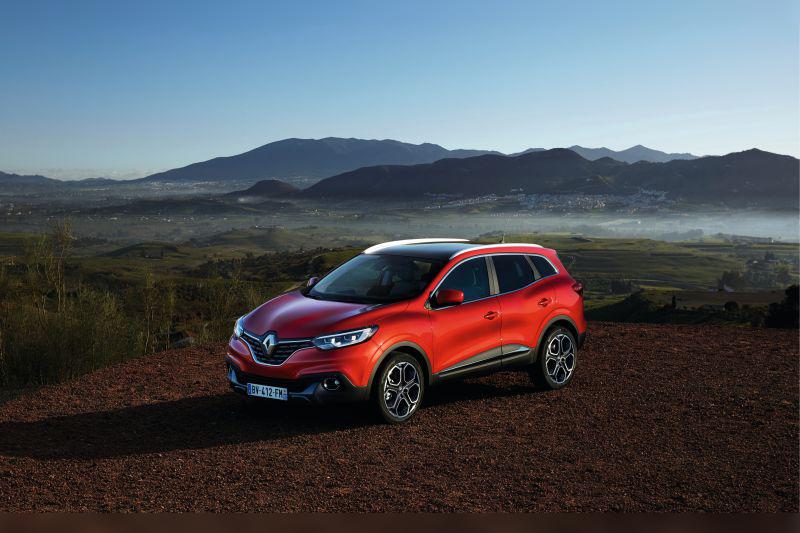
- Conclusion: An excellent choice for Qashqai, Megane and Kadjar, while in heavier vehicles such as the X-Trail and Espace it can feel slightly underpowered under full load.
Contents
- Introduction: Meet the R9M
- Technical specifications
- Reliability and maintenance
- Specific components and systems
- Fuel consumption and performance
- Additional options and modifications
- Transmissions: Manual, Xtronic and EDC
- Buying used and conclusion
Introduction: Meet the R9M
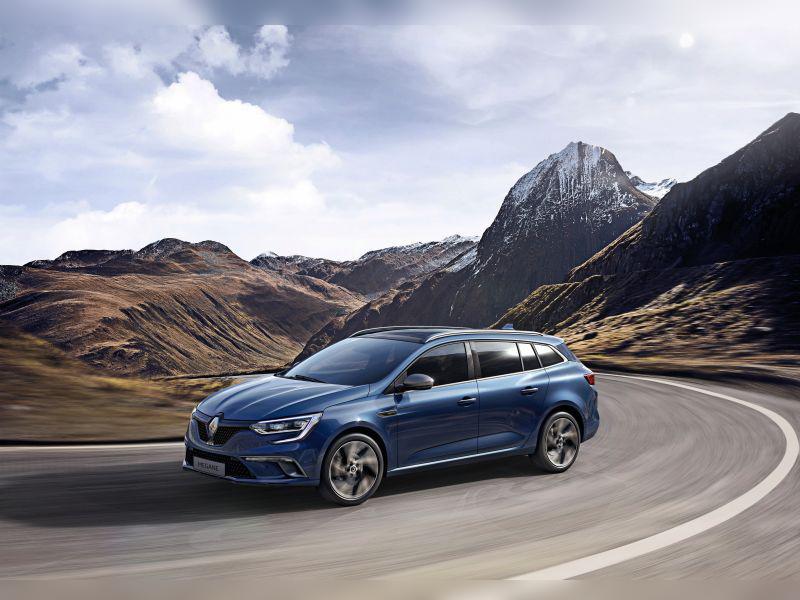
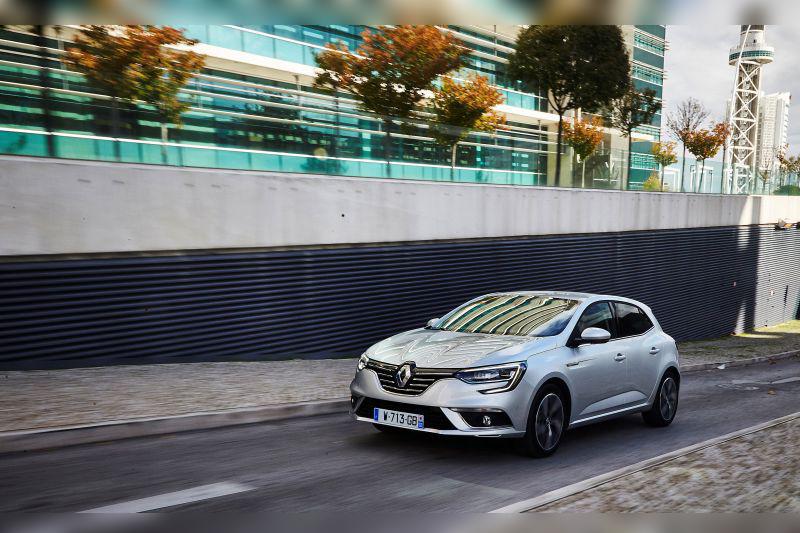
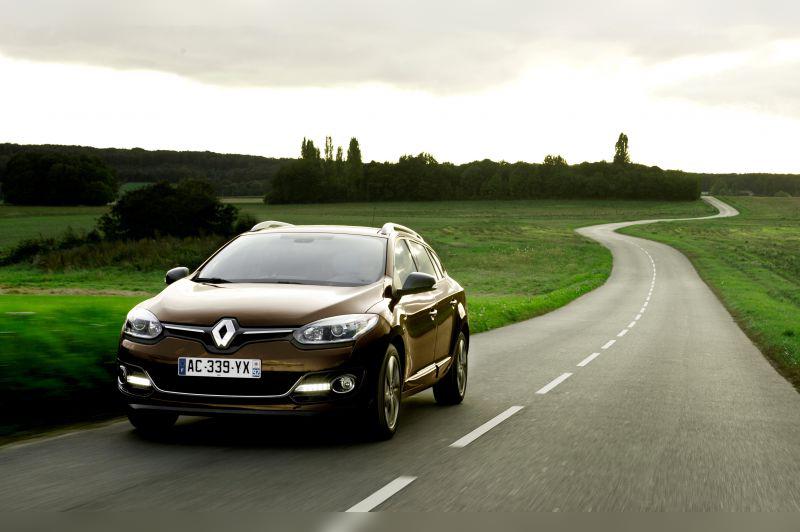
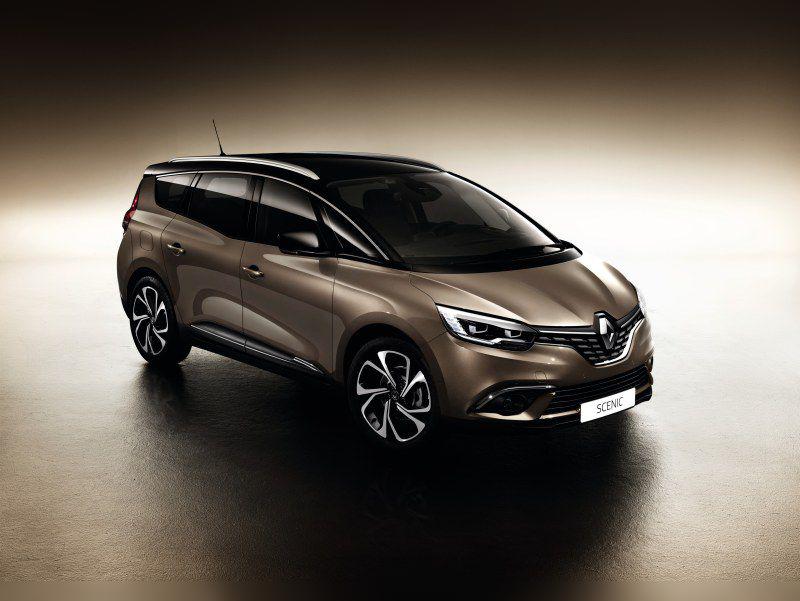
The 1.6 dCi engine with internal code R9M is the result of joint development within the Renault-Nissan alliance. It was introduced to replace the already outdated and, in some series, problematic 1.9 dCi. The idea was clear: smaller displacement (downsizing), lower fuel consumption, but with preservation of the excellent torque of 320 Nm. This engine was installed in a wide range of vehicles, from the compact Megane, through crossovers such as the Nissan Qashqai and Renault Kadjar, all the way to heavyweights like the Renault Espace and Nissan X-Trail. It was designed to withstand high mileage with proper maintenance, and among mechanics it is considered one of the most reliable newer-generation diesel engines in its class.
Technical specifications
| Parameter | Specification |
|---|---|
| Displacement | 1598 cc |
| Power | 96 kW (130 HP) |
| Torque | 320 Nm |
| Engine codes | R9M (several sub-variants depending on model) |
| Injection type | Direct (Common Rail) |
| Aspiration | Turbocharger (VGT), intercooler |
Reliability and maintenance
Chain or belt?
Unlike the older 1.5 dCi engine (which uses a belt), the R9M 1.6 dCi has a timing chain. This is good news for owners because the chain does not require replacement at regular intervals. However, it is not “indestructible”. Due to long oil change intervals or poor lubrication quality, the chain can stretch. A major timing service in the classic sense (replacement of chain kit, tensioner and guides) is done when the first symptoms appear – most often a characteristic metallic rattling noise on cold start. In practice, the chain easily covers over 200,000 km to 250,000 km. At around 100,000 to 150,000 km it is recommended to replace the auxiliary (serpentine) belt kit, water pump and coolant.
Most common failures
This engine has no cardinal flaws that will leave you stranded, but it is not completely immune to problems. The most common issue is oil leakage from the timing cover (timing cover gasket), which requires removing the cover and resealing it. Also, the exhaust flap (which helps with DPF regeneration) can stick due to soot buildup. Exhaust gas pressure sensors can fail, which results in the “Check Engine” light coming on and the car going into limp mode (safety mode).
Oil and service intervals
This engine takes exactly 5.5 liters of oil. The manufacturer recommends 5W-30 grade. It is very important to use oil with the correct specifications (most commonly RN0720 for models with DPF) so you do not destroy the particulate filter. Although some manufacturers advise changing the oil at 30,000 km, any experienced mechanic will tell you that this is murder for the turbo and the chain – change the oil every 10,000 to a maximum of 15,000 km. The R9M engine generally does not consume much oil between services. A loss of 0.3 to 0.5 liters per 10,000 km is considered completely normal, especially if the car is driven more aggressively on the motorway.
Injector longevity
The injection system on diesel engines always worries buyers. Fortunately, the 1.6 dCi uses very high-quality Common Rail injectors (mostly Bosch or Siemens/VDO depending on the year). The injectors have proven to be very robust and it is not uncommon for them to last over 250,000 km without any intervention, provided you use quality fuel and regularly replace the fuel filter at every second minor service. If problems do occur, symptoms include hard starting, rough idle and black smoke when accelerating.
Specific components and systems
Dual-mass flywheel and clutch
Yes, this engine has a dual-mass flywheel. Its role is to absorb the strong vibrations generated by 320 Nm of torque. Its service life averages between 150,000 and 200,000 km, depending on driving style (frequent stop-and-go traffic and moving off under heavy load wear it out faster). Replacement of the clutch kit together with the dual-mass flywheel is rated as expensive (depends on market), so when buying, listen for dull knocking when switching off the engine or vibrations in the clutch pedal.
Turbocharger
The engine has a single turbocharger with variable geometry (VGT). It responds quite quickly and turbo lag is minimal. Its lifespan is closely linked to regular oil changes and the driver’s habit of letting the engine idle for a couple of minutes after fast motorway driving, so that the turbo can cool down. If this is respected, the turbo easily goes beyond 200,000 km without overhaul.
DPF and EGR systems
Like every modern diesel, the 1.6 dCi has both an EGR valve and a DPF (diesel particulate filter). The engine actually uses a low-pressure EGR system. If you drive the car mostly in the city, on short trips where the engine does not reach its operating temperature of around 90°C, the EGR valve will relatively quickly fill with soot and stick. The same applies to the DPF, which clogs quickly without the opportunity for active regeneration on open roads. Symptoms of a clogged DPF include loss of power, increased fuel consumption and the radiator fan running at maximum immediately after switching off the vehicle.
AdBlue – Does it have it?
This is where we come to one of the biggest advantages of this engine compared to newer ones (such as the 1.5 Blue dCi or 1.7 dCi). The vast majority of 130 HP R9M engines DO NOT use an AdBlue system! To meet Euro 5 and early Euro 6 standards, Renault used LNT (Lean NOx Trap) technology on this engine, which captures and burns nitrogen oxides without using AdBlue fluid. However, a warning: towards the very end of this engine’s production, some versions and markets may have an SCR catalyst. Therefore the rule is: It depends / You cannot be 100% sure without the engine code. Always check physically for the presence of a blue AdBlue cap next to the fuel tank. Models without AdBlue are far more sought-after used cars because they are free from expensive AdBlue pump and injector repairs.
Fuel consumption and performance
Real-world fuel consumption
Thanks to efficient injection, the 1.6 dCi is extremely economical. In real-world city stop-and-go driving, consumption ranges from 6.5 to 8.0 l/100 km. The difference in consumption depends directly on the body style. The compact Megane will be closer to the lower limit, while a heavy 4x4 Nissan X-Trail or a seven-seat Espace will exceed 8 liters in the city.
Power-to-weight ratio (Is it sluggish?)
In C-segment models (Megane, Qashqai, Kadjar), this engine delivers fantastic performance. The car feels lively and has excellent in-gear acceleration thanks to the torque available from just 1,750 rpm. Is it sluggish? In heavy vehicles such as the X-Trail or Renault Espace, when you load them with five passengers and luggage, you can feel the engine running out of breath on uphill sections and during aggressive overtaking. For such body styles, more powerful dCi engines are certainly a better choice, but the 1.6 dCi will get the job done with a bit more work on the gearbox.
Motorway behavior
This is a born cruiser. Thanks to a well-chosen six-speed manual gearbox (or automatic transmissions with long final drive), at 130 km/h on the motorway the engine spins at a comfortable and quiet 2,400 to 2,600 rpm (varies slightly from model to model). At these speeds, fuel consumption on the open road is an excellent 5.0 to 6.0 l/100 km.
Additional options and modifications
Chiptuning (Stage 1)
The R9M is mechanically very robust and has good potential for ECU optimization (chiptuning). A standard Stage 1 remap safely raises power from 130 HP to around 155 to 160 HP, while torque increases from 320 Nm to around 380 Nm. This modification is quite safe if the map is done professionally and the gearbox and dual-mass flywheel are in excellent condition. Owners of heavy SUVs with this engine often go for Stage 1 precisely to neutralize the feeling of “sluggishness” under full load.
Transmissions: Manual, Xtronic and EDC
Which gearboxes are fitted?
Three basic types of transmissions were offered with this engine, depending on the brand it was installed in:
- 6-speed manual gearbox: Standard in most models. Reliable, precise, with extremely rare failures.
- Xtronic (CVT): Nissan’s choice for the Qashqai and X-Trail (produced by Jatco). A continuously variable transmission that simulates gear steps very well.
- EDC (Efficient Dual Clutch): Renault’s dual-clutch automatic (produced by Getrag), offering fast gear changes and low fuel consumption.
Most common transmission issues
The manual gearbox is practically fault-free, provided that the oil in the gearbox is preventively replaced every 100,000 km. In its case, the cost is limited to very expensive (depends on market) maintenance of the clutch and dual-mass flywheel.
Xtronic (CVT) transmissions are comfortable, but require maximum care. They are not designed for harsh “drag racing” from traffic lights or towing heavy trailers. The most common failures include CVT chain slip and cone damage. Repairs are very expensive (depends on market). Symptoms include juddering when moving off and whining noises when accelerating.
EDC transmissions suffer from the classic issues of dual-clutch systems – wear of the dry clutch pack (after around 150,000 km of predominantly city driving) and problems with the mechatronics unit (the computer that shifts gears). If the EDC jerks when shifting from first to second gear, expect a big bill.
Service intervals for automatics
If you are buying a Nissan with a CVT or a Renault with an EDC, the golden rule is: Change the oil and filter in the gearbox every 60,000 km! Any delay exponentially increases the risk of a fatal transmission failure.
Buying used and conclusion
What to pay attention to?
When looking at a used car with the 1.6 dCi engine, always insist on a cold start. Open the bonnet before starting, have someone else start the engine while you listen carefully. If you hear metallic rattling (clicking) in the first two seconds, this is a sign that the chain has stretched or that the tensioner is losing pressure. Head straight for diagnostics – check DPF clogging (soot mass and when the last successful regeneration was performed). Pay attention to the gearbox, especially the automatic – shift from P to R and D, everything must engage smoothly without any jolts felt in the body.
Conclusion: Is this a good engine?
Definitely yes! The Renault/Nissan 1.6 dCi (R9M) with 130 HP represents the golden middle ground. It is solidly built, offers great range thanks to low motorway fuel consumption, and in versions without the AdBlue system it eliminates one huge potential cost of today’s diesels. It best suits buyers who cover higher annual mileage and regularly drive on open roads. If you need a car strictly for short trips to the nearby shop and stop-and-go traffic jams – avoid any modern diesel because of the DPF, including this one, and consider a petrol engine instead. For all other purposes, the R9M is an excellent choice on the used car market.