Renault/Fiat 1.6 Ecojet (R9M 452) – Experiences, issues, fuel consumption and used-buying tips
- The engine uses a timing chain which is generally reliable, but should be checked at higher mileage.
- The twin-turbo system offers excellent flexibility, but overhauling both turbochargers can be very expensive (Depends on the market).
- Due to the size and weight of the van (Fiat Talento), the clutch and dual-mass flywheel are under heavy load.
- Emission control systems (DPF, EGR and AdBlue) are sensitive to frequent city driving and cause most of the problems.
- Real-world fuel consumption is around 8 to 10 l/100 km, depending on body type (M1, N1) and load.
- Requires high-quality synthetic oil that must be changed on time to protect the turbos and piston rings.
Contents
- Introduction: Engine origin and purpose
- Technical specifications
- Reliability, maintenance and major service
- Specific components: Turbos, DPF and injectors
- Fuel consumption and performance
- Additional options and chiptuning
- Gearbox and drivetrain
- Buying used and conclusion
Introduction: Engine origin and purpose
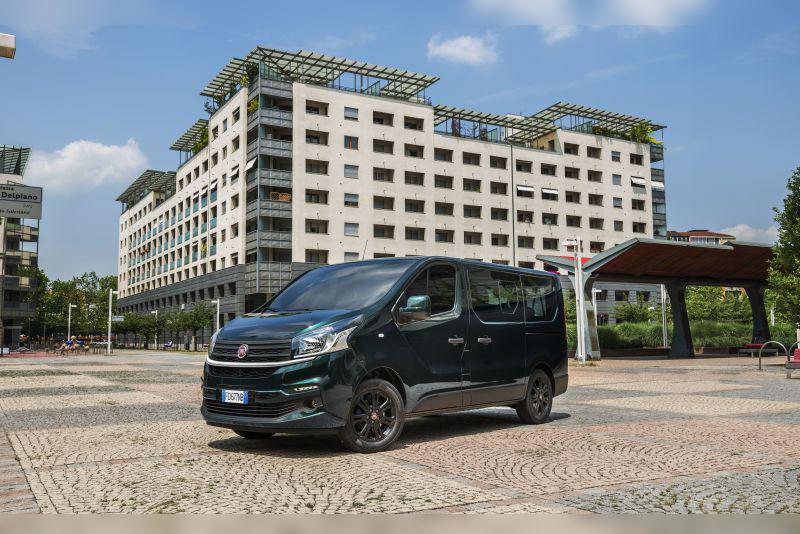
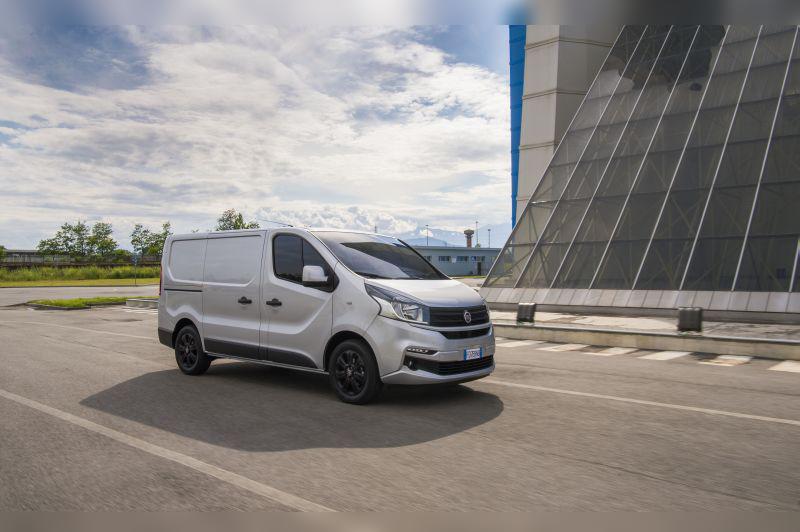
Although it carries the 1.6 Ecojet badge under the bonnet of models such as the Fiat Talento, the engine with the code R9M 452 is in fact the well-known and widely used Renault 1.6 dCi unit. In this specific configuration, it is the version equipped with a twin-turbo system, delivering 125 hp and a solid 320 Nm of torque. Due to its design, this engine has been extensively installed in light commercial vehicles, passenger vans (M1) and panel vans (N1). From an engineering standpoint, its task was to replace older and larger 2.0-litre engines, offering similar power with lower fuel consumption and compliance with strict emission standards.
Technical specifications
| Specification | Data |
|---|---|
| Engine displacement | 1598 cc |
| Power | 92 kW (125 hp) |
| Torque | 320 Nm |
| Engine code | R9M 452 |
| Injection type | Common rail (direct) |
| Charging system | Twin-turbo with intercooler |
| Fuel type | Diesel |
Reliability, maintenance and major service
When you open the bonnet, one of the first questions buyers ask is about the timing system. The R9M 452 engine uses a timing chain, not a timing belt. Because of this, there is no classic “major service” at a strict factory interval of, for example, 100,000 km. The chain is designed to last a long time, but in practice, due to long oil change intervals, it can stretch at around 200,000 to 250,000 km. A stretched chain is indicated by a metallic rattling noise on cold start (before oil pressure tightens the tensioner). When the chain is replaced, the complete kit with guides and tensioners must be changed.
Oil: Capacity and consumption
This engine takes about 6.0 litres of oil. Due to the DPF filter, it requires synthetic low-SAPS oil with a 5W-30 grade (often RN0720 or the corresponding Fiat specification). Although the manufacturer optimistically sets oil change intervals at 30,000 km, experienced mechanics recommend changing it every 10,000 to 15,000 km.
As for oil consumption between services, up to 0.5 litres per 10,000 km is considered completely normal. However, these engines, especially if poorly maintained, can suffer from stuck piston rings, which leads to higher oil consumption. If the engine uses more than 1 litre over a few thousand kilometres, it usually points to a problem with the rings or oil leaking past the turbo shafts.
Injection system
The common rail system is highly sophisticated. The injectors (mostly piezoelectric) are reliable but sensitive to fuel contamination. Their average service life is between 200,000 and 250,000 km. Symptoms of worn injectors include rough idle, so-called “knocking” at the early stage of acceleration, harder starting and increased smoke (which the DPF tries to burn off, so regenerations become frequent). It is recommended to replace the fuel filter regularly before each winter.
Specific components: Turbos, DPF and injectors
Twin-turbo system
Unlike the standard 1.6 dCi engine (with 130 hp), this workhorse version features two turbochargers connected in series (twin-turbo). The smaller turbo provides instant response and high torque at very low revs, while the larger one takes over at higher revs. The downside? The smaller turbo is exposed to huge thermal stress. Its lifespan is around 200,000 km, depending on oil quality. If a failure occurs, overhauling and calibrating both turbos is a costly (Depends on the market) job. The intercooler rubber hoses also often burst due to high pressure, which manifests as a hissing sound, loss of power and an illuminated “Check Engine” light.
EGR, DPF and AdBlue
These are weak points of every modern diesel in a light commercial vehicle that is used mainly in the city. The EGR valve is prone to clogging with soot, which chokes the engine. The DPF filter often loses its ability to perform passive regeneration if the vehicle is used for short “door-to-door” deliveries. In addition, on these engines the DPF differential pressure sensor often fails (the sensor hose/pipe melts).
Since it has to meet Euro 6 standards, this engine is equipped with an AdBlue (SCR) system. The AdBlue pump, which is integrated into the tank itself, is very problematic. The fluid often crystallises in winter, damaging the pump and injection nozzle. Unfortunately, repair usually requires replacing the entire tank with the pump, which is very expensive (Depends on the market).
Fuel consumption and performance
Vans such as the Fiat Talento (L1H1, L2H2, etc.) are heavy and not particularly aerodynamic. Even so, this is where the twin-turbo technology really shines.
In city driving, real-world fuel consumption ranges from 8.0 to 10.0 l/100 km, depending on whether you are driving an empty panel van (N1) or a heavier passenger van (M1) full of people and luggage.
Is the engine “sluggish”? Actually, it isn’t. Although 125 hp doesn’t sound like much for such a vehicle, the 320 Nm of torque available right at the bottom of the rev range (thanks to the small turbo) makes it surprisingly lively around town and easy to drive.
On the motorway, at 130 km/h in sixth gear, the engine cruises at roughly 2500 to 2600 rpm (depending on the specific model’s gear ratios). Fuel consumption then rises significantly due to the large frontal area and aerodynamic drag, usually sitting around 8.5 to 9.5 l/100 km.
Additional options and chiptuning
Since this is a diesel engine, installing LPG is not an option. However, many owners opt for a software power increase.
Chiptuning (Stage 1) can be safely done on this engine and usually raises power to around 150 to 160 hp, with torque increasing to nearly 380 Nm. This greatly helps with overtaking on country roads when the vehicle is fully loaded. Still, keep in mind that the increased torque puts additional stress on the small turbo and, more importantly, on the clutch and gearbox, which are already under strain due to the vehicle’s weight.
Gearbox and drivetrain
This engine is paired in 95% of cases with a 6-speed manual gearbox (usually a modified Renault PF6 gearbox), although some versions are available with a dual-clutch automatic (EDC), which is extremely rare with this specific power output in van applications.
Gearbox and flywheel issues
Unfortunately, the manual gearbox suffers from a well-known issue – premature wear of the shaft bearings (most often due to driving under heavy load at low revs in 5th and 6th gear). The symptom is a characteristic humming or whining noise from the gearbox when accelerating in higher gears. To extend its life, the gearbox oil should be changed every 60,000 km (it takes about 2.7 to 3.0 litres of gear oil).
The engine is always fitted with a dual-mass flywheel. The van’s weight, frequent stop-and-go driving and hauling loads take their toll. Replacing the clutch kit and dual-mass flywheel is inevitable on used examples and is an intervention that is expensive (Depends on the market).
Buying used and conclusion
Before buying a Fiat Talento (or its siblings) with this engine, a test drive and visual inspection are crucial.
What exactly should you check?
- Cold start: Listen for chain rattle during the first two to three seconds of running. The sound should be “soft”, without harsh knocking.
- Visual inspection: Remove the plastic engine cover and look for oil leaks around the block, EGR valve and especially around the hoses leading to the intercooler.
- Diagnostics (Mandatory): Do not buy blindly. A mechanic must check DPF saturation (soot and ash load), as well as the condition of the AdBlue system if the vehicle complies with Euro 6.
Final verdict
The R9M 452 (1.6 Ecojet 125 hp) engine is a modern engineering solution, designed to deliver the power of a 2.0-litre engine with the efficiency of a 1.6. It is intended for fleets and families who service their vehicles regularly and mostly drive on open, interurban roads where the exhaust aftertreatment system can function without interruption. It is not for buyers looking for the cheapest possible maintenance, because the twin-turbo system, chain, dual-mass flywheel and complex emission control system do not tolerate postponed servicing and cheap oil.