KV6 / 25K4F Engine (2.5 V6) – Experiences, issues, fuel consumption and used car buying guide
Key points in short (TL;DR):
- Timing system: Uses a very specific and complicated setup with three timing belts. A full timing service requires special tools.
- Most common failures: Plastic thermostat housing in the "V" of the engine that cracks and leaks coolant, as well as failures of the VIS (Variable Intake System) intake manifold motors.
- Fuel consumption: Very thirsty in city driving (often over 13–15 l/100 km), while on the open road it is quite economical for its displacement.
- Performance: The engine is not a race unit, but it offers extremely linear power delivery and impressive refinement. NVH and smoothness are top class.
- Gearboxes: Manual gearboxes are durable, but the clutch hydraulics are problematic. Jatco automatic gearboxes are good if the oil is changed regularly.
- LPG: The engine handles LPG conversion very well, which is highly recommended due to the high petrol consumption.
Contents
- Introduction and engine characteristics
- Technical specifications
- Reliability and maintenance
- Specific parts and costs
- Fuel consumption and performance
- Additional options and modifications
- Gearbox and drivetrain
- Buying used and conclusion
Introduction and engine characteristics
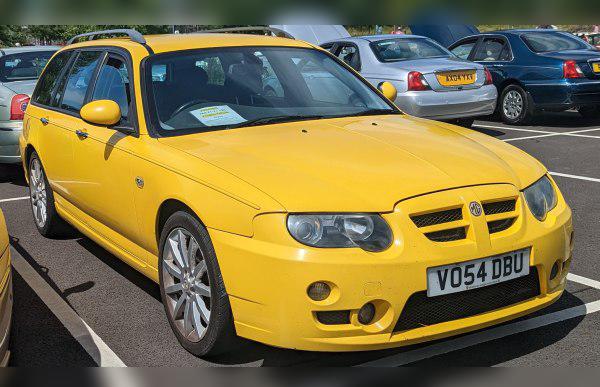
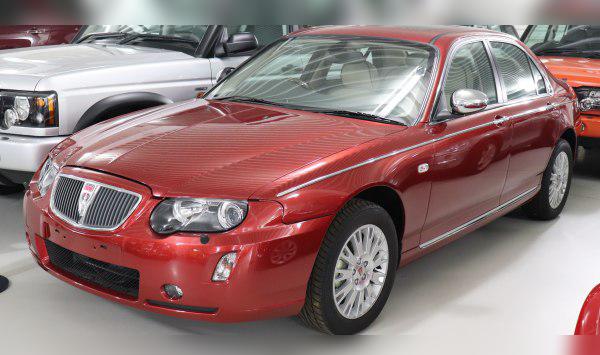
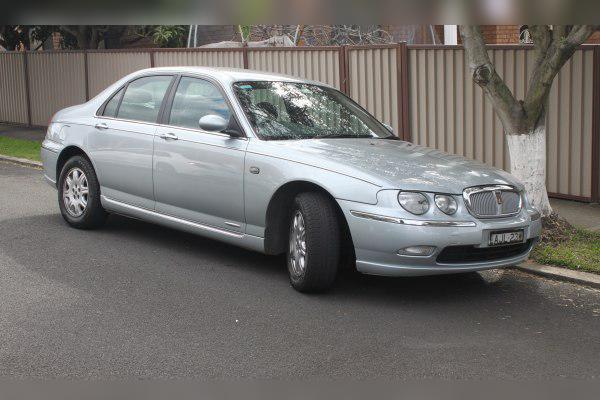
The engine with the code KV6, also known as 25K4F, represents the pride of the former British car industry and the top of the range for models such as the Rover 75 and MG ZT (including the estate versions Tourer and ZT-T after the 2004 facelift). Developed by the Rover Group, this is an all-aluminium, naturally aspirated V6 engine with a displacement of 2.5 litres, producing 177 hp.
Unlike the smaller K-series engines, which were known for head gasket issues, the KV6 is significantly more robust and more advanced from an engineering standpoint. Its main trump card is its silky-smooth operation, beautiful sound and refinement worthy of premium saloons, while in MG ZT versions it received a slightly more aggressive throttle response. However, this is not an engine for every mechanic – it requires expert maintenance, knowledge of its specific weaknesses and regular monitoring of fluid levels.
Technical specifications
| Specification | Data |
|---|---|
| Displacement | 2497 cc |
| Engine power | 130 kW (177 hp) |
| Torque | 240 Nm |
| Engine code | KV6 / 25K4F |
| Injection type | Indirect, Multi-Point Injection (MPI) |
| Induction | Naturally aspirated engine |
| Fuel type | Petrol |
Reliability and maintenance
Timing belt or chain?
This engine does not use a chain; instead, it has one of the most intriguing and most complicated timing belt systems in the car industry. More precisely, it uses three timing belts. One large and long belt is located at the front of the engine and connects the crankshaft with the front camshafts of both heads. Two additional short belts are located at the rear of the engine (towards the cabin) and transfer drive from the inlet to the exhaust camshafts. Because of this, a full timing service is neither cheap nor simple.
Service intervals
The manufacturer specified a timing service interval of an incredible 144,000 km or 6 years. However, in practice any serious mechanic will recommend shortening this interval to 90,000 to 100,000 km or every 5 years. Skipping the timing service can result in belt failure, which leads to catastrophic damage to valves and pistons (engine failure). Repairing this is very expensive (depends on the market) and often not cost-effective compared to the value of the vehicle.
Oil capacity and recommendations
The KV6 engine takes about 5.2 litres of oil when changed with the filter. High-quality synthetic or semi-synthetic oil of grade 10W-40 or 5W-40 is recommended, depending on climate and mileage. The engine is designed to consume minimal amounts of oil, so consumption of about 0.2 to 0.3 litres per 1,000 km is considered normal (mainly due to evaporation and minor leaks at seals). However, oil leaks from the valve covers are common, and owners often misinterpret this as "oil consumption due to worn piston rings". The solution is to replace the valve cover gaskets.
Most common failures and symptoms
- VIS (Variable Intake System) failure: The intake manifold has two small electric motors (Power and Balance valves) that change the length of the intake runners to optimise torque. Due to deposits from oil vapours and fragile plastic gears inside the motors, they stop working. Symptoms are a lack of low-end power (the engine feels "dead" below 3000 rpm) and pronounced rattling from the intake manifold that can remind an inexperienced driver of a diesel engine noise.
- Thermostat housing: This is the "Achilles heel" of the KV6 engine. The thermostat housing is made of plastic and is hidden in the V between the two cylinder heads. Over time, the plastic degrades from heat, cracks and starts to leak coolant. Symptoms include a sweet coolant smell around the car and a dropping level in the expansion tank. If this is not noticed in time, the engine will overheat, which directly leads to failure of the head gasket.
You’ll replace the spark plugs, but...
The recommended spark plug replacement interval is between 60,000 and 90,000 km, depending on the type of plugs fitted (platinum or iridium). However, the problem lies in labour. While access to the spark plugs on the front bank is trivial, the rear bank is very difficult to reach due to the intake manifold and the bulkhead. Because of this, it often happens that careless previous owners replace only the front three spark plugs and leave the rear ones untouched!
Specific parts and costs
As a proper old-school naturally aspirated petrol engine, the KV6 does not have a turbocharger, does not have twin turbos, does not have a DPF filter, and does not use AdBlue fluid. This means you are spared the most expensive failures that plague modern engines. The intake and crankcase ventilation system works via a standard PCV valve, which rarely causes major problems if cleaned regularly.
Fuel injection system: The system is a conventional MPI (Multi-Point Injection). Petrol injectors are extremely reliable. There are almost no reported systemic problems with failing injectors on this engine. If the engine starts to misfire or run on fewer cylinders, the problem usually lies with the ignition coils, not the injectors. Therefore, the costs of the injection system are minimal, and repairs are not expensive (depends on the market).
When it comes to the drivetrain (gearboxes), we move on to the dual-mass flywheel. Yes, if your Rover 75 or MG ZT is paired with a manual gearbox, the engine has a dual-mass flywheel to neutralise vibrations. Read more about the costs in the gearbox section.
Fuel consumption and performance
Real-world fuel consumption
Drivers considering the KV6 engine must be prepared for frequent visits to petrol stations. In real stop-and-go city driving, especially with the automatic gearbox, consumption rarely drops below 13 to 15 l/100 km. With the manual gearbox this figure can be around 12–13 litres with a light right foot. On open A-roads, consumption drops to a more reasonable 7 to 8 litres.
On-road performance: "Laziness" and cruising
Although 177 hp sounds serious on paper, the Rover 75 (especially the Tourer estate) is a heavy saloon (around 1.5 tonnes empty). Is the engine lazy? It is not lazy, but it offers a distinctly linear acceleration typical of naturally aspirated engines. There is no turbo "kick in the back". To feel the true power of this engine, you need to rev it above 3,500 rpm. In MG ZT versions, the engine software offers a slightly sharper throttle response, so the car feels more eager.
Its natural habitat is the motorway. Thanks to the V6 architecture, high-speed running is almost silent. At a cruising speed of 130 km/h, in fifth gear, the tachometer sits at about 2,800 to 3,000 rpm, depending on whether you are driving an automatic or a manual. This allows quiet and comfortable covering of hundreds of kilometres.
Additional options and modifications
LPG conversion
Is the engine suitable for LPG conversion? Absolutely yes. In fact, given its city fuel consumption, this is a highly recommended step. The engine has hydraulic tappets and relatively durable valve seats, so LPG does not cause cylinder head damage. However, since the intake manifold is plastic and the engine has a complex VIS system, installing a high-quality sequential LPG system is mandatory. It is not wise to save money on LPG injectors if you want to properly follow the engine’s operation at higher revs.
"Chipping" (Stage 1 remap)
Attempts to extract more power by remapping ("chipping" – Stage 1) this engine are generally a waste of money. As this is a classic naturally aspirated engine, the maximum power gain you can expect is around 10 to 12 hp and a negligible increase in torque. Software tweaks can only provide a slightly better throttle response, but they will not make you noticeably faster on the road.
Gearbox and drivetrain
Manual and automatic gearboxes
With the KV6 2.5-litre engine, the manufacturer offered two gearbox options:
- Manual gearbox: Getrag 288, 5-speed manual gearbox. The transmission itself (gears and synchros) is "indestructible" and extremely rarely fails.
- Automatic gearbox: Jatco JF506E, 5-speed Japanese automatic (similar to the one used in Volkswagen and Jaguar of the same era). The gearbox offers exceptionally smooth gear changes and matches the character of the V6 engine perfectly.
Most common gearbox issues and maintenance
Manual gearbox: Although the gearbox itself is excellent, the clutch hydraulics are disastrous. The most common problem is the clutch pedal sinking and staying on the floor. The cause lies in leakage from the master cylinder (at the pedal) or the slave cylinder (which is concentric and located inside the bellhousing). Because of this, to replace the concentric slave cylinder, the entire gearbox has to be removed. Manual models have a dual-mass flywheel whose replacement cost, together with the clutch kit and hydraulics, is high (depends on the market). That’s why you should always listen to it carefully at idle.
Automatic gearbox: Jatco gearboxes suffer from solenoid issues if the oil is not changed regularly. The most well-known symptom is a "delay" or thump when engaging reverse (cracked reverse piston) or jerks between second and third gear. Because of this, a visual inspection for leaks and mandatory oil changes every 60,000 km are recommended. If the oil has been changed regularly, it will cover hundreds of thousands of kilometres without problems.
Buying used and conclusion
What to check before buying?
When buying a used car with a KV6 engine, your biggest concern should be its maintenance history. Due to their complexity, these engines do not tolerate neglect.
- Visual check of fluids: Using a torch, look into the "V" space under the plastic engine cover and intake manifold. If you see traces of pink/red coolant, the thermostat needs to be replaced. Check the condition of the coolant in the tank (whether there are traces of oil) to rule out a head gasket problem.
- Engine noise: Listen to the intake manifold at idle and when blipping the throttle. If you hear a rattling noise similar to valve clatter or a diesel engine, the plastic flaps in the manifold (VIS system) are destroyed.
- Timing service: Ask for paper or visual proof of when the timing belt was replaced. If the seller "doesn’t know", immediately factor a very expensive timing service into the purchase price!
- Clutch (for manuals): Press the clutch pedal to the floor several times. If it is too soft, returns slowly or only disengages right at the floor, the hydraulics are about to fail.
Conclusion: Who is this engine for?
The KV6 (2.5 V6) engine is not intended for the average driver looking for cheap everyday transport to the supermarket. It is a powerplant aimed at true enthusiasts of classic saloons who appreciate refinement, the character of a V6 and exceptional comfort. If you are willing to install a quality LPG system and find a mechanic who has the special camshaft locking tools, a Rover 75 or MG ZT with this engine will reward you with a wonderful premium driving experience for very little money in terms of purchase price.