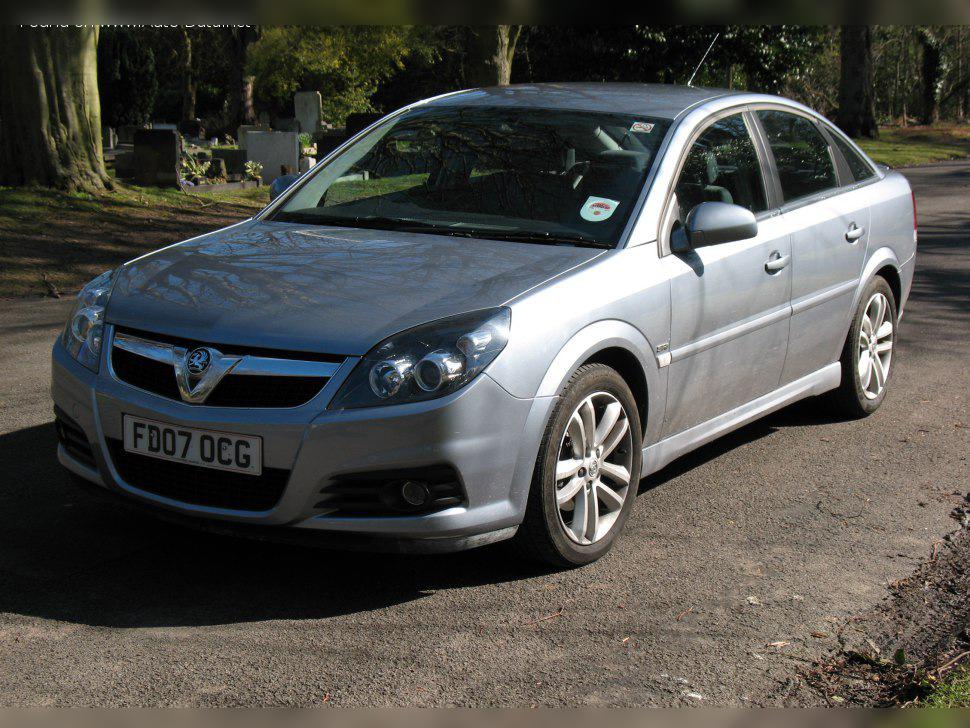
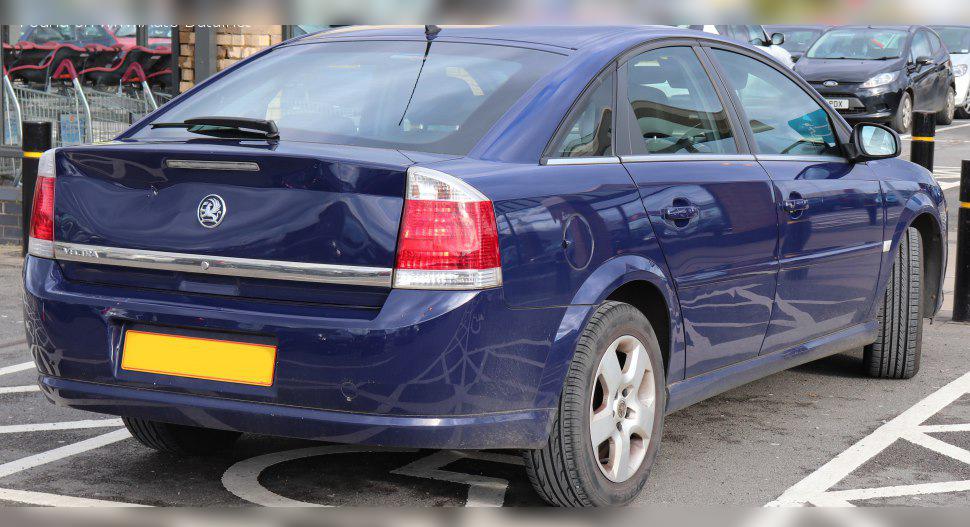
Opel Z20NET 2.0 Turbo (175 HP): Experiences, problems, fuel consumption and buying used
1. Most important in short (TL;DR)
- Hidden Saab: This engine is actually a Saab engineering gem (B207 block) packed into an Opel body. Very robust and long-lasting.
- Timing system: Uses a chain, but it’s not indestructible. Rattling at cold start is a sign it needs urgent replacement.
- Fuel consumption: Quite “thirsty” in the city (often over 11 l/100 km), but very reasonable on the open road.
- LPG: An ideal platform for LPG conversion, the valves handle LPG very well.
- Gearbox: The manual F40 gearbox is virtually indestructible, while the automatic requires careful and regular maintenance.
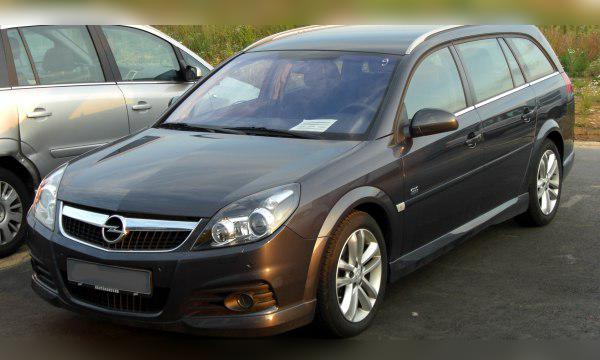
- Performance: Smooth power delivery, no pronounced turbo lag, excellent for long trips in heavy cars like the Vectra C estate.
2. Contents
- Introduction: What exactly is the Z20NET?
- Technical specifications
- Reliability and maintenance
- Specific parts and costs
- Fuel consumption and performance
- Additional options and modifications
- Gearbox and drivetrain
- Buying used and conclusion
3. Introduction: What exactly is the Z20NET?
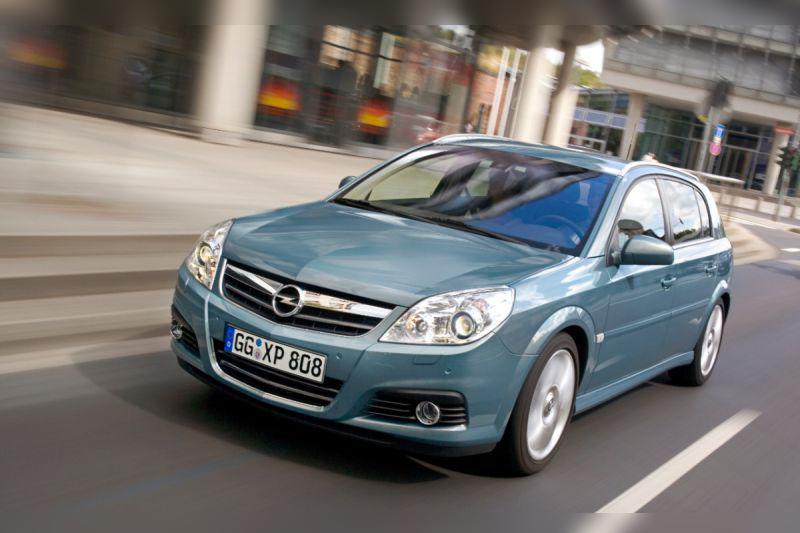
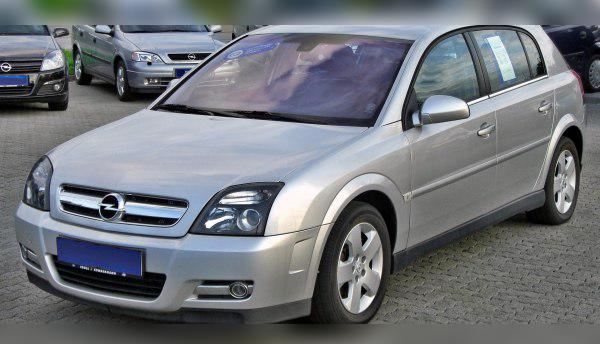
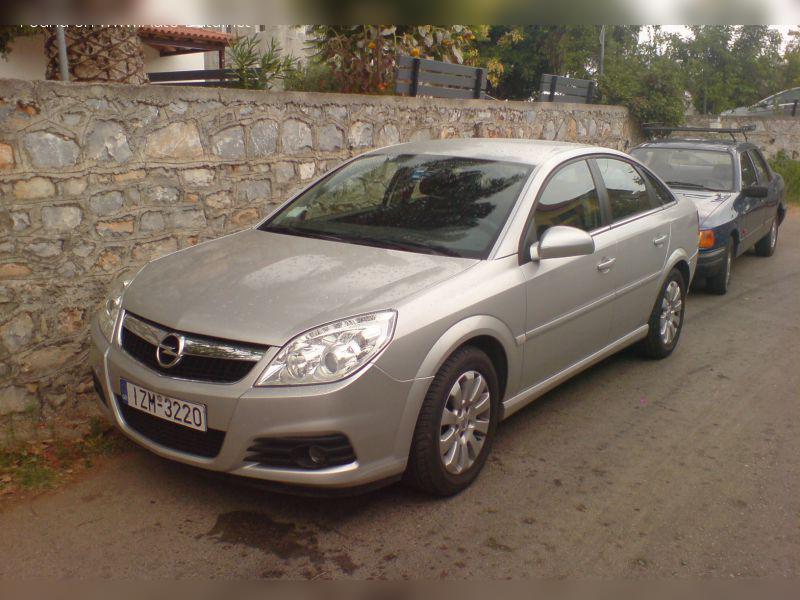
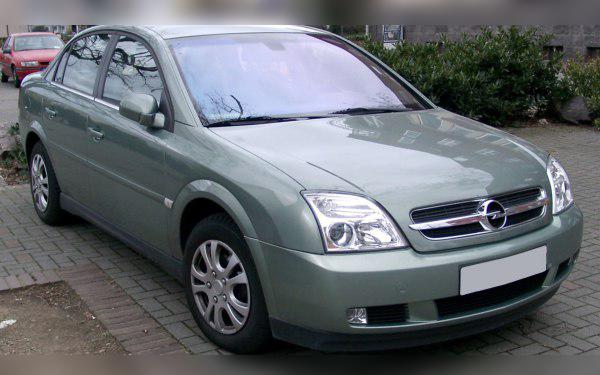
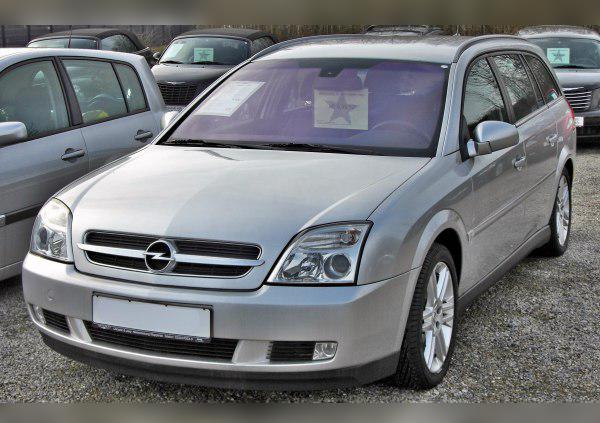
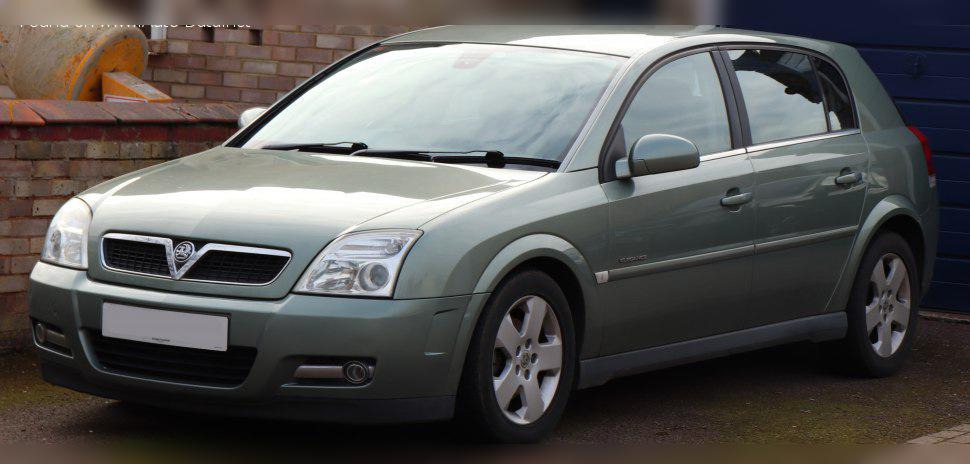
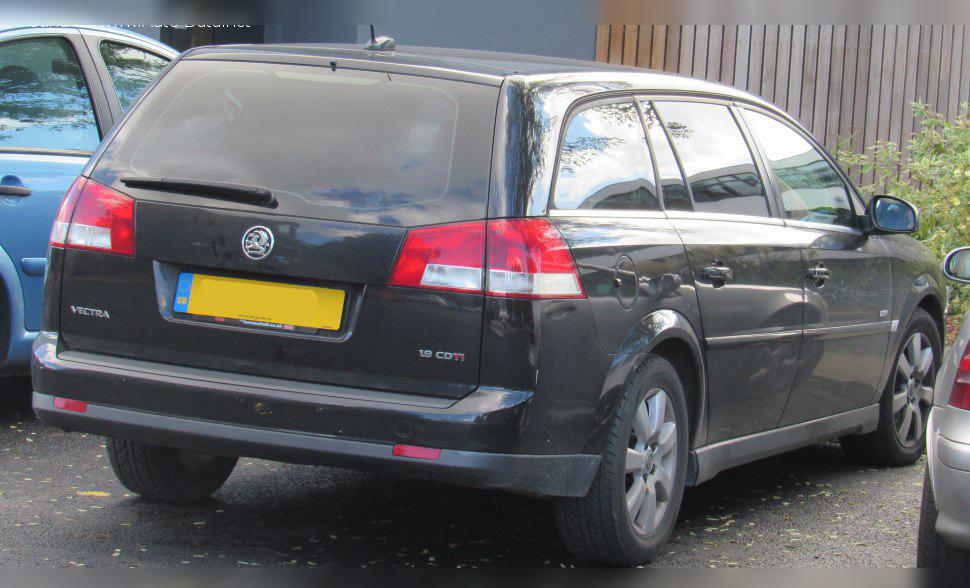
The engine designated as Z20NET is one of the most interesting units installed in Opel Vectra C and Opel Signum models (as well as their Vauxhall twins). It is interesting primarily because this is basically not an Opel, but a Saab engine (known under the code B207L). It was developed at a time when both brands were under the General Motors umbrella, which means Opel received an exceptionally high‑quality, all‑aluminium engine with a strong turbocharger and durable internal components.
This unit offers a great balance between the refined operation of a petrol engine and the strong torque typical of diesels, which makes it an excellent choice for heavy saloons and estates.
4. Technical specifications
| Specification | Data |
|---|---|
| Engine displacement | 1998 cc (2.0L) |
| Power | 129 kW (175 HP) at 5500 rpm |
| Torque | 265 Nm at 2500 - 3800 rpm |
| Engine code | Z20NET (Saab B207L) |
| Injection type | Indirect injection (Multi-point EFI) |
| Charging | Turbocharger with intercooler |
| Fuel type | Petrol |
5. Reliability and maintenance
Does this engine have a timing belt or chain?
Z20NET uses a timing chain to drive the camshafts. More precisely, it has two chains: a main one that drives the camshafts and another that drives the balance shafts and the water pump. Although a chain theoretically sounds like a lifetime solution, in practice that is not the case.
What are the most common failures on this engine?
The biggest weak point of this engine is precisely the timing system. The balance shaft chain tensioner is prone to wear. When the plastic guides wear out or the tensioner loosens, the driver will notice a characteristic metallic rattling and clattering from the engine area, especially at cold start (until the oil builds pressure). If this problem is ignored, the chain can jump or break, which leads to catastrophic engine failure and valves hitting the pistons.
In addition, the ignition coils are sensitive to heat and bad spark plugs. Symptoms of a faulty coil are jerking under load, loss of power and the “Check Engine” light coming on (misfire errors).
At what mileage is the major service done?
Since the engine has a chain, a “major service” in the classic sense (with a timing belt at a set mileage) does not exist. However, in practice the complete chain set (main and balance, with all guides and tensioners) needs to be replaced at intervals of 150,000 to 200,000 km. If you hear the chain when buying a used car, the replacement should be done immediately. The chain set is relatively expensive (depends on the market), but it is essential for peace of mind.
How many litres of oil does it take and what grade?
This engine takes exactly 6.0 litres of engine oil. High‑quality synthetic oil of grade 5W-30 or 5W-40 is recommended (preferably with GM Dexos 2 specification). Oil change intervals should not exceed 10,000 to 15,000 km, because long intervals accelerate wear of the chain and turbocharger.
Does it consume oil?
Yes, Z20NET can consume oil, especially at higher mileage. Consumption of around 0.2 to 0.5 litres per 1000 km is often quoted as “factory normal”, but a completely healthy engine will use significantly less. If consumption is higher than that, the most common causes are hardened valve stem seals, worn piston rings or a turbocharger shaft that lets oil into the intake.
At what mileage are the spark plugs replaced?
Spark plugs are recommended to be replaced every 60,000 km. However, if you install LPG, shorten the spark plug replacement interval to 30,000 km. Due to the direct ignition system (coil directly on the plug), timely replacement of spark plugs directly extends the service life of the expensive coils.
6. Specific parts and costs
Does the engine have a dual-mass flywheel?
Yes, although it is a petrol engine, due to the high torque of 265 Nm, the Z20NET is equipped with a dual-mass flywheel. Its purpose is to dampen vibrations and protect the gearbox. Replacing the clutch kit together with the dual-mass flywheel is expensive (depends on the market), and symptoms of wear are knocking at idle, jolts when switching the engine off and shuddering when moving off from a standstill.
What kind of injection system does it have?
The engine uses a reliable indirect injection system (port fuel injection) into the intake manifold. The petrol injectors on this model are extremely durable and rarely cause problems, unless the vehicle is driven for years almost exclusively on poor‑quality LPG with old petrol sitting in the tank.
Turbocharger and service life
The Z20NET uses a single but very durable turbocharger (most commonly a Garrett GT2052s). With regular oil changes and proper cooling after spirited driving (idling for a minute or two before switching off), this turbo easily lasts for over 250,000 km. When it wears out, the symptoms are bluish smoke from the exhaust, a whistling sound under throttle and a noticeable loss of power.
EGR valve, DPF and AdBlue
Since this is a petrol engine, it does not have a DPF filter or AdBlue system, which from the outset eliminates huge costs typical of modern diesels. It does have an exhaust gas recirculation system, but unlike diesels, EGR problems here are not as pronounced and the intake manifold does not get clogged with thick soot deposits.
7. Fuel consumption and performance
City consumption
This is a large engine in a heavy body (the Vectra C weighs around 1.5 tonnes). In city stop‑and‑go conditions, real‑world consumption is between 11.5 and 13.5 l/100 km. This is not an engine for those who count every litre on short trips.
Is the engine “lazy”?
Absolutely not. With 175 HP and, more importantly, 265 Nm of torque available from just 2500 rpm, the Z20NET pulls decisively and linearly. There is no brutal “kick in the back”; instead, the power is delivered in a gentlemanly, even manner all the way to the redline. Even under full load in a Vectra C estate, overtaking is very safe.
Behaviour on the motorway
This engine was made for the motorway. Thanks to an excellent gearbox, at a cruising speed of 130 km/h in sixth gear, the engine spins at a relaxed 2600 - 2800 rpm (depending on gearbox version). Under these conditions the cabin is very quiet and fuel consumption drops to a reasonable 7.5 to 8.5 l/100 km.
8. Additional options and modifications
Is it suitable for LPG?
Yes, very much so! Thanks to the indirect injection system and the high‑quality materials used in the cylinder head (Saab design), the valves handle LPG combustion very well. Installing a sequential LPG system pays off many times over and turns this relatively high petrol consumption into a very acceptable running cost. No expensive valve lubrication systems are needed.
Remapping (Stage 1)
The engine is hardware‑wise very similar to the more powerful Saab B207R unit with 210 HP (they differ in turbo and injectors). However, the basic Z20NET is deliberately “choked” from the factory. With a good Stage 1 remap (software tuning), power can be safely raised to around 210 to 220 HP, and torque to over 320 Nm. After remapping, the engine becomes dramatically more aggressive, but caution is advised because of the clutch.
9. Gearbox and drivetrain
Types of gearboxes
The Z20NET was most often paired with the extremely robust six‑speed manual gearbox designated F40. As an option, a five‑speed automatic gearbox was also fitted (manufacturer Aisin, designation AF33).
Gearbox failures and maintenance
- Manual (F40): Mechanically almost indestructible. However, it is known for having slightly “rubbery” gear changes and it can be reluctant to engage first and second gear until the oil warms up. Changing the gearbox oil (around every 100,000 km) significantly improves shift quality. The cost of replacing the clutch and dual‑mass flywheel is high (depends on the market).
- Automatic (AF33): Reliable, but only if serviced regularly. If the previous owner did not change the oil every 60,000 km, metal shavings accumulate and clog the solenoids and valve body (hydraulic block). Symptoms of failure are harsh shifts (especially from 2nd to 3rd gear) and slipping when accelerating. Repairing the valve body is very expensive (depends on the market).
10. Buying used and conclusion
What exactly should you check before buying?
When you go to look at a Vectra or Signum with the Z20NET engine, make sure to insist that the engine is completely cold before you arrive. When starting it, open the bonnet and carefully listen to the right‑hand side of the engine. If you hear metallic scraping or rattling that lasts for a few seconds or longer, this is a sign that the complete timing chain set needs to be replaced. Also inspect the hoses around the turbo – a bit of light “sweating” with oil is normal, but if there is a lot of fresh oil inside the intercooler pipes, the turbo is due for overhaul. Reading out the diagnostics is mandatory to determine the condition of the coils and any misfire errors.
Conclusion: Who is this engine for?
Z20NET is a fantastic choice for drivers who cover serious mileage on open roads and want a powerful, comfortable car, but want to avoid the problems of modern diesels (DPF, EGR, expensive injectors, high‑pressure pumps). With this engine you get powerful Swedish‑origin mechanics. The best scenario is to buy a well‑maintained example and install a quality LPG system. If you plan to use this car exclusively for short city trips in heavy traffic, be prepared for frequent visits to the petrol station, because that is where the Z20NET shows its weaknesses.