Engine D22DTR (SsangYong 2.2 e-XDi) – Experiences, problems, fuel consumption and used car buying guide
- Strong hauler: With 400 Nm of torque, this engine is extremely tough and ideal for heavy vehicles and towing trailers.
- Chain-driven timing: It uses a reliable timing chain, which significantly reduces major service costs.
- Japanese automatic: It is often paired with indestructible Aisin automatic transmissions, but only if the oil is changed regularly.
- Sensitive injection system: Delphi injectors require only the cleanest diesel; poor-quality fuel destroys them quickly.
- Not for city traffic: The DPF filter and EGR valve fail quickly if the vehicle is driven only on short city trips.
- Fuel consumption: Considering the heavy bodies (Rexton, Rodius), expect higher consumption in urban conditions.
Contents
- Introduction: Korean workhorse for heavy duty
- Technical specifications
- Reliability and maintenance: Service, oil and timing chain
- Specific components: Injectors, turbo, DPF and EGR
- Fuel consumption and real-world performance
- Extras: Remapping (Stage 1)
- Gearbox: Manual vs Automatic (Aisin)
- Buying used and conclusion
Introduction: Korean workhorse for heavy duty
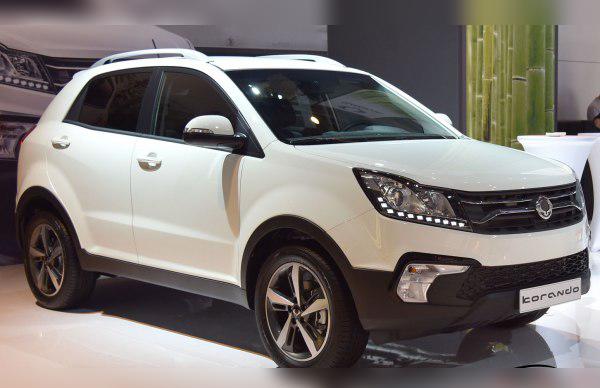
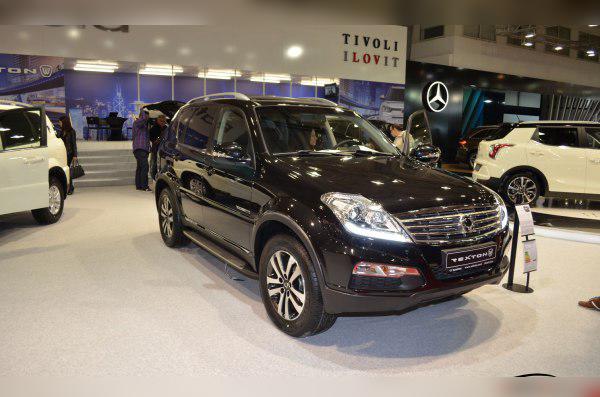
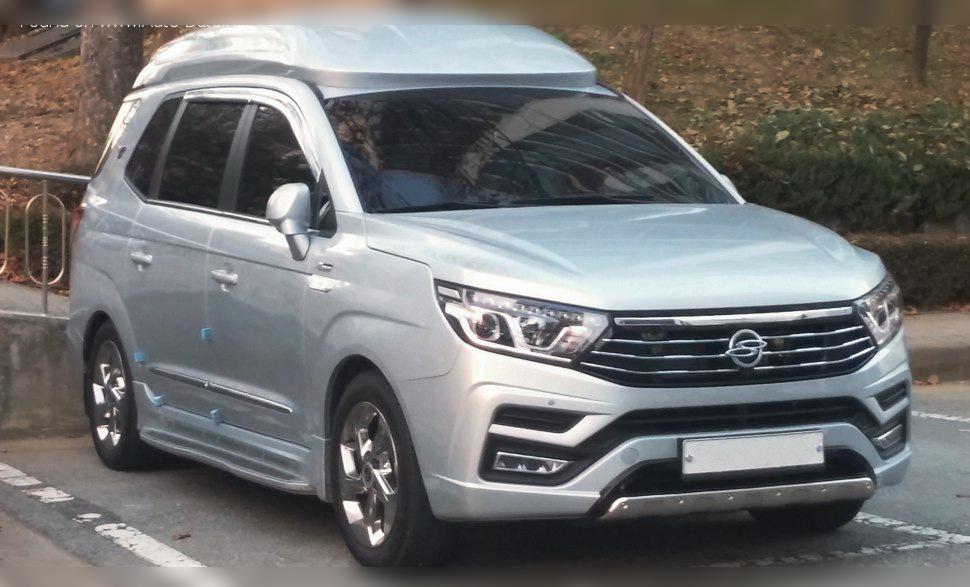
The engine designated as D22DTR, commercially known as 2.2 e-XDi, represents the evolution of SsangYong diesel units. Although earlier SsangYong engines were rooted in Mercedes technology, this block was largely developed “in-house” to meet strict Euro 6 standards. It was installed in the heaviest vehicles in the lineup, including SUVs like the Korando III, workhorse pickups Korando Sports, the massive Rexton I and the large family MPV Rodius II.
What sets this engine apart is its purpose – it was not designed for traffic light drag races, but for towing, tackling difficult terrain and continuous cruising. With impressive torque available at very low revs, the 2.2 e-XDi behaves like a small locomotive.
Technical specifications
| Parameter | Specification |
|---|---|
| Engine codes | D22DTR / 2.2 e-XDi |
| Displacement | 2157 cc |
| Power | 131 kW (178 hp) |
| Torque | 400 Nm |
| Fuel type | Diesel |
| Injection system | Common Rail (Delphi) |
| Charging | Turbocharger (VGT), Intercooler |
Reliability and maintenance: Service, oil and timing chain
One of the first things every buyer wants to know is the type of timing system. The good news is that the D22DTR uses a timing chain to drive the camshafts. The chain is massive, high-quality and rarely causes headaches. Because of this, the classic “major service” with belt replacement does not exist here in the traditional sense. It is recommended to visually and acoustically inspect the condition of the chain, tensioner and guides after 200,000 km. If the engine is quiet on cold start, the chain is left alone.
As for lubrication, this engine takes about 6.0 liters of engine oil. It is mandatory to use 5W-30 oil that meets Low SAPS (C2/C3) specifications due to the presence of a DPF filter. This engine does not have a pronounced issue with oil consumption; in proper condition, consumption between two services (every 10,000 to 15,000 km) should not exceed 0.5 liters, which is considered completely normal. Any higher consumption indicates a problem with piston rings or the turbocharger.
Major failures of the block and cylinder head are rare, as the block is built robustly. Still, regular maintenance and clean filters are crucial for its long service life.
Specific components: Injectors, turbo, DPF and EGR
Injection system and injectors
The injection system in this engine is based on Delphi Common Rail architecture. While the system provides excellent performance and smooth operation, the injectors are quite sensitive to poor fuel quality and contamination. In practice, injectors last between 150,000 km and 200,000 km. Symptoms of wear include rough idle, increased black smoke under full throttle (if the DPF is not in perfect condition) and loss of power. Rebuilding Delphi injectors is possible but can be very expensive (depends on the market). Prevention means regularly replacing the fuel filter with a top-quality one.
Turbocharger
The engine is equipped with a single variable-geometry turbocharger (VGT). The turbo’s lifespan is quite decent, usually exceeding 200,000 km without overhaul, provided that the engine is not switched off immediately when hot after hard highway driving and that the oil is changed regularly. When the turbo starts to give up, the driver will hear a characteristic “whistle” or notice oiliness around the intercooler hoses and a loss of power.
Emissions: EGR, DPF and AdBlue
Like every modern diesel, the SsangYong 2.2 e-XDi has both DPF and EGR. The EGR valve tends to clog with soot, especially if the car is driven on short city trips with a cold engine. This leads to jerking while driving and the “Check Engine” light coming on. The DPF filter is generally reliable, but it clogs if the vehicle is not given the chance to complete regeneration on open roads.
Regarding AdBlue (SCR system), the data varies depending on production year, specific body style and emissions standard (Euro 6b versus Euro 6c/d). Earlier 178 hp versions often do not have SCR, while newer models (especially Rexton/Rodius) received the AdBlue system. If your model has AdBlue, the most common issues come from a failed pump or heater in the urea tank, which can cause the engine to be blocked and refuse to start. Solving this problem often requires replacing the entire unit (very expensive – depends on the market).
Fuel consumption and real-world performance
Although the engine produces a healthy 178 hp and strong 400 Nm (available from 1400 to 2800 rpm), it is by no means “lazy”. The bodies it is installed in, such as the Rexton or Rodius, weigh well over two tons, yet the engine handles them with ease. Acceleration is not sporty, but it is linear and convincing. In the lighter Korando, the engine feels very lively.
Real fuel consumption in city driving depends heavily on vehicle weight and gearbox type. For the Korando you can expect around 8.5 to 10 l/100 km in town. However, with the massive Rexton or Rodius with 4WD, in heavy traffic it is realistic to count on 11 to 12 l/100 km. On open roads, consumption drops to about 6.5–7.5 liters.
On the motorway, aerodynamics (or rather, the lack of it) plays a major role. At 130 km/h, the engine cruises at a very relaxed 2100 to 2300 rpm (depending on final drive ratio and gearbox), which guarantees low cabin noise and a fairly calm journey. Highway consumption is around 8 to 9 liters.
Extras: Remapping (Stage 1)
Although these are not cars meant for racing, the D22DTR engine offers decent room for safe tuning (Stage 1). With a software remap only, without any hardware modifications, power can be safely raised from 178 hp to about 210 to 215 hp, while torque climbs to a hefty 450 to 460 Nm. This modification dramatically improves throttle response and makes overtaking easier when the vehicle is fully loaded with passengers. However, pushing the parameters beyond these values is not recommended, primarily due to the limits of the automatic gearbox and to avoid accelerating DPF clogging caused by increased soot.
Gearbox: Manual vs Automatic (Aisin)
This engine is available with 6-speed manual gearboxes as well as excellent automatic transmissions. In most versions (especially the Korando) it was paired with the renowned Japanese Aisin 6-speed automatic, considered one of the most durable transmissions on the market.
Manual gearbox and dual-mass flywheel
Versions with a manual gearbox are equipped with a dual-mass flywheel. Given the huge torque (400 Nm) and the high vehicle weight, the dual-mass flywheel is under heavy load and is usually ready for replacement between 150,000 and 180,000 km. Symptoms include vibrations when moving off from a standstill, a dull thud when switching off the engine and shaking at idle. Replacing the clutch kit together with the dual-mass flywheel is a serious hit to the wallet, i.e. it is an expensive repair (depends on the market). This is why the oil in the manual gearbox must be changed every 80,000 km to prolong the life of the synchros.
Automatic gearbox
Automatic transmissions do not use a classic dual-mass flywheel but a hydraulic torque converter. Aisin gearboxes are top quality, but they are not indestructible without maintenance. The most common failure in these automatics is damage to the valve body due to accumulated metal particles in the oil. Symptoms include harsh “jerks” when shifting from P to D, or shocks when shifting from a lower to a higher gear once the transmission has reached operating temperature (around 90°C). To avoid this, the rule is strict: the transmission must be serviced and the oil and filter replaced every 60,000 km!
Buying used and conclusion
When looking at a used SsangYong with this 2.2 e-XDi engine, you need to approach the inspection as you would with a proper off-roader or work machine. Here is what an expert eye needs to check:
- Cold start: The engine should start “on half a turn”. Listen for metallic rattling in the first three seconds – if you hear sharp chain noise, the tensioner is weak.
- Condition of injectors and DPF: Floor the throttle while the car is stationary (when fully warmed up). It must not emit a thick black cloud of smoke. An OBD diagnostic check is mandatory: check the DPF saturation level and correction values on the Delphi injectors.
- Automatic transmission test drive: Drive the car until it reaches operating temperature and then brake sharply (as if approaching a speed bump) and accelerate again. If the gearbox hesitates and jerks, the valve body is in trouble.
- Driveshaft and suspension (for 4WD versions): Get under the vehicle. Pay attention to oil leaks from the transfer case and rear differential.
Final verdict: Who is the D22DTR engine for? If you live in the city and use the car only for a 4 km home–kindergarten–work commute, avoid this engine – the DPF and EGR will cost you nerves and money. However, if you need a large and durable vehicle for towing a boat or trailer, for visiting worksites, hunting, occasional off-road use, or long motorway trips in a 7-seater (Rodius), this engine is a fantastic choice. It is more reliable than many better-known European names and cheaper to buy used, provided you find an example with a verifiable service history and always fill up with top-quality fuel.