Subaru FB16 1.6i (114 hp) engine: Experiences, problems, fuel consumption and used car buying tips
Key points (TL;DR)
- Exceptional longevity: Naturally aspirated boxer engine without a turbo, mechanically unstressed and designed to cover very high mileage.
- Lack of power: With only 114 hp and 150 Nm, it is extremely “sluggish” in heavier bodies (especially in XV models and with AWD).
- Oil consumption: Older model years (before the facelift) can have more pronounced oil consumption due to piston rings; regularly checking the dipstick is mandatory.
- Timing system: Uses a timing chain that rarely causes problems, which eliminates the classic “major timing service”.
- Maintenance costs: The specific boxer layout means that seemingly simple jobs, such as spark plug replacement, are labor‑intensive and more expensive.
- Lineartronic (CVT) gearbox: Requires strict oil changes every 60,000 km; CVT repairs are very expensive (depends on the market).
Contents
- Introduction: About the engine and models
- Technical specifications
- Reliability and maintenance
- Specific parts (costs)
- Fuel consumption and performance
- Additional options and modifications
- Gearbox and drivetrain
- Buying used and conclusion
Introduction: About the engine and models
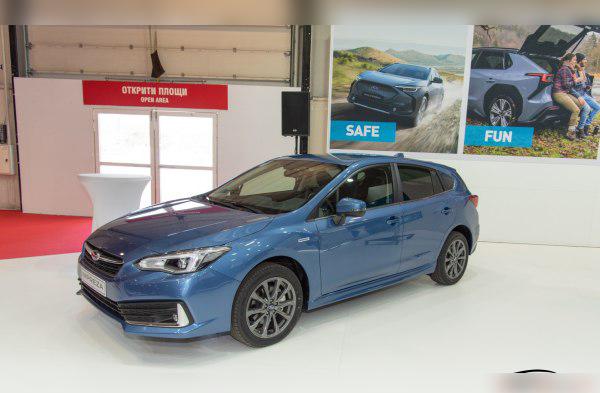
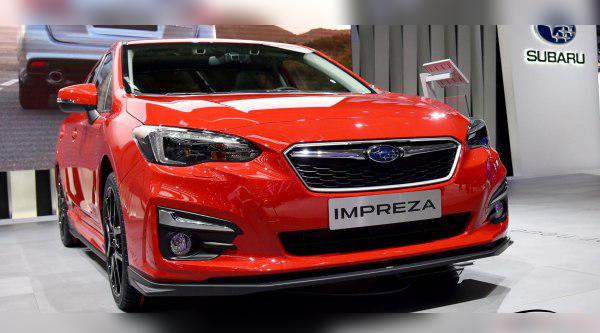
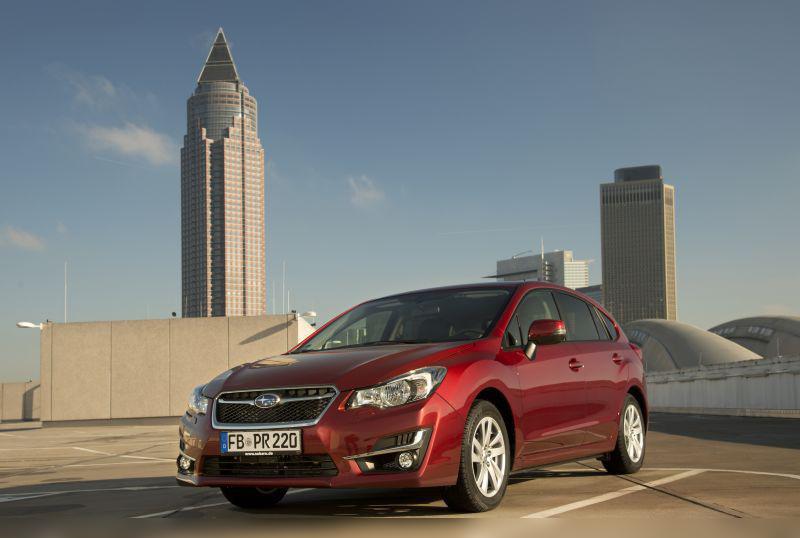
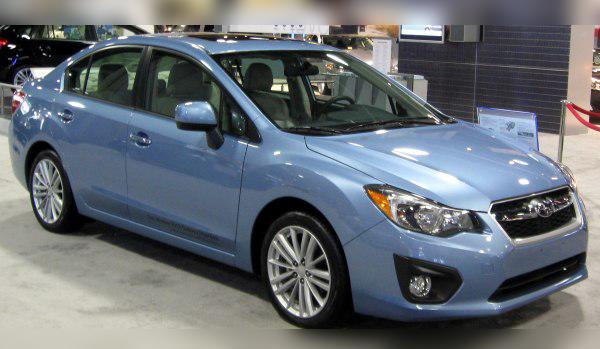
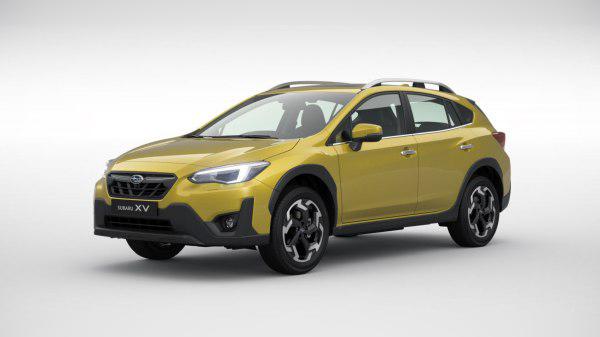
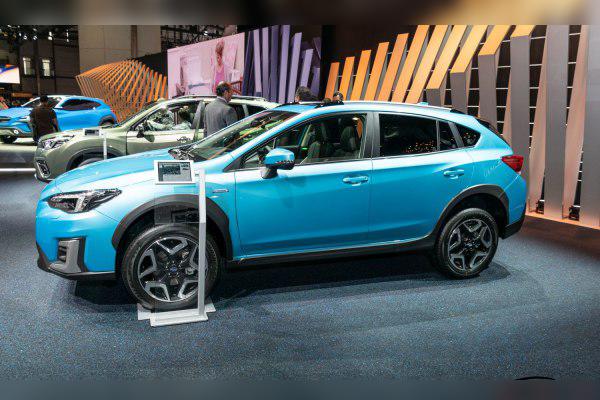
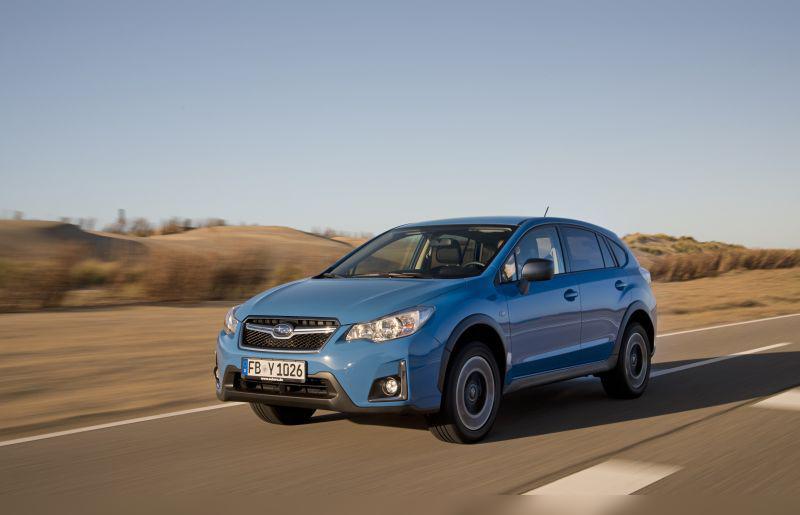
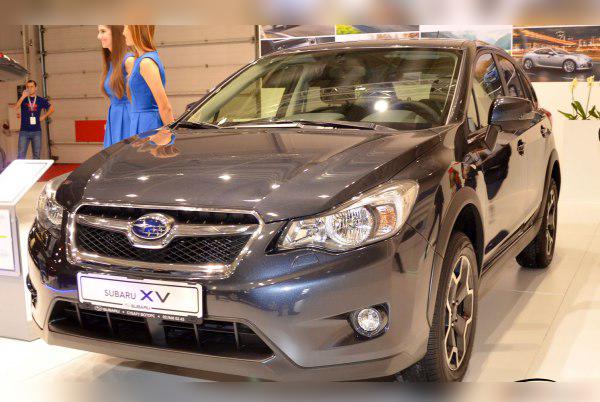
Subaru’s FB16 engine represents a newer generation of the famous Japanese boxer engines. It succeeded the legendary but outdated EJ series, with the goal of offering better fuel economy, meeting strict European emission standards and providing smoother operation. It was primarily installed in the Subaru Impreza (fourth and fifth generation, hatchback and sedan versions) and the Subaru XV (first and second generation, including facelifts from 2015 to 2021).
What sets this engine apart is precisely its boxer architecture – horizontally opposed cylinders that lower the car’s center of gravity, improving handling. Combined with Subaru’s Symmetrical All‑Wheel Drive (Symmetrical AWD), this system offers excellent stability, but it also brings a serious downside in the form of added weight, which directly affects the performance of this relatively small engine.
Technical specifications
| Parameter | Data |
|---|---|
| Engine displacement | 1600 cc (1.6 liters) |
| Power | 84 kW (114 hp) |
| Torque | 150 Nm at 4000 rpm |
| Engine code | FB16 |
| Engine type | Boxer, 4 cylinders, DOHC, 16 valves |
| Injection type | Port fuel injection (MPI) in most versions |
| Aspiration | Naturally aspirated engine |
Reliability and maintenance
Chain or timing belt?
The good news for owners is that the FB16 engine uses a timing chain instead of the timing belt that was typical for the old EJ engines. The chain is designed to last as long as the engine itself, so there is no classic interval for a “major timing service”. However, after 200,000 to 250,000 km, it is recommended to check the chain stretch and the condition of the tensioners. If you hear metallic rattling from the front of the engine on a cold start, it is time to replace the chain set, which can be expensive (depends on the market).
Most common failures
This engine is generally very reliable because it has no turbo and no complex high‑pressure systems. Still, it suffers from a few typical issues. The first are the VVT system solenoids (variable valve timing), which can start leaking oil as the O‑ring seals age. The second are oil level sensors that sometimes give false warnings on the instrument cluster, and the third are the valve cover gaskets which, due to the horizontal engine position, gradually harden from heat and start seeping oil onto the exhaust manifold (causing a burning smell in the cabin).
Engine oil and consumption
The oil sump capacity is about 4.8 liters. The recommended oil grade is 0W-20 (synthetic), primarily to reduce internal friction and for emission reasons. Because of the “thin” oil and boxer layout, oil consumption is a common occurrence. On the first series of XV models (2012–2015), consumption due to weaker oil control rings could reach 0.5 to 0.8 liters per 1,000 km, which is borderline problematic. After the facelift (after 2015/2016), the issue was mitigated, but it is still completely “normal” for this engine to use around 0.2 to 0.4 liters of oil per 1,000 km under hard driving. Always check the oil dipstick every 1,000 km!
Spark plugs and specific service requirements
Although it is a petrol engine, replacing the spark plugs is not straightforward. Due to the horizontally opposed cylinders, the space between the engine and the chassis rails is minimal. It is recommended to install quality iridium spark plugs with a replacement interval of 100,000 km. Replacement requires special tools and a lot of mechanic skill (it often involves loosening the engine mounts and slightly lifting the engine), which significantly increases labor cost – spark plug replacement is quite expensive (depends on the market).
Specific parts (costs)
Dual‑mass flywheel and clutch
Yes, if the car has a manual gearbox, it is equipped with a dual‑mass flywheel. Subaru uses it to neutralize the specific vibrations of the boxer engine at low revs and to protect the transmission (especially with AWD). Replacing the full set (flywheel, clutch disc, pressure plate, release bearing) is very expensive (depends on the market). Models with the Lineartronic automatic gearbox do not have a conventional dual‑mass flywheel and clutch.
Injection system, turbo, EGR and AdBlue
The FB16 uses traditional port fuel injection (MPI) on the vast majority of models from this period (although some very late iterations on certain markets received direct injection; always check by VIN). MPI injectors are extremely robust, tolerate poor‑quality fuel well and rarely fail. Replacement injector prices are not high.
This engine does not have a turbocharger, which is a huge plus for reliability and lower maintenance costs.
Since this is a naturally aspirated petrol engine, there is no DPF filter, nor an AdBlue system (those are reserved exclusively for diesels). The engine is equipped with an EGR valve to reduce NOx emissions, which can get clogged with carbon after about 150,000 km, causing rough idle. Cleaning the EGR solves the problem and is not expensive.
Fuel consumption and performance
City driving and performance
Let’s be honest: the Subaru FB16 with 114 hp and only 150 Nm of torque is a very sluggish engine. When you add the car’s weight to that modest power output (the Subaru XV weighs around 1,400 kg empty) and the constant drag of the AWD system, performance is at best anaemic. The 0–100 km/h sprint takes a painfully long 13 to 14 seconds.
As for fuel consumption, the permanent AWD takes its toll. In real city driving with stop‑and‑go traffic, consumption ranges between 9.5 and 11 l/100 km. This is quite a high figure for a C‑segment car with a 1.6 engine.
On the motorway
On open roads the situation is acceptable if you are a calm driver. Overtaking on single‑carriageway roads requires planning, downshifting and revving the engine high (where it becomes quite noisy). At a cruising speed of 130 km/h:
- With the Lineartronic (CVT) gearbox, revs are electronically kept relatively low, around 2,600–2,800 rpm, which makes driving quieter and reduces fuel consumption to about 7–8 l/100 km.
- With the manual gearbox, due to short gear ratios, at 130 km/h the engine runs at around 3,400–3,600 rpm, which increases cabin noise and fuel consumption.
Additional options and modifications
Is this engine good for LPG?
Thanks to MPI injection, it is technically very easy to install a conventional sequential LPG system. However, specialists are reluctant to recommend it. Subaru engines, including the FB16, have relatively “soft” valve seats that suffer from the higher combustion temperatures of LPG. The biggest problem is that in order to adjust the valve clearances on this engine (which must be done much more frequently if you run LPG), the engine has to be removed from the car. The cost of that job often cancels out all the savings you achieved by running on LPG. If you still decide to go for LPG, installing a valve lubrication system (“valve saver”) is mandatory.
Chip tuning (Stage 1)
Chipping this engine is a complete waste of money. As with any small naturally aspirated engine, remapping the ECU can give you at most 5 to 8 hp and maybe 10 Nm of torque. In practice, the driver will not even feel that difference. There is no way to turn this engine into a racer.
Gearbox and drivetrain
The FB16 engine was mostly paired with a 5‑speed manual gearbox or a Lineartronic (CVT) automatic gearbox.
Manual gearbox
The manual gearboxes are known to be virtually indestructible, with robust gearsets. Their most common issue is the aforementioned dual‑mass flywheel, and sometimes grinding when quickly engaging reverse. The oil in the manual gearbox and differentials should be changed every 60,000 km.
Lineartronic (CVT) automatic gearbox
The Lineartronic offers seamless power delivery without jerks, is ideal for smooth city driving and can simulate gear steps. However, CVT gearboxes do not tolerate neglected maintenance. The most common CVT failures are damage to the valve body (valve/solenoid body) or stretching of the metal chain inside the gearbox. Symptoms include: jerking when setting off, fluctuating revs without actual acceleration, or strong vibrations in the steering wheel and body when the car comes to a stop at traffic lights in “D” mode.
Golden rule for the Lineartronic: The oil MUST be changed every 60,000 km. Although some authorized dealers claim the oil is “lifetime”, real‑world workshop experience shows that gearboxes where the oil was never changed tend to fail massively after about 150,000 km. Rebuilding a CVT gearbox is very expensive (depends on the market).
Buying used and conclusion
What to check when buying?
- Cold start: Start a completely cold car. Listen to the front of the engine; if you hear chain rattling in the first few seconds, a timing chain replacement will be needed.
- Exhaust and smoke check: Have someone blip the throttle while idling while you watch the exhaust. Bluish smoke indicates that the engine is burning oil (piston ring or valve stem seal issues), which is a sign to walk away from that car.
- Gearbox test (CVT): During the test drive, slow down to a complete stop. The car must not shudder, shake or show unusual rev fluctuations.
- Tires and suspension condition: The AWD system (Symmetrical AWD) requires all 4 tires to be of identical circumference, model and wear. Driving with mismatched tires will permanently damage the differentials. The suspension on Subaru models is otherwise robust, but be sure to check the control arm bushings.
Conclusion
A Subaru with the FB16 engine is absolutely not for drivers who want sporty acceleration, aggressive overtaking or who like to “race” from traffic light to traffic light. This engine is intended for calm drivers who prioritize safety, the unmatched all‑wheel‑drive system, excellent handling on snow and mud, and the mechanical longevity of a naturally aspirated design. If you are willing to regularly check the oil level, change the fluids in the differentials and CVT on time, and accept somewhat higher fuel consumption in the city, a Subaru Impreza or XV 1.6i will faithfully serve you for hundreds of thousands of kilometers.