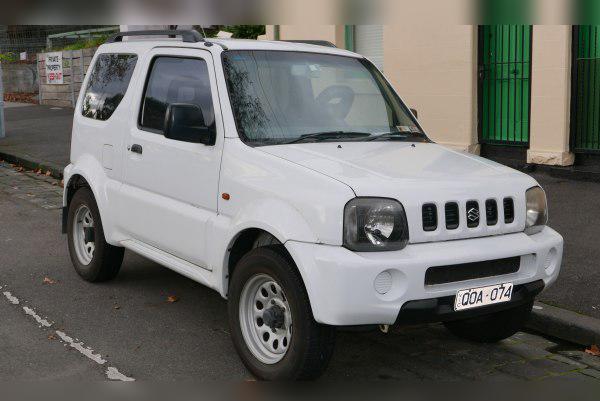
Suzuki M13A 1.3 Engine (85 HP): Owner Experiences, Common Issues, Fuel Consumption and Used-Buying Tips
- Exceptional reliability: Old-school Japanese naturally aspirated petrol with a timing chain that rarely causes serious trouble.
- Low running costs: No dual-mass flywheel, no turbocharger, and no complex emission-control systems.
- Weaker performance in heavier vehicles: In the Jimny it feels pretty “lazy” and needs to be revved hard.
- Fuel consumption: Because of the shape and drivetrain of the Jimny, city consumption is noticeably higher than the engine size would suggest.
- LPG (Autogas): Handles LPG well, but absolutely requires regular valve-clearance checks.
- Gearboxes: Manual gearboxes in off-road use can be sensitive to bearing wear due to harsher driving.
Contents
- Introduction: Get to Know the M13A Engine
- Technical Specifications
- Reliability and Maintenance
- Specific Parts and Costs
- Fuel Consumption and Performance
- Additional Options and Modifications
- Transmissions and Drivetrain
- Buying Used and Final Verdict
Introduction: Get to Know the M13A Engine
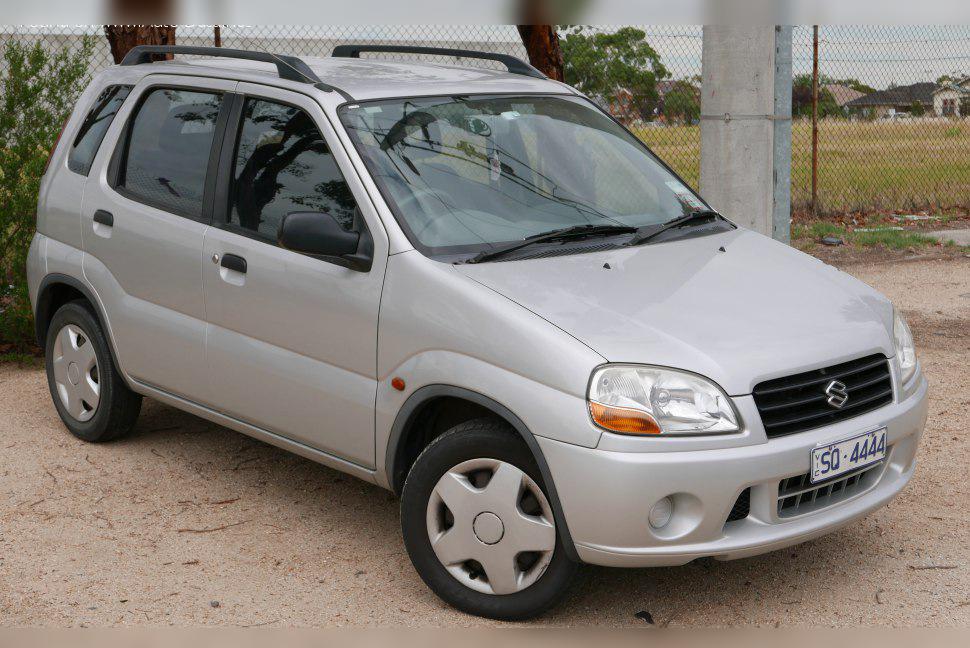
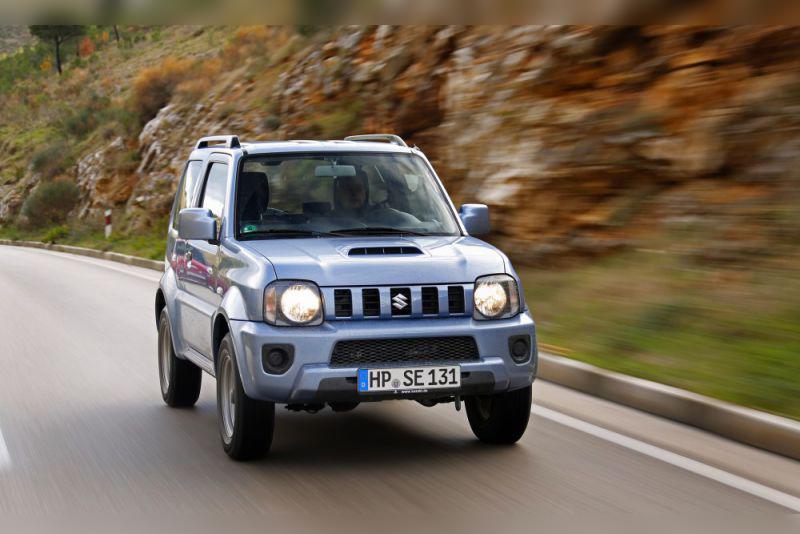
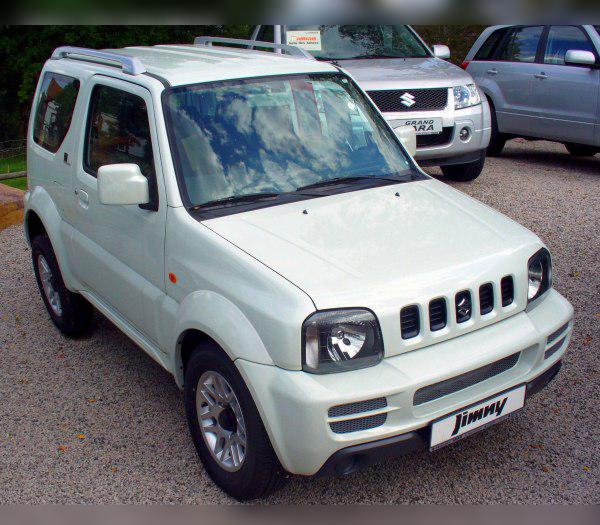
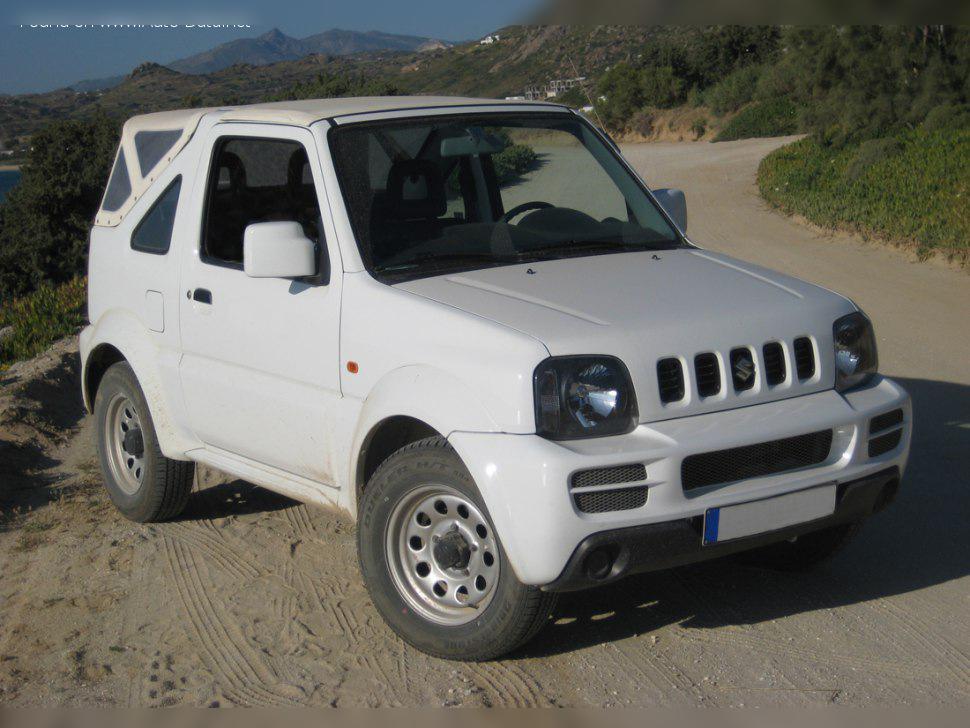
The Suzuki M13A is a legendary 1.3‑liter naturally aspirated petrol engine, famous for being almost impossible to “kill”. It was mainly fitted to the city car Suzuki Ignis I and the globally popular small off-roader Suzuki Jimny III. Later versions of the engine (from 2005 onwards) were equipped with a VVT (Variable Valve Timing) system, which slightly smooths out torque at lower revs. This is an engine for people who want to fill up, change the oil and not think about expensive repairs, although it does come with certain compromises in terms of refinement and power.
Technical Specifications
| Parameter | Value |
|---|---|
| Engine code | M13A (with or without VVT) |
| Engine type and induction | Naturally aspirated petrol |
| Displacement | 1328 cc |
| Power output | 62.5 kW (85 HP) |
| Torque | 110 Nm at 4100 rpm |
| Injection type | Indirect (Multi-Point Injection - MPI) |
Reliability and Maintenance
Does this engine have a timing belt or a chain?
Good news for your wallet: the M13A uses a timing chain. The chain is beefy, extremely durable and on these engines it very rarely jumps a tooth or snaps. With regular oil changes, it can easily last well over 250,000 km.
What are the most common issues with this engine?
As a classic naturally aspirated petrol engine, there isn’t much that can go seriously wrong. Still, the following problems are possible:
- Crankshaft position sensor and camshaft sensor: This is the most common cause if the car suddenly starts jerking or stalls once warm, and then won’t start again until it cools down.
- Ignition coils: They sit directly on the spark plugs. When one starts to fail, the engine runs on three cylinders, shakes and loses power.
- Oil leaks: Usually from the valve cover gasket. Again, not an expensive repair (depends on the market).
- VVT actuator (on newer versions): If the previous owner didn’t change the oil regularly, the screen in the variable valve timing control valve can clog up, causing rough running and illuminating the Check Engine light.
At what mileage should the “major service” be done?
Since the engine has a timing chain that doesn’t require periodic replacement unless it starts rattling, the typical “major service” boils down to replacing the water pump, coolant and the auxiliary (serpentine) belt with its tensioners and idler pulleys. It’s recommended to carry out this inspection and replacement every 90,000 to 100,000 km.
How much oil does this engine take and which grade?
The sump holds about 4 to 4.3 liters of oil. The recommended oil grade for the M13A is 5W-30. If the engine has high mileage and you notice slight oil consumption due to wear, switching to 10W-40 can be a sensible solution in warmer climates.
Does it burn oil and what is considered normal?
Japanese engines typically don’t burn oil when they’re “young”, but above 150,000 km it’s normal to use up to 0.3 to 0.5 liters per 10,000 km. If consumption exceeds 1 liter per 10,000 km, that’s a sign of hardened valve stem seals or stuck piston rings, most often due to irregular maintenance.
At what mileage should the spark plugs be replaced?
This petrol engine usually uses standard spark plugs that are replaced every 30,000 to 40,000 km. If you fit iridium spark plugs (strongly recommended by the editor), the replacement interval extends to 90,000 to 100,000 km.
Specific Parts and Costs
Does this engine have a dual-mass flywheel?
No. The Suzuki M13A is equipped with a conventional (solid) flywheel. This eliminates one of the biggest worries when buying used and significantly reduces maintenance costs.
Injection system and injector condition
The injection system is multi-point indirect injection. The petrol injectors operate at low pressure and are practically indestructible. Injector failures are extremely rare and usually only occur if there has been a lot of sludge and water in the fuel tank.
Turbo, DPF, EGR and AdBlue
- Turbocharger: There isn’t one. This engine is naturally aspirated, which means fewer parts that can fail.
- DPF and AdBlue: These systems are reserved exclusively for modern diesel engines. The M13A of course doesn’t have them.
- EGR valve: The engine does have an EGR (Exhaust Gas Recirculation) valve to reduce harmful emissions. Over the years and with lots of short city trips, the valve can get clogged with soot, causing an unstable idle (fluctuating revs). The fix is usually simple and cheap: remove the valve and clean it.
Fuel Consumption and Performance
Real-world city fuel consumption
This depends heavily on the car. In the small, light Ignis, you can expect city consumption of around 7.5 to 9 liters per 100 km. However, the Jimny is a completely different story. With the aerodynamics of a wardrobe and a heavy 4x4 drivetrain with prop shafts and a transfer case, there’s a price to pay. In city traffic, a Jimny with this engine will routinely use 10 to even 12 liters per 100 km in winter.
Is the engine “lazy”?
In the Jimny – absolutely yes. With only 110 Nm of torque at a fairly high 4100 rpm, the driver has to really “floor it” and rev the engine hard to keep up with more dynamic traffic. For hilly road driving on tarmac it feels underpowered. On the other hand, in off-road use in first gear with low range engaged, there is more than enough power. In the much lighter Ignis (usually front-wheel drive only), the engine feels far more lively and is perfectly adequate.
Behavior on the motorway at 130 km/h
If you’re planning long motorway trips with this engine (especially in a Jimny), be prepared for noise. The gearboxes have very short ratios, so at 130 km/h the engine is screaming at over 4000 rpm. Wind noise, engine noise and the vague steering (on the Jimny’s solid axles) make speeds above 110 km/h uncomfortable, so owners quickly learn to cruise at around 90 to 100 km/h.
Additional Options and Modifications
Is this engine suitable for LPG (autogas)?
You can fit a sequential LPG system and it will run just fine, but there is a serious catch. The M13A does not have hydraulic tappets. Because LPG combustion temperatures are higher, the valves (especially exhaust valves) can “sink” into their seats. If you run on LPG, regular checks and adjustment of valve clearances every 30,000 to 40,000 km are mandatory. Many experienced mechanics also recommend fitting a so‑called valve saver system (Flashlube) to cool and lubricate the valve seats.
How much safe power gain is possible with a Stage 1 remap?
In short: None. Remapping a naturally aspirated 1.3‑liter petrol engine is basically throwing money away. By tweaking the ECU maps you might gain 3 to 5 HP at best, which is absolutely imperceptible in real driving. If you want more power, you need to buy a different car.
Transmissions and Drivetrain
Available transmissions
The M13A was paired with a 5‑speed manual gearbox and an old but durable 4‑speed conventional automatic with a hydraulic torque converter.
Most common manual and automatic gearbox issues
- Manual gearbox (especially in the Jimny): Due to the vehicle’s specific purpose and weight, bearing wear in the gearbox is a common issue. If, when you accelerate (especially in 2nd or 3rd gear), you hear a whining noise from the gearbox that disappears when you press the clutch, the bearings are on their way out.
- Automatic gearbox: The 4‑speed auto is robust and rarely fails. Its only real downside is that it’s outdated, slows the car down and increases fuel consumption. Problems usually arise only if it overheats during heavy off‑road use (its natural habitat) and the oil isn’t changed on time.
Clutch replacement cost (manual gearboxes)
Since it uses a solid flywheel, you only replace the clutch kit (friction disc, pressure plate, release bearing). That cost usually falls into the “not expensive” category (depends on the market). On the Ignis the job is simpler, while on the Jimny it requires removing more propshaft components, so labor can be somewhat higher.
Gearbox maintenance
For the manual gearbox, change the oil every 60,000 km (don’t believe in “lifetime” gearbox oil). For the automatic, the ATF change interval should be between 60,000 and 80,000 km.
Note for Jimny owners: Besides the gearbox, don’t forget you also need to change the oil regularly in the transfer case and in both the front and rear differentials!
Buying Used and Final Verdict
What to check before buying?
- Listen to a cold start: When the engine is started completely cold, the chain shouldn’t rattle for more than a second or two while oil pressure builds up. Constant rattling means the chain is stretched or the tensioner has failed.
- Check for unstable idle: Let the engine warm up. It should idle smoothly at around 700–800 rpm. If the needle fluctuates, the culprit is usually a dirty EGR valve, throttle position sensor (TPS) issues or a problem with the ignition coils.
- Test drive under load (Jimny): Put it in a higher gear at low revs and floor the throttle. If the car jerks, the ignition system (plugs, coils) is weak. Also listen for gearbox “whine” under load while driving.
- Signs of oil leaks: Inspect the joint between the cylinder head and the valve cover. Even though it’s a cheap fix, any oil leak is an excellent bargaining chip to lower the price.
Final verdict: Is the M13A the right choice for you?
The Suzuki M13A (85 HP) is a textbook example of old-school engineering where reliability comes before performance. Its mechanical design is simple, cheap to diagnose and extremely tough.
Who is it for? For people who value functionality over comfort. In the Ignis it makes for a nimble and dependable city car. In the Suzuki Jimny, this engine delivers excellent off-road capability with low range engaged and at low speeds, where outright horsepower isn’t crucial.
However, if you’re looking for a car that will comfortably overtake on country roads or regularly cruise the motorway at over 120 km/h, both the M13A and the cars it was fitted to will frustrate you with their lack of power and high noise levels. It’s a reliable “work mule”, and you shouldn’t expect a mule to win any races.