Suzuki / Fiat 1.6 M16A (107 hp): Experiences, problems, and used car buying tips
Key points in short (TL;DR):
- Old-school mechanics: A pure naturally aspirated petrol engine, without complicated electronics or sensitive components.
- Drivetrain: The engine uses a timing chain, which reduces regular maintenance costs.
- No expensive failures: No dual-mass flywheel, no turbocharger, and no issues with high-pressure injectors.
- LPG conversion: Requires caution and regular valve clearance checks because it has no hydraulic lifters.
- Gearbox and drivetrain: On 4x4 versions and heavier models, pay attention to the bearings in the manual gearbox, which can fail.
- Fuel consumption: Due to short gear ratios and the lack of a sixth gear, fuel consumption on the highway and in the city can be higher than expected.
Contents
- Introduction and basic information
- Technical specifications
- Reliability and maintenance
- Specific parts and costs
- Fuel consumption and performance
- Additional options and modifications (LPG and chip tuning)
- Gearbox and drivetrain
- Buying used and conclusion
Introduction and basic information
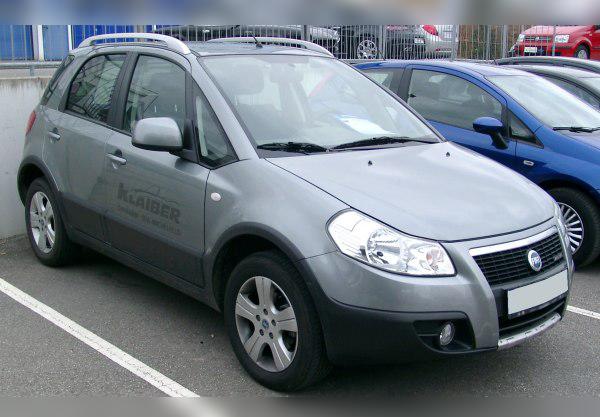
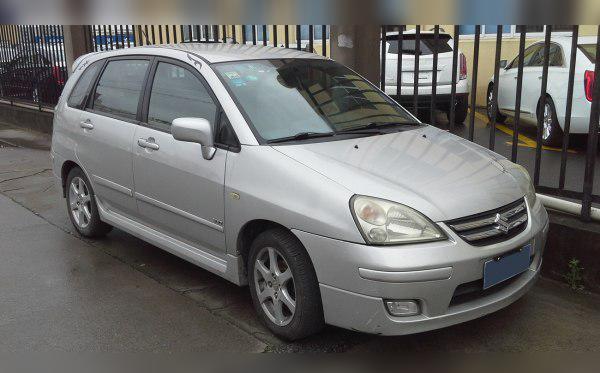
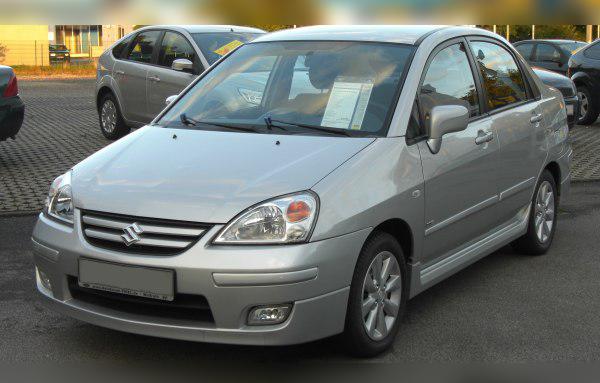
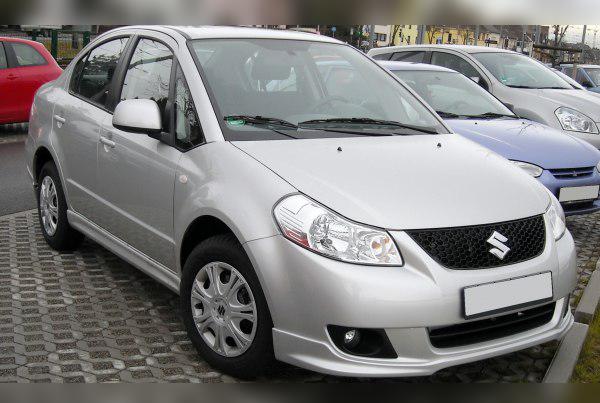
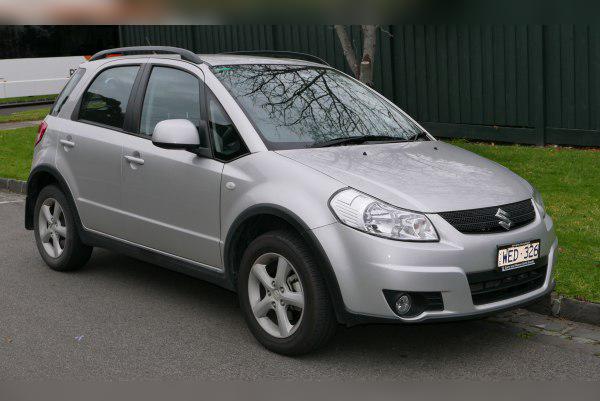
The Japanese car industry has long been synonymous with indestructible naturally aspirated petrol engines, and Suzuki’s M16A engine is one of the best examples of that philosophy. With a displacement of 1.6 liters and an output of 107 hp (79 kW), this engine was the main trump card in models such as the Suzuki SX4, Liana, and Grand Vitara III (three-door version), and it also found its way under the hood of the Fiat Sedici thanks to the cooperation between these two manufacturers.
This is a power unit designed before the era of strict environmental regulations (downsizing), which makes it extremely sought after on the used car market today. Its primary purpose is longevity, but that comes with certain compromises in terms of driving refinement and fuel consumption on fast road sections.
Technical specifications
| Characteristic | Data |
|---|---|
| Engine code | M16A (VVT) |
| Displacement | 1586 cc |
| Power | 79 kW (107 hp) |
| Torque | 145 Nm |
| Injection type | Indirect injection (MPI) |
| Air charging | Naturally aspirated engine |
| Camshaft drive system | Timing chain |
Reliability and maintenance
Timing belt or chain and major service
The M16A engine uses a timing chain to drive the camshafts. This is a big advantage because there is no classic “major service” in the sense of timing belt replacement. The chain on these engines is extremely robust and rarely needs to be replaced before 200,000 to 250,000 km. However, a “major service” is still performed and includes replacement of auxiliary (serpentine) belts (tensioners and idlers), water pump, and coolant, recommended every 90,000 to 120,000 km. If you hear a metallic rattling noise from the engine area for a few seconds during the first cold start in the morning, it is a sign that the chain has stretched or that the chain tensioner is losing oil pressure.
Engine oil and oil consumption
This engine takes about 3.9 to 4.2 liters of oil, and the manufacturer recommends 5W-30 or 5W-40, depending on the climate. These engines leave the factory with very tight tolerances, but after 150,000 km it is completely normal for them to consume some oil between changes. Consumption of 0.5 to 1 liter per 10,000 km is considered perfectly normal. If the engine consumes significantly more oil (over 1 liter per 3,000 km), the cause usually lies in hardened valve stem seals or stuck piston rings, as a consequence of infrequent oil changes or engine overheating.
Spark plugs and ignition system
Since this is a petrol engine, proper ignition of the mixture is crucial. For the M16A, iridium spark plugs are recommended. Although more expensive initially, their service life is around 60,000 to 90,000 km. If standard plugs are installed, the replacement interval is shorter, around 30,000 km. The most common failure in the ignition system is the ignition coils, which can fail due to age and heat. The driver notices this as engine hesitation under acceleration and the illumination of the Check Engine light (misfire codes, e.g. P0301–P0304).
Specific parts and costs
Fuel injection system and pumps
This is an MPI engine with indirect port injection, which means the system is incredibly simple. The petrol injectors on this engine almost never cause problems, and if they do get dirty due to poor fuel quality, they can be easily and cheaply cleaned in an ultrasonic bath. There is no expensive high-pressure pump you need to worry about.
Turbo and emissions (EGR, DPF, AdBlue)
The engine is purely naturally aspirated – there is no turbocharger. This eliminates one of the most expensive failures that can occur on modern vehicles. Also, since this is an older-generation petrol engine, there is no DPF filter and no AdBlue system. Certain versions have a simple EGR valve that can accumulate soot after many years of city driving (manifesting as rough idle), but it is very easy and cheap to clean and rarely fails.
Fuel consumption and performance
City driving and “sluggishness” of the engine
Despite a decent 107 hp on paper, the torque is a modest 145 Nm at a high 4000 rpm. This means that in city driving the engine is perfectly adequate in lighter models (Liana), but it can feel “sluggish” in more robust vehicles such as the Grand Vitara and SX4 with 4WD. To get the most out of it when overtaking, you have to rev it higher.
Real-world fuel consumption in urban conditions is one of this engine’s bigger drawbacks. Due to constantly having to “pull” the weight, especially in 4WD versions (SX4, Sedici), you should expect 8.5 to 10.5 l/100 km of petrol in pure stop-and-go city driving. In lighter and 2WD variants, consumption can be around 7.5–8.5 liters.
Highway and cruising
In most models, the M16A was paired with a five-speed manual gearbox with fairly short ratios. As a result, at 130 km/h the engine spins at a rather high 3500 to 4000 rpm. This has two side effects: increased cabin noise and higher fuel consumption (over 8 liters on the highway). It is clear that this is not a born highway cruiser.
Additional options and modifications
LPG conversion
Should you install a sequential LPG system on the M16A? Opinions are divided for a very concrete technical reason. This engine does not have hydraulic valve lifters, but uses so-called mechanical “buckets” or “shims” for valve clearance adjustment. LPG combustion generates higher temperatures in the combustion chamber, so over time the exhaust valves start to sink into their seats and the clearance is reduced to zero. This results in a drop in compression and damage (burning) of the valves.
If you install LPG, it is MANDATORY to add a valve seat lubrication system (so-called “flashlube”) and to manually check and adjust valve clearances every 30,000 to 40,000 km, which increases maintenance costs. In short: LPG is possible, but it requires a very conscientious owner.
Chip tuning (Stage 1)
Since this is a naturally aspirated engine without a turbocharger, classic software “chipping” (Stage 1) is absolutely pointless. By advancing ignition maps and slightly increasing fuel injection, you can gain only about 5 to 8 hp, which you will not even feel in real driving, and you may compromise the engine’s ideal operation and increase fuel consumption. Our advice is: don’t do it.
Gearbox and drivetrain
Types of gearboxes and common failures
The engine was mostly paired with a 5-speed manual gearbox, while automatic gearboxes (old but robust 4-speed torque-converter automatics) were ordered less frequently.
The manual gearbox is the biggest weak point of this drivetrain, especially on Suzuki SX4 and Fiat Sedici models. The most common problem is bearing wear inside the gearbox (input shaft bearing and bearings for first and second gear). Symptoms appear as a noticeable whining or grinding noise that changes frequency depending on vehicle speed and engine rpm. Repair requires opening the gearbox and replacing the bearing set.
The automatic gearbox is much more reliable in terms of bearings, has no inherent design flaws, and if it shifts smoothly and without jerks when cold, it will serve you flawlessly.
Flywheel and clutch
As mentioned earlier, the M16A does not have a dual-mass flywheel. It uses a conventional solid flywheel. Because of this, the cost of replacing the complete clutch kit (disc, pressure plate, release bearing) is not high (depends on the market) compared to modern turbo diesels.
Gearbox service
The oil in the manual gearbox should definitely be changed every 60,000 km, especially due to the aforementioned bearing sensitivity. For the automatic, a dynamic ATF fluid change at a similar mileage is recommended, along with mandatory filter replacement.
Buying used and conclusion
What to check when buying?
- Cold start: Ask the seller not to start the car before you arrive. When starting, carefully listen to the left side of the engine. If you hear loud rattling or metal-on-metal knocking, the chain needs to be replaced.
- Test drive: During acceleration and engine braking, listen to the sound of the manual gearbox. Any whining from the gearbox area is a sign of an upcoming expensive overhaul.
- Exhaust smoke: Ask a friend to drive behind you or rev the engine harder while stationary when it is hot. Bluish smoke is a sign that the engine is burning oil (rings or valve stem seals).
- Drivetrain condition: On 4WD systems (SX4, Sedici), check the prop shaft and differential for oil leaks and vibrations.
Who is this engine for?
The Suzuki / Fiat 1.6 M16A (107 hp) is a fantastic choice for drivers for whom reliability and low maintenance costs are an absolute priority. It is ideal for harsh conditions, trips to a weekend house, or tackling snowy mountain roads if you choose the 4x4 version.
On the other hand, it is not for you if you drive tens of thousands of highway kilometers per year, due to high noise levels and higher fuel consumption at high speeds. In a world of cars packed with sensitive electronics, DPFs, and fragile turbochargers, the M16A is a small fortress of simple and proven mechanics.