Toyota 1AZ-FE 2.0 Engine (150 HP) – Experiences, Problems, Fuel Consumption and Used Car Buying Guide
- No expensive diesel technology: Naturally aspirated petrol engine with MPI injection – no turbo, no DPF filter and no dual-mass flywheel (in most cases).
- Timing chain drive: No classic major service with a timing belt, which reduces maintenance costs.
- Oil consumption: Older series (especially before 2005) tend to consume oil due to poorly designed piston rings.
- Critical weakness: The most serious issue with this engine is the weakening of the cylinder head bolt threads, which can lead to oil and coolant mixing.
- Ideal for LPG: Thanks to indirect injection, this engine handles autogas exceptionally well.
- Automatic gearbox recommended: The old 4-speed automatic is a bit slow, but mechanically almost indestructible with regular maintenance.
Contents
- Introduction: What kind of engine is this?
- Technical specifications
- Reliability and Maintenance (Failures, Servicing, Oil)
- Specific Parts and Costs
- Fuel Consumption and Performance
- Extras: LPG and Chiptuning
- Gearbox and Drivetrain
- Buying Used and Conclusion
Introduction: What kind of engine is this?
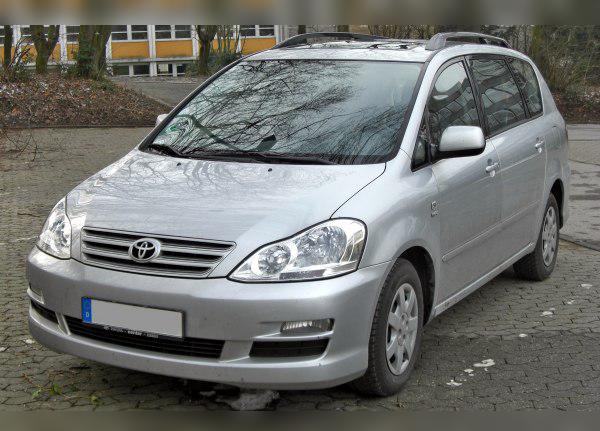
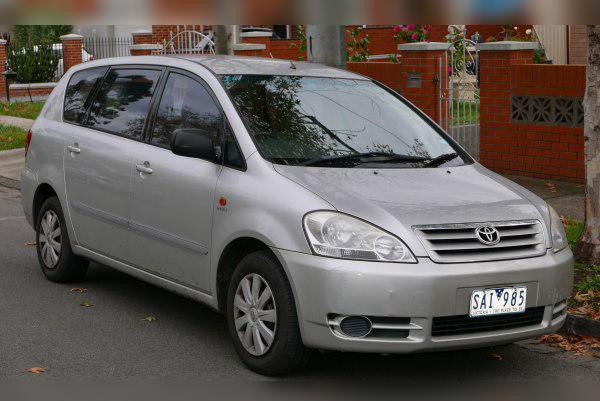
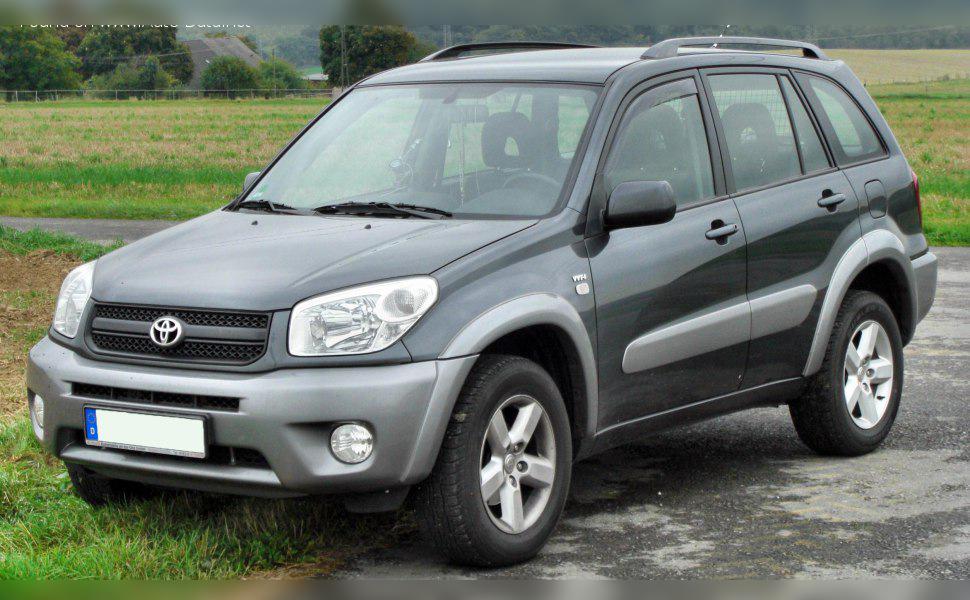
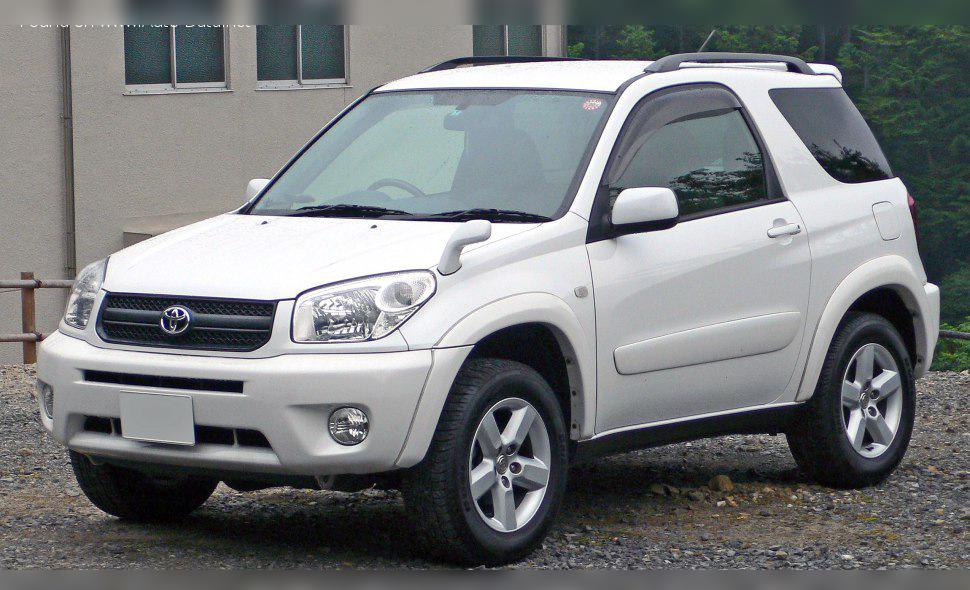
The 1AZ-FE is a 2.0-liter naturally aspirated petrol engine from Toyota’s AZ engine family. It was introduced in the early 2000s and designed to provide linear power delivery, high reliability and simpler maintenance compared to more complex powertrains. You’ll most often find it in robust and heavy vehicles such as the second-generation Toyota RAV4 (XA20) and the family MPV Toyota Avensis Verso.
With an output of 150 HP, this engine offers decent performance, but its main advantage is the absence of sensitive components. Although it carries the reputation of an “indestructible Toyota”, it still has several specific weaknesses (primarily related to the engine block) that a potential buyer must know about before spending money.
Technical specifications
| Specification | Data |
|---|---|
| Engine displacement | 1998 cc (2.0L) |
| Power | 110 kW (150 HP) |
| Torque | 192 Nm |
| Engine code | 1AZ-FE |
| Injection type | MPI (Indirect / Multi-Point Injection) |
| Aspiration | Naturally aspirated |
| Fuel type | Petrol (Gasoline) |
Reliability and Maintenance (Failures, Servicing, Oil)
Timing system: Chain instead of belt
The 1AZ-FE uses a timing chain. This means there is no classic “major service” involving a timing belt replacement every 80,000 to 100,000 km. However, the chain is not eternal. It is recommended to have it checked after 200,000 to 250,000 km. Symptoms of a stretched chain include metallic rattling on cold start or the “Check Engine” light coming on due to a mismatch between the camshaft and crankshaft sensors.
Most common failures and issues
Overall, this engine is highly reliable, but there are two critical problems that every mechanic knows well:
- Stripped cylinder head bolt threads: This is the most notorious weakness of early AZ engines (produced before 2005). Due to the design of the aluminum block, the threads of the bolts that hold the cylinder head can loosen under thermal stress. Symptoms include loss of coolant (antifreeze), rising temperature, and the presence of oil in the coolant (or vice versa). The solution requires machining the block and installing new steel inserts (Helicoil/Time-Sert), which is not cheap.
- VVT-i gear (Variable valve timing): A rattling sound (like a diesel) lasting a few seconds on the first cold start in the morning indicates a worn VVT-i gear. Replacing it solves the problem, and driving with this symptom in the long run can damage the timing system.
- Water pump leaks: The water pump can start leaking already at around 100,000 km. The driver may notice this by pink/red traces of coolant around the belt area.
Service intervals, oil and oil consumption
This engine takes about 4.2 liters of engine oil (including the filter). The recommended grade is full synthetic 5W-30. A minor service (oil and filter change) should be done every 10,000 to a maximum of 15,000 km.
Does it consume oil? Yes, this is a known issue. Due to the design of the oil control rings on the pistons, high-mileage engines are prone to oil consumption. Manufacturer tolerance is always high, but in practice, consumption of 0.5 to 1 liter per 5,000 km is considered normal for an older used engine. If the engine consumes more than a liter per 1,000 km, it’s time for a serious overhaul with new piston rings and valve stem seals.
Spark plugs
Since this is a petrol engine, spark plugs are crucial for smooth operation. The factory usually recommends iridium spark plugs. They are more expensive, but are replaced every 90,000 to 100,000 km. Standard plugs, if you use them, must be replaced at around 30,000 km. Symptoms of bad spark plugs include jerking during acceleration and an uneven idle.
Specific Parts and Costs
Fuel injection
Unlike the 1AZ-FSE engine, which has direct injection (D-4) and is sensitive to fuel quality, the 1AZ-FE uses classic MPI (Multi-Point) indirect injection. Petrol injectors in this system are extremely reliable, rarely fail and are not expensive to clean (ultrasonic bath) if they become slightly clogged.
Expensive diesel systems? Not here.
This engine is a relief for your wallet because it has no turbocharger, no DPF filter and no AdBlue system. This eliminates all the potentially costly failures that come with modern diesels. The EGR valve (if present in certain emission versions) is much simpler and rarely causes serious trouble in petrol exhaust compared to diesel soot.
Fuel Consumption and Performance
Real-world fuel consumption
Since this engine is found in vehicles with poor aerodynamics (RAV4) or high weight (Avensis Verso), and often with 4WD, you shouldn’t expect the economy of a small city car. In city driving, real-world consumption is between 11 and 13 liters per 100 km. On the open road it drops to around 7.5–8.5 liters, but the average combined consumption will hardly go below 9.5 l/100 km.
Performance: Is it “lazy”?
The engine offers 150 HP, which looks decent on paper. However, the torque of 192 Nm is available only at higher revs (around 4,000 rpm). In the heavy body of an Avensis Verso or a 4WD RAV4, this engine can feel “lazy” at low revs, especially when the car is fully loaded with passengers and luggage. For brisk overtaking, you’ll have to shift down and step on the gas – this is typical of all naturally aspirated petrol engines.
On the motorway
At a cruising speed of 130 km/h with the five-speed manual gearbox, the engine will be spinning at a relatively high 3,200 to 3,500 rpm (this varies slightly depending on the vehicle’s gear ratios). Because of this, cabin insulation becomes important, as engine noise can be noticeable and fuel consumption at that speed rises to almost 9–10 l/100 km.
Extras: LPG and Chiptuning
LPG conversion
Good news: This engine is extremely suitable for a sequential LPG system. Thanks to MPI injection, installation is standard and relatively affordable (depending on the market, usually not expensive). It does not require any extreme modifications. However, since Toyota engines sometimes have slightly “softer” valve seats, many experienced LPG installers recommend adding a valve lubrication system (so-called “drip” or Flashlube) as an extra precaution to prolong cylinder head life when running on gas.
Chiptuning (Stage 1)
Is it worth chiptuning the 1AZ-FE? Short answer: No. As this is a naturally aspirated petrol engine without a turbo, a so-called “Stage 1” remap will give you at most 8 to 10 HP and a few Nm of torque. You will hardly feel this difference in real driving, and the cost of map optimization is not worthwhile. It’s best to leave the engine with its factory settings.
Gearbox and Drivetrain
Manual and automatic gearboxes
Two basic types of gearboxes were paired with the 1AZ-FE:
- 5-speed manual gearbox: Generally robust. The most common issue is worn synchros, especially in third and fifth gear, which manifests as difficult gear engagement or the gear popping out (grinding).
- 4-speed automatic gearbox (Aisin U-series): Although it has only four gears and is technically outdated, this is one of the most reliable gearboxes ever made. Gear changes are smooth (though somewhat slow). There are no known factory weaknesses provided it is not abused off-road (in the case of the RAV4).
Clutch and dual-mass flywheel
The 1AZ-FE petrol engine usually comes paired with a conventional (solid) flywheel. This is a huge financial advantage compared to modern diesels (D-4D), where a dual-mass flywheel can cost serious money. The cost of replacing the complete clutch kit (pressure plate, disc, release bearing) for the manual gearbox is not excessively high (depending on the market).
Note: It is not possible to confirm the flywheel type 100% without checking the VIN, as some rare 4WD versions for specific climate markets could have variations in the drivetrain, but in 95% of cases this is a solid flywheel.
Gearbox maintenance
The oil in the manual gearbox, as well as the oil in the differential/transfer case on 4WD models, should be changed every 60,000 km. For the automatic gearbox, servicing (partial oil and filter change) is strongly recommended every 60,000 to 80,000 km to ensure an almost unlimited service life.
Buying Used and Conclusion
What to check before buying?
When looking at a used car with the 1AZ-FE engine, make sure you do the following:
- Cold start: Ask the seller to keep the car completely cold. Listen for chain rattling or a sharp VVT-i gear noise in the first few seconds after starting.
- Coolant reservoir and oil cap: Open the coolant expansion tank. The coolant should be clean (red/pink), never brown, oily or under high pressure while the engine is running (fluid mixing due to head bolt issues). Look under the oil cap – a white “mayonnaise” emulsion is a red flag.
- Exhaust smoke: Ask someone to rev the engine sharply while you stand behind the car. Bluish smoke indicates that the engine is burning a large amount of oil due to worn rings.
Who is this engine for?
The Toyota 1AZ-FE is an excellent, old-school engine ideal for drivers who want maximum simplicity and hate turbos, dual-mass flywheels and DPF filters. It is great for family use (Avensis Verso) or light off-road driving (RAV4), and it works perfectly on LPG. The only thing you really need to watch out for is service history – if the engine has not been overheated and if the oil control rings are in good condition (or have already been renewed), this engine can easily serve you for hundreds of thousands of kilometers with minimal investment.