Toyota 1CD-FTV 2.0 D-4D (116 HP) – Experiences, problems, fuel consumption and used car buying guide
Most important in short (TL;DR):
- Extremely durable “old-school” engine that can cover hundreds of thousands of kilometers with proper maintenance.
- No problematic DPF filter or AdBlue system in 99% of versions (meets Euro 3 / Euro 4 standards without them).
- Uses a timing belt, so regular major service is mandatory.
- The most common issues are SCV valves on the high-pressure pump and a clogged EGR valve.
- Denso injectors are sensitive to poor fuel quality, and their refurbishment is expensive.
- Equipped with a dual-mass flywheel, which becomes one of the bigger expenses as the vehicle ages.
Contents:
- 1. Introduction and basic information
- 2. Technical specifications
- 3. Reliability, maintenance and engine oil
- 4. Specific parts: Injectors, Turbo, EGR and SCV valves
- 5. Gearbox, clutch and dual-mass flywheel
- 6. Fuel consumption and driving performance
- 7. Additional options and modifications (Chip tuning)
- 8. Used car buying tips and conclusion
1. Introduction and basic information
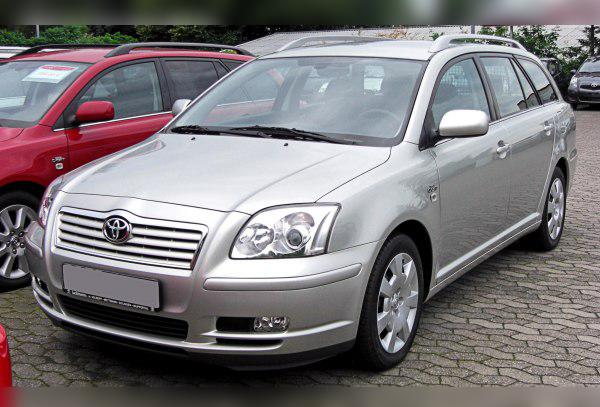
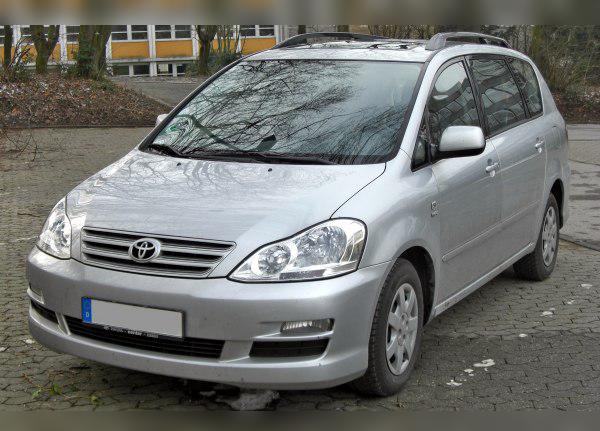
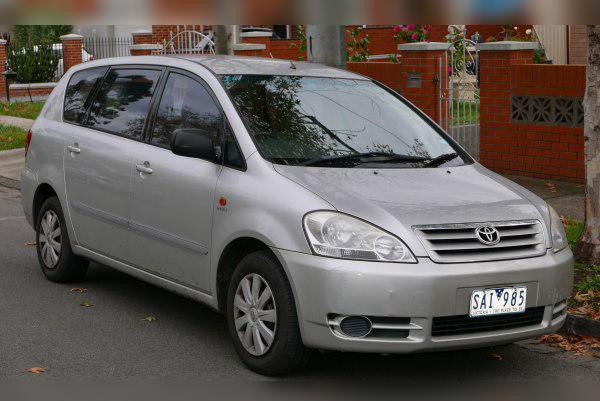
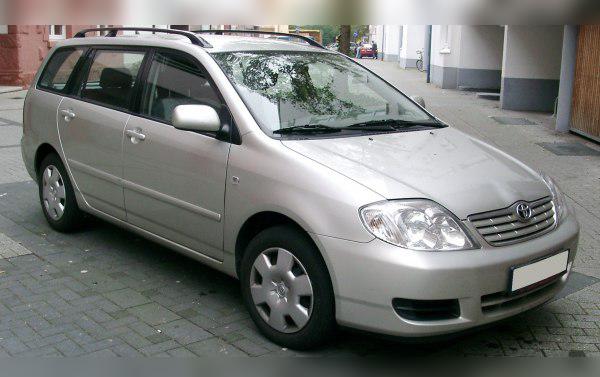
The engine designated 1CD-FTV represents Toyota’s transitional step into the world of modern diesels. As the first 2.0 D-4D common-rail engine from this Japanese manufacturer, it was installed in a wide range of vehicles in the early and mid-2000s. Its 116 HP output found its way under the bonnet of compact models such as the Toyota Corolla (E120/E130), the business-oriented Avensis (2nd generation), and even heavier vehicles like the MPV models Corolla Verso, Previa and the popular SUV RAV4 (2nd generation).
This engine is highly regarded among mechanics across Europe because it offers an excellent balance between the old-school indestructibility and modern injection technology. It is not burdened with excessive emissions equipment, which makes it an excellent choice for reliable everyday use.
2. Technical specifications
| Parameter | Specification |
|---|---|
| Engine displacement | 1995 cc |
| Engine power | 85 kW (116 HP) |
| Torque | 250 Nm |
| Engine code | 1CD-FTV |
| Injection type | Common-rail (Denso) |
| Charging type | Turbocharger (VGT), Intercooler |
| Fuel | Diesel |
3. Reliability, maintenance and engine oil
When it comes to the timing drive, unlike later Toyota engines the 1CD-FTV uses a timing belt, not a chain. Because of this, the major service must be carried out strictly at the prescribed 100,000 km (or every 5 to 6 years, whichever comes first). During the major service, the belt, tensioners, idler pulleys and water pump must all be replaced. A snapped belt leads to severe engine damage (pistons hitting valves), so this is not an area where you should try to save money.
As for engine oil, the system holds about 5.9 liters. The recommended grade is 5W-30 for colder climates, while on higher-mileage vehicles owners often switch to 10W-40. The oil service interval is every 10,000 to 15,000 km. The engine is known for not consuming excessive oil under normal conditions. Consumption of 0.5 up to a maximum of 1 liter between two services is considered completely normal. If the engine uses significantly more oil, the problem is usually not in the block or piston rings, but in a worn turbocharger that lets oil into the intake system.
4. Specific parts: Injectors, Turbo, EGR and SCV valves
Injection system and injectors
The engine uses an advanced Denso common-rail system. Although very durable, Denso injectors are highly sensitive to poor fuel quality and the presence of water in the diesel. Their average lifespan is between 200,000 and 250,000 km. Symptoms of worn injectors include harder cold starts in the morning, rough idle (shuddering), increased black smoke from the exhaust and loss of power. Refurbishing Denso injectors of this generation can be problematic and very expensive (depends on the market), because unlike Bosch, replacement parts are not always easily available or it is simply recommended to buy new ones.
SCV valves – The most common issue
One of the most frequent failures on this engine is related to the SCV valves (Suction Control Valves) on the high-pressure pump. When these valves fail, the driver notices fluctuating idle speed, sudden loss of power, difficult starting or the engine stalling unexpectedly while driving, accompanied by the check engine light. Replacing these valves usually solves the problem permanently and the repair is not excessively expensive (depends on the market).
Turbocharger and EGR valve
The engine is equipped with a variable geometry turbocharger (VGT). The turbocharger itself is very robust and, with regular oil changes, can last as long as the car. However, the variable geometry vanes can “stick” due to soot buildup caused by predominantly city driving. The symptom is the so-called “limp mode” (safety mode) during hard acceleration.
On the other hand, the EGR valve very often gets clogged with carbon deposits. Symptoms of a dirty EGR include sluggish engine response at low revs and thick black smoke from the exhaust. Regular cleaning of the EGR is part of standard preventive maintenance.
Good news for buyers: In its basic Euro 3 configuration this model does not have a DPF filter (except in very rare later versions on specific Western markets where it was added). It also does not have an AdBlue system, which saves you from potentially expensive failures of pumps and sensors typical of modern diesels.
5. Gearbox, clutch and dual-mass flywheel
In most cases, the 1CD-FTV is paired with a reliable 5-speed manual gearbox. Failures of the manual gearbox itself are extremely rare, although on very high-mileage vehicles the synchros can wear out (for example, it becomes harder to engage first or second gear when the oil is cold). Therefore, it is recommended to change the manual gearbox oil (75W-90) every 60,000 km. Automatic gearboxes (older 4-speed automatics) are very rare, mostly reserved for SUV models; they are robust but significantly increase fuel consumption.
The biggest cost item in the drivetrain is the clutch and the dual-mass flywheel. Yes, this engine uses a dual-mass flywheel to dampen diesel vibrations. Symptoms of a worn flywheel include the whole body shaking when starting and stopping the engine, juddering when moving off from a standstill, “ringing” noises from the gearbox area and vibrations in the clutch pedal. Replacing the complete clutch kit together with the dual-mass flywheel falls into the category of very expensive repairs (depends on the market).
6. Fuel consumption and driving performance
Real-world fuel consumption largely depends on the body style in which the engine is installed:
- In lighter models such as the Toyota Corolla, city consumption is around 6.5 to 7.5 l/100 km, and the engine offers excellent acceleration and very agile driving.
- In the Avensis sedan, consumption is around 7 to 8 l/100 km in the city, and the engine offers a solid compromise between comfort and power.
- In heavy models and those with all-wheel drive (Previa, RAV4 4WD), the engine can feel slightly “lazy” during overtaking. Due to the vehicle weight and aerodynamics, city consumption easily exceeds 8.5 and even over 9 l/100 km.
On the motorway, the engine behaves stably. Because the manual gearbox has only 5 gears, at a cruising speed of 130 km/h the crankshaft spins at a slightly higher 2800 to 3000 rpm. This results in slightly increased cabin noise and fuel consumption of about 6.5 l/100 km on the open road.
7. Additional options and modifications (Chip tuning)
Can this engine be safely chipped (Stage 1)? The answer is yes, but with some caution. With good remapping, power can be easily raised from 116 HP to about 135 to 140 HP, while torque increases from 250 Nm to about 300 to 310 Nm. The difference in driving, especially in the heavier RAV4 model, is very noticeable.
However, considering that these vehicles are now older and have hundreds of thousands of kilometers behind them, a sudden power increase directly stresses the dual-mass flywheel and the old turbocharger. Before opting for a Stage 1 tune, it is essential to perform a detailed diagnostic check of the Denso injector parameters and the condition of the clutch.
8. Used car buying tips and conclusion
When buying a used car with the 1CD-FTV engine, always test the so-called “cold start”. The engine should fire up immediately and idle smoothly. If it cranks for a long time or the revs fluctuate, the problem is in the injectors or SCV valves. Rev the warmed-up engine and watch the exhaust smoke – a slight grey puff when you blip the throttle is normal for old diesels without a DPF, but thick black smoke points to a clogged EGR, a damaged intercooler or an intake leak. Also, gently rest your foot on the clutch pedal at idle; strong vibrations mean an upcoming expense for a dual-mass flywheel.
Conclusion: Who is this engine for? The Toyota 2.0 D-4D with 116 HP is a workhorse aimed at rational drivers looking for a reliable vehicle for longer journeys without fear of modern emissions “gremlins” (DPF, AdBlue). Although it lacks the refinement of newer units and can be expensive if injectors or the flywheel are neglected, in terms of longevity and mechanical robustness it deserves high marks. If you find an example that has been regularly maintained, with the major service done and a clean history, you get a car that will serve you faithfully for a long time.