Toyota 1G-FE (135 HP) – Experiences, issues, fuel consumption and used-car buying tips
- Legendary Toyota reliability – mechanically extremely durable engine, known for covering huge mileages.
- Classic naturally aspirated petrol: no turbocharger, no dual-mass flywheel, and no complicated emission systems (DPF, AdBlue).
- Inline six-cylinder (R6) layout provides silky-smooth operation and low vibrations.
- The biggest age-related weakness is oil consumption caused by hardened valve stem seals and stuck oil control rings.
- Fuel consumption is high, especially in city driving combined with the old 4-speed automatic transmission.
- The engine is “lazy” by modern standards and for the heavy bodies it was installed in, so it’s not intended for drivers who want sharp acceleration.
- It works very well on LPG, which is a lifesaver for the household budget considering the fuel consumption.
Contents
- Introduction: About the engine and models
- Technical specifications
- Reliability, maintenance and common failures
- Specific parts and costs
- Fuel consumption and performance
- Additional options: LPG and remapping
- Gearbox and drivetrain
- Buying used and conclusion
Introduction: About the engine and models
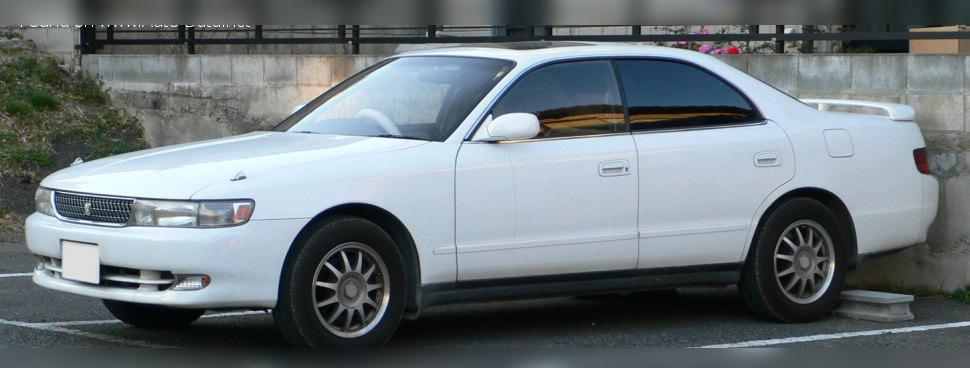
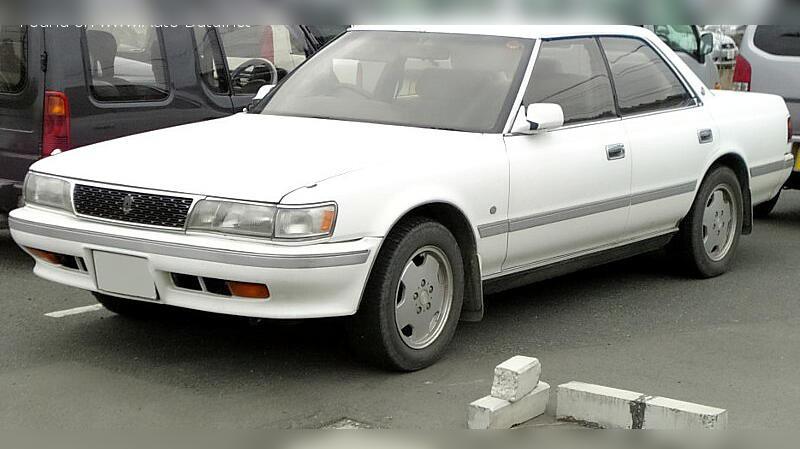
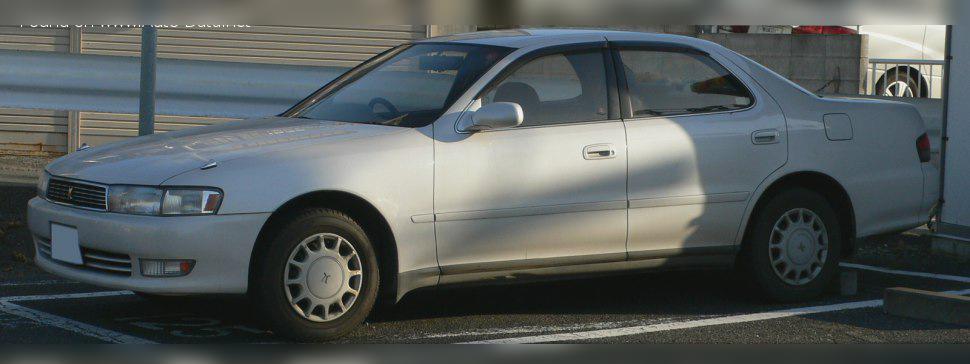
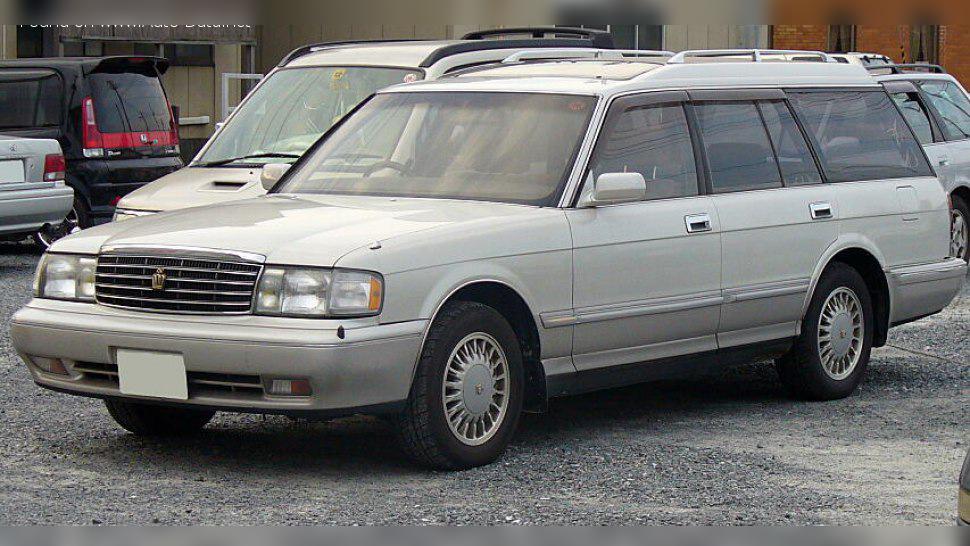
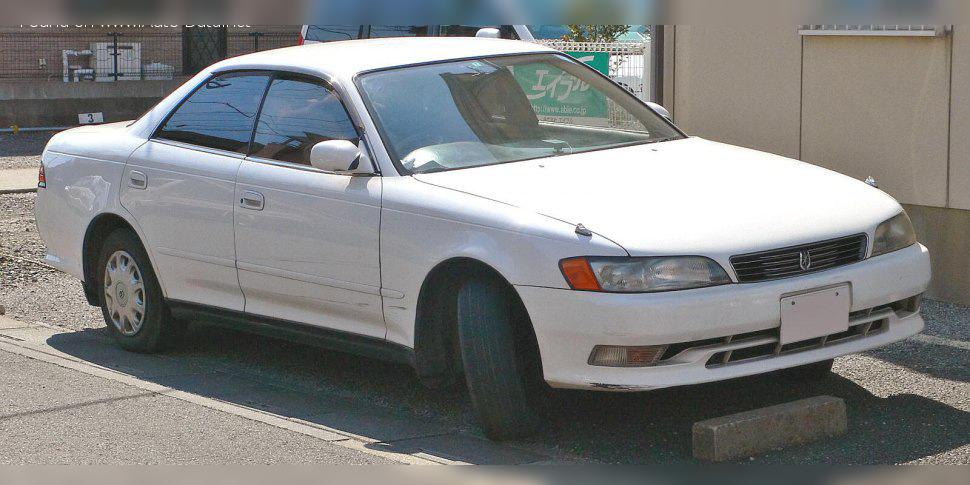
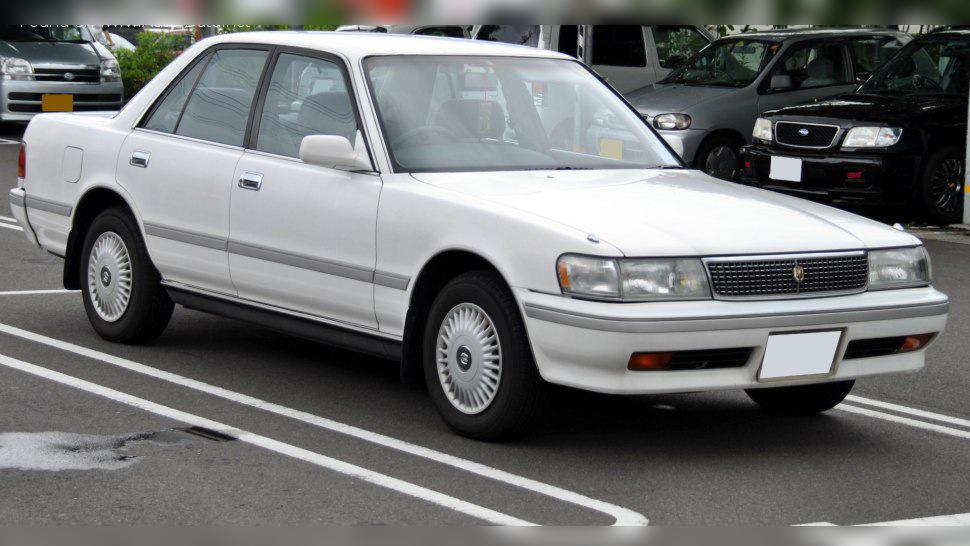
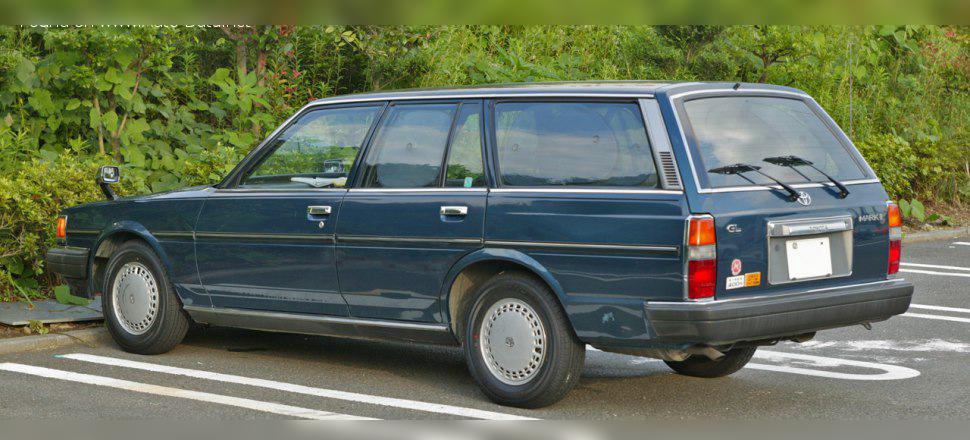
When people talk about the golden age of the Japanese car industry in the 1990s, Toyota and its inline six-cylinder engines inevitably come up. The 1G-FE is a 2.0-liter naturally aspirated engine that powered legendary JDM (Japanese Domestic Market) cruisers such as the Chaser, Mark II, Cresta, as well as the luxury Crown Wagon. Although it lives in the shadow of its stronger and more famous JZ-series relative, the 1G-FE was designed with a single goal in mind: maximum longevity and incredibly smooth operation. It wasn’t built for racing, but for smooth, quiet and reliable cruising.
Technical specifications
| Specification | Data |
|---|---|
| Engine displacement | 1988 cc |
| Power | 99 kW (135 HP) |
| Torque | 177 Nm |
| Engine code | 1G-FE |
| Fuel type | Petrol |
| Injection type | EFI (Electronic fuel injection into the intake manifold – multi-point) |
| Induction | Naturally aspirated |
| Number and layout of cylinders | 6, inline engine (Inline-6) |
Reliability, maintenance and common failures
Does this engine have a timing belt or a chain?
The 1G-FE uses a timing belt to drive the camshafts. A very important and positive feature of the earlier versions of this engine (like this 135 HP one) is that it is a so-called “non-interference” design. In practice, this means that if the timing belt snaps, the pistons and valves will not collide, so the engine will not suffer catastrophic damage. Regular maintenance is still a must.
At what mileage should the major service be done?
The major service, which includes replacement of the timing belt, tensioner, idler pulleys and water pump, is recommended every 90,000 to 100,000 km or every 5 years, whichever comes first. The price of parts for the major service on this engine is not high (depends on the market).
What are the most common failures on this engine?
Mechanically, the engine is almost indestructible, but age and mileage take their toll. These are the most common issues the driver needs to watch out for:
- Oil consumption (valve stem seals and rings): Due to the engine’s age, valve stem seals harden, and the oil control rings on the pistons can get stuck if owners haven’t changed the oil regularly. Symptom: blue smoke from the exhaust on cold start in the morning or when you step on the gas after engine braking.
- Oil leaks at seals: It’s common to see oil sweating at the crankshaft seal and camshaft seals. The repair requires removing the timing drive (timing belt), so it’s best to deal with this during the major service.
- IAC (Idle Air Control) valve issues: The idle control motor tends to get clogged with carbon deposits. Symptoms include fluctuating idle, stalling when stopping at traffic lights, or hard cold starts. Cleaning the throttle body and IAC valve usually solves the problem.
- Oil pressure sensor: It often fails and starts leaking oil externally. Replacement is quick and cheap.
Oil and service intervals
This engine takes about 4.0 to 4.2 liters of oil (including the filter). For moderate climates, the recommended viscosity is 10W-40, although on freshly rebuilt engines you can use 5W-30 in winter. Oil must be changed at a maximum of every 10,000 km to prevent contamination and sticking of the oil control rings.
Does it burn oil? A completely healthy 1G-FE uses almost no oil at all. However, considering we’re talking about 25–30-year-old engines, consumption of around 0.2 to 0.5 liters per 1000 km is, unfortunately, often considered a “normal” consequence of hardened valve stem seals and wear. Anything above that calls for an engine “refresh” (new rings, bearings and cylinder head resurfacing).
At what mileage should the spark plugs be replaced?
Since this is a petrol engine, standard spark plugs should be replaced every 30,000 to 40,000 km. If you opt for higher-quality iridium or platinum plugs (highly recommended), the replacement interval extends to 80,000–100,000 km. Running the engine on worn plugs can cause misfires and damage the ignition coils.
Specific parts and costs
Does the engine have a dual-mass flywheel?
No. This engine uses a classic (solid) flywheel with manual gearboxes, while automatic gearboxes use a torque converter. This drastically reduces maintenance costs in case of transmission issues.
What kind of injection system does it have and are the injectors problematic?
The engine uses a traditional EFI (Electronic Fuel Injection) system with fuel injected into the intake manifold (indirect injection). This is one of the best things about this engine. The injectors operate at low pressure and have proven to be extremely durable. They almost never fail. They can get clogged due to dirty fuel, with symptoms such as rough idle and loss of power. The issue is solved by simple ultrasonic cleaning, which is not expensive (depends on the market).
Turbo, DPF, EGR, AdBlue?
Everything that bothers you on modern cars simply does not exist here.
- The engine is naturally aspirated, with no turbocharger (and therefore no intercooler, expensive pipes or boost sensors).
- As a 1990s petrol engine, it has no DPF filter.
- It has no AdBlue system.
- These older versions of the 1G-FE engine in most cases do not have an EGR valve (or have a very simple vapor return system that never causes the kind of choking issues you see on diesels).
Fuel consumption and performance
What is the real-world fuel consumption in city driving?
This is the weak point of this power unit. The heavy body (usually over 1.3 tons) combined with 6 cylinders and old-school gearbox technology takes its toll at the fuel pump. Real-world consumption in stop-and-go city traffic ranges between 12 and 15 l/100 km. It is heavily influenced by whether the car has a manual gearbox or the (much more common) old 4-speed automatic.
Is this engine “lazy” for the weight of the car?
Yes, objectively speaking, the engine is quite lazy in models such as the Crown Wagon or Mark II. It has 135 HP, but the key issue is the low torque of only 177 Nm, available only at higher revs. For decisive overtaking, the engine has to be revved high, and the automatic needs time to kick down to a lower gear. This engine rewards calm drivers, while it will only frustrate aggressive ones.
What is the engine like on the highway?
On the highway, the 1G-FE really shines. Thanks to the inline 6-cylinder layout, cruising is extremely smooth and quiet. At 130 km/h, the engine usually spins between 3000 and 3500 rpm (varies slightly depending on the final drive ratio and gearbox type on the specific model). Fuel consumption on open roads and highways drops noticeably and is around 8 to 9 l/100 km.
Additional options and modifications
Is this engine suitable for LPG conversion?
Absolutely yes. Thanks to indirect injection, installing a sequential LPG system is simple and very cost-effective considering the high petrol consumption. The engine handles LPG very well. One thing to keep in mind: these engines do not have hydraulic lifters; valve clearances are adjusted mechanically with shims. When running on LPG, it is essential to check and, if necessary, adjust valve clearances every 50,000 to 60,000 km to prevent exhaust valves from burning due to the “dry” combustion.
How much can this engine be safely remapped (“Stage 1”)?
Short answer: Not at all (or more precisely, it’s not worth it). Since this is an old-generation naturally aspirated engine without variable valve timing on this particular 135 HP version, a Stage 1 remap will give you at best 3 to 5 HP, which you won’t even feel while driving. A waste of money. If you want power in this chassis, Toyota built the 1JZ-GTE engines for that.
Gearbox and drivetrain
Which gearboxes were fitted and what are the most common failures?
This engine most often comes with rear-wheel drive (RWD) and one of two types of gearboxes:
- 5-speed manual gearbox (mostly W55 series): Practically indestructible. Failures are extremely rare as long as there is oil in it. It can last the entire life of the car with proper use. The clutch kit (disc, pressure plate, release bearing) lasts a very long time and its replacement is not expensive (depends on the market), especially since there is no dual-mass flywheel.
- 4-speed automatic gearbox (Aisin A42DE / A42DL): This is old-school hydraulics with electronic control. It shifts slowly, but is extremely reliable. The most common failures are solely due to owner neglect (low oil level or overheating). Symptoms of problems are strong jolts and shocks when shifting from “P” (Park) into “D” (Drive) or “R” (Reverse), as well as “slipping” where revs rise but the car doesn’t accelerate.
At what mileage should the gearbox be serviced?
For automatics, it is essential to service them (change ATF oil and filter) every 60,000 km. Due to age, a machine flush is recommended. For manual gearboxes, the oil should be changed preventively every 80,000 to 100,000 km, although many drivers ignore this.
Buying used and conclusion
What exactly should be checked before buying?
If you’re buying a 30-year-old Toyota with this engine, you need to know that the mechanicals usually outlive the body, but here are the steps:
- Cold start: Take someone with you who will stand behind the exhaust when you start the car for the first time in the morning. Blue smoke is a sign of worn valve stem seals and rings. A sharp smell of unburnt petrol may indicate dirty injectors or weak spark.
- Crankshaft and idle test: Once the engine is warm, it must run perfectly smoothly. Put your hand on the steering wheel or directly on the engine – an inline six should run as smoothly as a sewing machine. Any shaking or misfiring points to an ignition issue (wires, coil, distributor) or a problem with the IAC valve.
- Visual inspection of fluids: Check for “mayonnaise” (white sludge) on the oil filler cap and whether the coolant hoses are excessively hard when the engine is hot (this would indicate a blown head gasket, although on this engine it is very rare unless it has severely overheated).
- Body and suspension: What will separate you from the car sooner than the engine is rust. Carefully inspect the sills, strut towers and floor, and while driving listen for knocking from the suspension (ball joints, bushings and links in the rear multi-link tend to be worn, and overhauling it can be expensive (depends on the market)).
Conclusion: Who is this engine for?
The Toyota 1G-FE (135 HP) is an engine for true lovers of old-school Japanese mechanics, for JDM culture fans and for people who buy a Chaser or Mark II out of love for the design, not for street racing. It offers silky-smooth operation, fantastic durability and long-term peace of mind with simple, inexpensive mechanical maintenance. It’s not for those who drive hundreds of kilometers every day (due to fuel consumption), nor for youngsters eager to drift (due to lack of power and torque). If you find a solid example that isn’t rusty and fit a quality LPG system, you’ll have an indestructible and comfortable highway cruiser.