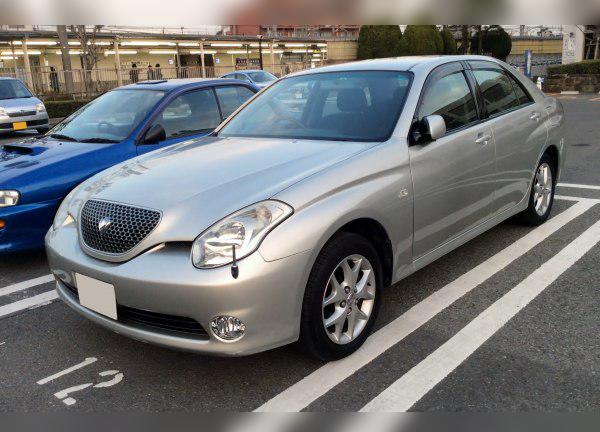
Toyota 1G-FE 2.0 VVT-i (160 HP): Experiences, problems, fuel consumption and buying used
Key points (TL;DR)
- Legendary inline six-cylinder (I6), known for its extremely smooth and quiet operation.
- The 160 HP version has a VVT-i system and bends valves if the timing belt snaps – regular major service is absolutely mandatory!
- The main issue at higher mileage is oil consumption caused by worn valve stem seals or oil control rings.
- City fuel consumption is quite high, but the engine handles LPG (autogas) conversion very well.
- It does not have expensive components such as a turbocharger, DPF filter or AdBlue system, which makes long-term maintenance cheaper.
- Automatic transmissions paired with this engine are virtually indestructible, provided the oil is changed on time.
- It is a naturally aspirated engine, so Stage 1 remap (chip tuning) is not worth it at all.
Contents
- Introduction: Old-school Japanese engineering
- Technical specifications
- Reliability and maintenance
- Specific parts and costs
- Fuel consumption and performance
- Additional options and modifications (LPG and remap)
- Transmission and drivetrain
- Buying used and conclusion
Introduction: Old-school Japanese engineering
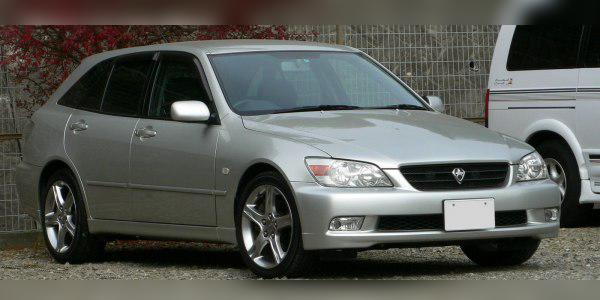
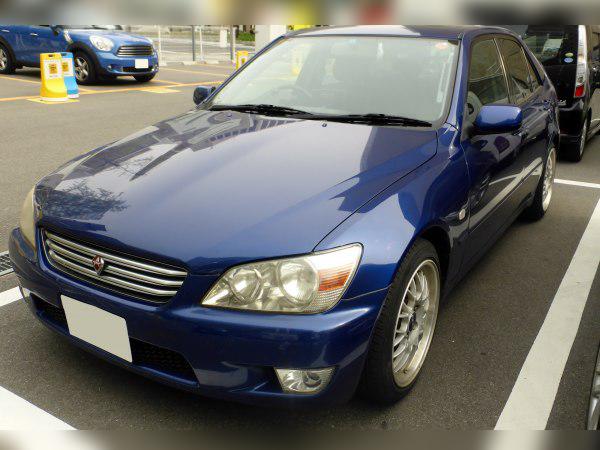
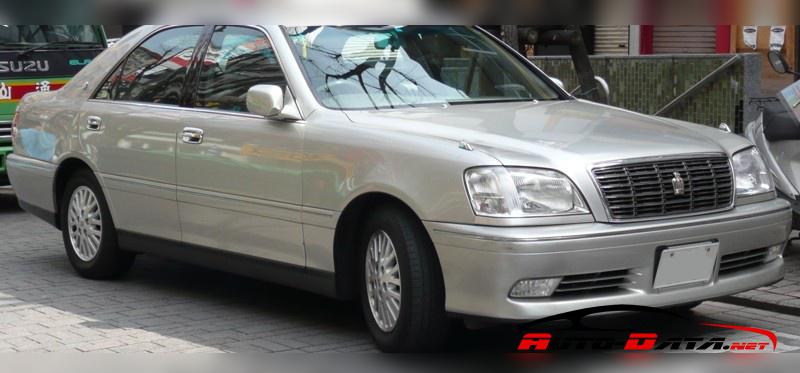
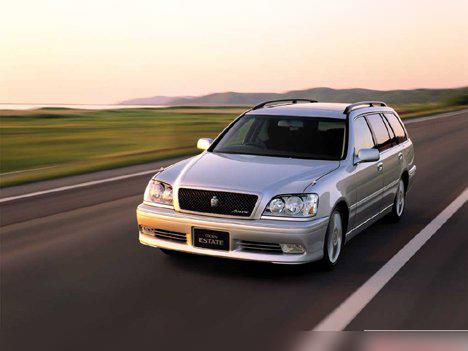
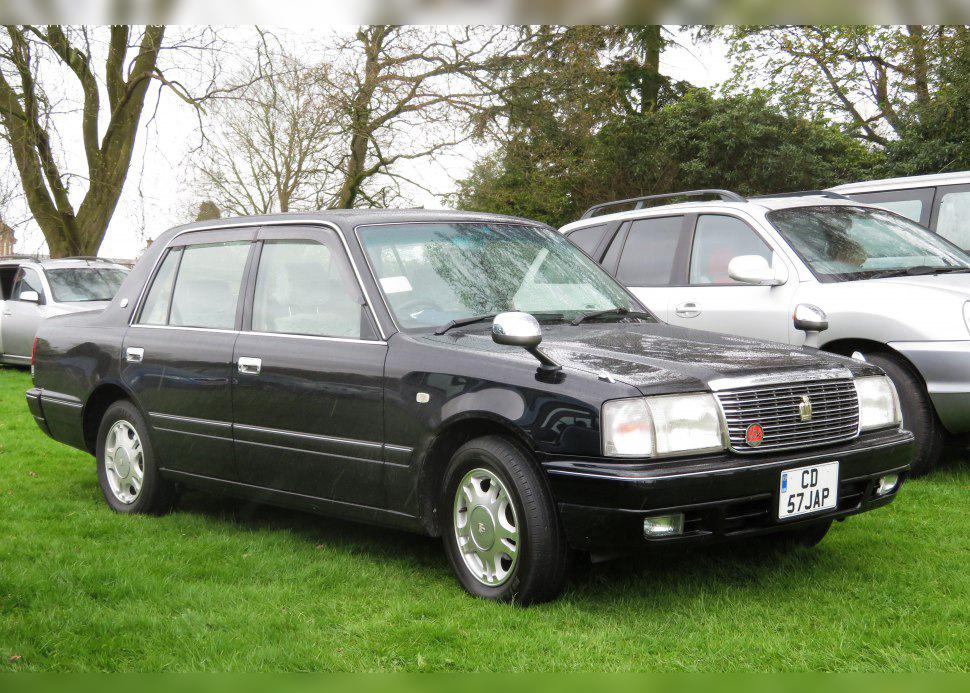
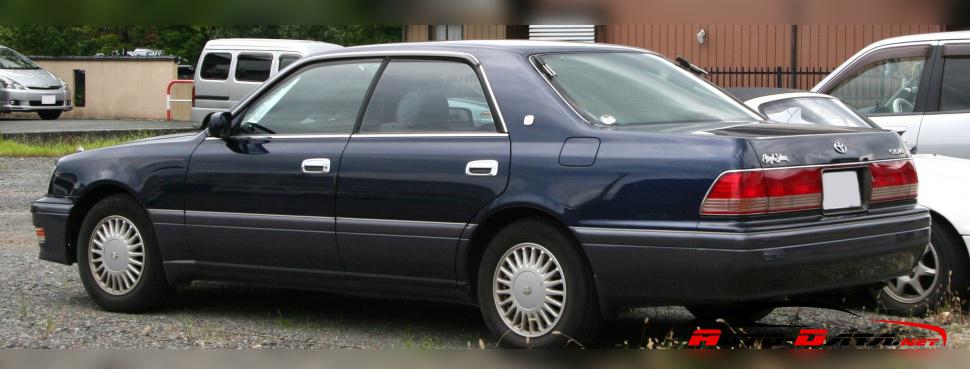
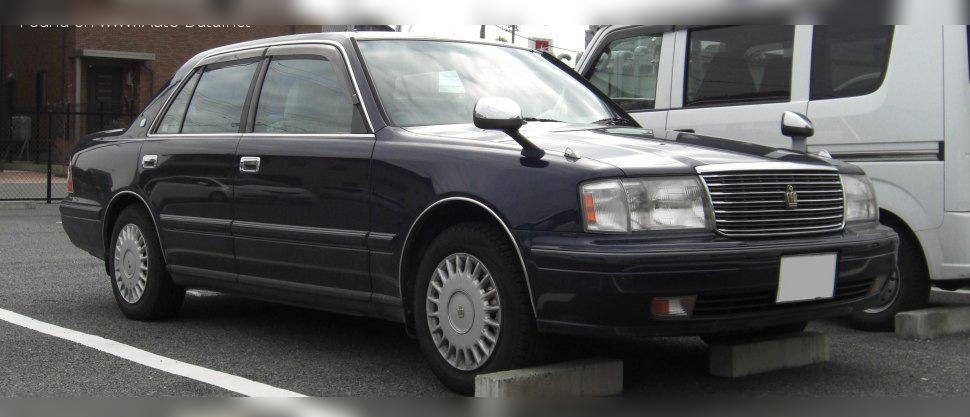
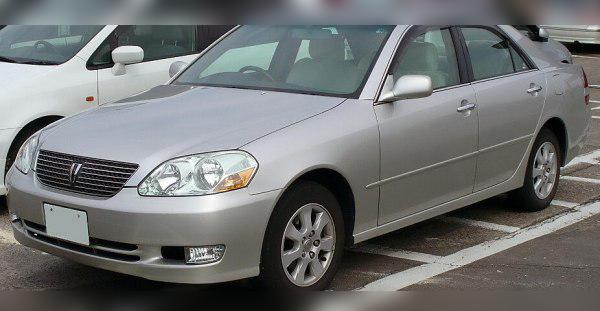
The 1G-FE engine is one of Toyota’s best-known powerplants from the era when robustness and longevity were absolute priorities. It is a 2.0-liter inline six-cylinder engine. In the specific 160 HP (118 kW) variant, we are talking about a later generation of this engine equipped with the VVT-i system (variable valve timing), which was installed in the late 1990s and early 2000s. This engine was the heart of many legendary rear-wheel-drive models such as the Toyota Altezza, Crown, Mark II and Verossa. It is a favorite among Japanese car enthusiasts because of its fantastic smoothness and durability, but it requires specific maintenance to keep it in perfect condition.
Technical specifications
| Parameter | Data |
|---|---|
| Engine code | 1G-FE (VVT-i version) |
| Displacement | 1988 cc (2.0 L) |
| Configuration | Inline 6-cylinder (I6), 24 valves |
| Power | 118 kW / 160 HP |
| Torque | 200 Nm |
| Injection type | MPI (Multi-Point Injection) |
| Induction | Naturally aspirated (no turbo) |
| Fuel | Petrol |
Reliability and maintenance
Timing belt and major service
Unlike many newer engines that use a chain, the Toyota 1G-FE uses a classic timing belt. What every owner or potential buyer has to know is the difference between the old version of this engine and this 160 HP VVT-i version. The old 1G-FE would not bend valves if the belt snapped, whereas this VVT-i version will bend valves and destroy the engine if the timing belt fails. Because of that, the major service (replacement of belt, tensioner, idler pulleys and water pump) must be done strictly every 90,000 to 100,000 km. The price of the kit itself is usually not high, but labor can raise the cost due to the tight space around an inline six (depends on the market).
Most common failures and oil consumption
Mechanically, the engine is extremely robust, but age and mileage take their toll. The biggest and most common issue on the 1G-FE is oil consumption. The causes are usually hardened valve stem seals or stuck oil control rings on the pistons. If you notice bluish smoke from the exhaust on the first cold start of the day, the problem is the valve stem seals. If the car smokes blue under full throttle, the rings are worn. Up to 0.5–1 liter of oil per 10,000 km is considered normal consumption, but neglected examples can use more than a liter per 1,000 km, which requires opening the engine.
Other specific issues include oil leaks from the crankshaft seals and oil pump gasket, as well as occasional failure of the ignition coils, which results in jerking and rough engine operation. Over time, the VVT-i pulley can become noisy (a sound similar to a diesel engine at startup) and prone to oil leaks.
Minor service and spark plugs
The sump capacity is about 4.2 liters of oil (with filter change). The recommended grade for the VVT-i version is 5W-30 fully synthetic, although many owners of older engines switch to 10W-40 to reduce oil consumption. Minor service is done every 10,000 to 15,000 km. Since this is a petrol engine with four valves per cylinder, spark plugs are replaced every 60,000 km (if you use standard ones) or at 90,000 km if you invest in higher-quality iridium plugs. Access to the plugs is easy and replacement is not expensive (depends on the market).
Specific parts and costs
Thanks to its old-school architecture, this engine spares the owner many modern nightmares. It does not have a turbocharger (not even one, let alone two), which means there are no expensive turbo failures. As a petrol engine of this generation, it does not have a DPF filter or AdBlue system, so city driving is completely free of worries about regenerations. There is an EGR valve and it can get clogged with soot at higher mileage, but it is easy to clean and does not represent a critical failure.
The injection system is a classic MPI (port fuel injection). The injectors operate at low pressure, are extremely durable and rarely cause problems. If they do get clogged due to poor fuel quality, ultrasonic injector cleaning usually solves the problem and that procedure is not expensive (depends on the market).
Fuel consumption and performance
If you are looking for an economical engine, the 1G-FE is definitely not for you. Real-world city fuel consumption in the cars it was installed in (especially with automatic transmission) is between 12 and 14 l/100 km. In heavier vehicles such as the Toyota Crown, that figure can be even higher in winter conditions.
As for performance, 160 HP sounds decent, but you have to keep in mind the torque of only 200 Nm, which is available only at higher revs. In models such as the Toyota Altezza, the engine copes reasonably well with the weight, but in heavy cruisers like the Crown or Mark II, it can feel quite “lazy” at low revs. It was not built for traffic light drag races, but for smooth cruising.
On the motorway, the situation is much more pleasant in terms of comfort. The inline six is perfectly balanced and there are virtually no vibrations. At 130 km/h, the revs (depending on the gearbox) are between 3,000 and 3,400 rpm. Highway fuel consumption drops to a more acceptable 8 to 9 l/100 km.
Additional options and modifications (LPG and remap)
LPG (autogas) conversion
Good news for those scared by the city petrol consumption is that the 1G-FE is extremely suitable for a sequential LPG (autogas) system. The MPI injection system allows for a cheap and simple installation, without the need for expensive direct-injection systems. It is important to note that the engine does not have hydraulic lifters; valve clearance is adjusted with shims. Therefore, when running on LPG, checking valve clearances every 60,000 km is mandatory to prevent valve burning.
Chip tuning (Stage 1)
When it comes to chip tuning, the situation is very simple: don’t waste your money. Since this is a purely naturally aspirated engine without a turbo, a Stage 1 remap can extract at most 5 to 8 HP, which in practice you will not feel in a car of this weight. For any serious power gain, radical mechanical modifications would be required (supercharger or turbo conversion), which is not cost-effective given the existence of the 1JZ engine in the same vehicle range.
Transmission and drivetrain
This powerplant was typically installed in a longitudinal layout (rear-wheel drive or 4x4) and paired with two types of transmissions:
- Automatic transmissions: Most commonly the well-known Aisin 4-speed automatic. This gearbox is literally a “tank” and only fails if maintenance is completely neglected. There is no dual-mass flywheel. The most common sign of wear is a jerk when engaging “D” or “R”. The oil change interval in the automatic transmission is 60,000 km.
- Manual transmissions: Mostly installed in the Altezza (often the 6-speed Aisin J160). Their main weakness is synchro wear (most often 2nd and 3rd gear), which makes fast shifting difficult.
Important note: Models with a manual gearbox may have a dual-mass flywheel, depending on the exact specification and market (the safest way is to check via the VIN). If it has a dual-mass flywheel, the cost of replacing the complete clutch kit with flywheel is quite high (depends on the market), although there are conversion kits to a solid flywheel for those who want to save money.
Buying used and conclusion
What to check before buying?
When looking at a used car with a 1G-FE engine, pay attention to the following:
- Cold start: Ask the seller not to start the car before you arrive. When starting, watch the exhaust. Blue smoke = bad valve stem seals.
- VVT-i system noise: At startup there should be no loud rattling from the top of the engine similar to a diesel.
- Visual inspection: Check the area around the front of the engine and the timing belt. Oil leaks from the crankshaft and camshaft seals are a sign of neglected maintenance.
- Coin test: An inline six must run extremely smoothly. Once warmed up, the engine at idle should not transmit any noticeable vibrations into the cabin.
Conclusion
The Toyota 1G-FE 2.0 (160 HP) is aimed at enthusiasts of classic, robust engines who appreciate the refinement and sound of an I6 configuration. It is not intended for drivers who want the punch-in-the-back torque typical of modern diesels, nor for those for whom city fuel consumption is the decisive factor. If you find an example that has not “used up” its oil control rings and you are ready to immediately do a major service to protect the valves, this engine will serve you for hundreds of thousands of kilometers, especially if you install LPG and enjoy cheap motoring in a gentleman’s rear-wheel-drive sedan.