Toyota 1GD-FTV 2.8 D-4D (177 HP): Experiences, problems, fuel consumption and used-buying tips
Key points (TL;DR)
- Successor to a legend: Replaces the famous 3.0 D-4D (1KD) engine, bringing more modern technology, better efficiency and more torque at low revs.
- Timing drive: Uses an extremely robust timing chain, which reduces regular maintenance costs.
- Emissions as a downside: The biggest issues with this engine are related to the DPF filter, EGR valve and AdBlue system, especially if the vehicle is driven mostly in the city.
- Performance: Don’t expect a racer. This is a workhorse that excels at towing heavy trailers and off-road driving, but can feel sluggish at higher speeds.
- Injectors: Sensitive to poor-quality fuel. Replacing the high-end Denso i-ART injectors is very expensive.
- Gearbox: Aisin automatic gearboxes are virtually indestructible with regular oil changes, while manual gearboxes with dual-mass flywheels require attention if driven aggressively or used for heavy towing.
Contents
- Introduction: About the engine and where it’s used
- Technical specifications
- Reliability and maintenance
- Specific components and failures
- Fuel consumption and performance
- Additional options and modifications
- Transmissions: maintenance and failures
- Buying used and conclusion
Introduction: About the engine and where it’s used
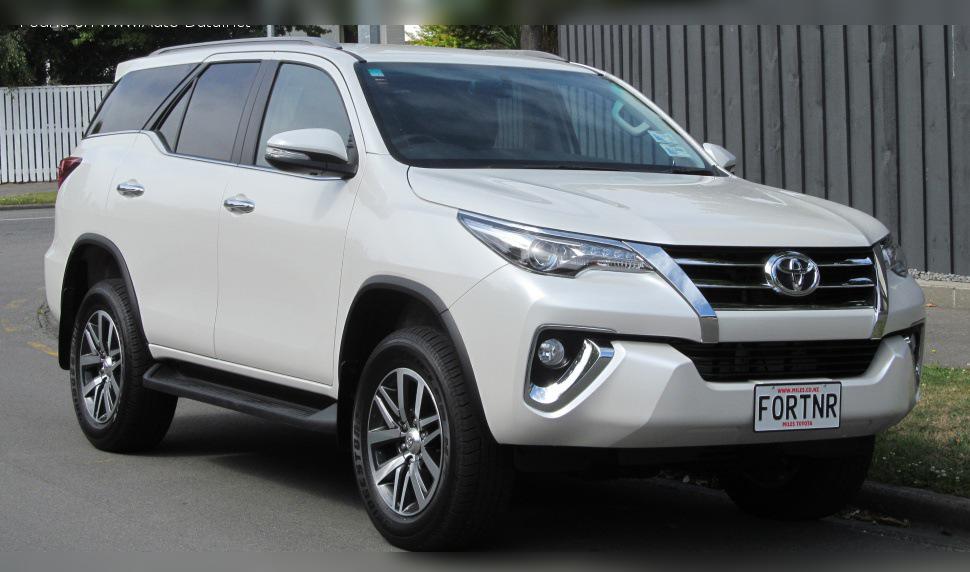
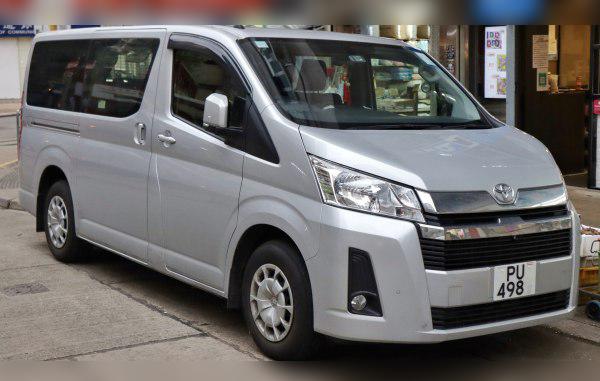
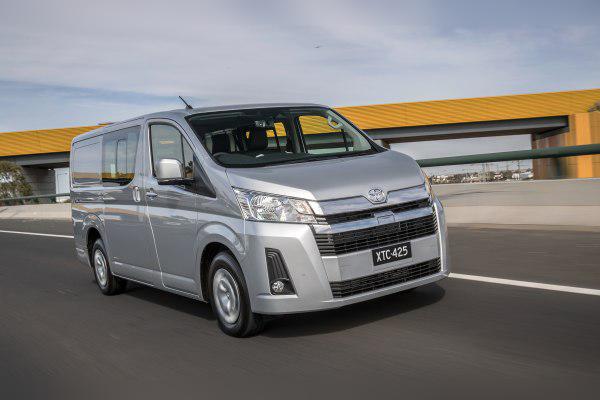
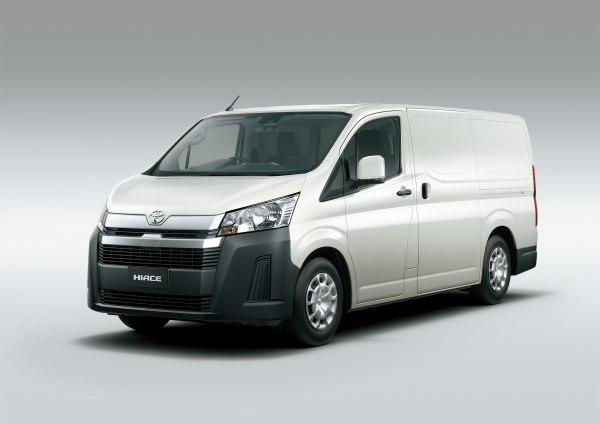
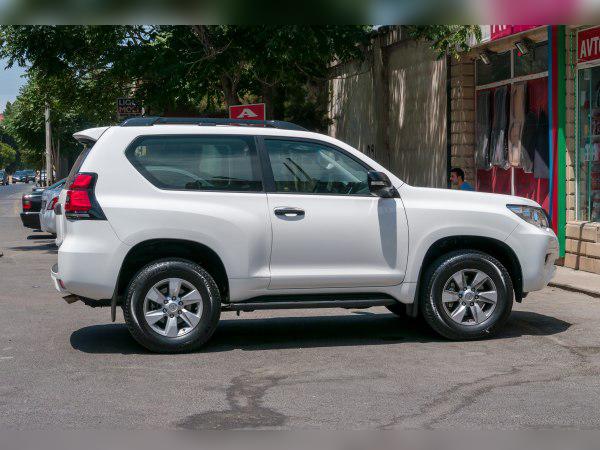
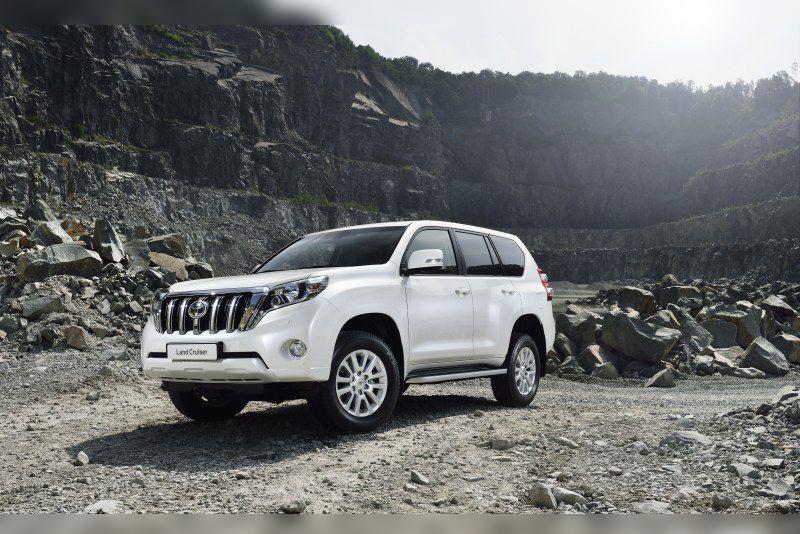
Toyota’s 1GD-FTV 2.8-liter (D-4D) engine was introduced in 2015 as a direct replacement for the renowned 3.0-liter 1KD-FTV. Toyota engineers had a tough job: build a smaller and lighter powerplant with better thermal efficiency (innovative pistons with a silicon oxide coating), while preserving the legendary durability that made the Hilux and Land Cruiser famous worldwide. This engine is fitted to heavy-duty vehicles built for serious work, off-road use and commercial duty, such as the Hilux, Land Cruiser Prado (J150), Fortuner and HiAce.
Technical specifications
| Parameter | Specification |
|---|---|
| Displacement | 2755 cc |
| Power | 130 kW (177 HP) |
| Torque | 450 Nm (Automatic) / 420 Nm (Manual gearbox) |
| Engine code | 1GD-FTV |
| Injection type | Common Rail (Denso i-ART, up to 2200 bar) |
| Turbo/Naturally aspirated | Variable-geometry turbocharger (VGT) + intercooler |
Reliability and maintenance
Timing drive: Belt or chain?
Good news for owners: the 1GD-FTV uses a timing chain. Toyota’s chain on this engine is extremely robust and designed to last as long as the engine itself. There’s no typical chain snapping at 100,000 km like on some European competitors. However, slight rattling noises may appear at very high mileage (over 350,000 km) if oil changes have been neglected.
Major service
Since it has a chain, there is no classic “major timing service” at a fixed mileage. However, at around 100,000 to 150,000 km it is necessary to replace the auxiliary (serpentine) belt, idler pulleys, tensioner and water pump. The price of these parts is not extreme, but genuine Toyota parts will let you sleep peacefully.
Oil: Quantity, grade and consumption
This engine takes a fairly large amount of oil – about 7.5 liters. The manufacturer strictly recommends 0W-30 or 5W-30 oil that meets the ACEA C2 standard. This standard is crucial because of the DPF filter; if you pour in unsuitable oil with a high ash content, the DPF will fail very quickly.
As for oil consumption, the 1GD-FTV is known as an engine that does not consume much oil. A loss of 0.2 to 0.5 liters per 10,000 km is considered completely normal, especially if the engine is heavily loaded by towing a trailer. If the engine consumes more than 1 liter between services, the problem is usually worn piston rings due to irregular oil changes, or oil leaking past the turbocharger shaft seals.
Most common failures and symptoms
The basic engine block and crankshaft are almost indestructible, but the engine’s peripheral systems suffer. The most common failures are related to the engine’s “emissions” components. Early production years (2015–2017) had software issues that caused excessive fuel injection via the fifth injector (used for exhaust regeneration), which led to DPF clogging. Toyota addressed this with software updates and modified DPF units.
Specific components and failures
Fuel injection system: Injectors
This engine uses the latest Denso i-ART (Intelligent Accuracy Refinement Technology) Common Rail system. Each injector has its own closed-loop pressure and temperature sensor, which means the ECU continuously calibrates injection in real time. This ensures smooth operation and low fuel consumption, but when they fail it means only one thing: the repair is very expensive (depends on the market).
The injectors typically last over 200,000 to 250,000 km without issues, provided high-quality Euro diesel is used and the fuel filter is changed regularly. Symptoms of tired injectors include characteristic “knocking” (a sharp metallic sound) on cold start, rough idle, and smoke when you suddenly step on the throttle.
DPF filter and EGR valve
Yes, this engine has both DPF and EGR, and they are actually its biggest weak points. The DPF system uses a so-called fifth injector that sprays fuel directly into the exhaust manifold to raise the temperature for regeneration. If the vehicle is driven only on short urban trips, the process is interrupted. The EGR valve accumulates a large amount of soot (especially combined with oil vapors), which reduces the cross-section of the intake manifold. Symptoms include loss of power, the engine going into “safe mode” (limp mode) and the Check Engine light coming on. Preventive EGR cleaning every 60,000 km is recommended. Replacing or cleaning the DPF is expensive (depends on the market).
AdBlue system
Euro 6 versions of this engine are equipped with an SCR (AdBlue) system. As with most modern diesels, the AdBlue system can be troublesome. The most common problems include crystallization of the fluid on the AdBlue injector nozzle, as well as failure of the pump or NOx sensor in the tank itself. The symptom is a nasty warning on the instrument cluster: “No engine restart in XXX km”. Repairing the module or replacing the tank is very expensive (depends on the market).
Turbocharger
The engine has a single variable-geometry turbocharger (VGT). It is very reliable and often lasts beyond 250,000 km. Turbo problems usually occur only if the DPF is clogged (creating massive backpressure that destroys the turbo bearings) or if oil changes are not done on time.
Fuel consumption and performance
City fuel consumption
Keep in mind that this engine powers vehicles weighing over 2 tons, with the aerodynamics of a shoebox and four-wheel drive. Real-world fuel consumption in heavy city traffic (stop-and-go) is between 10 and 12 l/100 km. Anyone telling you that a Hilux 2.8 uses 7 liters in the city is not telling the truth.
Is the engine “lazy”?
With its 177 HP and 450 Nm, the engine absolutely dominates at low revs. Its truck-like torque allows it to easily pull a 3-ton trailer, drag a vehicle out of deep mud or climb steep hills. However, when you try to accelerate hard on a main road (for example, overtaking a truck at 80 km/h), you will feel that the engine runs out of breath at higher revs. It’s not built for racing, and for the body weight it has to move, on tarmac it can be described as moderately dynamic to slightly “lazy”.
Behavior on the highway
On the highway at 130 km/h, the engine cruises at relatively low revs – usually around 2,000 to 2,200 rpm in 6th gear (depending on the final drive ratio of the specific model). Engine noise is well isolated, but this is where aerodynamics take their toll. At 130 km/h, fuel consumption rises significantly and easily exceeds 9.5 to 10 l/100 km.
Additional options and modifications
Remapping (Stage 1)
This powerplant is an excellent candidate for mild software tuning (Stage 1). Since it is factory “detuned” for emissions and reliability reasons, remapping can safely raise power from 177 HP to about 205–215 HP, while torque climbs to a brutal 500+ Nm. This significantly improves its “laziness” when overtaking.
Warning: The Aisin automatic gearbox will easily handle this torque, but if you have the manual version, the stock clutch may start slipping very quickly. It is also important to monitor EGT (exhaust gas temperature) to avoid damaging the turbo.
Transmissions: maintenance and failures
Which gearboxes are fitted?
With the 1GD-FTV engine you get two transmission options: a robust 6-speed manual gearbox and a 6-speed automatic gearbox made by Aisin (AC60 series).
Manual gearbox and dual-mass flywheel
The manual gearbox is mechanically durable, but has one item that is considered a consumable: the dual-mass flywheel. Due to the huge torque, manual versions always come with a dual-mass flywheel that dampens shocks to the crankshaft and drivetrain. Symptoms of a worn flywheel include strong vibrations when pulling away from a standstill, “kicking” in the clutch pedal and difficulty engaging gears. Replacing the clutch kit and dual-mass flywheel on four-wheel-drive vehicles requires removing the transfer case, so labor and parts are very expensive (depends on the market).
Automatic gearbox (Aisin)
The automatic gearbox is a classic torque-converter unit. Gear changes are smooth, although it’s not as fast as modern dual-clutch transmissions. Failures are extremely rare, and the only thing that can really kill it is towing excessively heavy loads up extreme inclines without an additional transmission oil cooler (which leads to overheating).
Servicing the gearbox
Although Toyota often states that the oil in the manual gearbox is “lifetime”, any serious mechanic will tell you that the oil in the manual gearbox, transfer case and differentials should be changed every 60,000 km. For the automatic gearbox, a full oil change with flushing of the system is strongly recommended at intervals of 60,000 to 80,000 km to keep the valves in the mechatronic unit clean and functional.
Buying used and conclusion
What to check before buying?
- Cold start: Start the engine completely cold. Listen for any rattling noises from the front of the engine (indicating a loose chain) and pay attention to metallic clicking sounds (sign of bad injectors).
- Exhaust smoke: White or bluish smoke indicates problems with injectors, turbocharger or compression.
- DPF condition: Do not buy a vehicle without a proper diagnostic scan. The mechanic must check how much soot is in the DPF and when the last regeneration took place. If the vehicle constantly requests regeneration, you are facing a big expense.
- Undercarriage (suspension and chassis): Since the Land Cruiser and Hilux are serious off-roaders, always put the vehicle on a lift. Look for damage to the chassis, impact marks on the differentials, oil leaks from the transfer case and mud in places where it shouldn’t be.
Who is this engine for?
The Toyota 2.8 D-4D (1GD-FTV) is a fantastic engineering achievement for a very specific target group. It is not designed to dominate the fast lane of the highway, nor for posing on short trips to a café in the city center (where the DPF and EGR will quickly fail).
This engine is perfect for business owners, people who tow boats or trailers, hunters, foresters and hardcore off-road enthusiasts. With proper maintenance, the right oil and occasional highway driving to allow DPF regeneration, this engine will easily clock up half a million kilometers and remain the faithful workhorse Toyota promised.