Experiences, issues and tips for buying used: Toyota 4.0 V6 (1GR-FE) engine
- TL;DR – The most important in short:
- Extremely reliable old-school naturally aspirated V6, designed to cover hundreds of thousands of kilometers without major repairs.
- Driven by a timing chain that is rarely replaced and does not cause headaches.
- No turbo, no DPF, no complicated direct injection systems – which means far cheaper long-term maintenance.
- Main downside: High fuel consumption. In city driving it easily exceeds 16–18 l/100 km.
- Handles LPG very well, but only with mandatory regular valve clearance checks.
- This engine is bought for towing, heavy off-road work and longevity, not for economical city driving.
Contents
- Introduction: Meet the indestructible V6
- Technical specifications
- Reliability and maintenance
- Specific parts and costs
- Fuel consumption and performance
- Additional options and modifications
- Transmission and drivetrain
- Buying used and conclusion
Introduction: Meet the indestructible V6
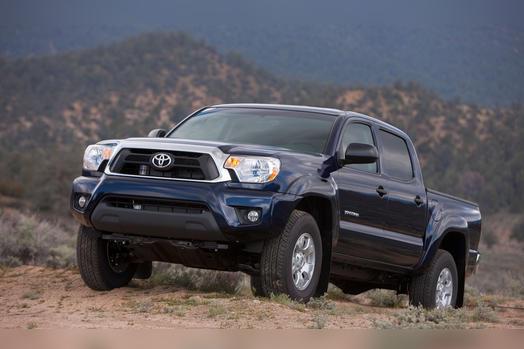
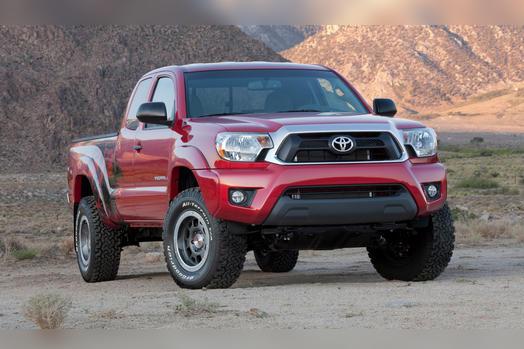
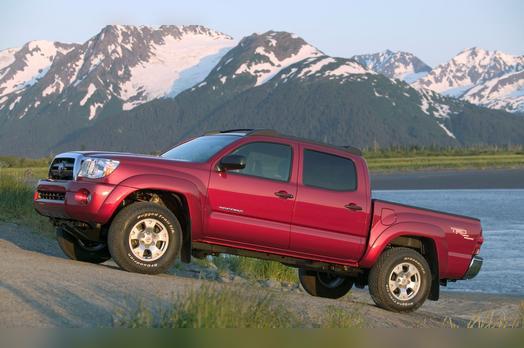
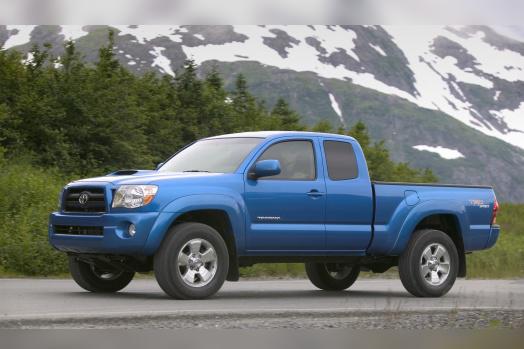
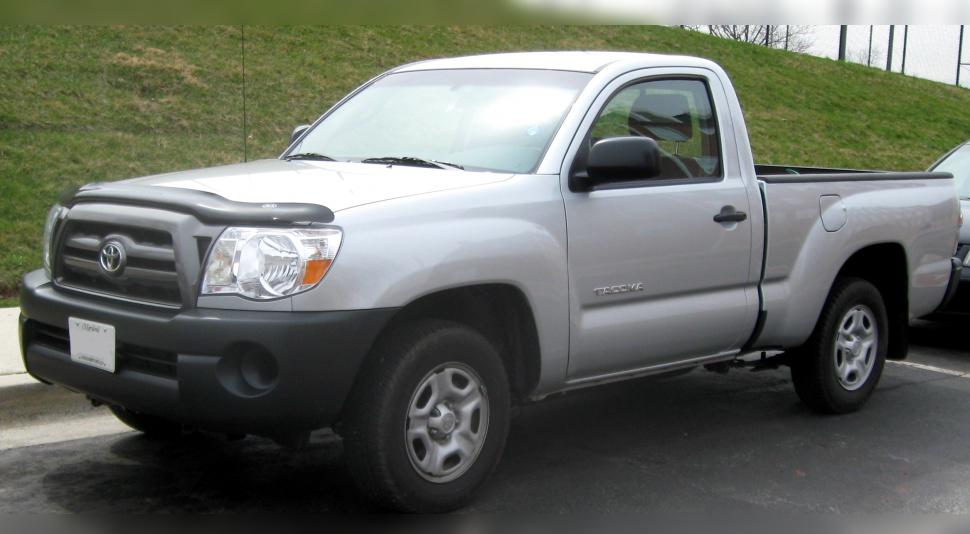
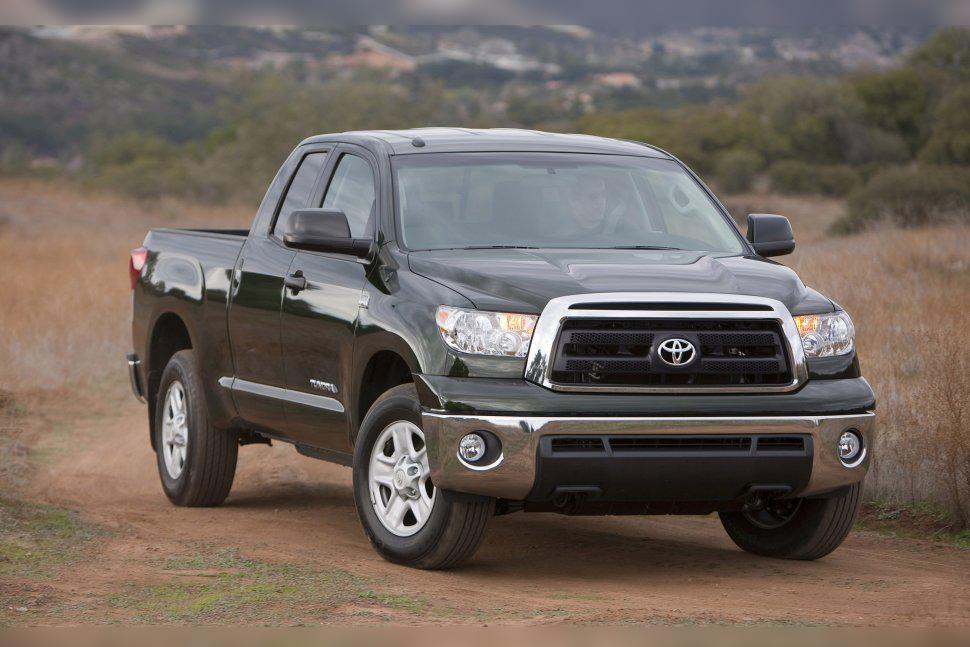
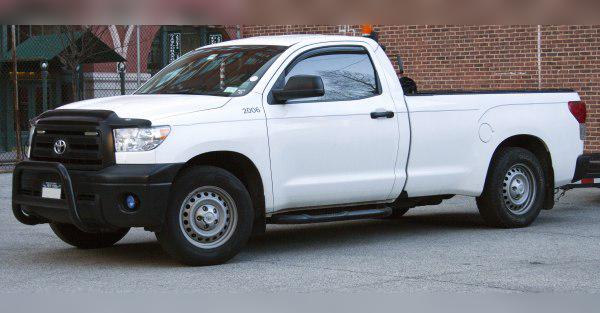
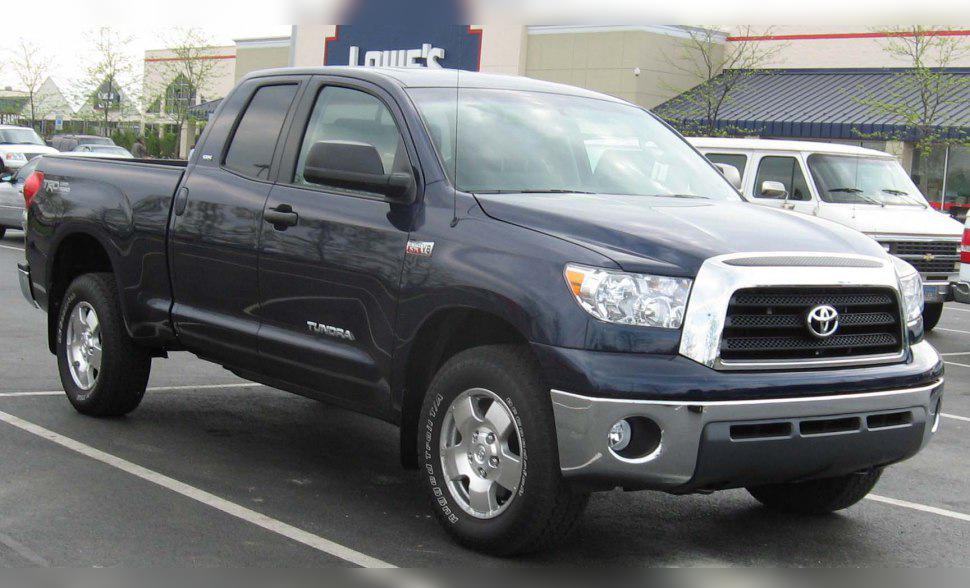
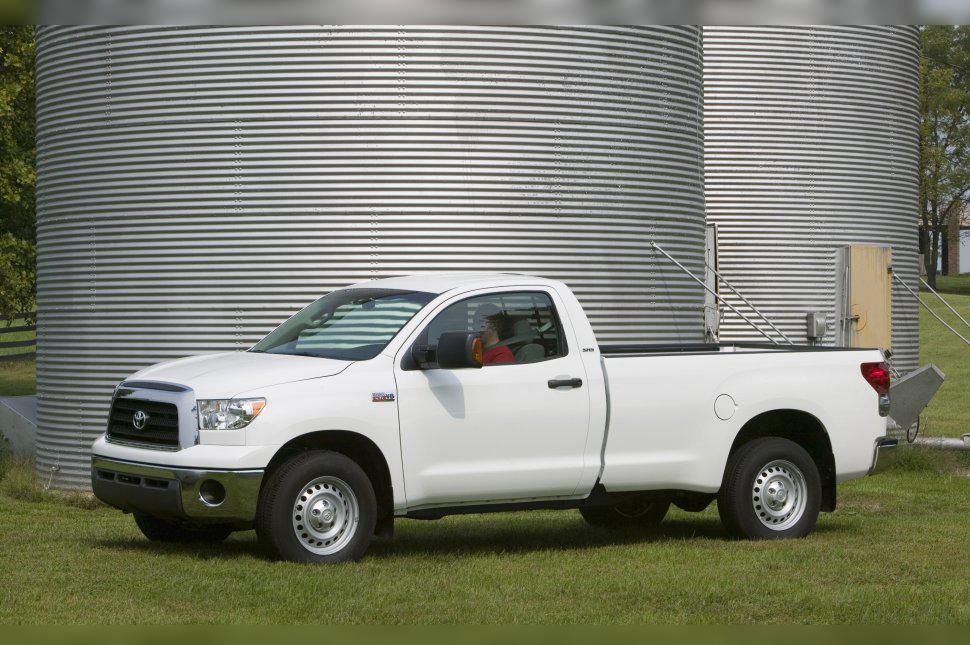
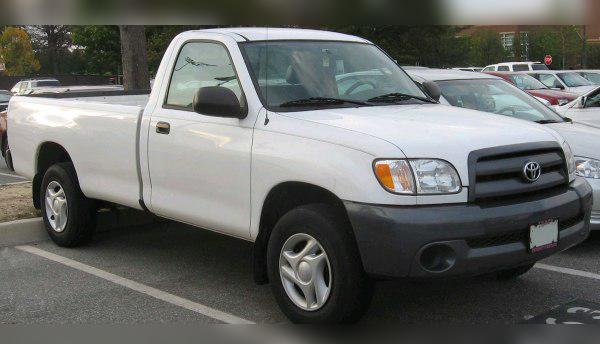
When people in the automotive world talk about indestructible workhorses, Toyota’s 1GR-FE 4.0-liter engine sits right at the top of that list. It was installed in some of the most legendary SUVs and pickups on the planet, such as the Toyota Tacoma, 4Runner and Tundra. It was created with one clear goal: to offer massive low-end torque, the ability to withstand the harshest off-road conditions, and to do all that without draining the owner’s wallet with constant breakdowns. This naturally aspirated petrol engine was not built to break lap records, but for towing, climbing and surviving in conditions where modern downsized engines quickly give up.
Technical specifications
| Specification | Data |
|---|---|
| Displacement | 3956 cc (4.0L) |
| Power | 176 kW (236 hp) at 5200 rpm |
| Torque | 361 Nm at 4000 rpm |
| Engine code | 1GR-FE |
| Injection type | Multi-point (EFI – port fuel injection) |
| Induction type | Naturally aspirated |
| Valve timing drive | Chain (timing chain) |
Reliability and maintenance
When you open the hood of a model with the 1GR-FE engine, you are looking at a piece of engineering where mechanical design was not sacrificed for emissions at the expense of reliability. This engine uses a massive timing chain, not a belt. The chain is designed to last as long as the engine itself, so the typical “major service” with timing replacement every 100,000 km simply does not exist here.
Most common issues and what to look out for
Although extremely durable, the 1GR-FE does have a few weak points that appear with age. The most common problem is a leaking water pump. Symptoms include a slight drop in coolant level and characteristic pink traces of dried antifreeze on the front of the engine block. Also, on early versions of this engine (mostly up to 2006), there were occasional cases of head gasket failure around cylinder no. 6. If the vehicle overheats or you hear bubbling in the coolant overflow tank, this is the prime suspect. Coil pack replacement is another standard item once the engine starts to hesitate or reports a misfire on diagnostics.
Service intervals and oil
The major service essentially comes down to checking the chain, and replacing the water pump and accessory belt at around 200,000 to 250,000 km. The engine takes about 5.2 to 5.5 liters of oil (depending on the exact oil pan and drivetrain configuration), and the recommended grade is 5W-30 synthetic. Because of the vehicle’s weight and load, change the oil every 10,000 km, 15,000 km at the absolute maximum.
As for oil consumption, from the factory this engine practically does not burn oil. A loss of up to 0.5 liters between two services on engines with more than 200,000 km on the clock is considered completely normal. If it uses a liter or more over a few thousand kilometers, that points to stuck oil rings due to poor maintenance or worn valve stem seals.
Since this is a petrol engine, spark plugs play a vital role. It is recommended to use only iridium plugs (often Denso or NGK), which are replaced every 90,000 to 100,000 km. If you use cheaper copper or platinum plugs, the replacement interval is roughly half that.
Specific parts and costs
What makes this engine a favorite among mechanics and owners is the absence of modern “quirks”. The 1GR-FE has no turbocharger, so you can forget about worries over turbo rebuilds, whining noises or oil leaks from the turbo. The fuel system is good old multi-point port injection. The injectors are very robust, almost never cause problems and are not nearly as sensitive to poor fuel quality as modern GDI/FSI systems. If they do fail, replacing them with used ones or cleaning them in an ultrasonic bath is not expensive (depends on the market).
Wondering about emissions? Since this is a pure petrol engine, it has no DPF filter and no complicated AdBlue system. It is equipped with an EGR valve (on certain versions and markets), but on petrol engines it does not get dirty and clogged anywhere near as often as on diesels. What can become expensive at higher mileage are the catalytic converters. Due to the large displacement and richer mixture, after about 250,000 km the cats can lose efficiency, which triggers the “Check Engine” light (P0420/P0430 codes). Replacing the catalytic converters can be expensive to very expensive (depends on the market).
Fuel consumption and performance
This is where the 1GR-FE pays the price for its reliability and power. Real-world city consumption for heavy vehicles like the Tacoma or Tundra is between 16 and 18 l/100 km, and with the A/C on in heavy traffic it can reach 20 liters.
Is the engine “lazy”? Absolutely not. Its 361 Nm of torque provides a feel similar to driving a strong diesel – it pulls hard from low revs. The engine is very flexible and easily handles a heavy body and trailer load. It is not explosive at high revs like a sports engine, but that is not its purpose anyway.
On the highway, the 1GR-FE turns into a comfortable cruiser. At 130 km/h, the engine hums along at a relaxed 2200 to 2400 rpm (depending on the transmission and differential ratio). Fuel consumption on open roads and highways drops to a more tolerable 11 to 13 l/100 km.
Additional options and modifications
Given the high petrol consumption, installing LPG is very popular. This engine generally handles LPG well, BUT there is one important catch: it does not have hydraulic lifters, but uses solid bucket tappets. LPG burns at a higher temperature and can gradually wear out the valve seats. Because of this, it is essential to install a top-quality sequential LPG system and a valve lubrication system. Checking valve clearances every 80,000 km on LPG is mandatory.
When it comes to chipping (Stage 1), save your money. On old-generation naturally aspirated petrol engines, remapping the ECU can give you at best 10 to 15 hp. The difference in driving is practically negligible, so this kind of modification on the 1GR-FE is simply not worth it.
Transmission and drivetrain
This V6 is usually paired with the indestructible 5-speed automatic transmission (A750E/A750F series). On a few models, mostly Tacoma pickups, you can also find a 6-speed manual gearbox (RA60 series).
The manual gearbox is durable, but it uses a dual-mass flywheel. If you use the vehicle for heavy off-road driving or towing, the clutch and flywheel can wear out prematurely. Symptoms include rattling at idle and shuddering when taking off. Replacing the clutch kit with the dual-mass flywheel is expensive (depends on the market). Also, on manuals you can sometimes hear the release bearing squeak on a cold start.
The automatic transmissions in this model are traditional torque-converter automatics, so there is no dual-mass flywheel. The biggest problem you might experience with the automatic is shuddering or vibration at around 60–80 km/h. In 90% of cases this is caused by old, degraded transmission fluid. For long and reliable operation, always replace the fluid and filter every 60,000 to 80,000 km. If maintained properly, the automatic transmission will outlive the vehicle’s body.
Buying used and conclusion
When buying a used vehicle with the 1GR-FE engine, pay attention to the following:
- Cold start: Ask the seller not to start the vehicle before you arrive. On first start-up, listen for any chain rattle in the first 2–3 seconds. Although the chain is long-lasting, the tensioners can weaken after 300,000 km.
- Water pump and coolant: Inspect the front of the engine with a flashlight. Any traces of pink or red crystallized antifreeze mean the water pump is due for replacement.
- Suspension and frame: Since the Tundra, Tacoma and 4Runner are work and off-road vehicles, the engine is often in better condition than the frame, which may have suffered from corrosion or heavy off-road impacts.
Who is this engine for?
The Toyota 4.0 V6 (1GR-FE) is not for someone who counts every liter of fuel at the pump. This is an engine for serious off-road enthusiasts, business owners who need a reliable workhorse for towing, and all those who value mechanicals they can rely on in the middle of nowhere. If reliability matters more to you than fuel economy, and if you appreciate classic engineering without fragile turbos and expensive injectors, this V6 is one of the smartest used-car purchases on the market.