Toyota 1GR-FE 4.0 V6: Experiences, Issues, Fuel Consumption and Used-Buying Tips
Key points in short (TL;DR)
- Exceptional reliability: Among the most durable petrol engines ever made, designed for heavy off-road vehicles.
- Power transmission: Uses a timing chain, which significantly reduces regular maintenance costs.
- High fuel consumption: Expect between 15 and 20 l/100 km in city driving; this is not an engine for daily traffic jams.
- Injection system: Older and reliable MPFI (indirect injection) means no issues with carbon buildup on the valves.
- Potential failures: On early model years (up to 2005) the weak point is the head gasket, while water pump leaks are standard at higher mileage.
- LPG: Handles LPG conversion very well, but requires periodic valve clearance checks.
Contents
- Introduction: Get to Know the 1GR-FE 4.0 V6
- Technical Specifications
- Reliability, Maintenance and Common Issues
- Specific Parts and Costs
- Fuel Consumption and Performance
- Extras, LPG and Modifications
- Transmission and Drivetrain
- Buying Used and Conclusion
Introduction: Get to Know the 1GR-FE 4.0 V6
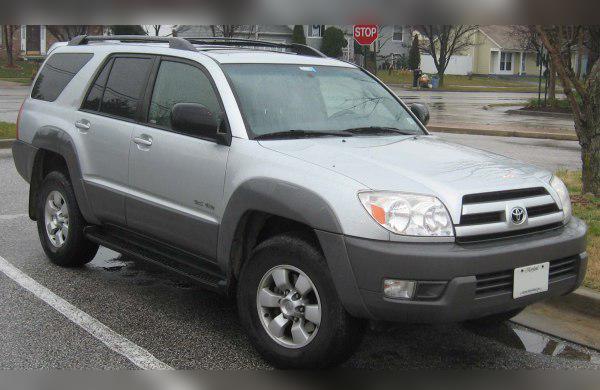
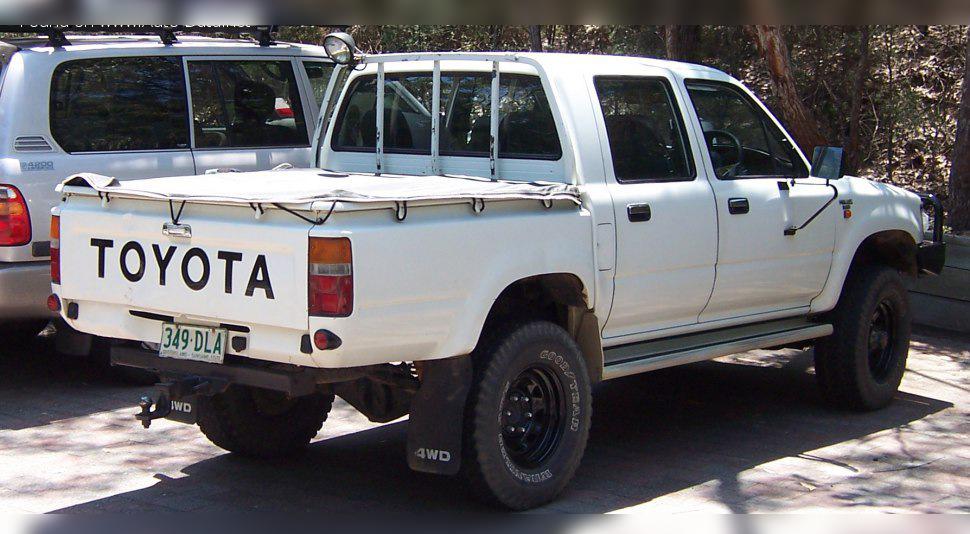
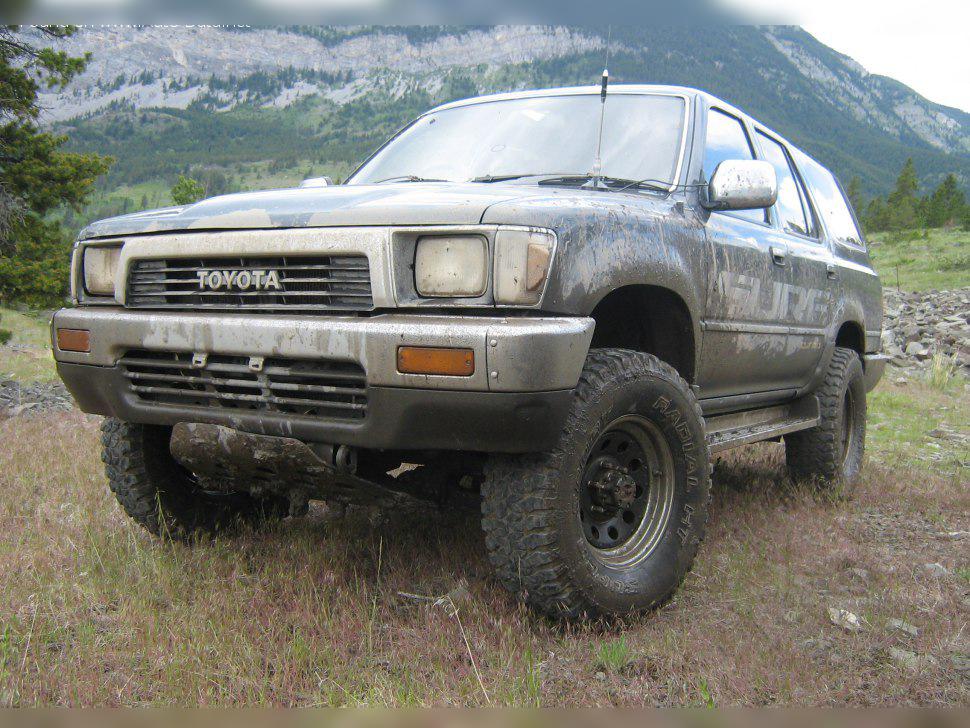
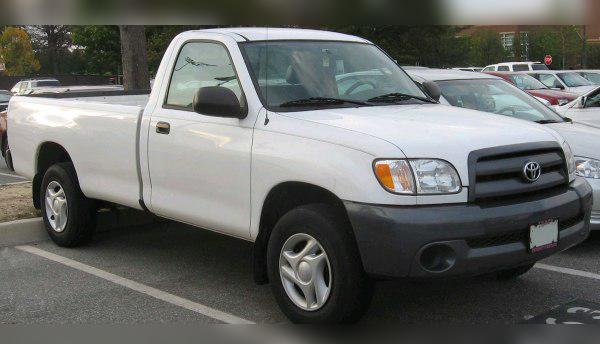
When people talk about indestructible powerplants that cover hundreds of thousands of kilometers across rough terrain on every continent, Toyota’s 1GR-FE 4.0-liter engine holds a special place. It is a naturally aspirated V6 petrol engine designed primarily for heavier rear-wheel-drive or four-wheel-drive vehicles such as the Toyota 4Runner, Hilux, Tundra and Land Cruiser (Prado). The version we are talking about here delivers 180 kW, i.e. 245 hp, and is equipped with the first generation VVT-i system (variable valve timing only on the intake camshaft). This engine is not built for traffic-light drag races, but to provide massive low-end torque, cope with heavy trailers and survive the harshest operating conditions.
Technical Specifications
| Parameter | Value |
|---|---|
| Engine displacement | 3956 cc |
| Power | 180 kW (245 hp) |
| Torque | 382 Nm |
| Engine code | 1GR-FE (Single VVT-i) |
| Injection type | Indirect (Multipoint - MPFI) |
| Aspiration | Naturally aspirated (No turbo) |
Reliability, Maintenance and Common Issues
Timing Chain and Major Service
This engine uses a timing chain rather than a timing belt. That is great news for owners because the classic “major service” in the sense of preventive belt replacement at 100,000 km simply doesn’t exist. The chain is very robust and rarely needs attention before 250,000 to 300,000 km. Replacement of the chain, tensioners and guides is done only when a specific metallic rattling noise appears during cold starts. When the time comes, the procedure is labor-intensive and therefore falls into the category of expensive repairs (cost depends on the market).
Most Common Issues and Symptoms
Although the mechanicals are robust, the 1GR-FE is not completely immune to aging. On early series (up to 2005), the most serious problem was the head gasket, especially around cylinder no. 6. Symptoms include engine overheating, white smoke from the exhaust, coolant loss and mixing of coolant and oil (forming “mayonnaise” on the oil filler cap). Newer series received improved gaskets that solved this issue.
In addition, the water pump is known to start leaking around 100,000 to 150,000 km. Drivers may notice this as a constantly dropping coolant level or as pink/red crusty traces on the front of the engine. Replacing the water pump is not very expensive and is recommended at the first sign of leakage to avoid catastrophic overheating of the aluminum engine block. Occasional issues with ignition coils can also appear (rough idle, hesitation and a lit “Check Engine” light).
Oil and Spark Plugs
The oil pan of this engine holds about 5.2 liters of oil (including the oil filter). The factory recommends 5W-30 fully synthetic oil. Regular minor services (oil and all filters) should be done every 10,000 to 15,000 km at most, especially if the vehicle tows a trailer or is driven off-road. A healthy 1GR-FE does not consume oil between services, or the consumption is negligible (up to 0.5 liters per 10,000 km). If the engine suddenly starts consuming more than one liter per 5,000 km, the most likely cause is stuck piston rings due to irregular oil changes in the past.
As for ignition, the engine comes from the factory with standard or iridium spark plugs. If standard (copper) plugs are installed, they should be replaced every 40,000 to 50,000 km. If you invest in quality iridium spark plugs (which is highly recommended), the replacement interval extends to 90,000 to 100,000 km.
Specific Parts and Costs
Unlike modern, highly complex petrol and diesel engines, the 1GR-FE is refreshingly simple. This engine does not have a turbocharger (or two), which immediately removes a major potential failure item from the list. Power delivery is linear and natural.
The injection system is indirect (Multipoint). This means that fuel is injected into the intake manifold before the valves. This system is extremely reliable and injectors rarely fail. If they do get clogged due to poor fuel quality (symptoms: rough running, hard starting), ultrasonic cleaning of the injectors is quick and very cheap. There is no notorious carbon buildup on the intake valves, which is a nightmare for modern direct-injection engines.
Since this is an old-school petrol engine, it does not have a DPF filter or AdBlue system. Forget about clogged particulate filters, expensive NOx sensors and topping up fluids. It has a conventional catalytic converter and an EGR/PCV system that can occasionally get dirty from oil vapors, but this can be solved with simple, inexpensive cleaning.
Fuel Consumption and Performance
If you are buying a 4.0 V6 petrol engine in a vehicle weighing over two tons (such as a Tundra or 4Runner), fuel consumption is something you simply have to accept. In city driving, real-world consumption is between 15 and 20 l/100 km. The engine is fighting a lot of mass and physics is unforgiving.
But is this engine “lazy”? Absolutely not. With 382 Nm of torque available at relatively low revs (thanks to the VVT-i system and a specific long-stroke design), it pulls very strongly. The driving feel is reminiscent of old-school V8 engines. It moves the body with ease, and overtaking is safe.
On the highway the situation is much better. At 130 km/h it cruises very quietly. Combined with the 5-speed automatic transmission, at that speed the tachometer sits at a relaxed 2,200 to 2,400 rpm. Fuel consumption on open roads and highways drops to a more reasonable 11 to 13 l/100 km, depending on the vehicle’s aerodynamics and wind conditions.
Extras, LPG and Modifications
LPG Conversion
The good news is that this engine handles LPG very well. Thanks to the simple, indirect injection system, installing a sequential LPG kit is straightforward and cost-effective given the high petrol consumption. However, there is one important note: 1GR-FE engines do not have hydraulic lifters, but use fixed bucket tappets. Running on LPG increases combustion temperatures, which over time can lead to valve seat recession and reduced valve clearance. Installing a valve lubrication system (so-called “valve saver” or Flashlube) is mandatory, and valve clearances should be checked every 50,000 to 60,000 km to avoid burnt valves (a very expensive repair).
Remapping (Stage 1)
To put it briefly: Stage 1 remapping on this engine is not worth it. Since it is a naturally aspirated engine, changing ignition and fuel maps can give you barely 10 to at most 15 hp and a slightly sharper throttle response. In a two-ton vehicle, that difference is practically imperceptible. If you want real performance gains, the only option (which Toyota itself offered through its TRD division) is installing a supercharger, but these are extremely expensive upgrades (depending on the market, often worth half the value of the vehicle itself).
Transmission and Drivetrain
In the vast majority of cases, models such as the Tundra, 4Runner and Hilux with this engine were paired with automatic transmissions (Aisin 4-speed in the very early years, followed soon by the proven 5-speed automatic A750E/F). These automatics are of traditional construction (with a torque converter). They are incredibly durable, rarely fail, do not jerk and can withstand extreme abuse.
Regarding the dual-mass flywheel: Models with automatic transmissions do not have one. However, if you find a very rare version paired with the 6-speed manual gearbox (RA60), they are often equipped with a dual-mass flywheel to dampen vibrations from the large V6. In that case, replacing the clutch kit and dual-mass flywheel is very expensive (market-dependent) due to the massive parts and the need to remove the heavy 4x4 transfer case.
Transmission service: Do not believe in “lifetime fluid”. For the automatic transmission to last as long as the engine, you must change the transmission fluid and filter every 60,000 to 80,000 km. The same interval applies to changing the oil in the differentials and transfer case.
Buying Used and Conclusion
When looking at a used vehicle with the 1GR-FE engine, pay attention to the following:
- Cooling system (Most important!): Open the radiator cap (when the engine is cold!) and the coolant reservoir. If the coolant is brown, smells like exhaust gases or you see bubbles while the engine is running, walk away from that vehicle – the head gasket has failed.
- Cold start: Ask the seller not to start the vehicle before you arrive. At the first cold start of the day, listen to the engine around the intake manifold and front timing cover. A metallic rattle lasting a few seconds indicates a stretched timing chain.
- Chassis: Although this is not an engine issue, Toyota off-roaders from this era (especially the Tundra and 4Runner) are notorious for frame rust. The engine will outlive the body, so always inspect the vehicle on a lift.
Who is this engine for? A well-maintained Toyota with the 1GR-FE engine is a fantastic purchase for hunters, weekend house owners, people who tow heavy trailers with boats or tools, and anyone who wants ultimate reliability and is willing to pay the fuel bill. This is a machine that will not leave you stranded. On the other hand, if you are looking for an SUV solely for posing in city traffic and daily commuting, the fuel consumption will very quickly make you put the vehicle up for sale.