Toyota 1JZ-GTE Engine: Experiences, Problems, Fuel Consumption and Used-Buying Tips
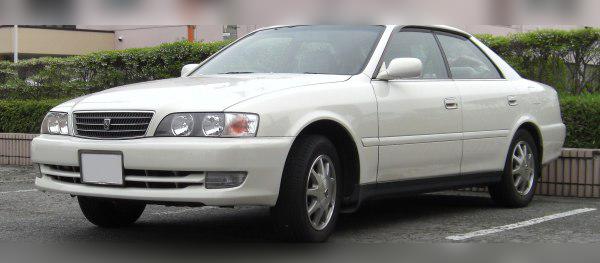
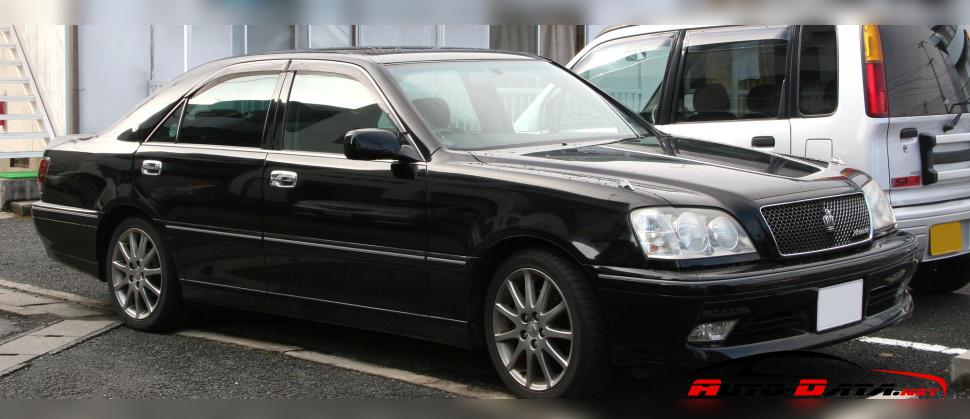
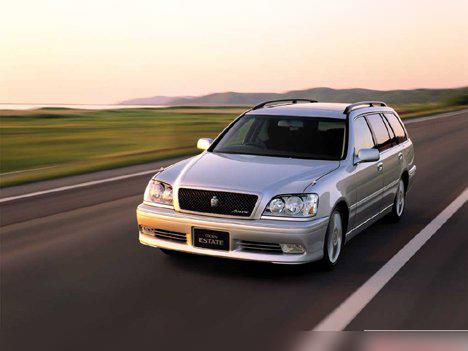
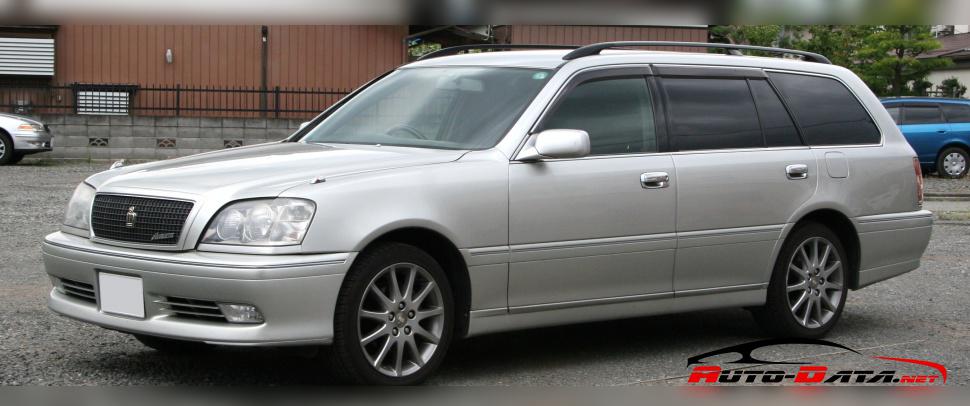
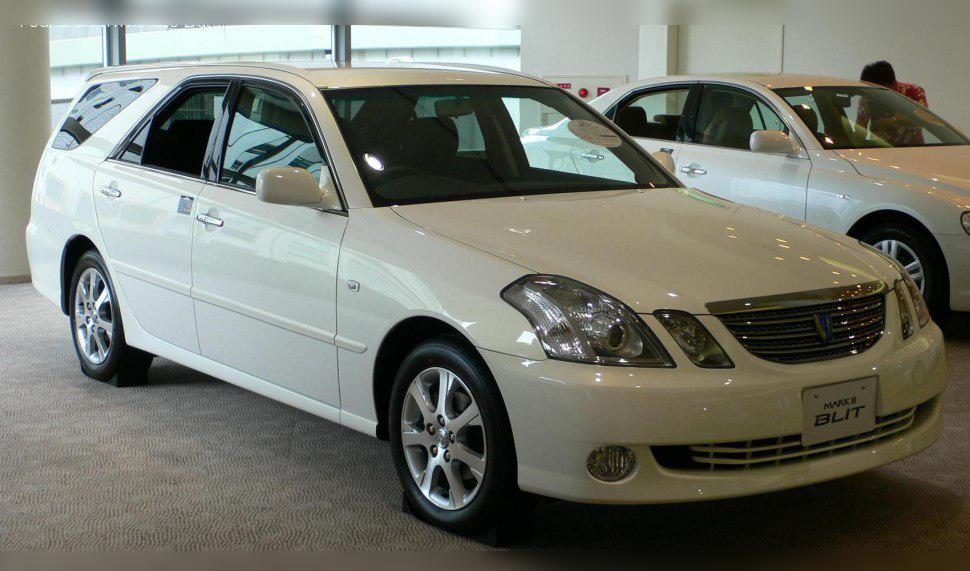
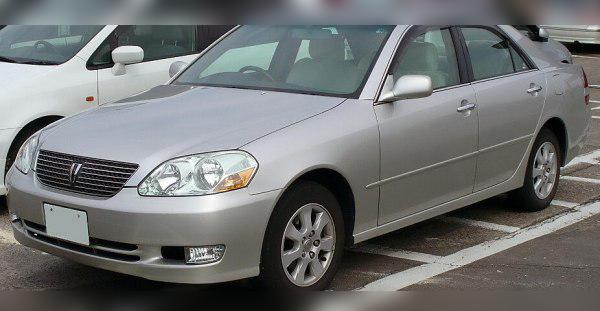
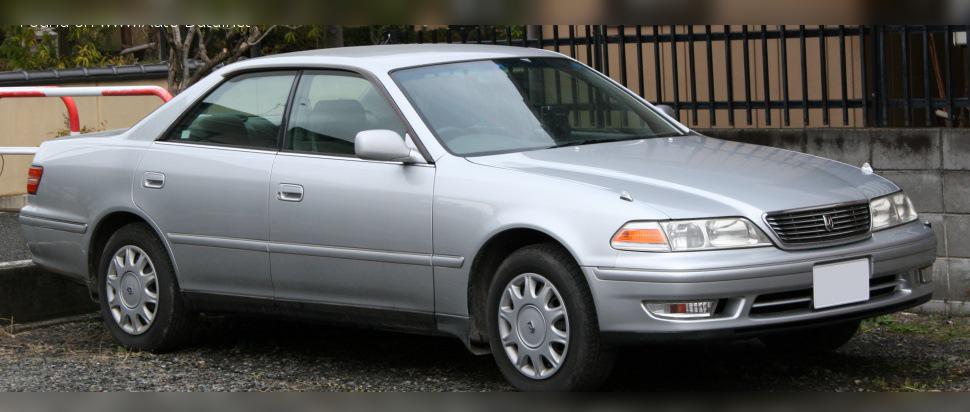
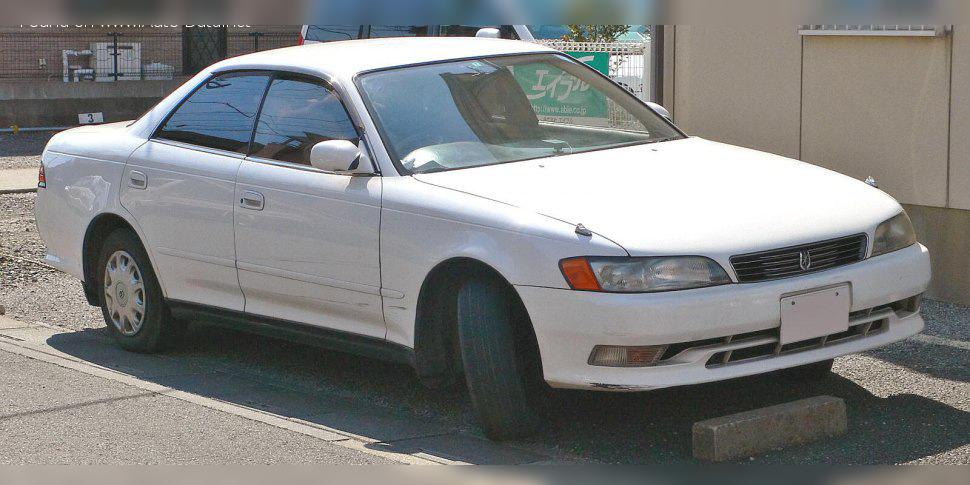
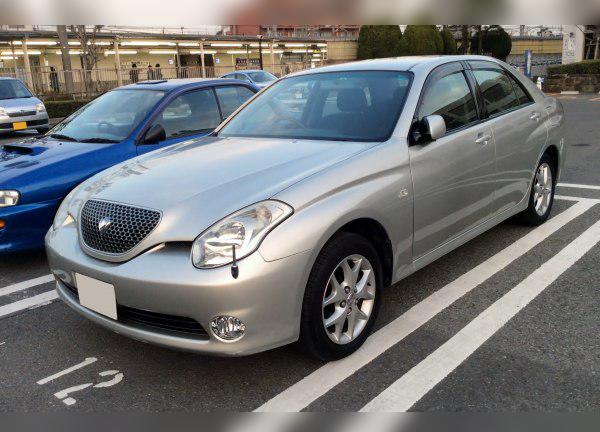
1JZ-GTE is one of the most iconic Japanese engines of all time, which gained legendary status thanks to its incredible durability, smooth operation and huge tuning potential. It was mostly installed in rear-wheel drive (RWD) sedans and wagons from the JDM (Japanese Domestic Market), such as the Toyota Chaser, Mark II, Verossa and Crown. Although it is the younger brother of the famous 2JZ engine, the 1JZ, with its 2.5-liter displacement, offers a sharper throttle response, fantastic sound and power that from the factory reaches 206 kW (280 hp) and 378 Nm of torque. For serious driving and tuning enthusiasts, this inline-six is often considered the “Holy Grail”.
Key points in short (TL;DR)
- Indestructible bottom end: The factory bottom end (crankshaft, connecting rods) easily withstands over 500 hp without opening the engine.
- Timing belt: The engine uses a timing belt whose replacement is not overly complicated, and the engine is mostly of a "non-interference" design (except in certain VVT-i scenarios).
- Age-related failures: The most common issues include hardened valve stem seals (oil consumption), cracking of the plastic on the coil packs, and oil leaks from the VVT-i cam gear (on newer versions).
- Sensitive turbochargers: First-generation twin-turbo setups have ceramic turbine wheels that tend to break when boost is raised above 1.1 bar.
- High fuel consumption: In city driving you can expect at least 15 l/100 km, which is the price of old technology and high power.
- Expensive body and drivetrain parts: While engine parts are available, manual R154 gearboxes and performance clutches are very expensive (Depends on market).
Contents
- Technical Specifications
- Reliability and Maintenance
- Specific Components and Turbo System
- Fuel Consumption and Performance
- Additional Options and Modifications
- Transmissions and Drivetrain
- Buying Used and Conclusion
Technical Specifications
| Specification | Data |
|---|---|
| Displacement | 2492 cc (2.5L) |
| Configuration | Inline six-cylinder (R6 / I6), 24 valves |
| Power | 206 kW (280 hp) at 6200 rpm |
| Torque | 378 Nm (on VVT-i versions torque comes in lower in the rev range) |
| Engine code | 1JZ-GTE (Gen 1 Twin-Turbo / Gen 2 Single-Turbo VVT-i) |
| Injection type | Indirect electronic fuel injection (EFI) into the intake manifold |
| Forced induction | Twin-turbo (early models) or single turbo with VVT-i (later models), intercooler |
Reliability and Maintenance
The 1JZ-GTE engine was designed in the “golden era” of the Japanese auto industry, when manufacturers did not skimp on materials. Unlike many modern engines, this one uses a timing belt instead of a chain. A major service, which includes replacement of the timing belt, tensioner, idler pulleys and water pump, is in practice recommended every 90,000 to 100,000 km. Considering that the crankshaft handles a huge amount of power, regular maintenance of this system is essential, although the older non-VVT-i generation has a so-called “non-interference” design – if the belt snaps, the pistons will not hit the valves. On VVT-i versions (from 1996 onwards), the situation can be different depending on engine speed, so the risk of catastrophic damage increases.
Failures and oil consumption
In terms of regular servicing, the system takes about 4.5 to 5.5 liters of engine oil (depending on whether the model has an additional oil cooler). For stock engines, a 5W-40 grade is recommended, while modified engines and those driven on track usually switch to 10W-60 synthetic oils. The engine can consume oil, and the main culprit is usually the valve stem seals. Due to high temperatures and age, they harden. The symptom is a characteristic cloud of blue smoke from the exhaust on the first cold start in the morning, or when you suddenly floor the throttle after idling for a longer period. Consumption of about 0.5 L per 10,000 km is completely normal, but if the engine “drinks” a liter per 1,000 km, it’s time for a serious cylinder head overhaul or inspection of the turbocharger.
Coil packs, spark plugs and electronics
Another well-known weak point of this engine is the coil packs. They are located under a plastic cover on the very top of the engine. Since the 1JZ generates a lot of heat, the plastic housings of the coils eventually become brittle and crack. Symptoms include engine hesitation or misfire during hard acceleration or at high boost. As a turbocharged gasoline engine, the spark plugs are under heavy load. It is recommended to use only Iridium or Platinum plugs, which on stock ECU maps are replaced at around 60,000 km. If the engine is chipped or running higher boost, the replacement interval drops dramatically to 20,000–30,000 km to avoid spark blowout.
Specific Components and Turbo System
The fuel system is electronic, with injectors in the intake manifold (multi-point EFI). The fuel injectors themselves are extremely robust and rarely fail mechanically, although on older examples the O-ring seals can deteriorate, causing fuel leaks. Injector issues usually appear only when the owner wants to increase power – the stock injectors (around 380 cc) quickly reach their limit, so any serious tuning requires upgrading to larger units.
Ceramic vs hybrid turbo
One of the biggest differences within the 1JZ-GTE family itself is the type of forced induction. Older engines (installed before 1996, e.g. in the JZX90) use two parallel turbochargers (CT12A). These turbos offer excellent response, but have turbines with ceramic wheels. Ceramic is lighter and spools faster, but is extremely brittle. If you raise the boost via modifications above 1.1 or 1.2 bar, there is a high chance that the turbine blades will shatter straight into the exhaust. The service life of these turbos at stock boost is around 150,000 km.
Newer generations (installed in the JZX100, Crown, Verossa) introduced VVT-i technology on the intake camshaft and switched to a single larger turbocharger (CT15B). These turbos are significantly better for everyday driving, with torque coming in earlier (full boost already at around 2400 rpm), but over time the shaft bearings and turbo seals wear out, resulting in smoke and oil leaking into the intercooler. The VVT-i system also brings an additional drawback: the cam gear (VVT-i gear) eventually starts leaking oil due to deterioration of the internal seals.
Good news for maintenance: the 1JZ-GTE from this era does not have a DPF filter, a complex modern-type EGR valve, or an AdBlue system. It is raw gasoline mechanical engineering without modern restrictions and clogging from emissions equipment.
Fuel Consumption and Performance
Fuel economy is not a word that belongs in the same sentence with the 1JZ-GTE. Real-world city consumption is rarely below 15 to 18 l/100 km, especially with automatic transmissions or more spirited driving. On the highway, at around 130 km/h, consumption can drop to about 9 to 11 l/100 km if the engine is in perfect technical condition.
Is the engine “lazy” for heavy bodies? Not at all. Even though the cars it’s installed in are large (for example, the Crown Estate wagon or long-wheelbase Chaser sedan often weigh over 1.5 tons), 280 hp and 378 Nm make them very agile. The VVT-i single-turbo variant delivers massive torque already in the mid-range. While cruising on the highway at 130 km/h, the engine usually spins between 2600 and 3000 rpm (depending on the final drive ratio and gearbox), and every press of the throttle provides enough power for instant overtaking without the need to downshift.
Additional Options and Modifications
Should you install LPG?
Technically, installing LPG is possible and is done (via sequential systems), but with a serious warning. Since this is a powerful turbo engine, you need a top-quality vaporizer (or two) that can deliver enough fuel under load and boost, as well as extremely fast LPG injectors. Any lean condition on LPG at full boost will result in melted pistons due to detonation. Most purists and enthusiasts absolutely avoid LPG on this engine, as it defeats the purpose of the 1JZ-GTE as a base for sports performance.
Remapping potential (Stage 1)
This engine was born for tuning. Even with a basic Stage 1 package, which usually includes installing an electronic boost controller, a freer-flowing exhaust, a larger front-mount intercooler and ECU adjustments (often by replacing the ECU or installing a piggy-back system such as Greddy e-Manage, since the stock ECU on older models is hard to reflash), power easily jumps to 320 to 350 hp. The engine block handles this without any issues. At these power levels, the only limiting factors become the stock fuel injectors and the ceramic turbo (if it’s a first-generation engine).
Transmissions and Drivetrain
Toyota’s powertrain engineering is a story of its own. The 1JZ-GTE comes paired with two main gearboxes:
- R154 (5-speed manual): This is a heavy-duty gearbox, highly sought after for its durability. It can handle serious torque without gear failure. Its downsides are a somewhat notchy shift feel (it’s not a lightning-fast race gearbox), and the most common issues are worn synchros (grinding when shifting from 2nd to 3rd) and damage to thrust washers under high stress.
- A340E (4-speed automatic): Old-school “classic” automatic with a torque converter (no dual-mass flywheel). Extremely reliable, but slow to shift. A common problem is transmission fluid overheating during drifting or aggressive driving, so enthusiasts almost always install additional transmission oil coolers. The ATF fluid should be refreshed every 60,000 km.
Clutch and flywheel
On versions with the manual R154 gearbox, clutch replacement is very expensive (Depends on market). OEM kits can include a dual-mass flywheel (on some later Chaser models for smoother operation), but since very few cars are still in stock condition today, most owners have replaced them with single-mass flywheel kits or more extreme multi-plate solutions (twin-plate). If the car still has an old, worn dual-mass flywheel, symptoms include strong vibrations in the clutch pedal and knocking noises when shutting the engine off.
Buying Used and Conclusion
When buying a car with a 1JZ-GTE engine, a careful visual and acoustic inspection is crucial, because most of these engines are more than two decades old and have probably been driven hard. What to check:
- Blue smoke on startup and sudden throttle: If you see it, the valve stem seals are likely worn or the seals inside the turbocharger are leaking.
- Idle sound and smoothness: The engine should idle very smoothly and quietly, without hesitation. If it stumbles, the coil packs are on their way out. Ticking or knocking from the top end on VVT-i versions suggests a worn VVT-i system on the camshaft, whose repair is not cheap (Depends on market).
- Radiator and coolant: Due to the age of the cast-iron block, if a previous owner used plain water instead of proper coolant, the cooling system will be full of rust, which leads to constant overheating and potential head gasket failure.
Who is this engine for?
The Toyota 1JZ-GTE is definitely not an engine for the average driver looking for a daily family car with low running costs. Fuel consumption is huge, and many specific spare parts now often have to be ordered from abroad. However, for experienced car enthusiasts, drifters and fans of the Japanese tuning scene, this is one of the best platforms in the world. Its mechanical integrity, the howl of the inline-six when it passes 6000 rpm, and its ability to deliver breathtaking power with relatively modest tuning investments make it a true gem of old-school automotive engineering.