Toyota 3.0 V6 1MZ-FE engine: Experiences, issues, fuel consumption and used-car buying tips
Key points in short (TL;DR)
- Prone to oil sludge build-up: The Achilles’ heel of this engine if oil change intervals are neglected.
- Fuel consumption is high: In heavy bodies (SUVs and vans) city consumption rarely drops below 15 l/100 km.
- Excellent for LPG conversion: Classic MPI injection makes it a perfect candidate for LPG.
- Exceptional refinement: The V6 configuration offers very smooth and quiet operation, ideal for long trips.
- Timing belt driven: Requires strict adherence to timing belt service intervals to avoid catastrophic failure.
- Difficult access to spark plugs: Replacing the spark plugs on the rear cylinder bank is labor-intensive and mechanics often deliberately skip it.
- No dual-mass flywheel and no turbo: Old-school but robust technology that drastically reduces the cost of unexpected failures.
Contents
- Introduction: Get to know Toyota’s 3.0 V6 gem
- Technical specifications
- Reliability and maintenance
- Specific parts and costs
- Fuel consumption and performance
- Extras, LPG and modifications
- Transmission and drivetrain
- Buying used and conclusion
Introduction: Get to know Toyota’s 3.0 V6 gem
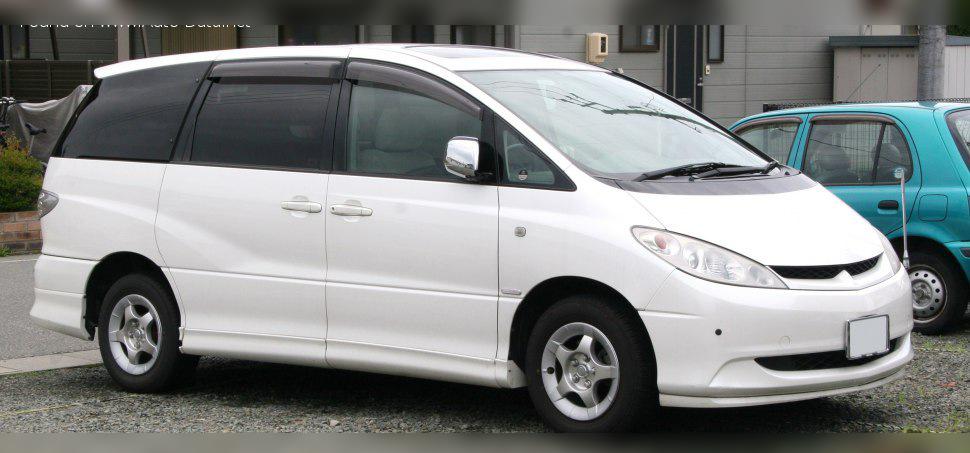
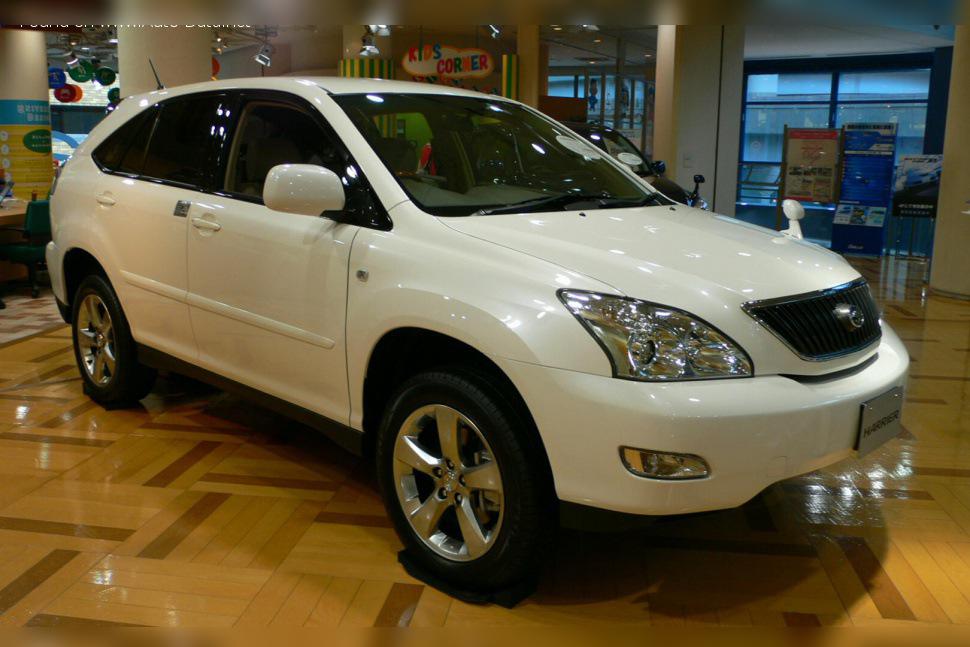
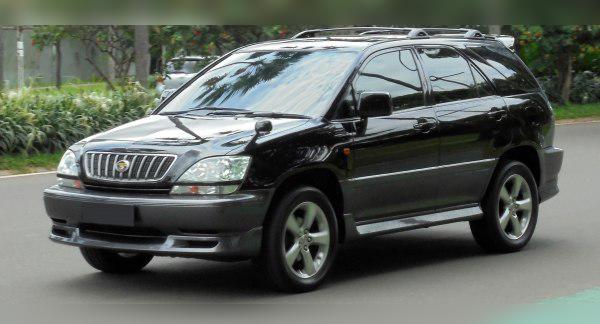
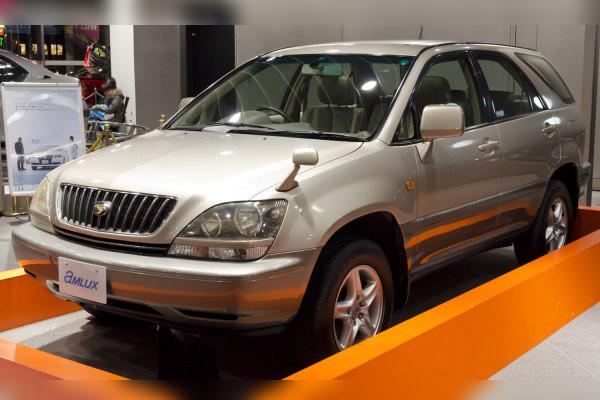
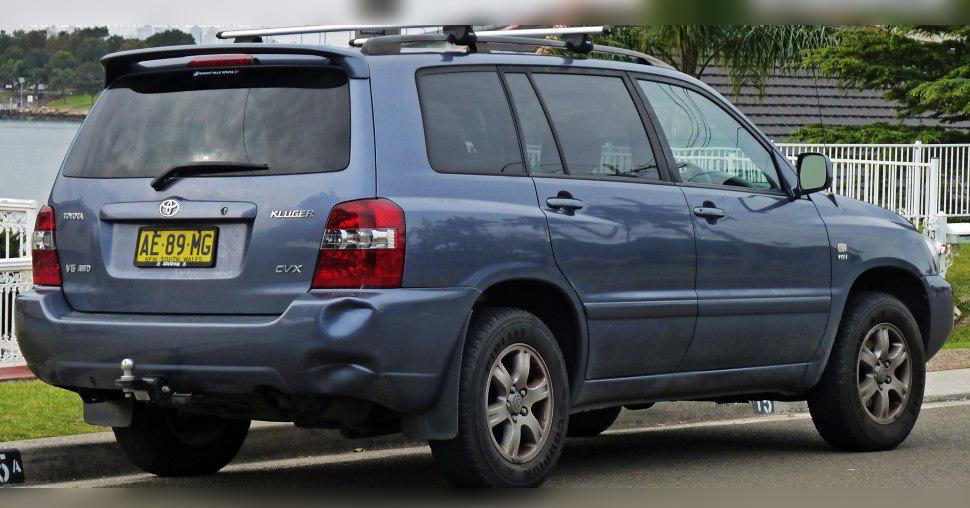
Toyota’s 1MZ-FE engine is one of the most respected V6 units from the late nineties and early 2000s. It was designed to deliver velvety-smooth operation and linear power delivery. In its 220 hp (162 kW) version, this all-aluminum engine was primarily installed in heavier and more luxurious Toyota models such as the Alphard, Estima, Kluger and Harrier (known as the Lexus RX on many markets). Although it is not a sports engine, its ability to effortlessly pull massive bodies has made it a favorite among drivers who value comfort and durability.
Technical specifications
| Parameter | Specification |
|---|---|
| Engine displacement | 2995 cc (3.0 L) |
| Power | 162 kW (220 hp) |
| Torque | 301 Nm |
| Engine code | 1MZ-FE |
| Injection type | MPI (Multi-Point Injection - port injection) |
| Aspiration | Naturally aspirated |
| Camshaft drive | Timing belt |
Reliability and maintenance
Timing belt and major service
Unlike many newer Toyota engines that use a chain, the 1MZ-FE uses a timing belt. Due to the introduction of the VVT-i system (variable valve timing) on these 220 hp versions, it is important to note that if the belt snaps, valves and pistons can collide (an interference engine). The major timing service must be done every 90,000 km up to a maximum of 100,000 km, or every 6 years, whichever comes first. The cost of the major service is average for V6 engines – it can be considered expensive, but it is absolutely essential (depends on the market).
Lubrication system and the infamous oil sludge problem
This engine takes about 4.7 to 5 liters of engine oil, and the recommended grade is 5W-30 (full synthetic). The best-known weakness of this engine is its tendency to develop oil sludge. The reason lies in the design of the engine block cooling passages and elevated operating temperatures, combined with a PCV valve (crankcase ventilation valve) that easily clogs. If the driver extends the oil change interval beyond 10,000 km, the oil starts to bake and turns into a gelatinous mass that blocks the oil passages, eventually leading to crankshaft seizure. The rule is simple: change quality oil every 8,000 to a maximum of 10,000 km and you will not have problems.
As for oil consumption, a healthy 1MZ-FE does not burn much oil between services. Topping up to 0.5 liters per 10,000 km is considered normal. However, on high-mileage engines, the valve stem seals tend to harden. The symptom is bluish smoke from the exhaust on first cold start in the morning, or when you suddenly accelerate after engine braking down a hill.
Most common failures and spark plug replacement
In addition to oil sludge, a common problem is the knock sensors. They are located deep in the “V” between the cylinder heads. Due to the extreme heat, the sensor wiring becomes brittle, breaks and triggers the “Check Engine” light. Replacement requires removal of the intake manifold, which is labor-intensive and quite expensive (depends on the market).
This is a petrol engine and requires spark plug replacement every 90,000 to 100,000 km because it uses high-quality factory iridium plugs. The problem with transversely mounted V6 engines (as in the Harrier or Alphard) is access. The rear three cylinders face the firewall (the cabin side). To replace the rear three spark plugs, the mechanic has to remove the wipers, plastic covers and the upper part of the intake manifold. Because of this, unscrupulous mechanics and owners often replace only the front three spark plugs, leaving the rear ones original, which over time leads to coil failure and rough engine operation.
Specific parts and costs
The good news for buyers is what this engine does not have. Since it is a classic naturally aspirated petrol engine:
- No turbocharger – power delivery is purely linear, with no expensive turbo failures.
- No DPF, no AdBlue system – these systems are reserved for modern diesels, so you are spared worries about regenerations and NOx sensors.
- EGR valve is present on some market versions of this engine due to emissions standards. It is not nearly as problematic as on diesels, but after 200,000 km it can get clogged with carbon, causing jerking at low revs. Cleaning solves the problem and is not expensive (depends on the market).
Fuel injection system: The engine uses classic MPI injection (into the intake port, before the valves). The injectors are extremely reliable and rarely need replacement. Occasional ultrasonic cleaning after 200,000+ km is perfectly adequate maintenance. A major advantage of the MPI system is that petrol washes the intake valves, so unlike modern direct-injection engines, there is no carbon build-up on the valves themselves.
Fuel consumption and performance
You need to be very realistic: vehicles that use this engine (Toyota Alphard, Estima, Harrier) usually weigh between 1,800 and 2,000 kg and have poor aerodynamics. Real-world city consumption in stop-and-go traffic routinely reaches 15 to 18 liters per 100 km. On the open road things are much better, but don’t expect miracles – the average is around 9 to 11 liters.
Is the engine “lazy”? Absolutely not. With 220 hp and a serious 301 Nm of torque available over a fairly wide range thanks to the VVT-i system, the engine has no trouble moving heavy bodies. Acceleration is smooth and confident, and overtaking on country roads is completely stress-free.
Behavior on the motorway: This is the engine’s natural habitat. Cruising at 130 km/h is extremely comfortable. Depending on whether it is paired with the older 4-speed or the newer 5-speed automatic transmission, at 130 km/h the engine usually spins between 2,800 and 3,100 rpm. The cabin is quiet and the engine practically “purrs”.
Extras, LPG and modifications
LPG conversion
Because of the high fuel consumption, this is the question every owner asks. Yes, the 1MZ-FE is an excellent candidate for an LPG system. Thanks to its classic MPI injection, installation is straightforward and quite affordable (depends on the market). The engine handles LPG very well. The only thing to watch out for is the valve seats; it is recommended to periodically check valve clearances after 80,000 - 100,000 km on LPG, because this engine does not have hydraulic lifters to self-adjust the clearance.
ECU remap (Stage 1)
Short and to the point: Don’t waste your money. The 1MZ-FE is a naturally aspirated engine. A Stage 1 remap might squeeze out an extra 10 to 12 hp on paper, which you absolutely will not feel in a heavy Toyota Harrier or Alphard. Leave the engine in stock form and enjoy its longevity.
Transmission and drivetrain
In models such as the Alphard, Estima and Harrier, the 1MZ-FE was only paired with automatic transmissions (mainly the 4-speed Aisin U140 series or the 5-speed U151 series, depending on model year and trim). There are no conventional manual gearboxes in these vehicles for this market.
Consequently, this setup has no dual-mass flywheel and no conventional clutch whose replacement would hurt your wallet. Power is transmitted to the gearbox via a hydraulic torque converter.
Most common transmission issues and maintenance: These Aisin automatics are very durable, but not indestructible. The most common problem stems from neglected oil changes. If the gearbox sharply “jerks” when shifting from P to R or D, or if revs rise but the vehicle does not accelerate proportionally (clutch pack slippage inside the gearbox), these are signs of serious wear. To avoid this, the automatic transmission fluid (ATF) and filter must be changed every 60,000 km. A full machine flush is recommended to remove all old oil from the torque converter and valve body.
Buying used and conclusion
When buying a used car with the 1MZ-FE engine, make sure you do the following:
- Check the oil filler cap: When you remove the cap and look inside (as far as you can see), the metal should be metallic or slightly yellowish. If you see black deposits resembling hardened tar – turn around and walk away. The engine is full of sludge and close to needing a full rebuild.
- Listen to it on a cold start: Let the car sit overnight at the seller’s place. When you start it for the first time in the morning, listen carefully. If you hear a sharp metallic rattle in the first two seconds, those are the VVT-i cam phasers that have been starved of oil or are falling apart. Replacement is quite expensive (depends on the market).
- Test-drive and pay attention to the gearbox: Gear changes must be absolutely smooth, without thumps, both uphill under full throttle and during gentle deceleration.
Conclusion: Who is the 1MZ-FE for? This is an engine for people who put comfort and reliability first, and fuel costs last. It is excellent for large families (in Alphard/Estima models) and for people who regularly tow trailers, travel long distances and spend hours on the motorway. If you plan to use the car only for short commutes in heavy city traffic, the huge fuel consumption will very quickly make you want to sell it, unless you invest in a quality LPG system.