Toyota 1NZ-FE 1.5 109 HP Engine: Experiences, Problems, Fuel Consumption and Buying Used
- Extremely reliable naturally aspirated petrol engine: Timing chain construction and the absence of complex systems ensure longevity.
- Oil consumption on older series: Models produced before 2005 can have issues with piston rings, which leads to increased oil consumption.
- Low maintenance costs: No dual-mass flywheel, no turbocharger and uses simple multipoint fuel injection.
- Performance and fuel economy: Lively in light models (Vitz/Echo), but struggles with heavier bodies, with increased noise on the highway.
- Transmissions: Manual and classic automatic (ECT) gearboxes are virtually indestructible. CVT transmissions in newer series require strictly regular oil changes.
- Ideal for city driving: Excellent low-end response makes it perfect for urban conditions, and it also tolerates LPG well with proper setup.
Contents
- Introduction and basic information
- Technical specifications
- Reliability and maintenance
- Specific parts and costs
- Fuel consumption and performance
- Additional options and modifications
- Transmission and drivetrain
- Buying used and conclusion
Introduction and basic information
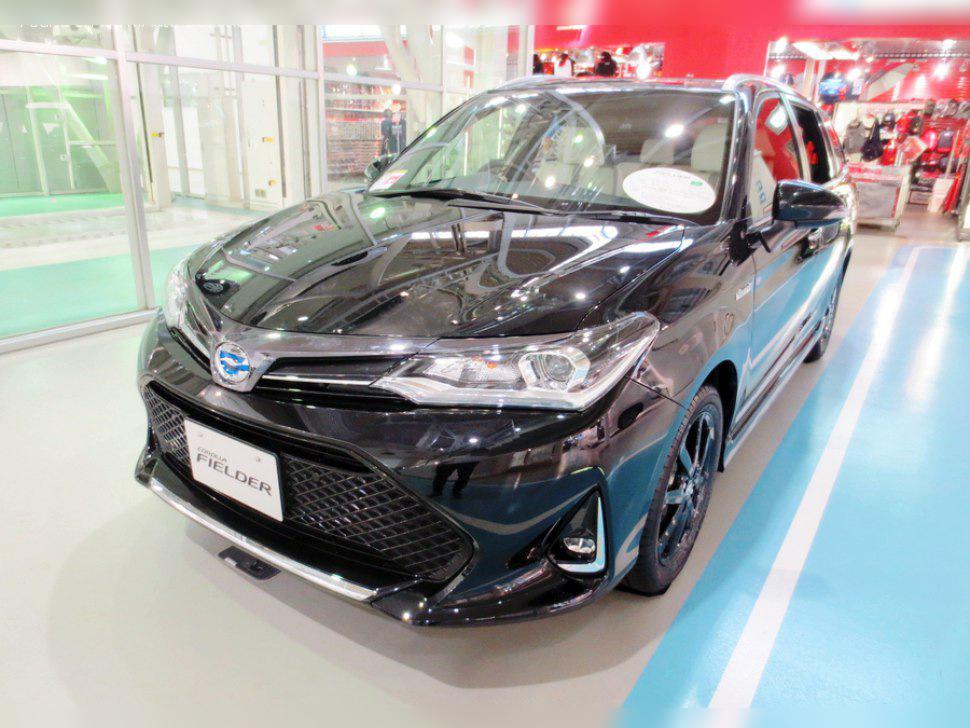
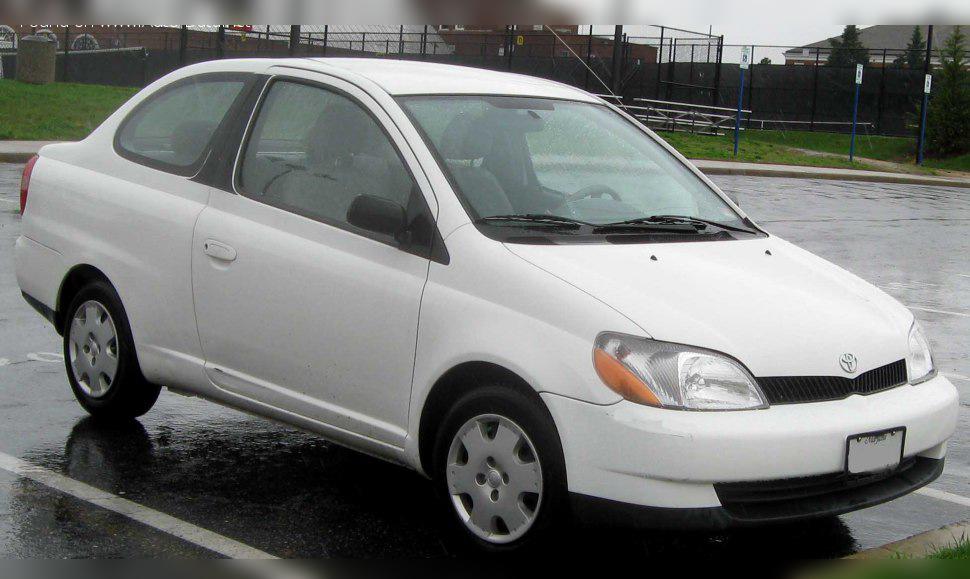
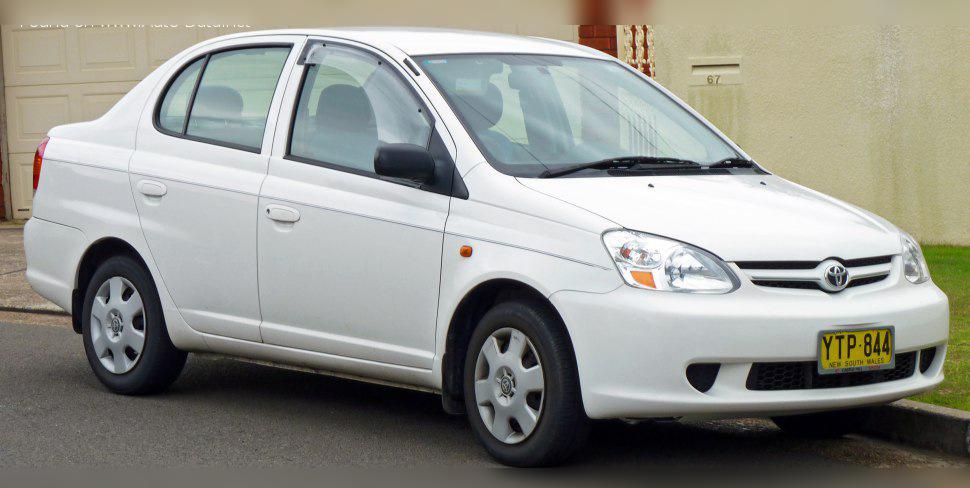
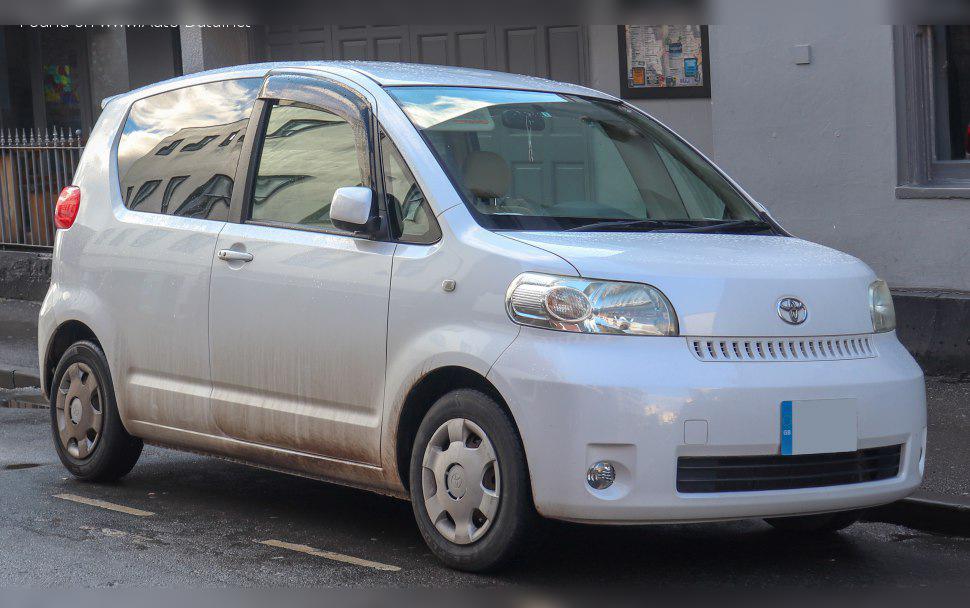
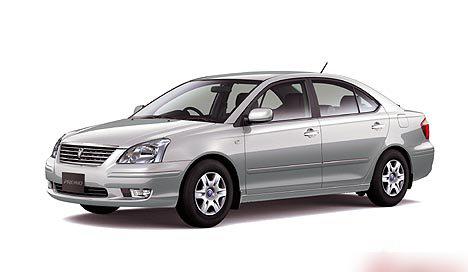
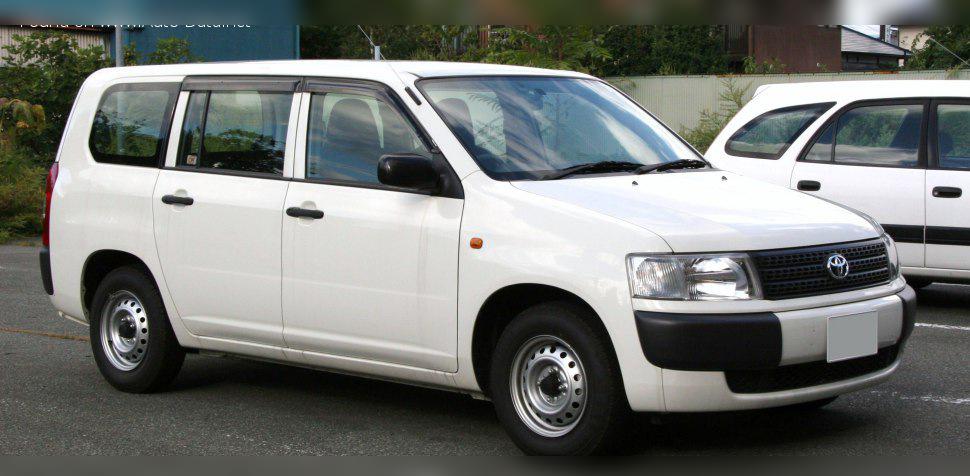
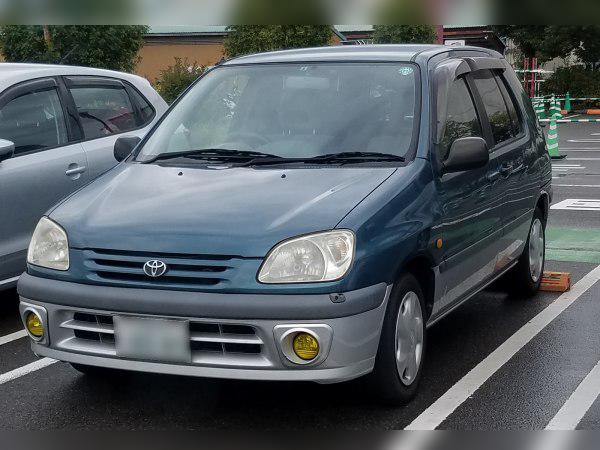
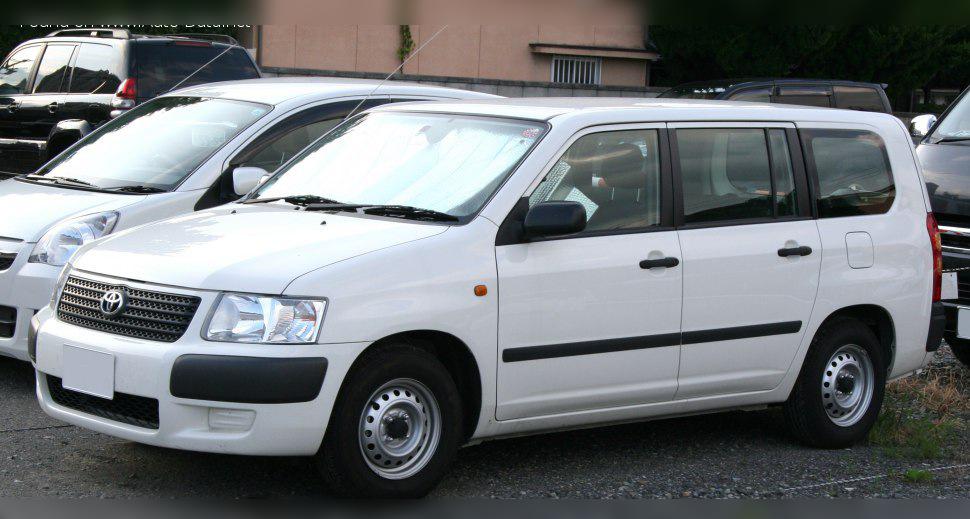
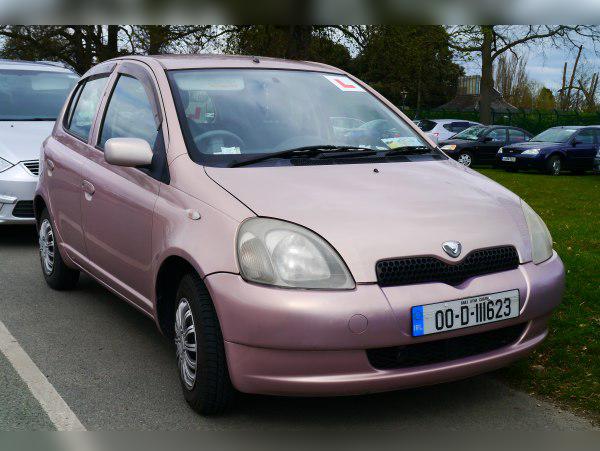
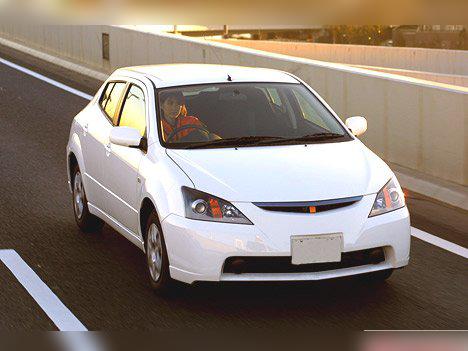
When Japanese reliability and engineering simplicity are mentioned, the 1NZ-FE engine is one of the first that comes to mind for any experienced mechanic. This 1.5-liter petrol engine with 80 kW (109 HP) and 141 Nm of torque is a true workhorse of Toyota’s lineup. It has been in production for decades with occasional revisions, and it has been installed in an incredibly wide range of vehicles – from small city cars like the Vitz and Echo, through practical wagons and sedans such as the Corolla Fielder, Axio and Allion, all the way to workhorses like the Toyota Probox and Succeed.
Although it doesn’t look impressive on paper, the 1NZ-FE was designed with a single goal: to cover hundreds of thousands of kilometers without opening the hood beyond regular servicing. Its architecture is based on a lightweight aluminum alloy (both block and head), VVT-i variable valve timing technology and simple naturally aspirated induction. If you’re looking for an engine that will endure harsh operating conditions without complaint, this is one of the best candidates on the used market.
Technical specifications
| Specification | Data |
|---|---|
| Engine code | 1NZ-FE |
| Displacement | 1497 cc |
| Power | 80 kW (109 HP) |
| Torque | 141 Nm |
| Injection type | Multipoint (EFI - port injection) |
| Induction | Naturally aspirated |
| Camshaft drive | Timing chain |
Reliability and maintenance
Timing system: belt or chain?
This engine uses a timing chain, which is one of its biggest advantages. The chain is designed to last as long as the engine itself, and in practice it rarely shows signs of stretching before 250,000 to 300,000 km. A rattling noise from the chain on cold start is usually the first sign that the hydraulic tensioner or guides are worn out and that it’s time for replacement.
Most common failures and symptoms
Although extremely durable, the 1NZ-FE is not completely immune to aging. The best-known weakness, especially on versions produced before 2005, is a design flaw with the piston rings. Due to narrow oil return channels in the piston, the rings can get stuck from carbon buildup, which results in drastic oil consumption. Symptoms include bluish smoke from the exhaust under load. On newer versions and facelift models (such as the 2017 Corolla Fielder), this problem has been completely resolved.
Another common but easier-to-fix issue is the VVT-i pulley (variable valve timing). Over time it can start producing a characteristic “clacking” sound on cold start. Also, deterioration of the valve cover gasket and leakage at the crankshaft seal are to be expected due to age. The water pump usually fails around 100,000 to 150,000 km – this manifests as a specific bearing whine and traces of coolant around the block.
Service intervals and oil
Since the engine has a chain, a major service in the classic sense (where everything is replaced at a predetermined mileage) is not performed. Only the auxiliary belt that drives the accessories (alternator, A/C compressor, water pump) is replaced, usually when cracking or stretching is noticed (around 80,000 - 100,000 km). Inspection of the chain is recommended after 200,000 km.
As for engine oil, the system holds about 3.7 liters. The factory recommends 5W-30, and on newer efficiency-oriented versions 0W-20 is often used. Regular oil changes are crucial – recommended every 10,000 to 15,000 km. Oil consumption on a healthy engine (especially those after 2005) must be minimal and should not exceed 0.2 - 0.3 liters per 1000 km. If the engine consumes more than half a liter per 1000 km, it’s time to open it up and replace the rings (refresh the engine).
Being a petrol engine, it requires periodic replacement of spark plugs. If standard copper/nickel plugs are used, the replacement interval is around 30,000 to 40,000 km. However, many versions come from the factory with iridium plugs that last from 90,000 up to even 100,000 km. Fuel contamination can shorten this lifespan, and symptoms of bad plugs include hesitation under acceleration and rough idle.
Specific parts and costs
Dual-mass flywheel and injection system
Another great piece of news for used car buyers: the 1NZ-FE does not have a dual-mass flywheel. It uses a simple solid flywheel, which drastically reduces maintenance costs if you’re buying a version with a manual gearbox.
The injection system is electronic, through the intake manifold (Multipoint/EFI). It is not a complicated high-pressure direct injection system, so injectors are absolutely not problematic. They rarely clog, and if they do, a routine ultrasonic cleaning is usually enough – an intervention that is not expensive (depends on the market).
Turbo, DPF, EGR and AdBlue systems
This is a classic naturally aspirated petrol engine, which means it does not have a turbocharger. Therefore, you don’t have to worry about turbo overhauls, intercoolers or pressurized hoses. Also, since it’s a petrol engine, there is no DPF filter or AdBlue system.
When it comes to exhaust gas control, certain (mainly JDM and Californian) versions may have an EGR valve (although most rely only on VVT-i for internal recirculation) and a mandatory PCV valve (for crankcase ventilation). The PCV valve tends to clog due to irregular oil changes, which creates overpressure in the engine and pushes oil out through the seals. Replacing this valve is extremely cheap and should be done preventively every 50,000 km.
Fuel consumption and performance
City driving and cruising
The 1NZ-FE is an extremely economical engine considering its displacement. Real-world consumption in city traffic is around 7.5 to 9.0 l/100km, depending on the vehicle’s weight and the type of transmission. On the open road, consumption drops to a very decent 5.5 to 6.5 l/100km.
Is this engine “lazy”?
The character of the engine largely depends on which car it is installed in. In light vehicles such as the Vitz (Yaris) or Echo, this unit offers quite lively performance (109 HP in a car weighing around 1 ton). Throttle response is excellent and it is ideal for darting through city traffic.
However, when installed in larger and heavier sedans like the Toyota Allion, Premio or wagons like the Corolla Fielder under full load, the engine can feel “lazy”. For safe overtaking you’ll need to drop one or two gears and rev it high, which automatically increases cabin noise.
On the highway, due to gear ratios that are mostly tuned for city economy, this engine cruises at 130 km/h at a fairly high 3,200 to 3,700 rpm (depending on the specific gearbox). Because of this, cabin insulation becomes a key factor, and the engine can be noticeably noisy on longer trips.
Additional options and modifications
LPG conversion
This engine generally handles LPG conversion well. Multipoint injection allows for easy and relatively inexpensive installation of a sequential system. However, there is one important note regarding LPG: in its earlier iterations, the 1NZ-FE does not have hydraulic lifters, but mechanical bucket tappets. LPG burns at a higher temperature, which accelerates valve seat wear. If you run on LPG, it is absolutely necessary to check and, if needed, adjust valve clearances every 50,000 to 60,000 km, which can be a somewhat more demanding (and more expensive) mechanical job. Newer generations (often labeled 1NZ-FE with an updated head) handle high temperatures better, but inspection is still mandatory.
Chiptuning (Stage 1)
The short and clear answer: it’s pointless. As with any small naturally aspirated petrol engine, Stage 1 remapping will not bring any noticeable gains. The maximum you can get is 3 to 5 HP and maybe a slightly better throttle response, which is absolutely not worth the cost. This engine was not designed for racing and chasing performance, but for reliability.
Transmission and drivetrain
Types of gearboxes and failures
Depending on the market, model year and vehicle, this engine came paired with three basic types of transmissions:
- 5-speed manual gearbox: Extremely robust. Failures are very rare, and bearing problems occur only if it runs out of oil. Since there is no dual-mass flywheel, the cost of replacing the clutch kit (pressure plate, disc, release bearing) is not high (depends on the market).
- 4-speed automatic gearbox (ECT - U340E series): Old-school, good and almost indestructible classic automatic with a torque converter. With only 4 gears it is not the most economical on the highway, but the mechanics are bulletproof if the oil is changed regularly. Jerks when engaging gear are a sign of a dirty valve body.
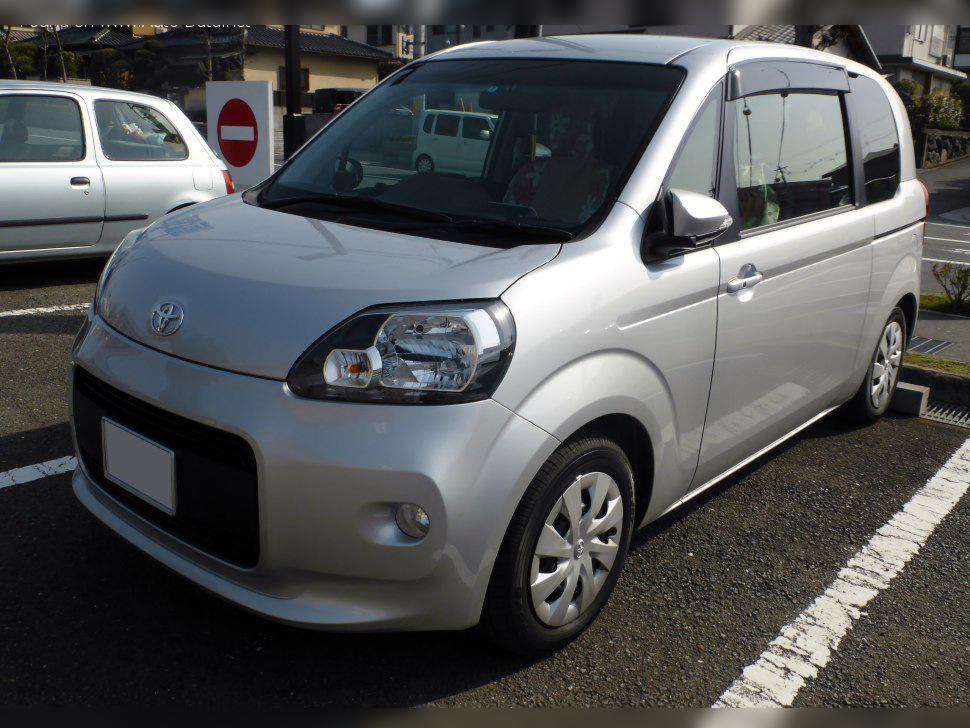
- CVT (Continuously Variable Transmission): Found in newer models and facelift versions (e.g. Porte II, Corolla Fielder). The main drawback of the CVT is its sensitivity to poor maintenance. If the oil is not changed on time, the metal belt stretches and the cones get damaged. Symptoms include whining while driving and jerks when taking off. CVT repairs are very expensive.
Transmission maintenance
For manual gearboxes, it is recommended to change the oil every 80,000 to 100,000 km. For the 4-speed automatic, the oil and pan filter should be changed every 60,000 km. With CVT transmissions, the rules are the strictest: changing the special CVT fluid is mandatory every 40,000 to 60,000 km at most, to ensure long service life.
Buying used and conclusion
What to check before buying?
If you are considering buying a vehicle with the 1NZ-FE engine, be sure to check the following:
- Rattling on startup: A cold start is crucial. Open the hood and listen to the timing mechanism on the passenger side of the engine. If you hear metallic scraping or “hammering” for a second or two after starting, be aware that you will soon have to pay for a chain or VVT-i pulley replacement.
- Exhaust smoke color: Ask the seller to rev the engine hard while you watch the exhaust. Bluish smoke clearly indicates problematic rings (often on cars older than 20 years), while black smoke may signal issues with the lambda sensor or MAP sensor.
- Oil traces under the hood: Inspect the joint between the head and block, the timing chain cover and the crankshaft seal. Oil leaks are usually a sign of a neglected PCV system.
Who is this engine for?
The Toyota 1NZ-FE 1.5 petrol engine is an ideal choice for drivers who want a car that will take them from point A to point B without drama. It is a workhorse used both in taxi fleets and family cars due to its simple and inexpensive maintenance. Do not expect sports performance, brutal acceleration or absolute silence at high speeds. In return, you will get mechanicals that, with a minimum of basic maintenance, are very unlikely to ever leave you stranded.