Toyota 1NZ-FE 1.5 (110 HP) – Experiences, problems, fuel consumption and used-car buying tips
Key points in short (TL;DR)
- Extremely reliable and durable Japanese naturally aspirated petrol engine, ideal for city driving.
- The engine uses a timing chain that rarely causes issues before 250,000 km.
- No expensive components such as a dual-mass flywheel, turbocharger or complex injectors.
- Early models (mostly up to 2005) can have an oil consumption problem due to piston ring design.
- Handles LPG (autogas) conversion very well, but requires manual valve clearance adjustment.
- On the highway at 130 km/h it runs at high revs, which results in increased cabin noise.
- Maintenance costs are in the category – not expensive (Depends on the market).
Contents
- Introduction: About the 1NZ-FE engine
- Technical specifications
- Reliability and maintenance
- Specific parts and costs
- Fuel consumption and performance
- Additional options and modifications (LPG and remapping)
- Gearbox and drivetrain
- Buying used and conclusion
Introduction: About the 1NZ-FE engine
Toyota’s 1NZ-FE is a 1.5‑liter naturally aspirated petrol engine that is a true definition of Japanese durability. Developed in the late nineties, this unit became the backbone of Toyota’s compact and family car lineup worldwide. It features the VVT-i (Variable Valve Timing with intelligence) variable valve timing system, which optimizes performance and fuel consumption.
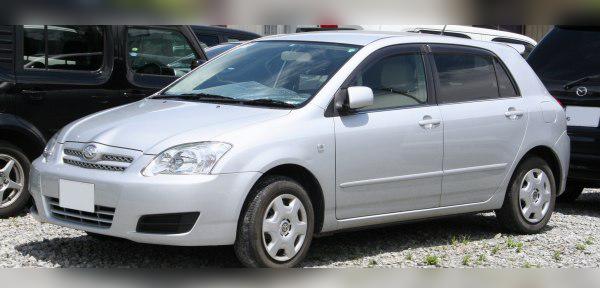
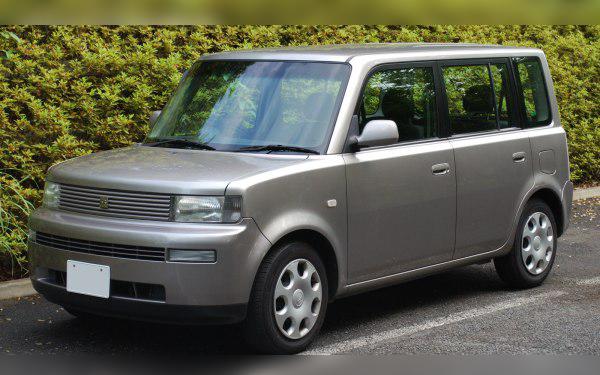
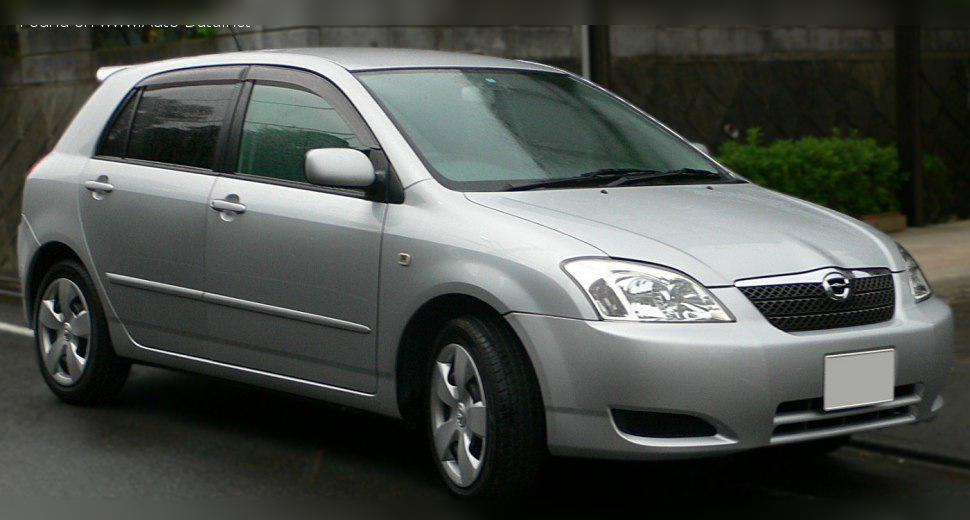
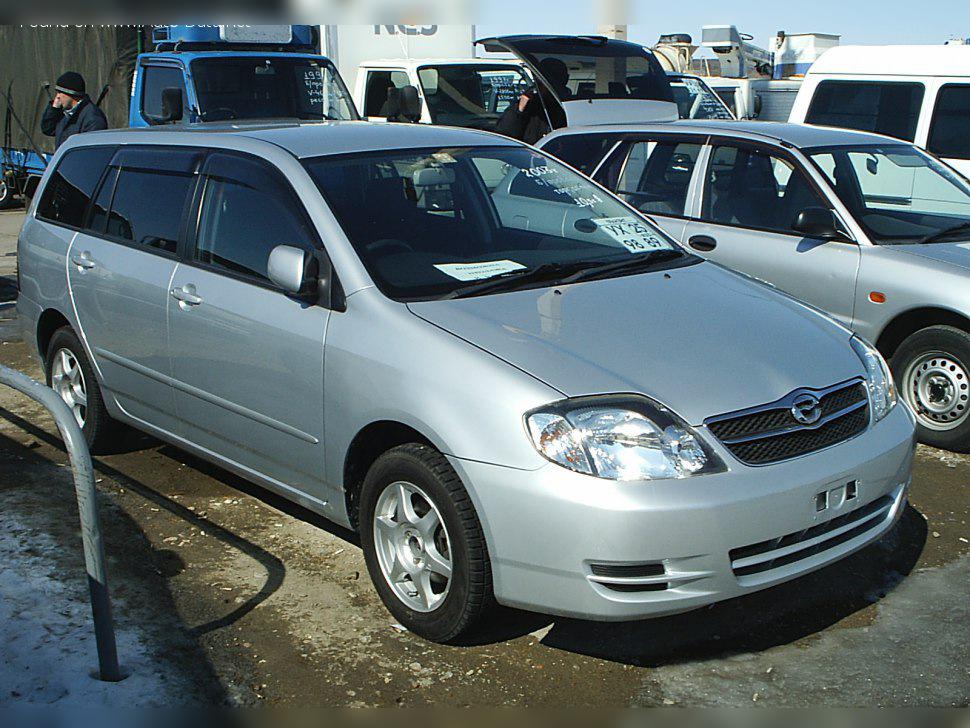
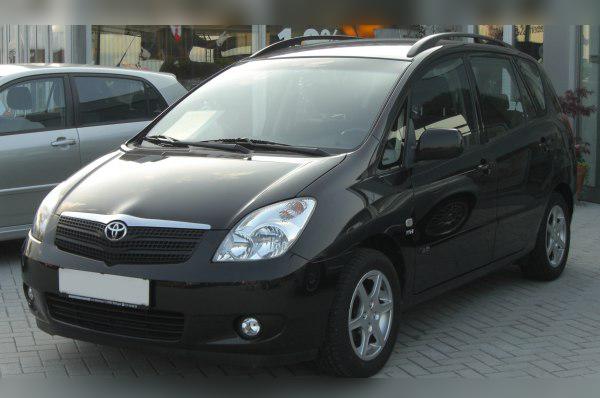
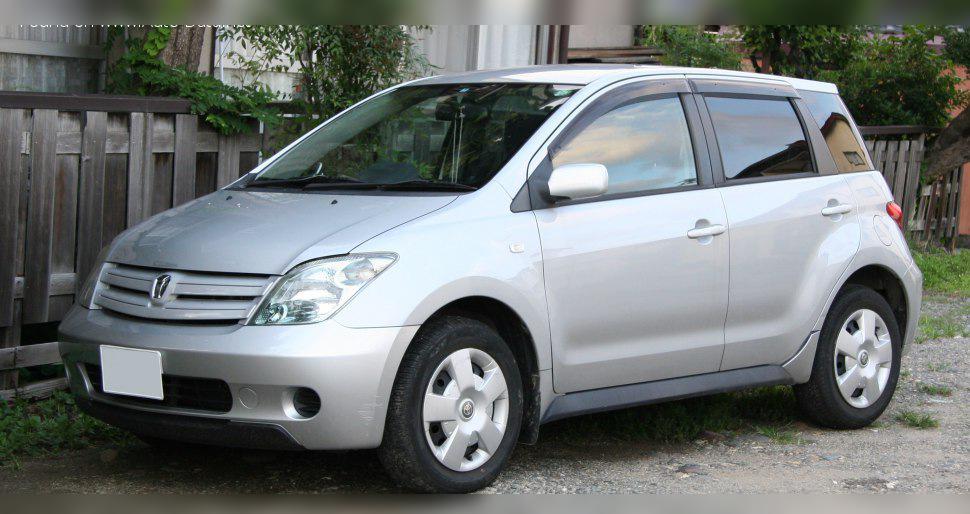
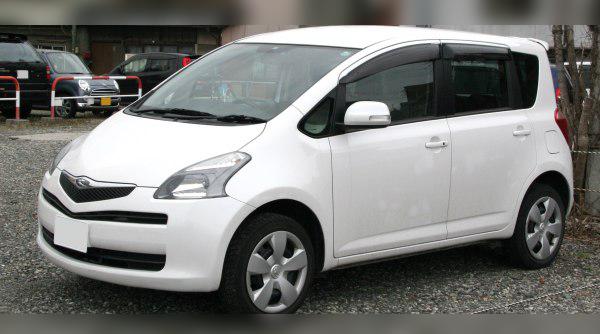
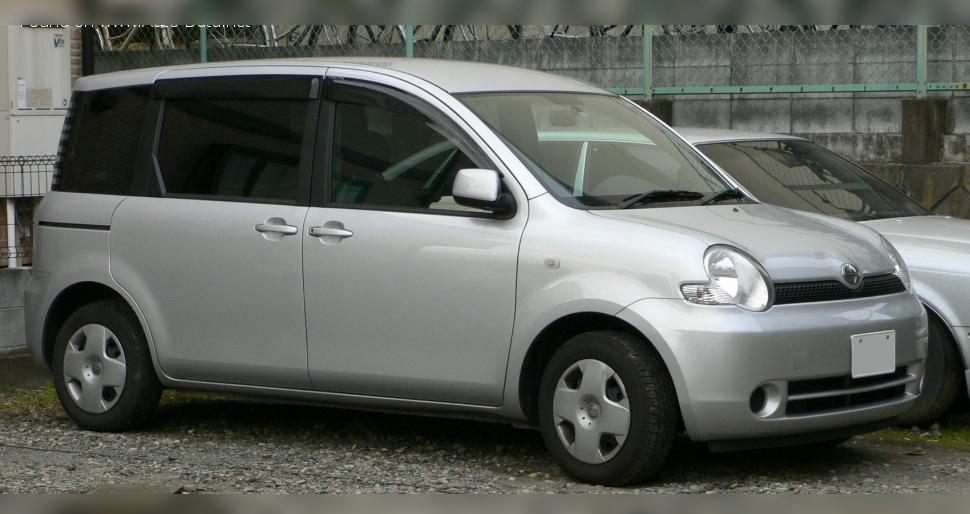
This 110 HP (81 kW) engine powered a wide range of models, including the Toyota Allex, bB, Corolla (Runx, Fielder, Verso), Ist, Ractis and Sienta. Its primary purpose was never sporty driving, but longevity, efficiency and a minimal number of visits to the mechanic. Thanks to its robustness, it is highly valued on the used-car market today.
Technical specifications
| Specification | Data |
|---|---|
| Engine code | 1NZ-FE |
| Engine displacement | 1496 cc |
| Power | 81 kW (110 HP) |
| Torque | 143 Nm |
| Injection type | MPI (Multi-Point Injection) |
| Induction | Naturally aspirated |
| Camshaft drive | Timing chain |
Reliability and maintenance
Timing drive and major service
Unlike many competitors from that era, the 1NZ-FE uses a timing chain instead of a timing belt. This means that the classic “major service” in the sense of preventive replacement of the belt, rollers and tensioners at a specific mileage does not exist. The chain is designed to last as long as the engine itself. However, in practice, at higher mileage (over 250,000 km) the chain can stretch slightly. The symptom is rattling during a cold start or the “Check Engine” light coming on due to mismatch between the crankshaft and camshaft sensors. At that point, the timing chain set needs to be replaced.
Most common failures
Although the engine is extremely reliable, it is not completely immune to aging. The best-known issue with this engine is oil consumption due to stuck piston rings. This most commonly occurs on models produced up to 2005. Toyota later revised the design of the pistons and rings, which drastically reduced the problem. Drivers notice it by bluish smoke from the exhaust when accelerating and frequent topping up of engine oil.
Another common but inexpensive failure is coolant leakage from the water pump. The symptom is the appearance of pink or red coolant traces around the pump itself on the passenger side of the engine. Also, the VVT-i pulley can become noisy over time (rattles for a few seconds after starting the engine), which is usually a sign of a dirty VVT-i valve filter or wear of the pulley itself.
Oil and service intervals
This engine takes about 3.7 liters of oil (with filter). The manufacturer recommends 5W‑30 grades, and in colder climates 0W‑20, fully synthetic. Oil consumption between services of up to 0.5 liters per 10,000 km is considered completely normal for older examples. If the engine consumes more than 1 liter per 1000 km, it is a clear sign that the piston rings are due for replacement. An oil service is recommended every 10,000 to 15,000 km.
Spark plugs
Since this is a conventional petrol engine, regular spark plug replacement is essential for smooth running and optimal fuel consumption. Standard nickel spark plugs are replaced at around 40,000 km, while iridium plugs (more commonly fitted and recommended) are replaced at intervals of 90,000 to 100,000 km. Worn spark plugs cause jerking during acceleration and reduced performance.
Specific parts and costs
What makes this engine a favorite among many drivers is precisely the absence of expensive components that are the Achilles’ heel of modern cars.
Flywheel and clutch: This engine does not have a dual-mass flywheel. It uses a simple solid flywheel, so replacing the clutch kit is mechanically straightforward and cost-wise falls into the category – not expensive (Depends on the market).
Fuel injection system: It uses an MPI (Multi-Point Injection) system, with injection into the intake manifold. The petrol injectors are extremely robust, almost never fail and can easily be cleaned in an ultrasonic bath if they get clogged due to poor fuel quality. There are no expensive high-pressure pumps.
Turbocharger and emissions: The 1NZ-FE is a naturally aspirated engine, which means it does not have a turbocharger. Consequently, all issues related to turbos, intercoolers and hoses are eliminated. As this is a petrol engine, it does not have a DPF filter or AdBlue system. Instead of a classic EGR valve that often causes problems, it uses a PCV (Positive Crankcase Ventilation) valve that returns oil vapors into the intake. The PCV valve can clog over time, which increases crankcase pressure and makes the engine “drink” oil, but replacing this small plastic valve is extremely cheap.
Fuel consumption and performance
With its 110 HP and 143 Nm, the 1NZ-FE offers decent performance, but its character largely depends on the body it is installed in.
In city driving: The engine is lively at lower revs thanks to the VVT-i system. In lighter models such as the Toyota Ist or bB, acceleration is quite brisk. In heavier models such as the Corolla Verso, the lack of torque is noticeable, so it needs to be kept at higher revs. Realistic city fuel consumption is around 8.0 to 9.5 l/100 km, depending on driving style and traffic.
On the highway: This is not an engine for long distances at high speeds. Due to short gear ratios in the gearbox (to compensate for the lack of power), at a cruising speed of 130 km/h the engine runs at a relatively high 3,500 to 4,000 rpm. At that point it becomes noisy, and fuel consumption easily exceeds 7.5 l/100 km.
Additional options and modifications (LPG and remapping)
LPG (autogas) conversion
The 1NZ-FE is very suitable for the installation of a sequential LPG system, but there is one key note. This engine does not have hydraulic lifters, but uses mechanical bucket tappets. Since LPG combustion generates higher temperatures in the combustion chamber, the exhaust valves gradually “sink” into their seats. Therefore, checking valve clearances every 60,000 to 80,000 km is mandatory. If this is neglected, the valves can burn, which leads to an expensive cylinder head overhaul. With a quality LPG system and regular maintenance, running on gas is flawless.
Remapping (Stage 1)
Trying to remap a small-displacement naturally aspirated petrol engine is basically a waste of money. By remapping (Stage 1) a 1NZ-FE you will gain, at best, 5 to 8 HP, which is absolutely imperceptible in real driving. Advice: Spend the money intended for remapping on a quality engine service and good tires instead.
Gearbox and drivetrain
This engine is most commonly paired with a reliable 5‑speed manual gearbox and a 4‑speed conventional automatic (Super ECT), and on some markets (Japanese domestic market) also with CVT gearboxes in newer model years.
Gearbox failures and maintenance
Manual gearbox (5‑speed): Very durable. At very high mileage, or with drivers who shift roughly, the second‑gear synchronizer can fail, so the gearbox “grinds” when shifting from first to second. The oil in the manual gearbox should be changed every 60,000 km, which is an inexpensive job.
Automatic gearbox (4‑speed ECT): Outdated, but virtually indestructible. Its responses are slow compared to modern automatics, but it does not cause headaches. The automatic transmission fluid must be changed every 60,000 to 80,000 km (with filter replacement in the transmission pan). If this is followed, the gearbox will outlive the car. Jerking when engaging “D” or “R” is a sign that the oil has not been changed for a long time or that the level is low.
As already mentioned, there is no dual-mass flywheel on manual versions, so replacing a worn clutch (disc, pressure plate, release bearing) is financially painless and falls into the category – not expensive (Depends on the market).
Buying used and conclusion
What to check before buying?
- Cold start: Ask the seller not to start the car before you arrive. When starting, listen carefully to the right side of the engine. If you hear metallic rattling (like a bicycle chain) in the first few seconds, this indicates a loose timing chain or a problem with the VVT-i pulley.
- Exhaust check: When the engine warms up, have someone rev it hard (up to 4000–5000 rpm). If a blue cloud of smoke comes out of the exhaust, the engine is burning oil and needs a partial overhaul (replacement of piston rings and valve stem seals).
- Visual inspection: Look for pink crystallized coolant traces around the water pump. Check the condition of the valve cover – if there is heavy oil leakage, the gasket needs to be replaced.
- Diagnostics: Read the fault codes. P0171 (System too lean) most often indicates a dirty MAF sensor or a problem with vacuum hoses, which is easily resolved.
Who is this engine for?
The Toyota 1NZ-FE is intended for drivers who want transport from point A to point B with absolutely minimal stress. This is not an engine that will put a smile on your face with its acceleration on open roads, but it will save you thousands of euros in maintenance. The absence of a turbo, DPF, dual-mass flywheel and sensitive injectors makes it a perfect choice for a used car older than 10 or 15 years. If you find a regularly serviced example (especially one newer than 2005, where the oil consumption issue was resolved), you will get an incredibly reliable partner, perfect for everyday city and suburban duties.