Toyota 1UR-FE 4.6 V8 Engine: Experiences, Problems, Fuel Consumption and Used-Buying Tips
Key points (TL;DR)
- Exceptional reliability: This is a classic naturally aspirated Japanese V8, known for easily exceeding 500,000 km with regular maintenance.
- Timing chain drive: The engine uses a timing chain that rarely causes issues, avoiding expensive “major services” in the traditional sense.
- No expensive eco-equipment: Forget about DPF filters, dual-mass flywheels and AdBlue systems – this is a “pure” petrol engine.
- High fuel consumption: Since it powers heavyweights like the Tundra and Sequoia, city consumption often exceeds 18 l/100 km.
- Loves LPG: Thanks to indirect (MPI) injection, the 1UR-FE is a fantastic candidate for a sequential LPG system.
- Specific weaknesses: The best-known issues are oil leaks at the cam towers and problems with the secondary air injection pump.
Contents
- Introduction and basic information
- Technical specifications
- Reliability, maintenance and failures
- Specific parts and costs
- Real-world fuel consumption and performance
- Tuning and LPG conversion
- Transmission and drivetrain
- Buying used and conclusion
Introduction and basic information
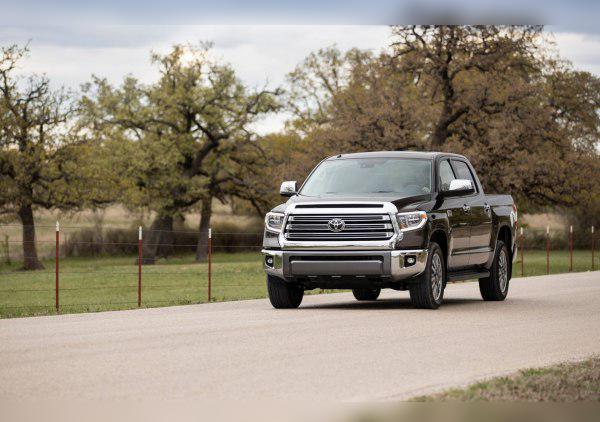
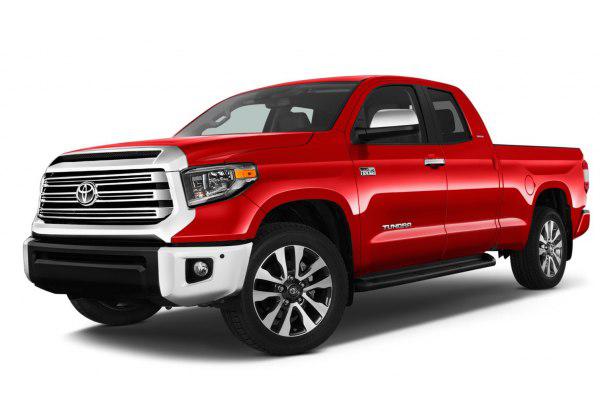
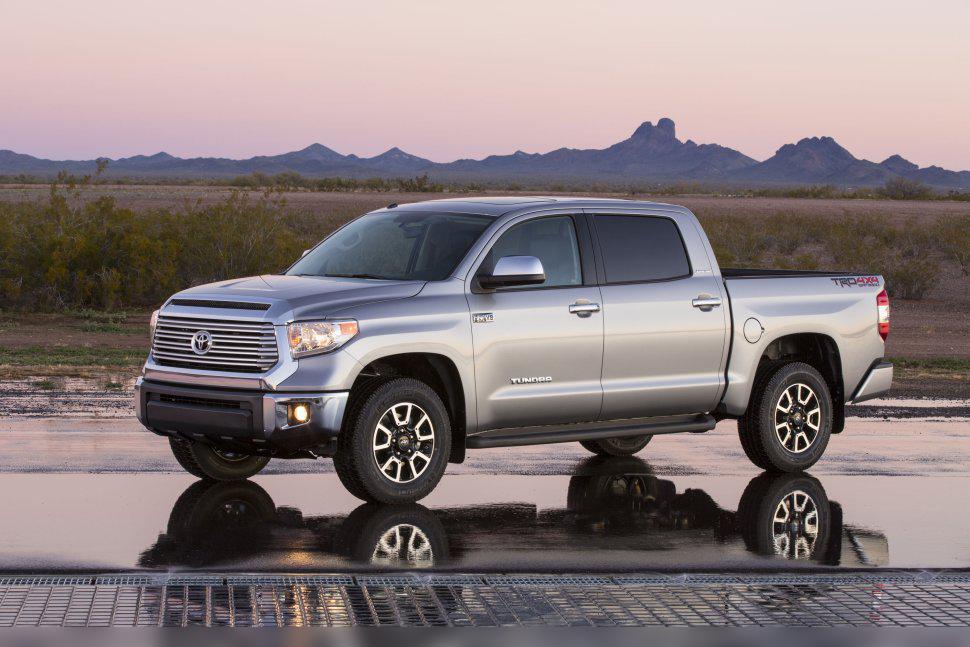
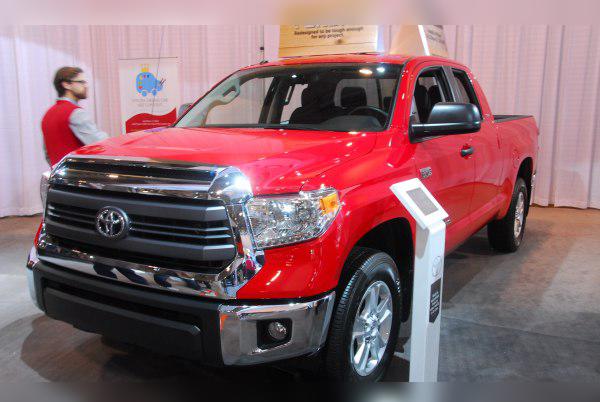
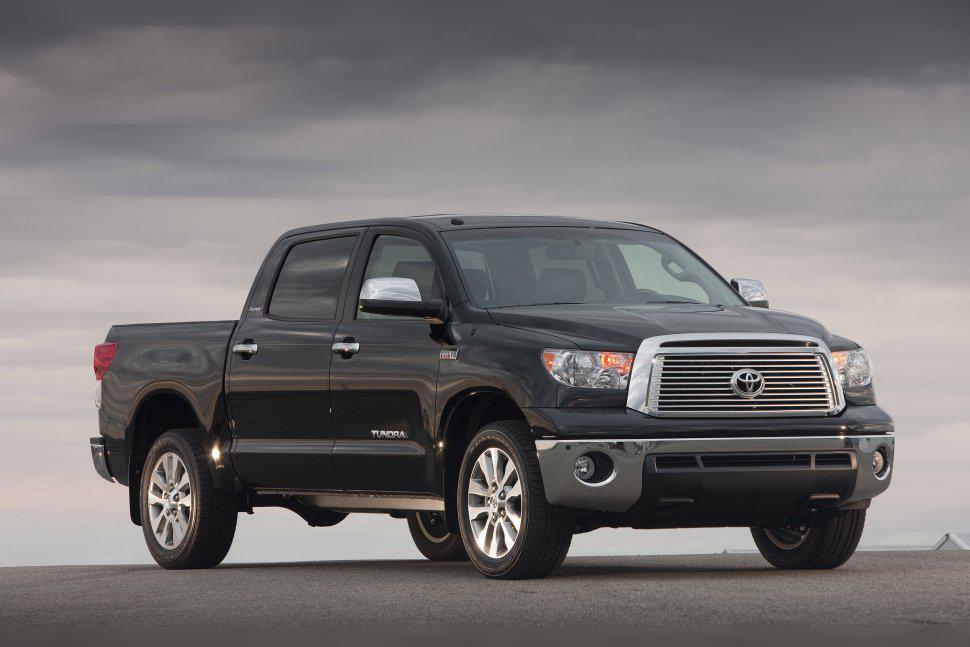
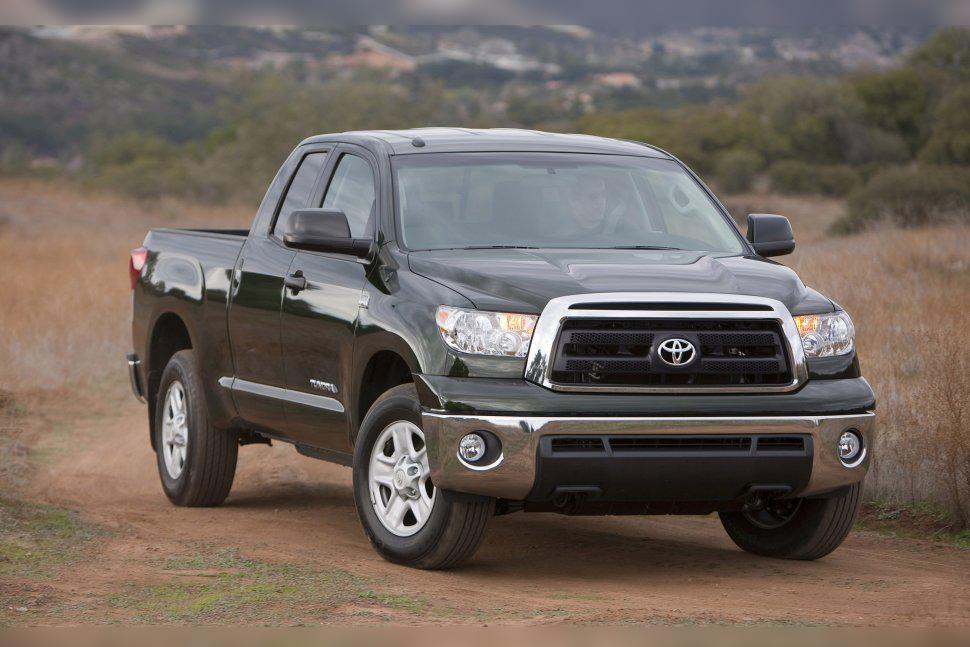
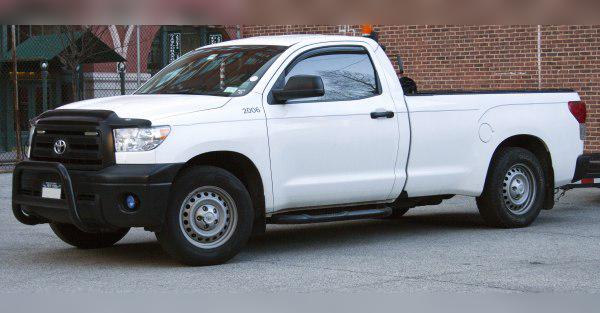
When people talk about indestructible V8 engines, Toyota is one of the first names that comes to mind for experienced mechanics. The 1UR-FE is a 4.6‑liter naturally aspirated V8 that came as the successor to the legendary 2UZ-FE (4.7L) series. It was primarily installed in heavy-duty vehicles – the Toyota Tundra pickup and the huge Toyota Sequoia SUV.
It was designed to haul heavy loads, withstand extreme temperature variations and run flawlessly for decades. Unlike its “fancy” Lexus sibling (the 1UR-FSE with more complex direct injection), the 1UR-FE uses classic electronic multiport fuel injection (EFI), which makes it more robust and far more tolerant of lower-quality fuel. This engine is the right choice for drivers who value durability above all else and are willing to pay the price at the fuel pump.
Technical specifications
| Specification | Value |
|---|---|
| Engine code | 1UR-FE |
| Displacement | 4608 cc (4.6L) |
| Power output | 228 kW (310 hp) at 5600 rpm |
| Torque | 460 Nm at 3400 rpm |
| Configuration | V8, 32 valves (DOHC), Dual VVT-i |
| Injection type | Indirect (EFI / Multiport) |
| Aspiration | Naturally aspirated |
| Fuel type | Petrol |
Reliability, maintenance and failures
Timing system and servicing
To drive the camshafts, this V8 uses a timing chain (more precisely, a chain system), not a timing belt. The timing system is top quality and, with regular oil changes, easily goes 300,000 to 400,000 km before you even hear the first rattling. For that reason, the classic “major service” (where you replace the timing belt kit) is not done at a fixed interval; instead, only the water pump, serpentine belt and pulleys are replaced as needed, roughly every 150,000 km.
Oil and oil consumption
Given the large displacement, the engine holds an impressive 7.5 to 7.9 liters of engine oil (depending on the exact oil pan design on the model and whether you have an oil cooler). Toyota recommends 0W-20 for colder climates, although 5W-20 or even 5W-30 is often used if the vehicle is used exclusively for towing in warmer regions. Oil consumption between services (every 10,000 to 15,000 km) is minimal. A loss of 0.5 to 1 liter per 10,000 km is considered completely normal, while drastic oil consumption usually indicates severe neglect by a previous owner.
Most common issues
Although it’s a “rock”, the 1UR-FE has a few specific weak points you should watch out for:
- Oil leaks at cam towers: This is the best-known flaw of the UR engine family. The sealing between the camshaft housing (cam towers) and the cylinder head is done with sealant, not a classic gasket. Over time and with heat cycles, the sealant fails and oil starts running down the engine block. Symptoms are the smell of burning oil in the cabin and oily streaks along the sides of the engine. The repair itself is not overly complex, but it requires many labor hours to remove the peripherals, so it is very expensive (varies by market).
- Water pump: Coolant leaks at the water pump usually appear between 100,000 and 150,000 km. The driver will notice pink/red crystallized antifreeze traces around the pulleys and a drop in coolant level in the reservoir.
- Secondary Air Injection System (SAIS): A system designed to warm up the catalytic converters more quickly. The valves in this system can seize due to moisture, or the pump itself can fail. The symptom is a “Check Engine” light, and the vehicle may enter limp mode (reduced-power emergency mode). Fixing this problem with new parts is quite expensive (varies by market).
Spark plugs
Since this is a pure petrol engine, ignition is handled by 8 iridium spark plugs. Their service life is specified at around 100,000 to 120,000 km. Although they are high quality, replacement means buying 8 pieces, which is a noticeable cost, but at least it’s not frequent.
Specific parts and costs
The great news for potential buyers is what this engine doesn’t have. Being a naturally aspirated petrol V8, it has no turbochargers (and therefore no turbo-related issues or cooling problems). There is no DPF filter to clog up in city driving, nor does it use AdBlue fluid that causes headaches for modern diesel owners.
The engine does have an EGR valve (exhaust gas recirculation system), but since petrol burns much cleaner than diesel, the EGR here very rarely clogs with soot and does not require frequent cleaning.
As for the fuel injection system, the injectors are low-pressure (indirect injection). They are extremely reliable, not very sensitive to minor impurities and easy to clean in an ultrasonic bath, although that is rarely even necessary. Injector replacement is truly rare.
Real-world fuel consumption and performance
Vehicles like the Tundra or Sequoia easily exceed 2.5 tons in weight, and their aerodynamics are similar to a shipping container. Is 310 hp “lazy” for such mass? Absolutely not. With 460 Nm of torque (available fairly early), the engine pulls the vehicle effortlessly, without strain. The V8 sound under acceleration is fantastic.
However, you can’t cheat physics, and that brings us to fuel consumption:
- City driving: Expect a realistic consumption between 16 and 20 l/100 km. In extreme traffic jams, figures can go well above 20 liters.
- Highway: At 130 km/h, thanks to the good gearing of the six-speed automatic, the engine cruises completely relaxed at a comfortable 2000 to 2200 rpm (depending on the final drive ratio for the specific model). Highway consumption is a more tolerable 11 to 14 l/100 km.
Tuning and LPG conversion
LPG installation
The indirect injection system makes the 1UR-FE engine ideal for a sequential LPG system. There are no complicated and extremely expensive setups like on direct-injection engines, where LPG is dosed together with petrol. In practice, the power loss is barely noticeable, and the halved running costs quickly pay off the conversion. The engine has hydraulic lifters, so there is no need for manual valve clearance adjustment – it is regulated automatically by oil pressure. However, because there are 8 cylinders, you need to install a high-quality system with fast injectors and a stronger vaporizer (or two).
Chiptuning (Stage 1)
When it comes to “chipping”, the situation is underwhelming. Since the engine is naturally aspirated (there is no turbocharger whose boost can be increased via software), by modifying ignition and fuel maps you can gain only about 15 to 20 hp and roughly 20 Nm of additional torque. The subjective feel while driving doesn’t change much, and you can overload the transmission. Most specialists do not recommend a Stage 1 remap on this type of engine as a worthwhile investment.
Transmission and drivetrain
This engine was never offered with a manual transmission. It is always paired with a proven Japanese six-speed automatic (code A760E for 2WD and A760F for 4WD models with ECT-i).
Because it uses an automatic transmission, this drivetrain does not have a dual-mass flywheel or a conventional clutch like manuals do. The connection between the engine and gearbox is via a torque converter. Therefore, you don’t have to worry about the cost of a clutch and dual-mass flywheel kit.
As for transmission failures, they are extremely rare, but possible if the vehicle has been brutally abused towing heavy trailers without oil changes. Symptoms are harsh shifts when changing from lower to higher gears or shuddering at around 60 to 80 km/h due to a worn torque converter.
Transmission service: Although Toyota states in some manuals that the ATF fluid is “lifetime” (does not need changing), any experienced mechanic will tell you that this is a marketing trick. To keep the transmission long-lived, you should change the ATF fluid and transmission filter every 60,000 to 80,000 km.
Buying used and conclusion
What to check before buying?
- Cold start: The 1UR-FE must run extremely smoothly. Let the vehicle sit overnight and listen carefully to the engine during the first cold start in the morning. If you hear a sharp rattle (like a metal chain) lasting a second or two, it points to weak chain tensioners – which means an expensive service.
- Check for oil leaks: Use a flashlight to carefully inspect the sides of the engine above the exhaust manifolds. If you see oily patches, it’s likely leaking from the cam towers. Only take the risk if the seller significantly lowers the price.
- Coolant color and oil cap: Check the coolant; it should be clean pink with no mixing with engine oil. The engine oil cap must not have thick, crusty, mayonnaise-like sludge.
- Condition of the frame (chassis): Although not directly related to the engine, Tundra and Sequoia models from this period are known for frames that can rust severely underneath. A great V8 is useless if the frame is about to crack in half. A lift inspection is MANDATORY.
Conclusion: Is this the right engine for you?
The 1UR-FE (4.6 V8) is an engineering masterpiece when it comes to mechanical design and reliability. It was built to work under load in conditions where modern small-displacement, big-turbo engines quickly run out of breath. Buying a Tundra or Sequoia with this engine is an extremely smart move if you need a workhorse, a dependable off-roader or a family vehicle and if your fuel budget is not an obstacle. With a quality LPG system installed, you get a tank that drives with the kind of reliability that made Toyota famous worldwide, with minimal unexpected repair costs.