Toyota 1.6 Valvematic (1ZR-FAE): Experiences, problems, fuel consumption and used car buying tips
- Reliable old-school design: Naturally aspirated petrol engine with a timing chain, no turbo and no expensive emission systems.
- Systemic weak point: Failure of the Valvematic controller is the most expensive potential issue on this engine.
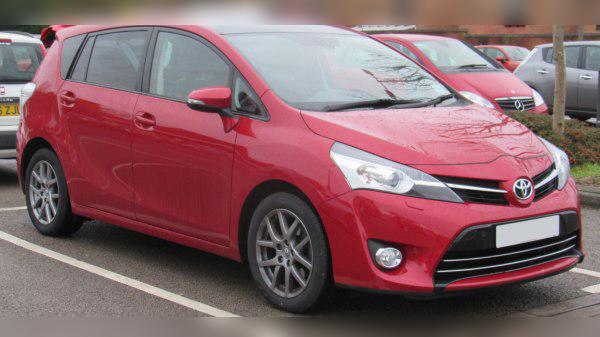
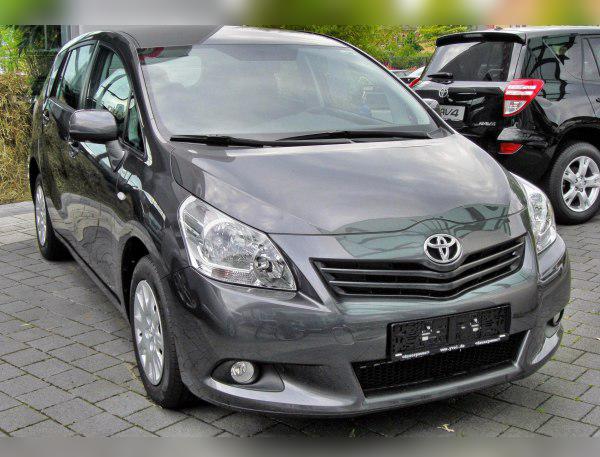
- Sluggish in larger vehicles: Excellent for the Corolla and Auris, but runs out of breath in a heavy Avensis or Verso under load.
- Maintenance: Cheap and simple; a “major service” in the classic sense practically doesn’t exist.
- Transmissions: The manual is virtually indestructible with a solid flywheel, while the Multidrive S (CVT) requires mandatory regular oil changes.
- Fuel consumption: Expect around 8.5 to 10 l/100 km in pure city driving.
Contents
- Introduction: What is the 1ZR-FAE engine?
- Technical specifications
- Reliability and maintenance
- Specific parts and costs
- Fuel consumption and performance
- Extras, LPG and remapping
- Transmissions: Manual and CVT
- Buying used and conclusion
Introduction: What is the 1ZR-FAE engine?
Toyota’s engine designated 1ZR-FAE is a 1.6‑liter naturally aspirated petrol unit that represents an evolution of the proven VVT-i technology. It was introduced in the late 2000s and brought the so‑called Valvematic system. While classic VVT-i only changes valve timing, Valvematic additionally controls the *lift* (stroke) of the intake valves, which eliminates the need for a traditional throttle body in many operating conditions. The result is better throttle response, a flatter torque curve and slightly lower fuel consumption.
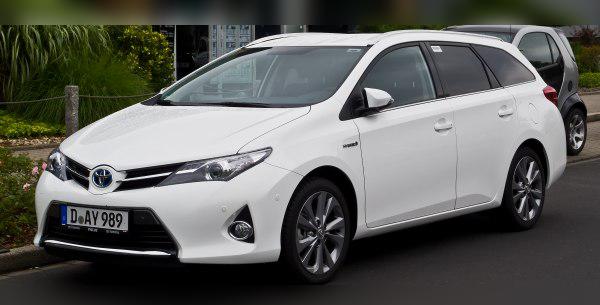
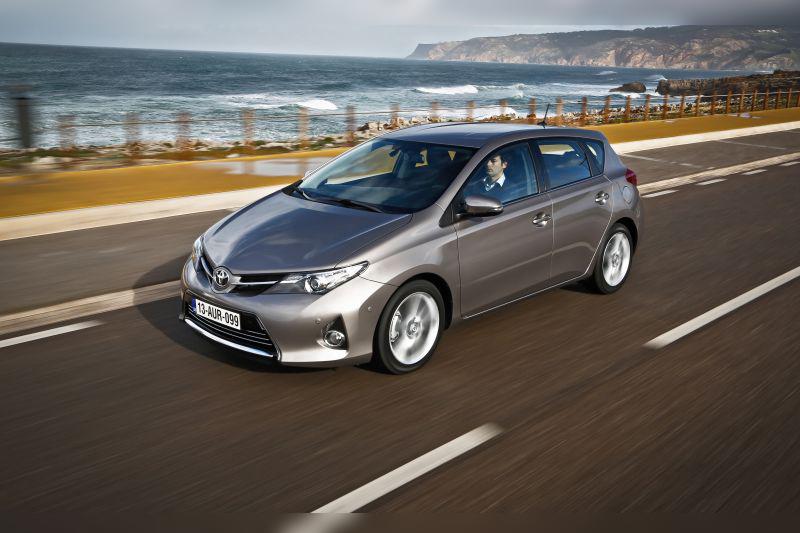
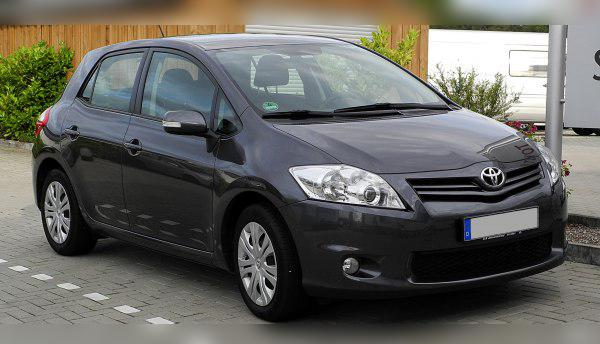
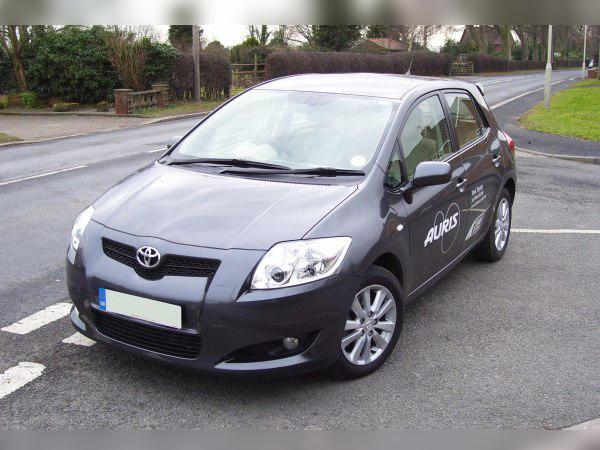
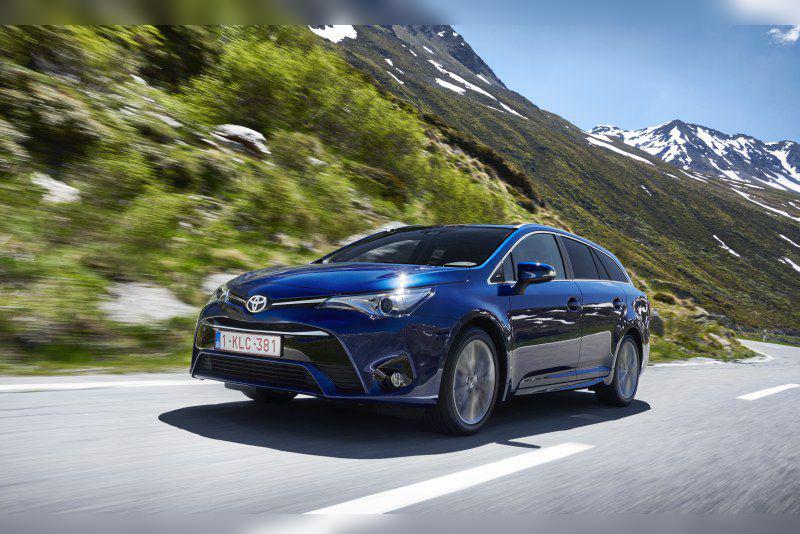
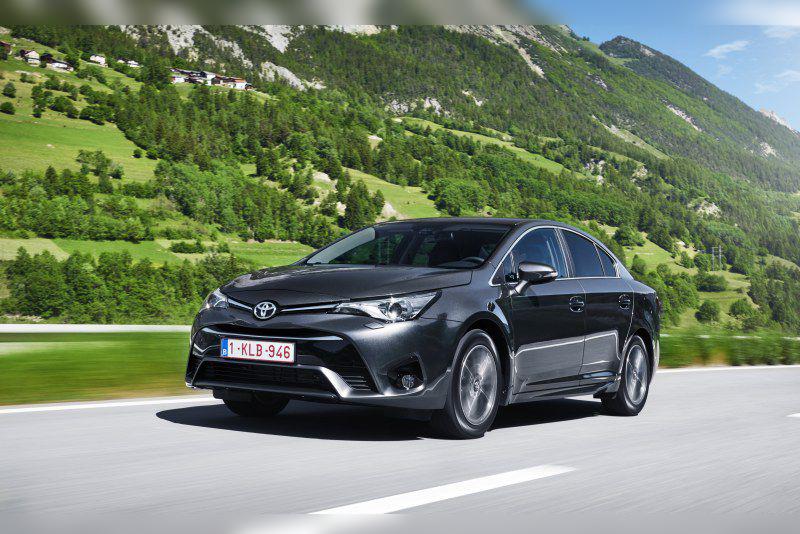
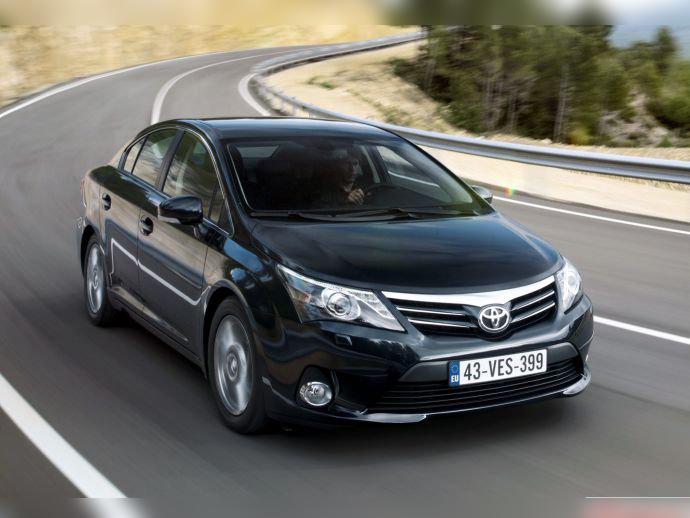
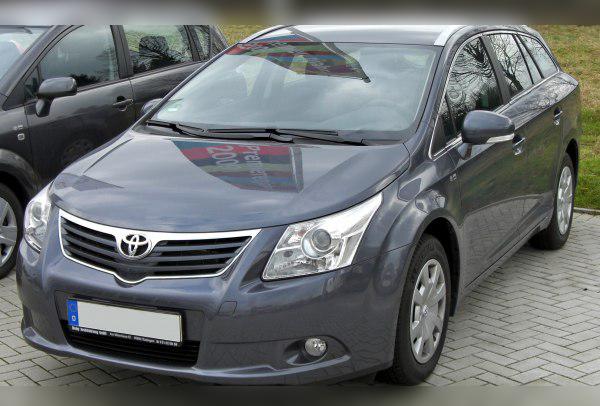
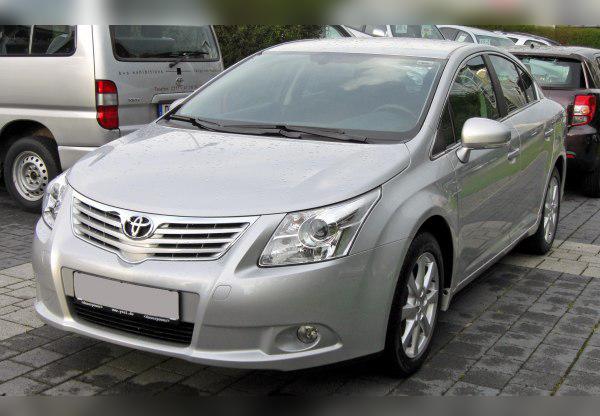
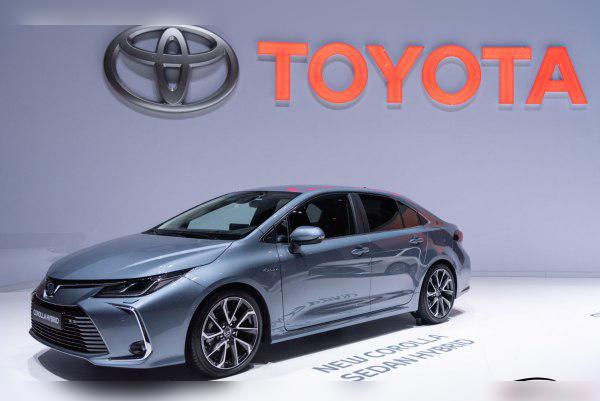
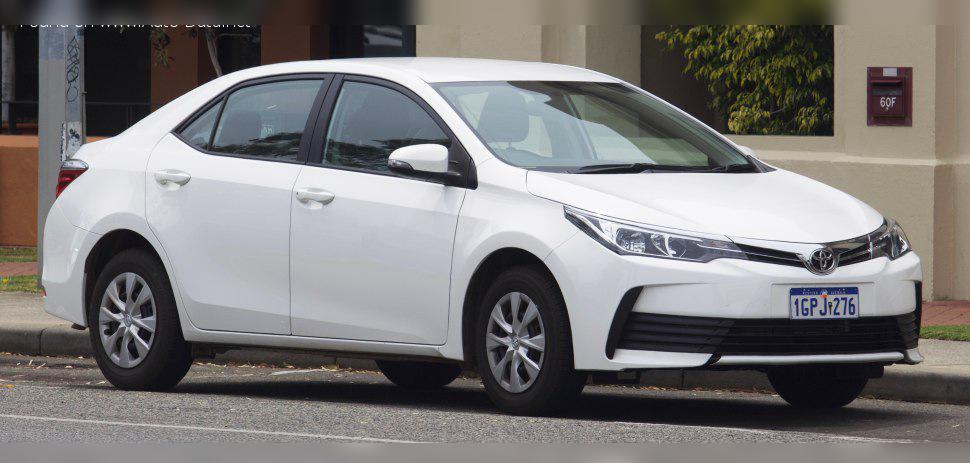
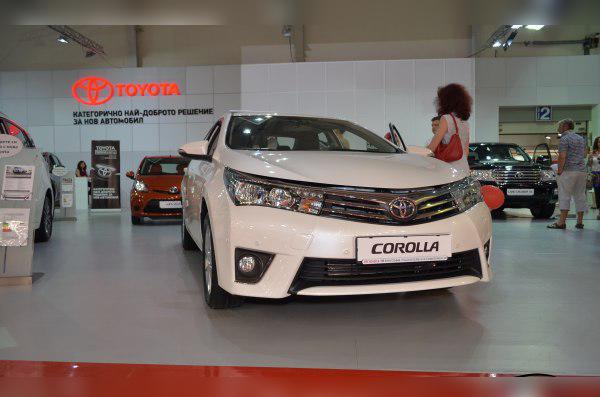
This engine has become a true workhorse for the Japanese manufacturer. You’ll find it in almost the entire range of C and D segment vehicles: from compact models like the Auris (1st and 2nd generation) and Corolla (11th and 12th generation), through family MPVs such as the Verso (including 7‑seater versions), all the way to business saloons and estates like the Avensis (3rd generation).
Technical specifications
| Specification | Value |
|---|---|
| Engine code | 1ZR-FAE |
| Displacement | 1598 cc |
| Power | 97 kW (132 hp) at 6400 rpm |
| Torque | 160 Nm at 4400 rpm |
| Injection type | Indirect (Multipoint - MPI) |
| Induction | Naturally aspirated (No turbocharger) |
| Timing system | Chain (Timing chain) |
Reliability and maintenance
Does the engine have a timing belt or chain and when is it replaced?
This engine uses a timing chain instead of a timing belt. The chain on the 1ZR-FAE is extremely durable and reliable. In practice, there is no prescribed replacement interval. It is necessary to perform a “major service” at 100,000 km, but this does not include chain replacement – only checking its tension, replacing the auxiliary (serpentine) belt that drives the water pump and alternator, and replacing the coolant. The chain easily goes beyond 250,000 km and is only replaced if, during a cold start, a mechanic hears a characteristic metallic “rattle”, which indicates stretching.
Most common failures: What to watch out for?
Mechanically, the bottom end of the engine (crankshaft, pistons, bearings) is practically indestructible with regular oil changes. However, there are a few specific issues:
- Valvematic controller (actuator): This is the best‑known and most expensive weak point of this engine. The electronics or mechanics of the module that controls valve lift can fail (usually between 120,000 and 180,000 km). The driver will notice the “Check Engine” light, the car going into so‑called *limp mode* (safety mode with limited power) and poor acceleration. Diagnostics most often shows error code P1047. The repair involves replacing the module, which falls into the category: quite expensive (depends on the market).
- Water pump: Water pump leaks can appear before 100,000 km. The driver may notice a slight drop in coolant level in the expansion tank or pink/red traces of dried coolant on the engine block. Replacement is not expensive.
- Valve cover gasket: At higher mileages it can start to leak, so you’ll see oily traces on top of the engine. This is mostly a cosmetic issue and is solved by a cheap gasket replacement.
Engine oil: Capacity, grade and oil consumption
The engine takes approximately 4.2 liters of engine oil (with filter). The manufacturer recommends a low‑viscosity 0W‑20 oil so that the Valvematic system and VVT‑i phasers work flawlessly and to reduce internal friction. In warmer climates or at higher mileages, many mechanics use 5W‑30, which is a perfectly acceptable alternative also approved by Toyota.
As for oil consumption, unlike older ZZ‑series Toyota engines that burned oil due to poor piston rings, the 1ZR‑FAE has this issue resolved. The engine generally does not consume oil between services, or the consumption is negligible (around 0.1 to 0.2 liters per 10,000 km). If you notice significant oil consumption, it’s a sign of neglected maintenance by the previous owner (infrequent oil changes that led to stuck piston rings).
Spark plug replacement interval
Since this is a modern petrol engine, the factory fits iridium spark plugs. Their service life is quite long, and they are replaced at intervals of 90,000 to 100,000 km. Poor‑quality fuel can shorten this interval, and symptoms of worn plugs include rough idle, slight hesitation under acceleration and slightly increased fuel consumption.
Specific parts and costs
Flywheel and clutch system
Good news for used‑car buyers: versions with a manual gearbox paired with this petrol engine do not have a dual‑mass flywheel (they use a solid, so‑called single‑mass flywheel). This drastically reduces maintenance costs compared to diesels. The clutch kit (pressure plate, disc, release bearing) lasts a very long time, and when it does need replacing, the cost is in the category: not expensive (depends on the market).
Fuel injection and emission systems (DPF, EGR, AdBlue)
Forget the headaches of modern diesel technology. This engine uses classic indirect (multi‑point) fuel injection into the intake manifold. Petrol injectors are extremely reliable, rarely get dirty and, if a problem does occur, they can be easily and cheaply cleaned in an ultrasonic bath.
Since this is a naturally aspirated petrol engine, it has no turbocharger (no worries about turbo overhauls), no DPF filter (no regeneration issues in city driving) and, of course, no AdBlue system, which regularly causes trouble for newer diesel owners.
This engine is equipped with an EGR valve (exhaust gas recirculation system) to reduce NOx emissions. However, because petrol burns much cleaner than diesel and produces far less soot, EGR clogging here is extremely rare, unless the engine is burning a lot of oil, whose combustion would contaminate the system.
Fuel consumption and performance
Urban driving vs. vehicle weight
Fuel consumption varies greatly depending on the body style. In lighter models (Auris, Corolla), in pure stop‑and‑go city driving, you can expect real‑world consumption of 8.5 to 10 liters per 100 km. In heavier vehicles (Avensis estate, Verso), city consumption easily exceeds 10 liters.
Is the engine “lazy”? In the Auris and Corolla, the 132 hp output is perfectly adequate and provides decent performance. However, the problem lies in the modest 160 Nm of torque, which is only available at a high 4400 rpm. If you drive this engine in a heavy Avensis or Verso loaded with passengers, it will feel extremely “lazy” at low revs. To safely overtake a truck on a country road, you’ll have to shift down one or even two gears and rev the engine close to the redline. The engine will be loud, but that’s simply how naturally aspirated petrol engines are meant to be driven.
Motorway driving
On the motorway at 130 km/h in sixth gear (manual gearbox), the engine spins at around 3200 to 3400 rpm (depending on the gear ratios of the specific model). Fuel consumption then is about 7 to 7.5 l/100 km. Cabin insulation is generally good, but due to the higher revs compared to modern turbo engines, engine noise does make its way into the cabin on longer journeys.
Extras: LPG and remapping
Installing an LPG system
Because of the indirect fuel injection, a sequential LPG system can technically be installed on this engine very easily and at a reasonable cost. However, be careful. Toyota engines of this generation, including the 1ZR‑FAE, do not have hydraulic tappets but mechanical (bucket) lifters. Running on LPG generates higher combustion temperatures, which over time can lead to valve seat recession (loss of valve clearance).
Mechanics’ recommendation: If you install LPG, be sure to fit a valve lubrication system (the so‑called “flashlube”) and an LPG ECU that is OBD‑linked for more precise fueling. Valve clearance adjustment on this engine is done by replacing the buckets, which is very labor‑intensive and therefore costly (depends on the market).
Remapping (Stage 1)
Short answer: Don’t waste your money. Since the 1ZR‑FAE has no turbocharger, a standard ECU remap (“chip tuning”) can give you at most 5 to 8 horsepower, which you absolutely won’t feel in real‑world driving. The torque curve will remain almost identical.
Transmissions: Manual and automatic (CVT)
This engine comes with two transmission options: a 6‑speed manual and a continuously variable automatic known as Multidrive S (CVT – Continuously Variable Transmission).
Transmission failures and maintenance
- Manual (6‑speed): Very robust. Failures are rare and usually boil down to bearing damage in the gearbox if the car has been driven aggressively, which you’ll notice as a faint whining noise under load. It is recommended to change the gearbox oil every 60,000 km, although many drivers neglect this. The clutch uses a solid flywheel and replacement is quite affordable.
- Multidrive S (CVT): Offers extremely smooth city driving because there are no conventional gear changes (although the software simulates “gears” under heavier throttle). The CVT requires a gentler right foot. The biggest problem arises if the oil is not changed. Changing the oil in the CVT every 60,000 km is mandatory! If you notice juddering when setting off, slipping (revs rise but the car doesn’t accelerate) or strange noises (scraping), avoid that car altogether, as replacing the belt and cones in the transmission is an extremely expensive job.
Buying used and conclusion
What to check before buying?
When looking at a car with the 1ZR‑FAE engine, make sure you do the following:
- Listen to a cold start: Ask the seller not to start the car before you arrive. When you open the bonnet and start the engine, listen to the left side (where the chain is). If you hear metallic rattling that lasts longer than a second or two, the chain and tensioners are due for replacement.
- Diagnostics: ALWAYS plug in a scanner. Even if the “Check Engine” light is off, check whether there is a stored P1047 code (Valvematic module issue). Some traders simply clear the fault code before selling.
- Test drive (CVT): If you’re buying an automatic, test the car’s creep behavior. When you release the brake, the car should move forward smoothly and linearly. Any juddering is a red flag.
Conclusion: Who is this engine for?
The Toyota 1.6 Valvematic (1ZR‑FAE) is one of the last truly indestructible old‑school petrol engines. It is aimed at drivers who put reliability first and don’t want to worry about expensive injector, turbo, EGR or dual‑mass flywheel failures. It’s no sports engine, and on the open road it demands more work with the gear lever and a willingness to rev it high.
If you’re buying an Auris or Corolla, this is probably the best and most rational engine choice you can make. On the other hand, if you’re buying an Avensis estate or Verso with the intention of hauling a fully loaded car and seven people uphill, you’d be better off looking for a version with the more powerful 1.8 engine or a proven diesel, because the 1.6 Valvematic will really struggle in that role.