Toyota 1ZZ-FE 1.8 Engine (125 HP): Ownership Impressions, Common Issues, Fuel Consumption and Used-Buying Tips
- Reliable and long-lasting naturally aspirated petrol engine with a timing chain instead of a timing belt.
- The main downside of early models (produced up to 2005) is high oil consumption due to a factory defect in the piston rings.
- Maintenance is very affordable – the engine has no turbocharger, no sensitive high-pressure injectors, and no dual-mass flywheel.
- Fuel consumption is decent for this displacement, but in heavier vehicles like the RAV4 it can exceed 11 l/100 km in city driving.
- LPG (autogas) conversion is possible, but requires expert setup due to more sensitive valves.
- Remapping (Stage 1) on this naturally aspirated engine brings no noticeable gains and is basically a waste of money.
Contents
- Introduction and basic information
- Technical specifications
- Reliability, maintenance and failures
- Specific parts and costs
- Fuel consumption and performance
- Additional options and modifications (LPG and remapping)
- Gearbox and drivetrain
- Buying used and conclusion
Introduction and basic information
The 1ZZ-FE engine is one of Toyota’s best-known and most widespread powerplants from the late 1990s and early 2000s. This 1.8‑liter petrol unit was a true “workhorse” for the Japanese manufacturer, designed to offer an optimal balance of reliability, efficiency and performance. Thanks to VVT-i technology (variable valve timing), engineers managed to extract a respectable 125 HP, which was enough to power a wide range of vehicles around the globe.
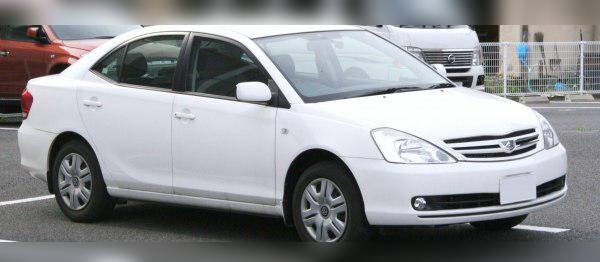
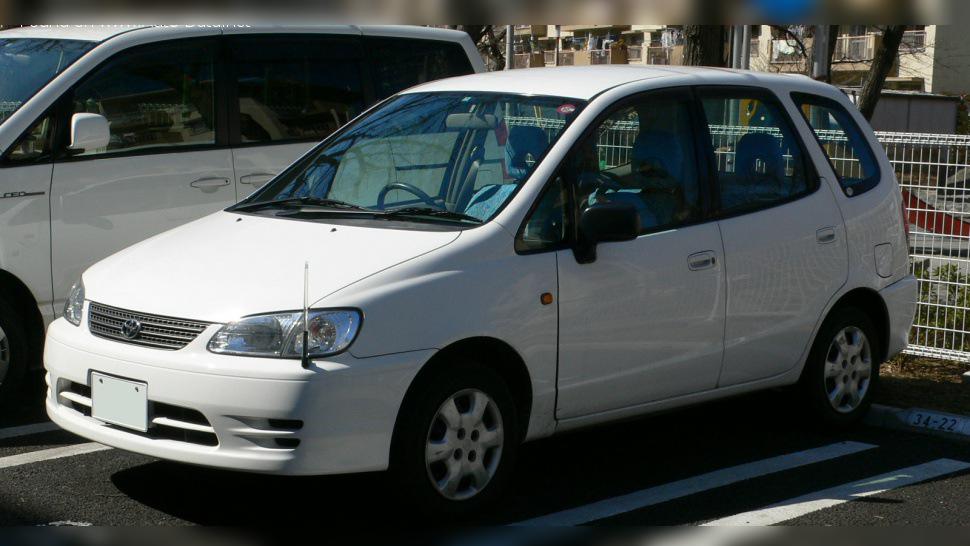
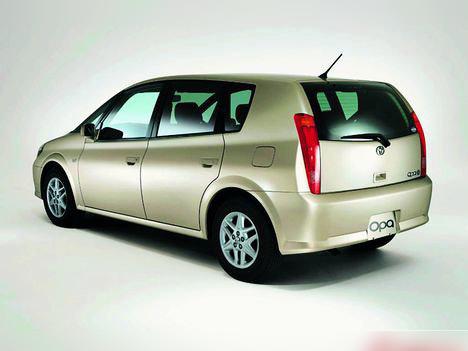
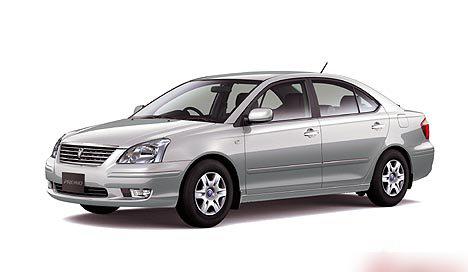
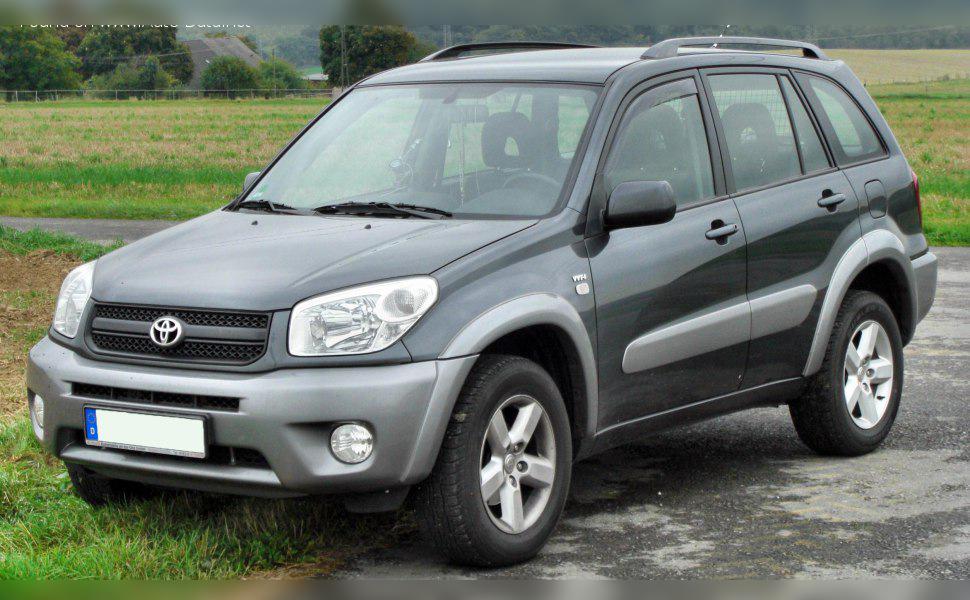
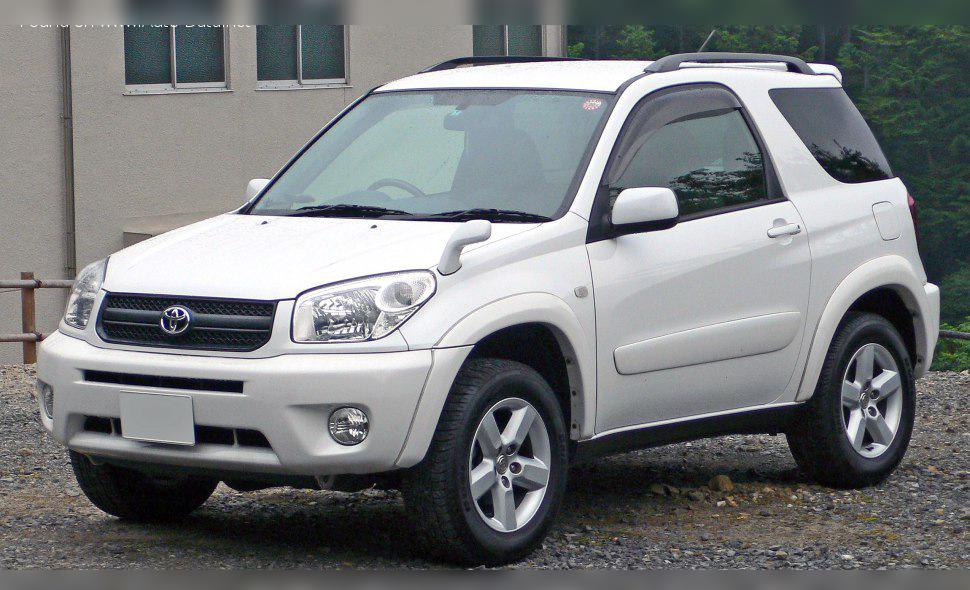
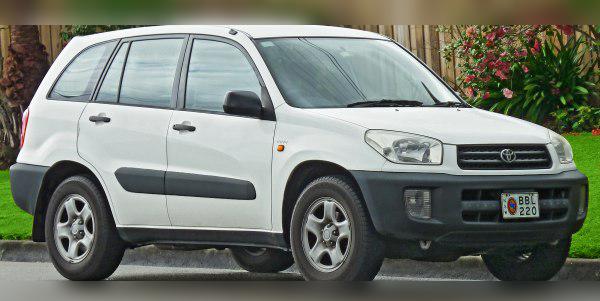
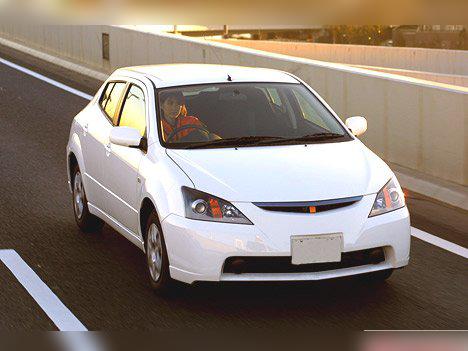
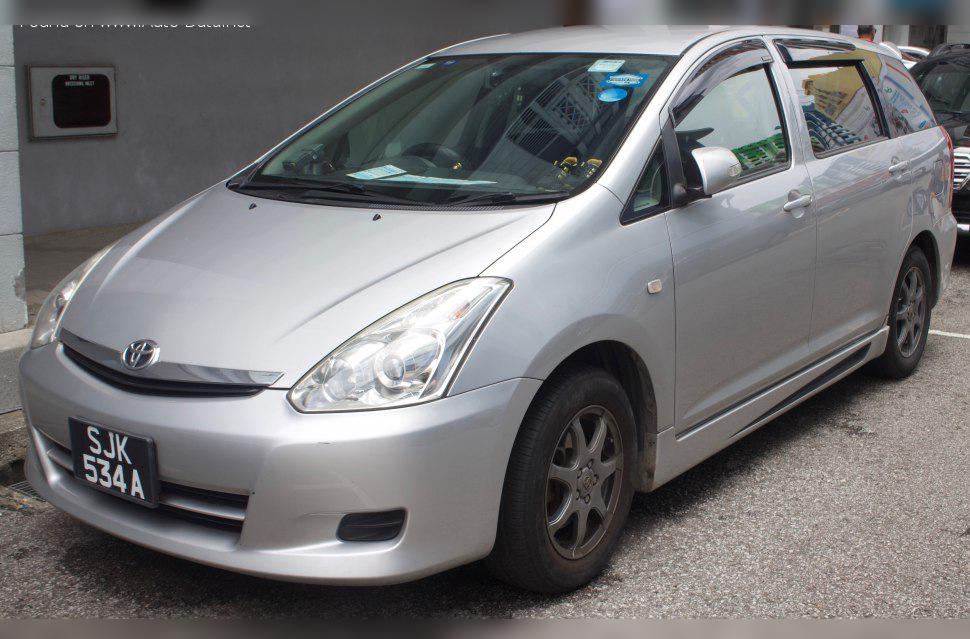
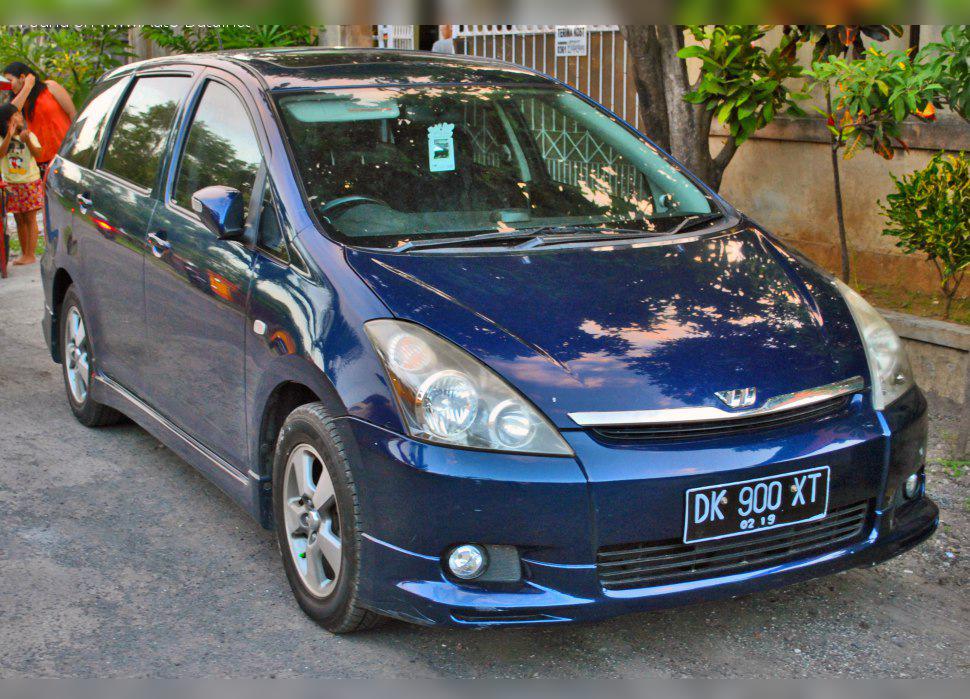
This engine was installed in numerous models, from compact and family cars such as the Toyota Corolla Spacio, Allion, Premio, Opa, Will VS and Wish, all the way to popular SUVs like the second-generation Toyota RAV4 (XA20). Its popularity lies in its simple construction, but before you decide to buy one, it’s important to know that there are certain differences in reliability between pre‑facelift and post‑facelift models (roughly from 2003–2005 onwards, depending on the model).
Technical specifications
| Engine displacement | 1794 cc |
| Engine power | 92 kW (125 HP) |
| Torque | 161 Nm |
| Engine code | 1ZZ-FE |
| Injection type | Multi-point (Port fuel injection – EFI) |
| Induction | Naturally aspirated |
| Fuel type | Petrol |
Reliability, maintenance and failures
This power unit uses a timing chain to drive the camshafts from the crankshaft, rather than a timing belt. Because of that, there is no classic “major service” in the sense of regularly replacing the belt, tensioner and rollers every 90,000 km. The chain is generally long‑lasting, but its lifespan directly depends on oil quality and regular change intervals. It is recommended to check the condition of the chain, guides and tensioner after around 200,000 km, and to replace the water pump and auxiliary belt if needed.
Oil consumption issue
The most notorious weakness of the 1ZZ-FE engine, especially those produced up to 2005, is pronounced engine oil consumption. The root cause lies in poor piston design – the oil return channels under the rings were too narrow and would quickly clog up with carbon deposits. As a result, the rings lose their ability to scrape oil off the cylinder walls, and the engine starts burning oil. On neglected engines, consumption of 1 liter per 1000 km was not uncommon.
For a healthy or overhauled engine, normal consumption is considered to be around 0.5 to at most 1 liter per 10,000 km. To keep the engine in good condition, you need to pour about 3.7 to 4.2 liters of oil (depending on the exact shape of the oil pan on a specific model), and the recommended grade is usually 5W-30 synthetic. Regular 10,000 km oil changes are mandatory for the VVT-i system to function properly.
Spark plugs and minor issues
Since this is a petrol engine, spark plug replacement is standard procedure. If you use standard copper/nickel plugs, the replacement interval is around 40,000 to 60,000 km. However, many owners opt for iridium spark plugs, which can easily last up to 100,000 km. A common minor fault on this engine is oil leakage from the valve cover gasket or clogging of the small filter (screen) on the VVT-i valve, which can cause rough idle.
Specific parts and costs
When it comes to potentially expensive failures, this engine is a real relief for your wallet. The engine does not have a dual-mass flywheel; it uses a conventional solid flywheel, which drastically reduces costs when replacing the clutch kit.
The fuel system is multi-point electronic injection. Unlike modern direct‑injection engines, these injectors operate at low pressure, are extremely reliable and almost never cause problems. The engine is also naturally aspirated, which means it has no turbocharger whose failure or overhaul could cost you a lot of money.
Since this is a petrol engine, it logically has no DPF filter or AdBlue system, which are a nightmare for many modern diesel owners. It has a standard catalytic converter which, after many years or in the case of excessive oil consumption (which can clog it), may need to be replaced. Modern EGR systems as seen on diesels are not present here in the same problematic form; instead, the engine uses a PCV (crankcase ventilation) system which is cheap and simple to maintain, although the valve should be replaced from time to time so it doesn’t further increase oil consumption.
Fuel consumption and performance
Real‑world fuel consumption depends on the body style the engine is installed in. In lighter models such as the Corolla or Allion, city consumption is around 9 l/100 km. However, if this engine is powering a Toyota RAV4 (especially the five‑door 4WD version), city consumption easily goes to between 10.5 and 11.5 l/100 km.
Is the engine “sluggish”? For lighter cars (up to about 1300 kg), 125 HP and 161 Nm are perfectly adequate for smooth and comfortable everyday driving. Still, in heavier vehicles like the RAV4 (particularly with an automatic gearbox), the engine has to rev high to provide adequate acceleration for overtaking, which reinforces the impression of “sluggishness”.
On the motorway, aerodynamics and shorter gearing take their toll. At 130 km/h, the engine usually spins at higher revs (most often between 3500 and 4000 rpm in fifth gear with a manual), which results in more cabin noise and fuel consumption that rarely drops below 7.5 to 8 l/100 km. This engine is definitely more pleasant on secondary roads than for all‑day cruising on the autobahn.
Additional options and modifications (LPG and remapping)
Installing an LPG (autogas) system is very common and economically worthwhile on the 1ZZ-FE. The engine handles LPG reasonably well, but with one important caveat: Toyota engines from this era have somewhat softer valve seats. Driving on LPG under high load can lead to overheating and valve seat recession (valves “sinking” into the cylinder head). That’s why installation must be done by a top‑notch specialist, and it is strongly recommended to fit a valve lubrication system (so‑called “dripper” systems like Flashlube) and to check valve clearances in time.
As for “chipping” (Stage 1 remap), on this engine it makes no sense at all. Since the engine is naturally aspirated and has no turbo whose boost pressure can be raised via software, tweaking ignition and fuel maps will not give you more than 5 to 8 HP. The difference in driving will be practically imperceptible, while fuel consumption may increase and longevity may suffer. This is an engine built for durability, not for racing.
Gearbox and drivetrain
The 1ZZ-FE was most commonly paired with reliable 5‑speed manual gearboxes or classic 4‑speed automatic gearboxes (ECT – Electronic Controlled Transmission).
The manual gearboxes are mechanically very robust. The most common high‑mileage issues are worn synchronizers (difficulty engaging gears, especially first or second). Since the car uses a solid (conventional) flywheel, replacing the complete clutch kit (disc, pressure plate, release bearing) is generally not expensive (depending on the market). It is recommended to change the oil in the manual gearbox every 60,000 to 80,000 km.
The 4‑speed automatics are true workhorses – a bit archaic in shift speed, but almost indestructible if serviced regularly. The almost only reason these gearboxes fail is neglected maintenance. Servicing the automatic gearbox (oil and filter change) is absolutely essential every 60,000 km. If this is respected, the gearbox will usually outlive the car’s body itself.
Buying used and conclusion
Before buying a used car with the 1ZZ-FE engine, your main concern should be checking its oil consumption. Since the seller will probably not admit to this, watch out for the following signs:
- Bluish smoke from the exhaust: Ask the seller not to start the car before you arrive. On the first (cold) start, if you see a puff of blue smoke, it means oil is getting past the valve stem seals or piston rings.
- Chain noise: Listen to the engine on a cold start. Metallic rattling in the first few seconds indicates a stretched chain or a weak hydraulic chain tensioner.
- Oil level: Check the dipstick; if the oil level is below minimum or the oil is extremely black and thick (thicker oil is often used on purpose to mask consumption), look for another car.
Conclusion: Who is this engine for?
The Toyota 1.8 1ZZ-FE is an ideal choice for drivers who want maximum simplicity, cheap routine maintenance and robust mechanics, without the fear of expensive injector or turbo failures. If you are looking at earlier models, be prepared that an engine overhaul and ring replacement may have been done (or may be waiting for you). If you choose facelifted versions (from around 2005 onwards), you’ll be getting one of the most reliable naturally aspirated petrol engines in its class which, with regular and proper servicing, can easily cover more than half a million kilometers.