Toyota 2.2 D-CAT 150 HP (2AD-FHV) engine: Experiences, problems, fuel consumption and used-car buying guide
Key points (TL;DR)
- Timing drive: The engine does not use a conventional timing belt, but a timing chain, which reduces the cost of major scheduled services.
- Head gasket and engine block: The biggest weakness of the 2AD engine series. They are prone to micro-cracks in the block and blown head gaskets, which leads to coolant loss and overheating.
- Injection system: Uses very sensitive Denso piezo injectors that are difficult and expensive to refurbish.
- DPNR system: Instead of a conventional DPF, it uses an advanced DPNR system with a fifth injector that often causes headaches and increases fuel consumption.
- Oil consumption: Due to piston ring issues, the engine can consume more oil than is usual for modern diesels.
- Intended use: Strictly for highway and open-road driving. City driving quickly “chokes” it and leads to clogging of the emissions control system.
Contents
- Introduction to the 2.2 D-CAT engine
- Technical specifications
- Reliability and maintenance
- Specific parts and costs
- Fuel consumption and performance
- Additional options and modifications
- Gearbox and drivetrain
- Buying used and conclusion
Introduction to the 2.2 D-CAT engine
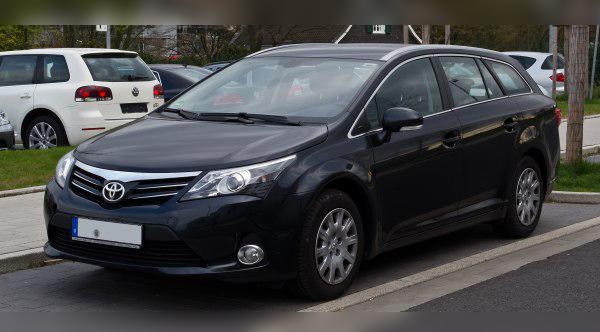
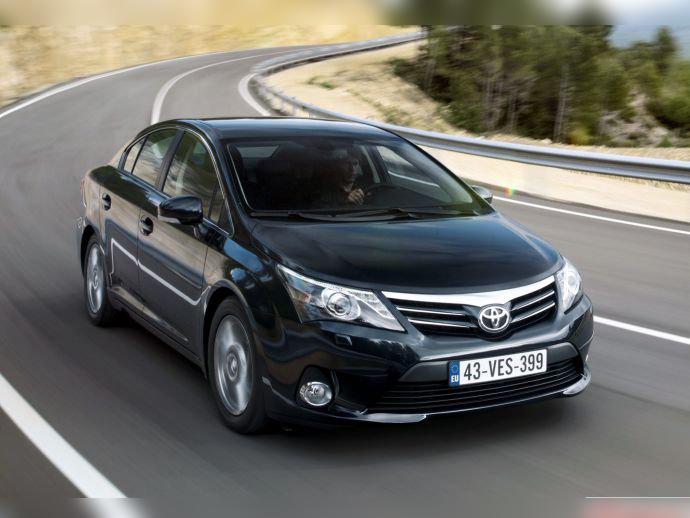
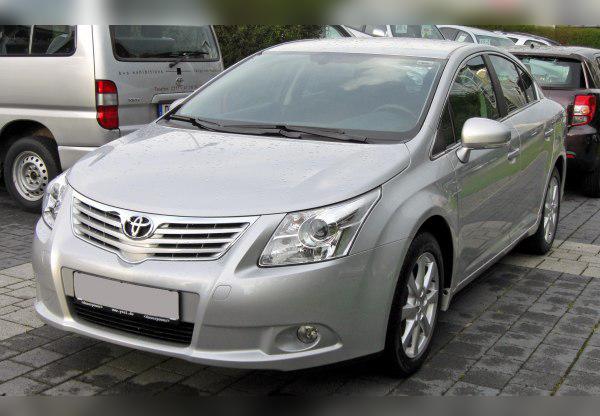
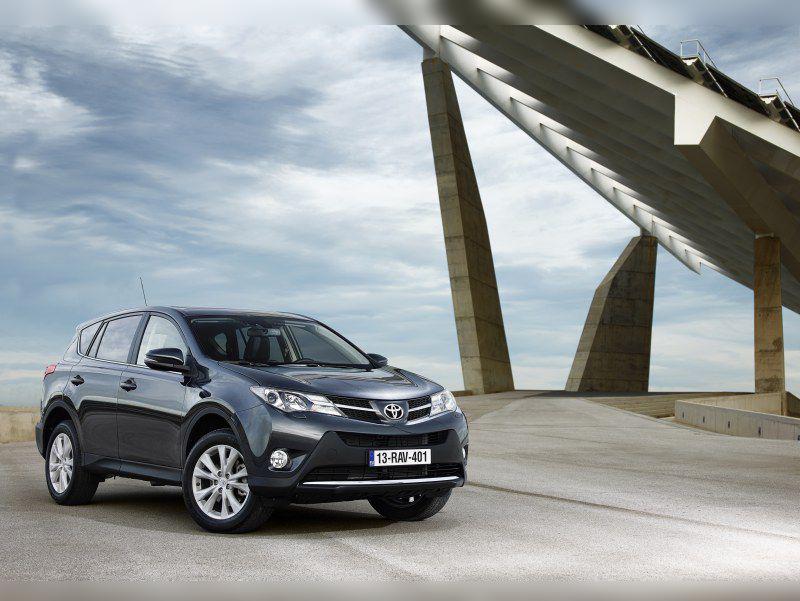
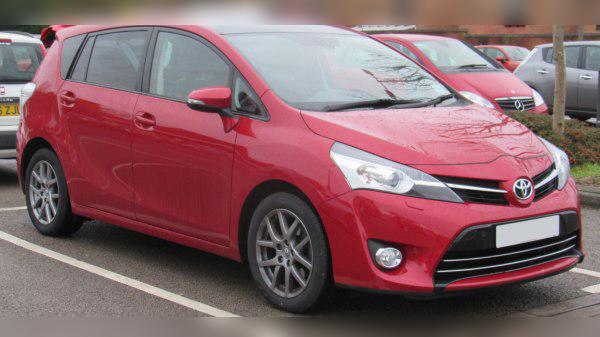
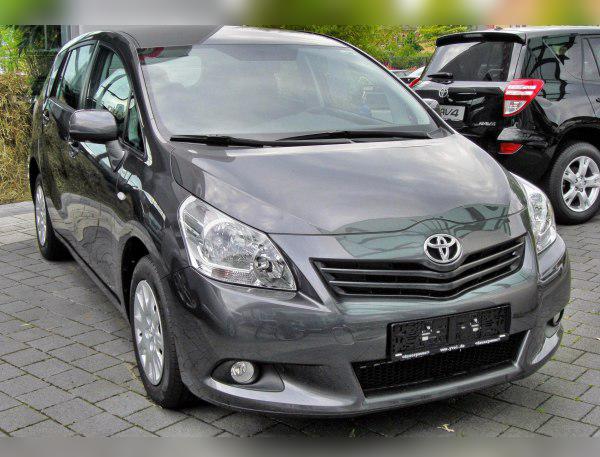
Toyota’s engine designated 2AD-FHV is one of the most complex diesel powerplants of its time. Although D-CAT (Diesel Clean Advanced Technology) is most often associated with the 177 HP version, Toyota also offered a detuned 150 HP version in certain models (especially in combination with automatic transmissions to meet strict emissions standards). This engine was installed in some of Toyota’s heavy hitters, including the third-generation Avensis (sedan and wagon), the popular fourth-generation RAV4, as well as the spacious Verso.
Toyota’s goal was to build the cleanest diesel engine in the world. In practice, however, this engineering complexity brought a series of specific issues that owners and mechanics are still dealing with today. That’s why buying a used car with this engine requires serious prior knowledge and caution.
Technical specifications
| Specification | Data |
|---|---|
| Displacement | 2231 cc |
| Power | 110 kW (150 HP) |
| Torque | 340 Nm |
| Engine code | 2AD-FHV |
| Injection type | Common Rail (Denso Piezo) |
| Charging | Variable-geometry turbocharger (VGT) with intercooler |
| Timing drive | Chain |
Reliability and maintenance
Timing system and major service
This engine uses a timing chain rather than a belt. In practice, this means there is no classic “major service” in the sense of replacing a belt at a set mileage (e.g. at 100,000 km). The chain is designed to last the life of the engine, but real-world experience shows it is wise to check its condition (tension and guide wear) at around 250,000 km. A worn chain is indicated by a distinct metallic rattling noise at the first cold start of the day, until oil pressure builds up. What does need to be replaced preventively every 100,000 to 120,000 km are the auxiliary belt, idler pulleys, tensioners and water pump.
Most common failures
The most serious and most expensive weakness of the 2AD engine generation is the head gasket and engine block issue. Due to the specific aluminum alloy and high heat dissipation, especially with the D-CAT system which raises exhaust temperatures, the block can deform or develop micro-cracks. Symptoms include coolant being pushed out through the expansion tank cap, engine overheating on climbs, and rock-hard coolant hoses. Repair is very expensive (depends on the market), as it often requires replacement or extensive machining of the block (so-called “re-sleeving”).
Oil and oil consumption
The 2AD-FHV takes about 5.9 to 6.3 liters of oil, depending on filter size and drainage. Because of the specific DPNR (particulate filter) system, it is MANDATORY to use low-ash (Low SAPS) oil, specifically 5W-30 meeting ACEA C2.
As for oil consumption, these engines often suffer from a poor piston ring design. The rings can get stuck with carbon deposits, after which the engine starts burning oil. Toyota tolerates consumption up to 0.5 liters per 1,000 km, but in practice, any consumption higher than 1 liter per 10,000 km points to the beginning of problems with the rings or the turbocharger.
Injector lifespan and condition
The injection system uses Denso piezo-electric injectors. They are extremely precise, but very sensitive to poor fuel quality and water contamination. Their typical lifespan is around 200,000 to 250,000 km. Symptoms of bad injectors include rough idle (engine shaking), knocking under load, and black or grey smoke from the exhaust. The problem with Denso piezo injectors is that they are very difficult to refurbish successfully, so replacement with new ones is a very costly repair (depends on the market).
Specific parts and costs
Dual-mass flywheel
Yes, versions of this engine paired with a manual gearbox do have a dual-mass flywheel. Its job is to absorb the hefty 340 Nm of torque. Its lifespan is around 150,000 to 200,000 km, depending on driving style. Symptoms of wear include strong vibrations when moving off, knocking when switching the engine off, and difficulty engaging gears. Replacing the clutch kit together with the dual-mass flywheel is an expensive job (depends on the market).
DPF, EGR and DPNR system
This is where we come to the most complicated part of the D-CAT engine. This engine does not have a conventional DPF filter, but a DPNR (Diesel Particulate NOx Reduction) system that treats both soot particles and nitrogen oxides (NOx) at the same time. Because of this, the engine does not use AdBlue, which is an advantage on one hand.
However, to clean this system, the engine uses a fifth injector (exhaust injector) that injects pure fuel directly into the exhaust manifold to raise the temperature for regeneration. The fifth injector often gets clogged with soot. When that happens, regeneration does not occur, the DPNR clogs up, the car goes into limp mode and produces thick white smoke. The EGR valve also gets dirty very quickly due to the large amount of soot in the recirculated gases and needs mechanical cleaning every 50,000 km.
Turbocharger
The engine has a single variable-geometry turbocharger (VGT). The turbo itself is robust and, with regular changes of quality oil, can easily exceed 250,000 km. However, the variable-geometry vanes can seize up from soot (especially if the car is driven mostly in the city at low revs), which results in overboost and loss of power during acceleration.
Fuel consumption and performance
City driving
This is absolutely not an engine for city use. The heavy bodies (especially RAV4 and Verso) combined with the large 2.2-liter displacement take their toll. Real-world consumption in stop-and-go city traffic is from 8.5 up to over 10.5 l/100 km, depending on whether it’s a manual or automatic. Besides the fuel consumption, city driving is deadly for the EGR valve and the DPNR system.
On-road performance
Despite the weight of the cars it powers, this engine is anything but “lazy”. With 150 HP and 340 Nm of torque (available from around 2,000 rpm), in-gear acceleration is excellent. On the motorway, this engine shows its true character. It maintains speed effortlessly. At 130 km/h it cruises at about 2,200 to 2,400 rpm (depending on gearbox ratios), with a quiet cabin and open-road fuel consumption of around 6 to 7 l/100 km.
Additional options and modifications
Remapping (Stage 1)
Although Denso ECUs on older models used to be difficult to reprogram, today a remap (chip tuning) is easily done. With a Stage 1 software tune, the engine can be raised to about 180 HP and 400 Nm.
Mechanic’s warning: Modifications to this engine are strongly discouraged. More power means higher cylinder and exhaust temperatures, which directly and quickly leads to failure of the already sensitive head gasket and destruction of the DPNR filter. If you want a faster car, this is not an engine to tune.
Gearbox and drivetrain
Types of gearboxes and failures
The 2AD-FHV was paired with robust 6-speed manual gearboxes and 6-speed conventional automatic gearboxes (with a torque converter) made by Aisin.
- Manual gearbox: The gearset itself is virtually indestructible. The problem with the manual is purely wear items: the aforementioned dual-mass flywheel and clutch kit.
- Automatic gearbox (Aisin): Considered a far more durable and hassle-free solution in terms of maintenance. This gearbox does not have a dual-mass flywheel, saving you a major expense. Failures are rare and usually caused by poor maintenance. Symptoms include jerks when shifting from P to D, or engine revs flaring during gear changes.
Gearbox servicing
The oil in the manual gearbox should be refreshed every 100,000 km.
For the automatic gearbox, regardless of what some authorized dealers may claim about it being “sealed for life”, changing the transmission fluid and filter every 60,000 to 80,000 km is absolutely essential if you want the gearbox to last without a rebuild.
Buying used and conclusion
What to check when buying?
If you’re looking at a used Avensis, RAV4 or Verso with the 2.2 D-CAT engine, be extremely thorough:
- Coolant hose test: When the engine is warm, feel the thick hose running from the radiator to the engine. If it’s rock hard, or you notice dried coolant traces around the expansion tank, walk away from that car – the head gasket or block has failed.
- Exhaust smoke: Let the car idle for 5–10 minutes, then suddenly rev it. White smoke points to a problem with the fifth injector and the DPNR system. Blue smoke means the engine is burning oil (rings/turbo).
- On-the-spot diagnostics: Using an OBD scanner, always check injector correction values (anything over +/- 1.5 means expense ahead) and the degree of DPNR clogging.
Who is this engine for?
The Toyota 2.2 D-CAT (150 HP) is a brilliantly engineered but, in practice, overly sensitive engine. It is intended exclusively for drivers who cover high mileages on open roads on a daily basis. If you need a car for family errands around town and commuting, this engine will quickly drain your wallet with repairs to the DPNR system, injectors or head gasket. If you really want a Toyota from these generations, the 2.0 D-4D version is a much safer, albeit less powerful, option.