Toyota and Lexus 2.2 D-CAT (2AD-FHV) 177 HP – Experiences, problems, fuel consumption and used-car buying tips
If you’re looking for raw power and torque in Toyota and Lexus models from the 2000s, there’s a good chance you’ve come across the 2.2 D-CAT engine. Although it looks perfect on paper, in practice this engine requires a careful approach and a deeper understanding of its mechanics before you decide to buy.
Key points in short (TL;DR):
- Performance: A strong 400 Nm of torque delivers excellent acceleration and is great for highway driving.
- Biggest downside: A design-related issue with the cylinder head gasket due to carbon build-up.
- Emission system: D-CAT uses a complex DPNR system (with a fifth injector) that is extremely prone to clogging in city driving.
- Maintenance: The engine uses a timing chain, which reduces major service costs, but replacement parts like injectors and the dual-mass flywheel are expensive (depends on the market).
- Intended use: Ideal only for drivers who cover high mileages on the motorway; it is a completely wrong choice for predominantly city driving.
Contents:
- Introduction
- Technical specifications
- Reliability and maintenance
- Specific components (costs)
- Fuel consumption and performance
- Additional options and modifications
- Gearbox
- Buying used and conclusion
Introduction
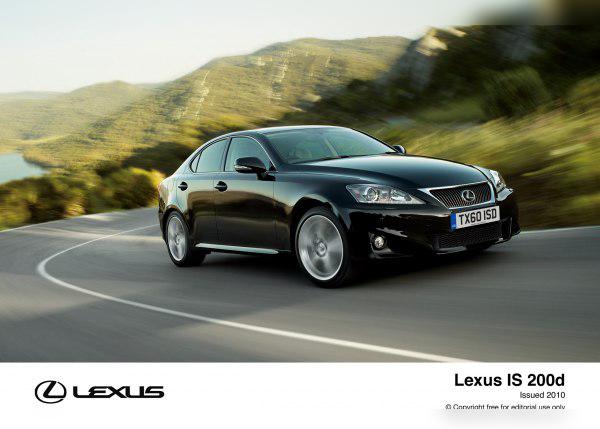
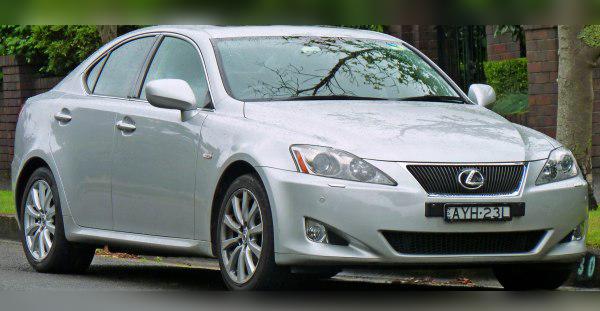
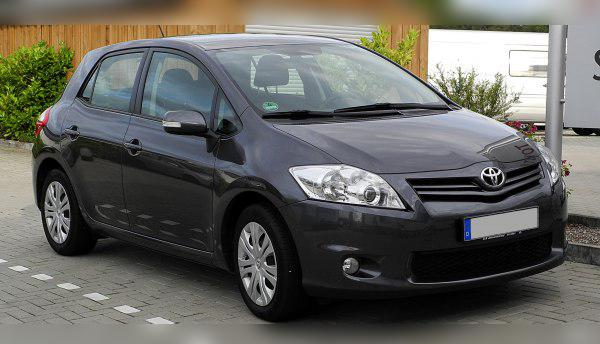
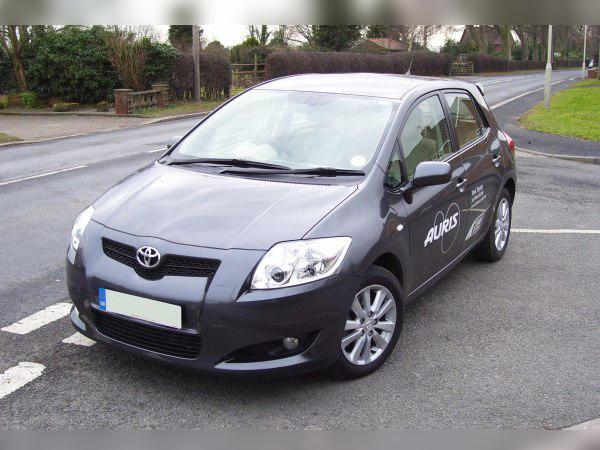
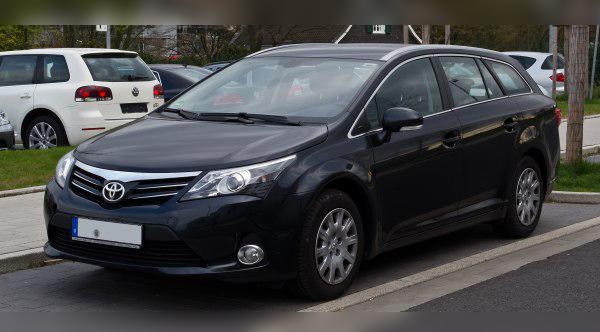
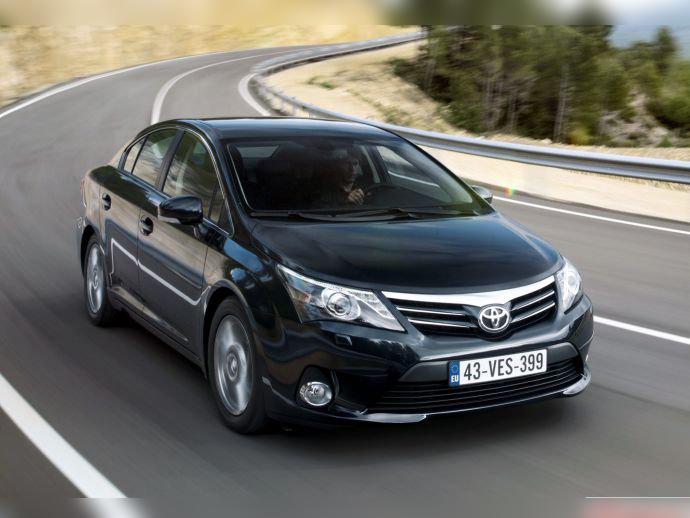
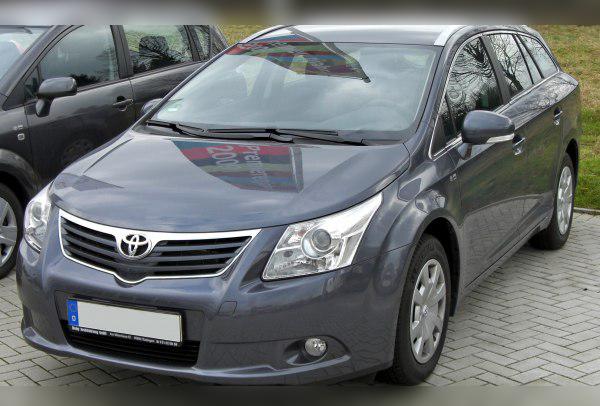
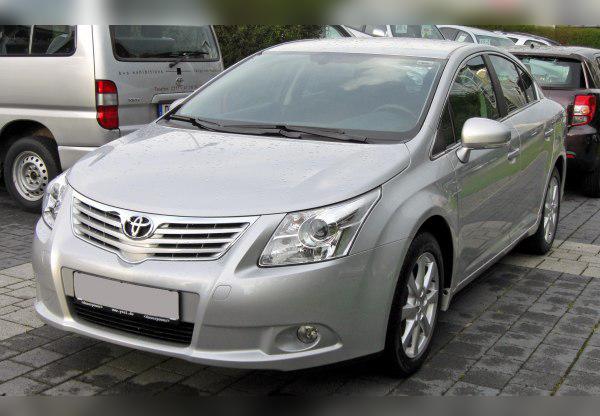
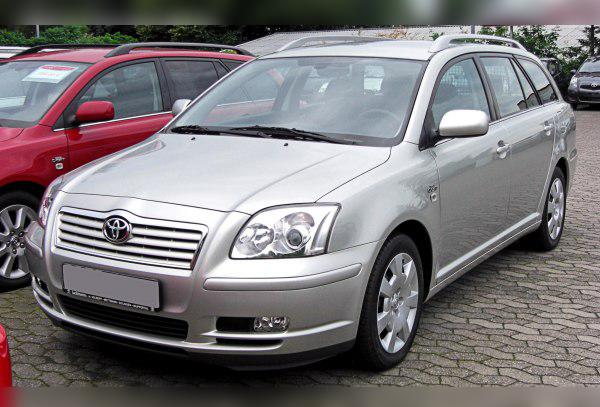
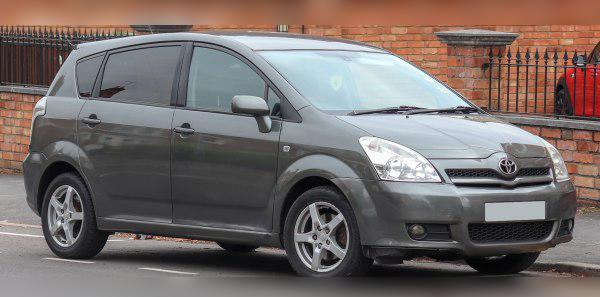
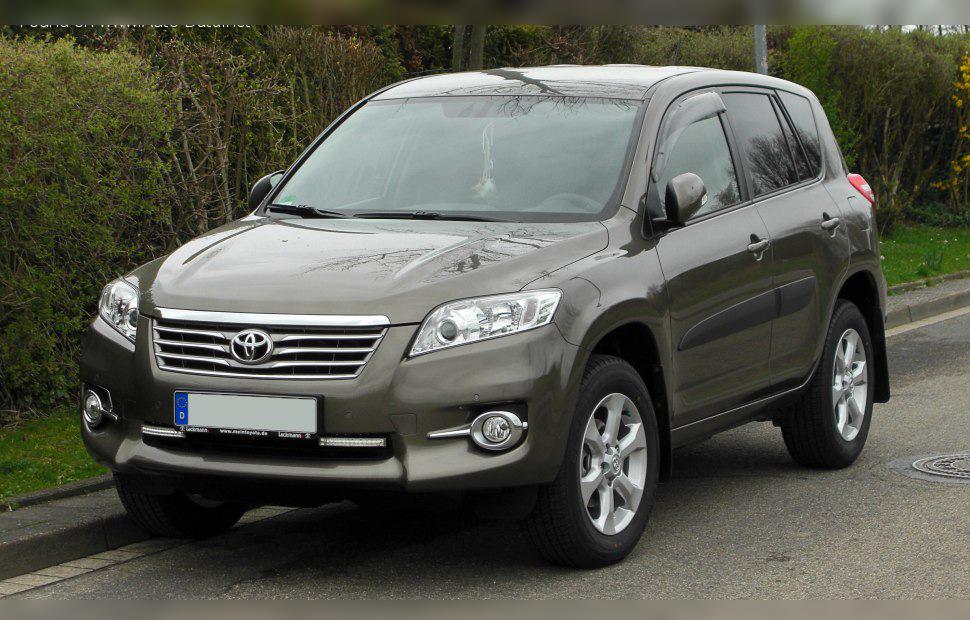
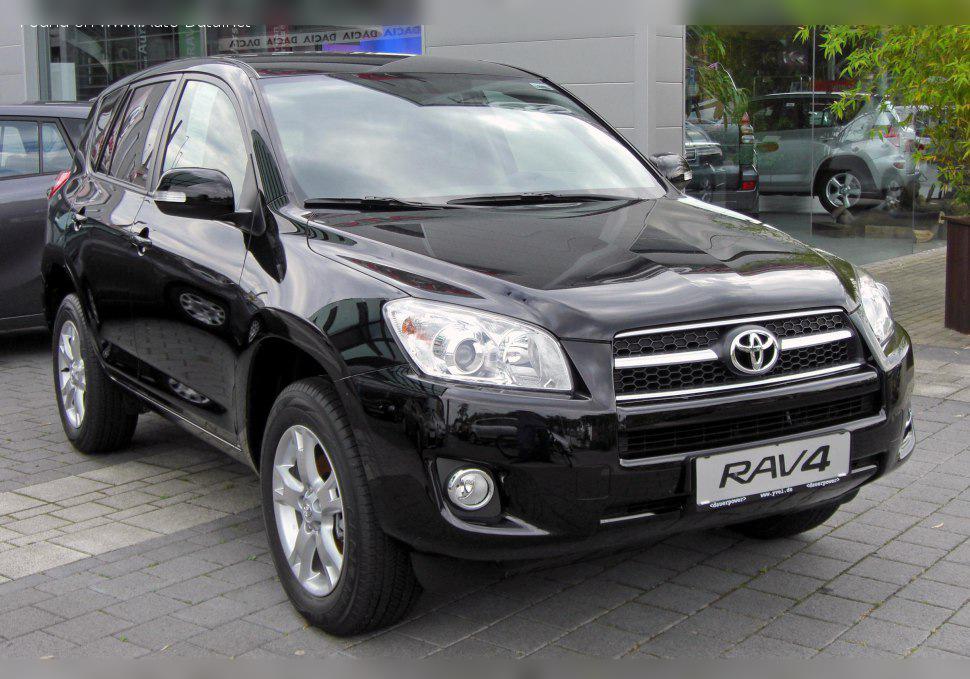
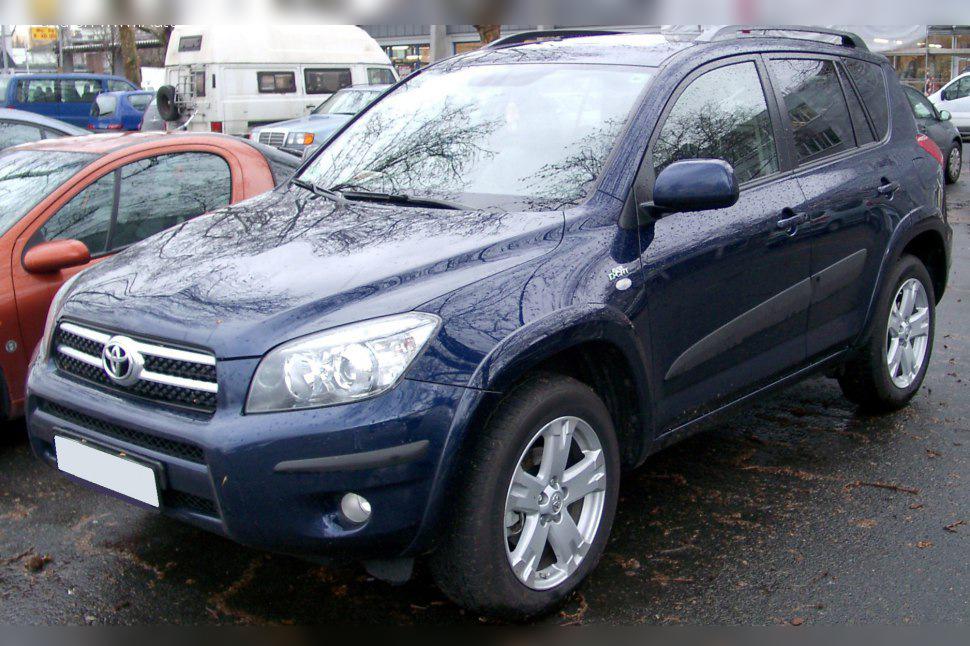
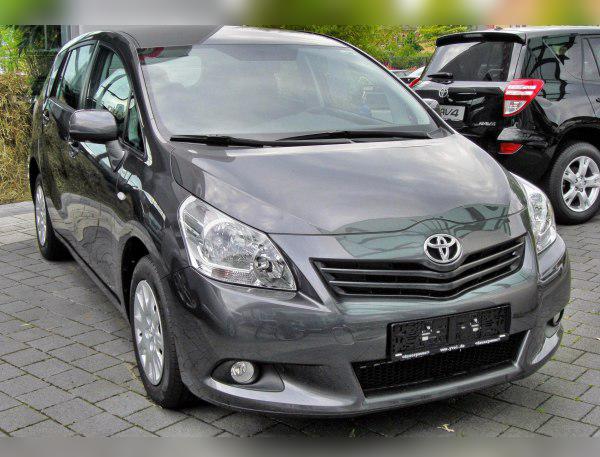
The 2AD-FHV engine, commercially better known as 2.2 D-CAT (Diesel Clean Advanced Technology), represented Toyota’s peak in diesel technology in the mid-2000s. It was installed in a range of vehicles that required high performance and load capacity, including premium models such as the Lexus IS220d, as well as Toyota workhorses and family cars: RAV4, Avensis, Auris, Corolla Verso and Verso. Its primary goal was to deliver huge power and torque with incredibly low emissions, but the engineering solutions used to achieve that goal have caused numerous headaches for owners across Europe.
Technical specifications
| Specification | Data |
|---|---|
| Engine code | 2AD-FHV |
| Engine displacement | 2231 cc |
| Power | 130 kW (177 HP) |
| Torque | 400 Nm |
| Fuel type | Diesel |
| Injection type | Common Rail (Denso Piezo) |
| Charging system | Turbocharger (VGT with variable geometry), intercooler |
Reliability and maintenance
Timing: Chain or belt?
The good news for drivers is that the 2.2 D-CAT uses a timing chain. In practice it has proven to be very durable and rarely fails, and generally does not require replacement before 250,000 to 300,000 km, unless oil changes have been neglected, which leads to tensioner wear and chain stretch.
Most common failures
This engine carries a serious stigma – a cylinder head gasket problem. Due to the specific design and D-CAT regeneration strategy, there is increased carbon build-up on the piston crowns. Over time, this layer physically touches the cylinder head, slightly lifting it, which leads to stretching of the head bolts and failure of the gasket. The driver will notice this as a mysterious coolant loss without visible leaks under the car, swollen coolant hoses and rising temperature. The repair is complex because it often involves replacing the engine block or very demanding machining (very expensive, depends on the market).
Major and minor service
A classic major service in the sense of a timing belt replacement does not exist here. However, it is recommended to replace the auxiliary (serpentine) belt, rollers, tensioner and water pump at approximately 100,000 to 120,000 km. The water pump on this engine can show signs of leakage even before this interval, so it should be checked regularly.
Oil consumption and specification
The oil sump of this engine holds about 5.9 to 6.3 litres of oil (depending on the filter and model). The required grade is 5W-30 that meets the ACEA C2 or C3 standard due to the presence of the DPNR filter. As for oil consumption, the 2AD-FHV is factory-known to “drink” oil. Consumption of up to 1 litre per 10,000 km is considered normal, but on older examples with worn piston rings this figure can be significantly higher. If the engine consumes more than 0.5 litres per 1,000 km, that is a sign of a serious problem.
Injectors
The system uses Denso piezo injectors. They were once considered non-repairable and their replacement could financially ruin the owner, but today cleaning and refurbishment are possible, although they are still quite expensive (depends on the market). Their average lifespan is around 200,000 km. Symptoms of failure include: knocking and rough running on cold start, increased white or black smoke, as well as frequent and unsuccessful particulate filter regenerations.
Specific components (costs)
Dual-mass flywheel
Yes, this engine comes paired with a massive dual-mass flywheel. Since the unit delivers a strong 400 Nm of torque, the impacts on the flywheel are huge. Its lifespan is around 150,000 to 200,000 km, depending on driving style. Symptoms of wear include shuddering when moving off, vibrations at idle and a metallic thud when switching the engine off. The price of a clutch and flywheel kit falls into the category: very expensive (depends on the market).
Injection system, DPF, EGR and the “fifth injector”
This is the core of the D-CAT system and its biggest problem. The engine uses the so-called DPNR system (a combination of a soot DPF and a NOx catalyst). To burn off accumulated particles, Toyota installed a fifth injector directly in the exhaust manifold. The fifth injector often clogs, which prevents regeneration, causing the DPNR to become irreversibly blocked. The EGR valve also gets dirty extremely quickly due to the rich mixture, causing loss of power and jerking while driving. The cost of replacing the entire system is enormously high, so many owners resort to software deactivation (where legally allowed).
Important note: Because of the fifth injector in the exhaust, this engine does not have an AdBlue system, so you will not face issues with a urea pump and tank, but the DPNR system itself is far more problematic than a conventional AdBlue setup.
Turbocharger
The engine has a single variable-geometry turbocharger (VGT). Interestingly, despite all the issues this engine has, the turbocharger has proven to be extremely robust and reliable. With regular changes of quality oil, it easily outlives most other components on the engine.
Fuel consumption and performance
City and highway driving
Real-world fuel consumption in city conditions is high for a modern diesel. In heavy vehicles such as the RAV4 or Lexus IS220d, you can expect between 8.5 and 10.5 l/100 km. City driving is deadly for the D-CAT system because the engine does not reach adequate temperature for regeneration.
The engine is by no means sluggish; 177 HP and 400 Nm allow even a fully loaded car to tackle climbs with ease. However, the power delivery can feel explosive and non-linear (the so-called “turbo lag” at low revs is noticeable). On the motorway, this engine is in its element. At 130 km/h in sixth gear it cruises at about 2,000–2,200 rpm (depending on the gear ratios of the model), making the cabin very quiet and bringing consumption down to around 6.0 to 7.0 l/100 km.
Additional options and modifications
Remapping (Stage 1)
With a Stage 1 remap, this engine can reach around 200 to 210 HP and over 450 Nm of torque without major issues. However, extreme caution is strongly advised. Increased pressures accelerate the aforementioned cylinder head gasket problem, while additional soot from aggressive maps clogs the DPNR system at record speed. If you go for a remap, have it done by top specialists with a safe and conservative map.
Gearbox
Manual and automatic gearboxes – failures and maintenance
This unit was most often paired with a 6-speed manual gearbox (EA60), while models such as the Avensis and RAV4 were also available with a reinforced 6-speed Aisin automatic gearbox.
Manual gearbox issues: In the Lexus IS220d, first and second gears are extremely long from the factory, which makes it frustrating to drive in the city (you often have to ride the clutch to prevent the engine from stalling). Failures are rare, but the synchros of the lower gears can fail due to harsh driving and the huge torque. It is recommended to change the oil in the manual gearbox every 60,000 km.
Automatic gearbox issues: The Aisin automatic is very reliable provided it is maintained properly. If owners ignore oil changes, the valve body (hydraulic block) loses function, and the gearbox starts to jerk when shifting from P–R–N–D, or “kicks” when shifting from second to third gear. The recommended service interval for the automatic gearbox and ATF replacement (ideally with a full fluid exchange) is between 60,000 and 80,000 km.
Buying used and conclusion
What you must check before buying
- Coolant hoses: When the engine is warm, try squeezing the thick rubber hose going to the radiator. If it is “hard as a rock”, that’s a sign that compression is leaking into the cooling system – walk away from that car!
- Cold start and diagnostics: Leave the car overnight. At the first start, listen to how the engine runs. If the revs fluctuate and you hear metallic “knocking”, the piezo injectors are failing.
- DPNR filter condition: Always connect a professional diagnostic tool and check the differential pressure sensor readings on the DPF, as well as when the last regeneration was performed.
- Exhaust smoke: Constant white or bluish smoke under load indicates a leaking fifth injector or coolant being burned in the cylinders.
Final verdict: Who is the 2.2 D-CAT for?
The Toyota 2AD-FHV (177 HP) engine is definitely not for the average driver who mainly uses the car to take kids to school or to crawl through rush-hour traffic. Because of the D-CAT system design, stop-and-go city driving is fatal for this unit and will result in astronomical repair bills.
However, if 80% of your driving is motorway cruising at higher speeds, if you service the car regularly at short intervals (changing the oil at a maximum of every 10,000 km) and you are prepared for possible injector issues – this engine will reward you with excellent in-gear acceleration, great driving dynamics and relatively low fuel consumption on open roads. Otherwise, for a more carefree daily drive, the lower-powered 2.0 D-4D version is always a safer and more cost-effective choice when buying a used Toyota from that era.