Toyota 2.2 D-4D (2AD-FTV) 150 HP: Experiences, problems, fuel consumption and used-car buying tips
Key points in short (TL;DR)
- The engine uses a reliable timing chain, which eliminates the need for classic, expensive major timing services every 100,000 km.
- Early series (before 2010) had a pronounced problem with the head gasket and coolant consumption due to deformation of the aluminum block.
- Sensitive EGR valve and DPF filter – this engine is not ideal for exclusively stop‑and‑go city driving.
- It uses high‑quality but delicate Denso injectors, whose overhaul or replacement becomes an expensive job after around 200,000 km.
- It comes with a dual‑mass flywheel (on manual gearboxes), which represents a significant cost when replacing the clutch kit.
- This engine does not have an AdBlue system, which is one less worry for owners of older diesels.
- Extremely elastic and strong on the highway, it handles heavier bodies such as the RAV4 and Avensis perfectly.
Contents
- Introduction: About the 2AD-FTV engine
- Technical specifications
- Reliability and maintenance
- Specific parts and costs
- Fuel consumption and performance
- Additional options and modifications
- Gearbox and drivetrain
- Buying used and conclusion
Introduction: About the 2AD-FTV engine
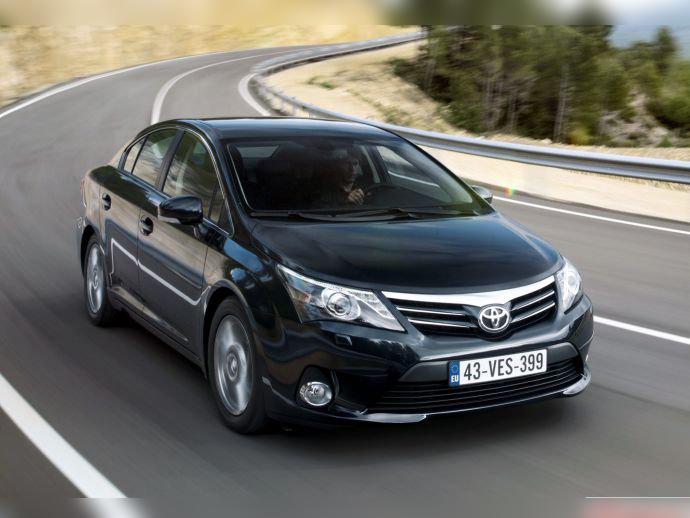
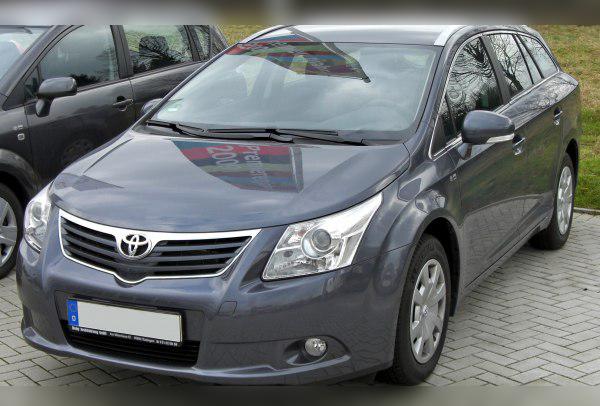
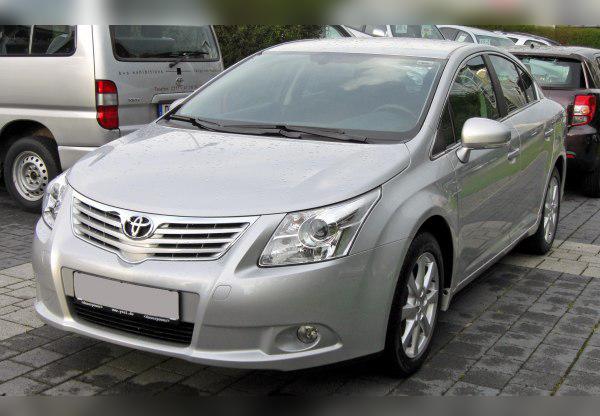
When Toyota’s 2.2‑liter diesel engine is mentioned, opinions of drivers and mechanics are often divided. The engine designated as 2AD-FTV, which delivers 110 kW (150 HP), was Toyota’s answer to the growing demand for powerful yet economical diesels in the mid‑size and SUV segments. It found its place in heavyweights such as the Toyota RAV4 (third and fourth generation), the spacious third‑generation Avensis, as well as in the premium sedan Lexus IS II (200d).
It was conceived as a compromise between the very powerful (but more problematic) 177 HP (D-CAT) version and the weaker 2.0 D-4D engines. Thanks to its abundant torque, this engine is made for long journeys and towing, but its aluminum block and complex exhaust‑gas control system require a careful owner and regular maintenance.
Technical specifications
| Specification | Data |
|---|---|
| Engine displacement | 2231 cc |
| Power | 110 kW (150 HP) |
| Torque | 340 Nm |
| Engine code | 2AD-FTV |
| Fuel type and injection | Diesel, Common Rail Direct Injection (Denso) |
| Charging method | Turbocharger with variable geometry (VGT), intercooler |
Reliability and maintenance
Timing system: chain or belt?
The good news for your wallet is that this engine uses a timing chain. Unlike a timing belt that is preventively replaced at a certain mileage, here there is no classic “major timing service” in that sense. The chain is massive and designed to last as long as the engine itself. However, in practice it has been shown that after 250,000 to 300,000 km the chain can stretch. Symptoms of a stretched chain are metallic rattling on cold start and rough running until the engine reaches operating temperature (around 90 °C). Replacement of the chain set is recommended when these symptoms appear.
Most common failures and weak points
The main weak point of early AD engine series (especially before 2009/2010) was the cylinder head gasket, that is, micro‑cracks in the aluminum block itself. Due to the specific material and overheating, the block would deform. Symptoms of this serious failure are loss of coolant without visible leaks, hard coolant hoses under pressure, and coolant being pushed out into the overflow tank. On facelift models (2010+), Toyota modified the block and significantly reduced this issue, so newer units are drastically more reliable.
Engine oil and service intervals
The 2AD-FTV engine takes about 5.9 liters of oil (with filter replacement). The recommended grade is 5W-30 with ACEA C2 specification (mandatory because of the DPF filter, in order to reduce ash deposits). As for oil consumption, Toyota tolerates a certain amount, but in practice a completely healthy engine should not consume more than 0.5 to 1 liter per 10,000 km. If you notice that the engine consumes more than that, the problem usually lies in worn piston rings or losses at the turbocharger shaft.
Diesel injection system
The engine uses high‑pressure Denso injectors. Their service life largely depends on fuel quality, but on average they last from 200,000 to 250,000 km. Symptoms of worn injectors are difficult starting (especially in winter), uneven idle, increased black smoke from the exhaust during sudden acceleration, and a rough, “clattery” engine sound. A mechanic can check injector corrections via diagnostics.
Specific parts and costs
Dual‑mass flywheel and clutch
Versions equipped with a manual gearbox have a dual‑mass flywheel. Its task is to absorb the strong impacts of 340 Nm of torque and protect the crankshaft and gearbox. Its usual lifespan is between 150,000 and 200,000 km, depending on driving style. Failure symptoms are strong vibrations when starting and shutting off the engine, judder when moving off from a standstill, and knocking from the gearbox area at idle. Complete replacement (dual‑mass flywheel, clutch disc, pressure plate and release bearing) is very expensive (depends on the market).
Turbocharger
The engine has a single turbocharger with variable geometry (VGT). The turbo itself is of a fairly robust design. Its service life is closely linked to regular oil changes and letting the engine cool down after hard driving. The most common problem is not the turbo rotor itself, but sticking of the variable‑geometry vanes due to soot deposits. The symptom of this is a sudden loss of power and the engine going into “safe mode” (limp mode) at higher revs.
DPF, EGR and AdBlue system
Fortunately for fans of simpler solutions, this engine does not have an AdBlue system. However, the EGR valve and DPF filter are regular items on the problem list if the car is driven mostly in the city. The EGR valve tends to clog with moist soot, which chokes the engine and causes jerking at low revs. The DPF filter requires exhaust temperatures above 600 °C for regeneration. If driving consists mainly of short city trips, the DPF will quickly fill up with ash, which requires machine cleaning or, in the worst case, replacement, which is extremely expensive (depends on the market).
Fuel consumption and performance
When you buy a car weighing over 1.5 tons with all‑wheel drive (e.g. RAV4) or a massive estate (Avensis Wagon), fuel consumption cannot be on the level of small city cars.
- City driving: Real‑world consumption ranges from 8.5 up to 10 l/100 km, especially in winter or in versions with automatic gearbox and 4WD.
- Open road and cruising: This is where the engine shines. On the motorway, at 130 km/h, the gearbox keeps it at a relaxed ~2200 rpm (depending on gearing). Consumption is then around 6.5 to 7.5 l/100 km.
The engine is definitely not sluggish. With its 340 Nm available already at 2000 rpm, it pulls linearly and strongly. You will have no issues overtaking on country roads, even when the car is fully loaded with passengers and luggage.
Additional options and modifications
Chip tuning (Stage 1)
Toyota’s Denso engine control units (ECU) were notorious among tuners for years because they were practically “locked” for remapping. However, today’s equipment handles this routinely. The engine can be safely tuned (Stage 1) to around 180 to 185 HP, while torque rises to an impressive 400 Nm. If the remap is done properly, the engine can handle it without problems, but keep in mind that the higher torque further shortens the lifespan of the dual‑mass flywheel and clutch disc.
Gearbox and drivetrain
This engine was paired with robust 6‑speed manual gearboxes and excellent 6‑speed Aisin automatic transmissions.
Manual gearbox
The gearbox itself is extremely durable. The biggest issue is the already mentioned wear of the dual‑mass flywheel. It is recommended to change the gearbox oil every 60,000 km, which significantly extends the life of the bearings and synchronizers.
Automatic gearbox
Toyota’s partner Aisin produces classic automatic gearboxes with a torque converter. These transmissions are incomparably more reliable than various dual‑clutch gearboxes. However, they are not maintenance‑free! The oil in the automatic gearbox must be changed (preferably by machine flushing) every 60,000 to 80,000 km. If this is neglected, the valve body (the “brain” of the gearbox) becomes contaminated with metal shavings. Failure symptoms are harsh shifts between gears, jolts when engaging “D” or “R”, as well as increased fuel consumption due to internal slipping. Rebuilding an automatic gearbox is very expensive (depends on the market).
Buying used and conclusion
What exactly to check before buying?
- Cooling system and head gasket: This is the most important item! The engine must be completely cold before you start it. Unscrew the coolant reservoir cap (only when the engine is cold) and check whether you can smell exhaust gases or see traces of oil. After the test drive, the hoses must not be rock hard.
- Cold start: Listen to the engine during the first 5 seconds of operation. Rattling indicates a loose chain. Difficult starting points to bad injectors.
- Dual‑mass flywheel: At idle, press the clutch pedal halfway; if you feel strong vibrations in the pedal and a change in sound, the flywheel is at the end of its life.
- Diagnostics: Always connect professional diagnostics. Check the Injector Compensation parameters (injector corrections) and the ash load in the DPF filter.
Final verdict: Who is this engine for?
The Toyota 2.2 D-4D with 150 HP (2AD-FTV) is a powerful, reliable “workhorse” ideal for drivers who often travel outside the city, cruise on motorways or need to tow a trailer. The best and safest purchase are models after the facelift (model year 2010 and newer), in which the early issues with the engine block were resolved.
On the other hand, if you need a car for taking kids to school and daily slogging through city traffic jams, this engine is not for you. It is heavy at the front, will consume too much in the city, and DPF and EGR issues will regularly drain your wallet. For such use, a much better choice would be a naturally aspirated Toyota petrol engine or a hybrid.