2AR-FSE 2.5 Hybrid Engine: Experiences, Issues, Fuel Consumption and Used Car Buying Tips
- Exceptional reliability: One of the most durable Toyota/Lexus engines of today, designed to cover hundreds of thousands of kilometers without opening the block.
- Timing system: Uses a reliable chain, eliminating the need for classic, expensive major timing services.
- Injection system: The smart D-4S system combines direct and port injection, solving the problem of carbon buildup on intake valves.
- Low city fuel consumption: Thanks to the hybrid drivetrain, it consumes as little as small city cars, despite its 2.5-liter displacement.
- Transmission: Paired exclusively with the indestructible e-CVT gearbox – there is no dual-mass flywheel or conventional clutch.
- Not for tuners: The naturally aspirated engine and hybrid system mean remapping makes no sense, and LPG conversion is uneconomical and risky.
Contents
- Introduction: More than a regular petrol engine
- Technical specifications
- Reliability and maintenance
- Specific components and costs
- Fuel consumption and performance
- Additional options and modifications (LPG and Remapping)
- Transmission: The indestructible e-CVT
- Buying used and conclusion
Introduction: More than a regular petrol engine
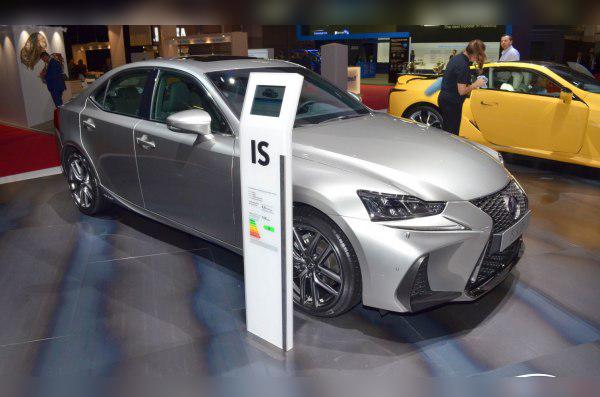
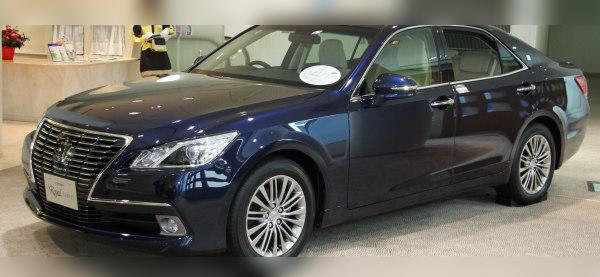
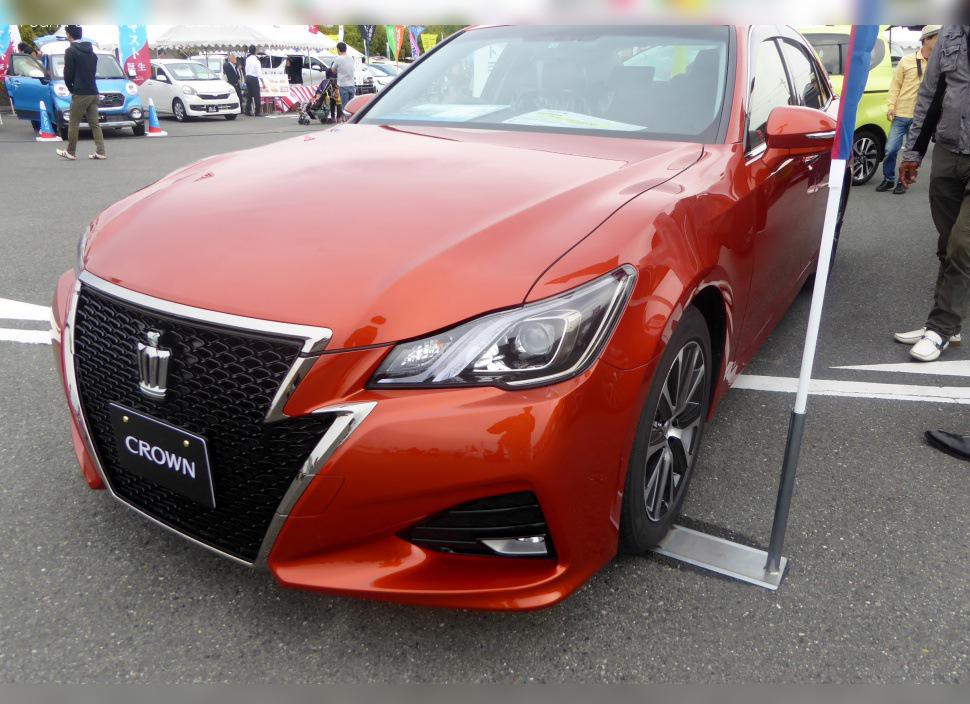
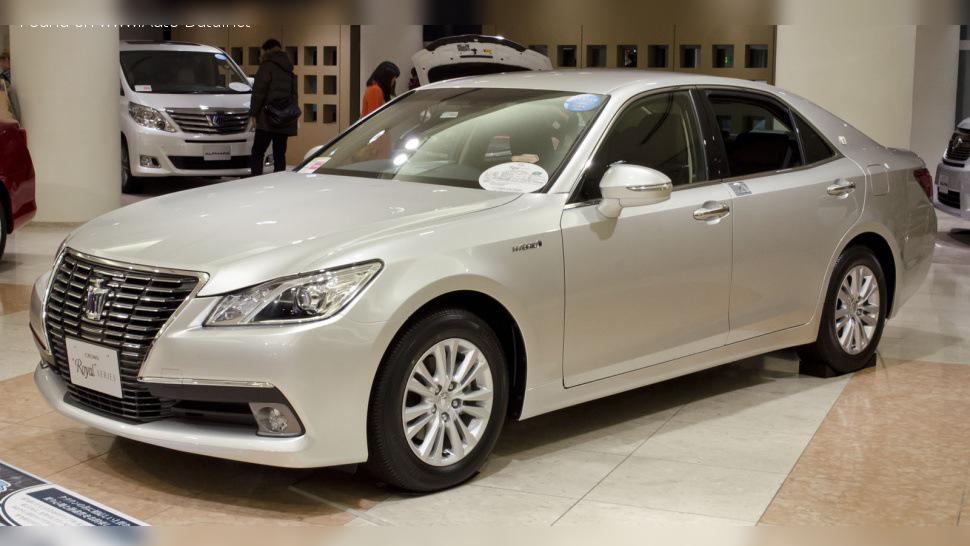
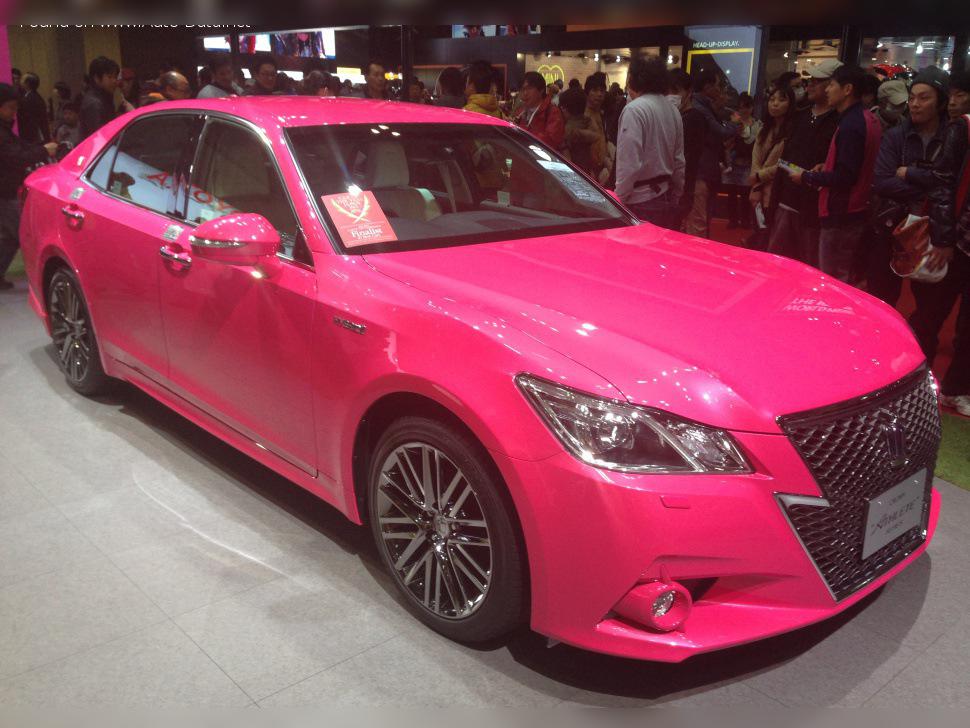
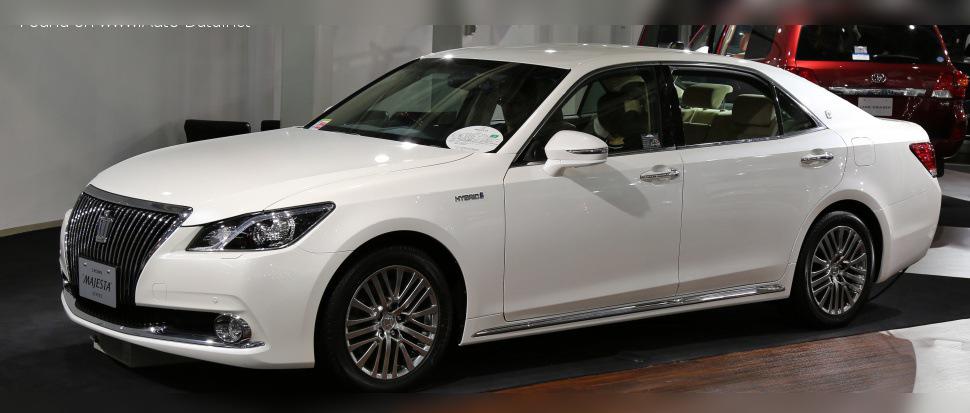
When you mention the code 2AR-FSE among car enthusiasts, the first associations are hybrid drive and uncompromising reliability. This 2.5-liter engine is the heart of many premium models, primarily the Lexus IS 300h and the legendary Toyota Crown (Royal, Athlete, Majesta) on overseas markets. It is a naturally aspirated four-cylinder engine operating on the Atkinson combustion cycle. On its own it produces 178 hp, but its true value lies in perfect synchronization with a powerful electric motor, delivering a total system output that ranges from 220 hp (Lexus IS) to over 320 hp combined on certain Toyota Crown versions.
As a technical editor, I’ve seen many “clever” solutions that turn into a nightmare for mechanics in real life. However, the 2AR-FSE is proof that Japanese engineering still knows how to build an engine capable of covering huge mileages without major repairs.
Technical specifications
| Specification | Data |
|---|---|
| Engine code | 2AR-FSE |
| Displacement | 2493 cc |
| Power (ICE only) | 131 kW (178 hp) |
| Torque | 221 Nm |
| Fuel type | Petrol (Gasoline) |
| Injection type | D-4S (Direct + Port injection) |
| Aspiration | Naturally aspirated |
Reliability and maintenance
If you’re looking for a powerplant that will spare you from frequent visits to your mechanic, you’re in the right place. The 2AR-FSE uses a massive timing chain for power transfer, not a belt. Forget about the classic “major timing service” every 100,000 km. On this engine, the chain usually outlives the car itself and is not replaced preventively. The first chain checks are done only after around 300,000 km, and replacement is needed only if the engine starts “rattling” on cold start – a sign of a stretched chain due to irregular oil changes.
When it comes to the most common failures, this engine is incredibly “boring”. It doesn’t suffer from problematic piston rings like some older Toyota engines. The only things that may require attention after 150,000 km are the water pump (which may start to weep coolant) and an oil leak from the timing cover (mostly a cosmetic issue, the repair is not expensive, depending on the market).
Oil and regular servicing
The engine takes about 4.4 liters of engine oil. Due to the Atkinson cycle and the hybrid system (where the engine starts and stops countless times during driving), the absolute recommendation is a thin, fully synthetic oil of grade 0W-20. Do not listen to “old-school mechanics” who advise switching to 10W-40 because the engine has “high mileage” – that will only kill the VVT-i (variable valve timing) system.
Does it burn oil? A healthy 2AR-FSE almost doesn’t consume any oil between changes (which should be every 10,000 to 15,000 km at most). Consumption of 100 to 300 ml from service to service is within normal tolerance. If it burns more than a liter, the problem is stuck piston rings due to neglected maintenance by a previous owner.
Since this is a petrol engine, the spark plug replacement interval is around 90,000 to 100,000 km, given that it uses only high-quality iridium plugs (the full set is moderately expensive, depending on the market).
Specific components and costs
With this engine, many of the things used-car buyers are usually afraid of simply – don’t exist.
- No turbocharger: This is a naturally aspirated unit, so there’s no need to worry about turbo overhauls, turbo cooling, or overboost issues.
- Injection system (D-4S): This is a brilliant solution. It combines port (indirect) and direct injection. At low revs, the port injectors work, which also wash carbon deposits off the intake valves, while at higher loads the direct injectors kick in for more power. Because of this, the 2AR-FSE does not suffer from carbon buildup on the valves, which is a plague of many modern petrol engines (e.g. VW TFSI or some BMW engines). The injectors themselves are extremely durable. You may hear a characteristic “ticking” at idle – this is the normal sound of the high-pressure pump and direct injectors, not a sign of failure.
- EGR valve: Although it’s a petrol engine, it has an EGR valve to improve efficiency and reduce emissions. It can clog up after 150,000–200,000 km of mostly city driving. Symptoms include rough idle, “hiccups” when you press the throttle, and a check engine light. Cleaning the EGR is not expensive (depends on the market).
- DPF filter and AdBlue: Since this is a petrol engine, it has neither a DPF filter nor an AdBlue system, freeing you from the huge potential costs that plague modern diesels.
Fuel consumption and performance
The combination of a 2.5-liter engine and the heavy body of a Lexus IS or Toyota Crown sounds like a recipe for huge fuel consumption, but that’s where hybrid magic comes in.
In city driving, where such sedans usually consume over 11 liters, the 2AR-FSE coupled with the hybrid system returns laughably low figures. Real-world consumption ranges from 5.5 to 6.5 l/100 km. The system recuperates energy during braking and uses it when setting off, when consumption is normally highest.
Is the engine “lazy” for this weight? On its own, the petrol engine with 221 Nm at 4800 rpm would indeed be lazy for a car weighing over 1.6 tons. However, the electric motor delivers maximum torque from 0 rpm. This means throttle response is instant. There is no “turbo lag”, the car pulls strongly and linearly. It’s not a sports car, but it is extremely smooth and adequately quick.
On the highway: At 130 km/h, the car cruises effortlessly. Thanks to the e-CVT transmission, revs depend solely on road gradient and wind. On level ground at 130 km/h, the engine spins at a very low, barely audible ~2000 rpm. Highway consumption is higher because the electric motor helps less, so you can expect a realistic 6.5 to 7.5 l/100 km.
Additional options and modifications (LPG and Remapping)
LPG conversion: Technically possible, but strongly not recommended. Due to the complex D-4S system (direct and port injection), a regular sequential LPG system is out of the question, as the direct injectors would burn out from lack of petrol that normally cools them. You would need an extremely expensive system that communicates with both injection systems, and the investment is very high (depends on the market) and hard to recoup, especially considering that this hybrid already consumes under 6.5 liters of petrol per 100 km in city driving.
Remapping (Stage 1): Remapping this engine is a waste of money. Since it is a naturally aspirated engine operating on the Atkinson cycle and controlled by a complex hybrid system ECU, a Stage 1 map would at best bring 10 to 15 hp on paper, which you won’t feel in real driving. The hybrid ECU is programmed for efficiency, not for street racing.
Transmission: The indestructible e-CVT
This powertrain is not offered with a manual gearbox, nor with classic “steptronic” automatic transmissions. It is paired exclusively with the e-CVT (Electronically controlled Continuously Variable Transmission). It’s important to stress: Toyota/Lexus e-CVT has absolutely nothing to do with traditional, problematic belt- or chain-driven CVT gearboxes from other brands (such as Audi Multitronic or Nissan X-Tronic).
Toyota’s e-CVT uses a planetary gearset (Power Split Device) and two electric motors (MG1 and MG2). Physically, this is one of the most robust and simplest transmissions in the world. There is no clutch, no gear engagement with harsh shocks.
- Transmission failures: They are almost non-existent. The gearbox shifts seamlessly and, if properly maintained, usually outlives the vehicle’s chassis.
- Dual-mass flywheel and clutch: This system has neither a dual-mass flywheel nor a conventional clutch. Therefore, the cost of replacing a clutch and dual-mass flywheel set (which on European rivals ranges from 800 to 1500 euros) on this car is exactly 0 euros. It only has a damper plate between the engine and transmission, which is very rarely replaced.
- Transmission maintenance: Although many authorized dealers claim that the transmission fluid is “lifetime”, real-world mechanic experience says otherwise. To keep the e-CVT immortal, you should replace the fluid (about 4 liters of Toyota ATF WS) every 60,000 to 90,000 kilometers. The procedure is simple (like draining and refilling engine oil) and not expensive (depends on the market).
Buying used and conclusion
Buying a Lexus IS 300h or a hybrid Toyota Crown with the 2AR-FSE engine is probably one of the safest used-car purchases in the D and E segments. Still, before you hand over your money, pay attention to the following details:
- Hybrid system diagnostics: The engine itself rarely causes problems, but before buying you must visit an authorized or specialized workshop to perform a “Hybrid Health Check” (high-voltage battery health check). If the battery is nearing the end of its service life (it usually lasts about 12–15 years or over 250,000 km), replacement or cell refurbishment is very expensive (depends on the market).
- Cold start: Insist that the engine be completely cold (not started that day). When you start it, open the bonnet and listen carefully for the first few seconds. If you hear a loud, metallic “rattling” from the front of the engine (timing area), this is a sign of a stretched chain or VVT-i cam gears losing oil pressure, which indicates neglected maintenance and extended oil change intervals. Only injector “ticking” is normal.
- Traces of red coolant (SLLC): Inspect the water pump with a flashlight. If you see dried pink/red traces of fluid around the pump pulley, the pump is due for replacement.
Who is this engine for?
The 2AR-FSE Hybrid is a perfect powerplant for taxi drivers, business users, family drivers and anyone who covers serious mileage, especially in mixed and city driving. It offers comfort, absolute silence, cheap routine maintenance without fear of turbo, dual-mass flywheel or DPF failures, with fuel consumption that puts modern diesels to shame.
Who is it not for? It’s not for fans of aggressive sporty driving (the e-CVT gearbox has a specific “scooter” effect where it holds high revs under full throttle) and not for drivers who exclusively cover long distances on German autobahns at 160+ km/h, because in that scenario the hybrid system loses its purpose and fuel consumption rises.