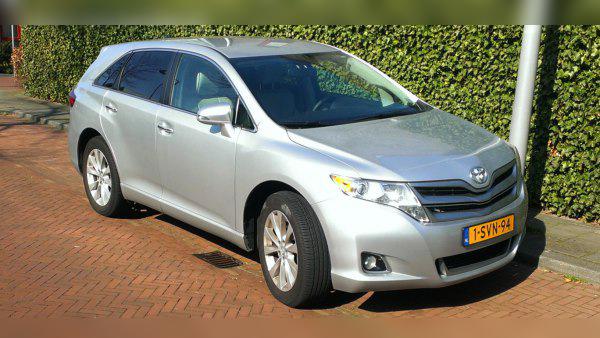
Toyota and Lexus 2GR-FE 3.5 V6: Ownership impressions, issues, fuel consumption and used-buying guide
Key points (TL;DR)
- Exceptional reliability: Considered one of the most durable V6 engines ever made.
- No expensive components: Naturally aspirated engine without a turbocharger, without a DPF filter and without a dual-mass flywheel.
- Timing chain: Uses a chain instead of a timing belt, which is very durable, but oil leaks from the timing cover are a known weak point.
- Ideal for LPG: Thanks to indirect (MPI) injection, it is very well suited for LPG conversion.
- Fuel consumption: Expect high fuel consumption in city driving, often above 13 l/100 km.
- Spark plug replacement: Requires removal of the intake manifold to access the rear bank of cylinders, which increases labor cost.
- Automatic transmission: Paired exclusively with reliable automatic gearboxes that require regular oil changes.
Contents
- Introduction: Engine overview
- Technical specifications
- Reliability, maintenance and failures
- Specific components and costs
- Fuel consumption and performance
- Extras, LPG and modifications
- Transmission and drivetrain
- Buying used and conclusion
Introduction: Engine overview
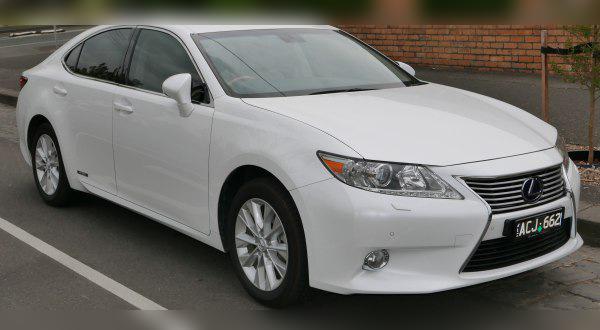
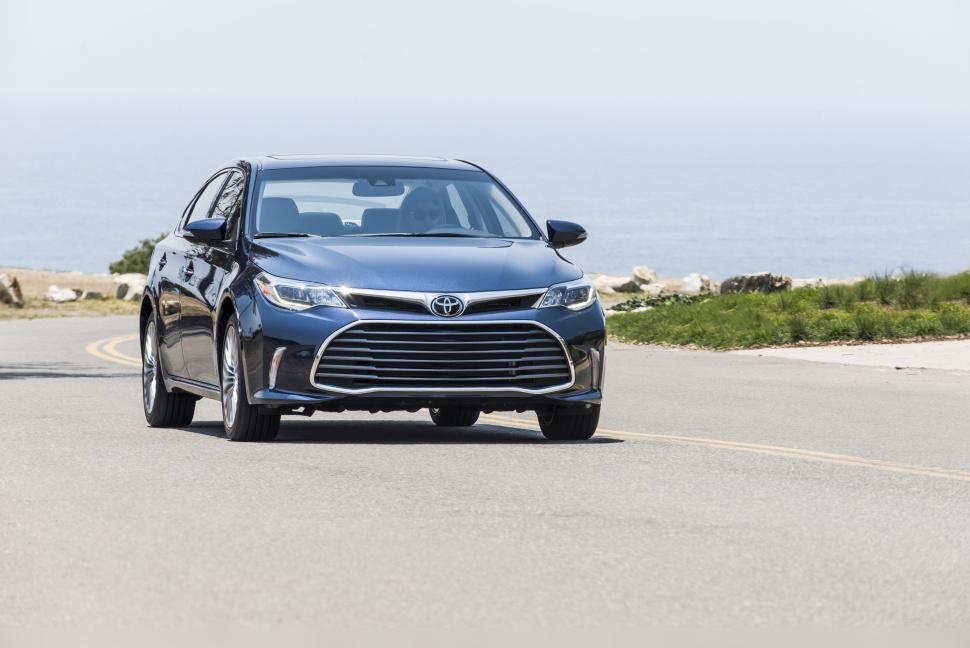
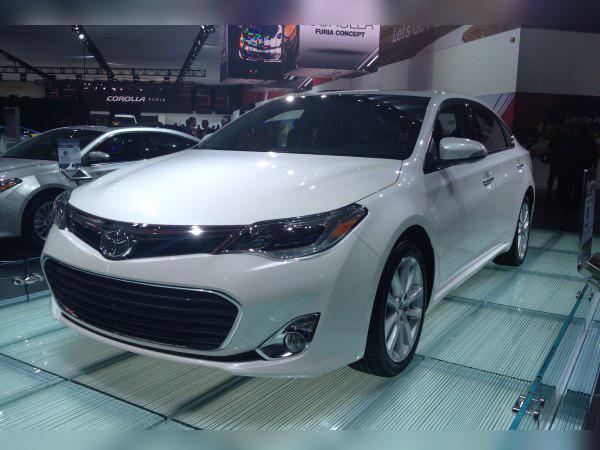
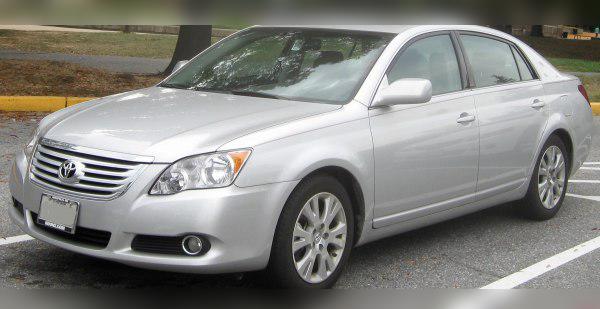
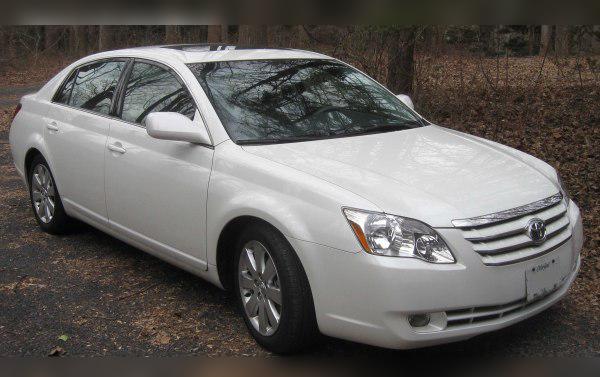
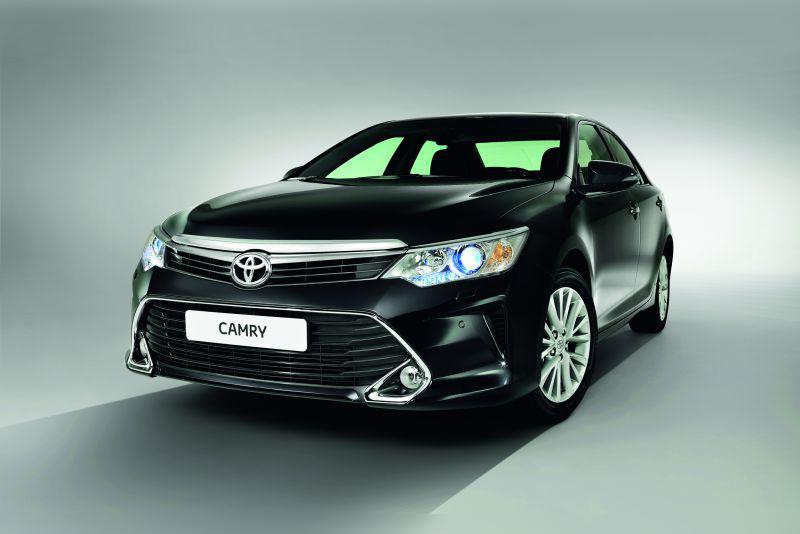
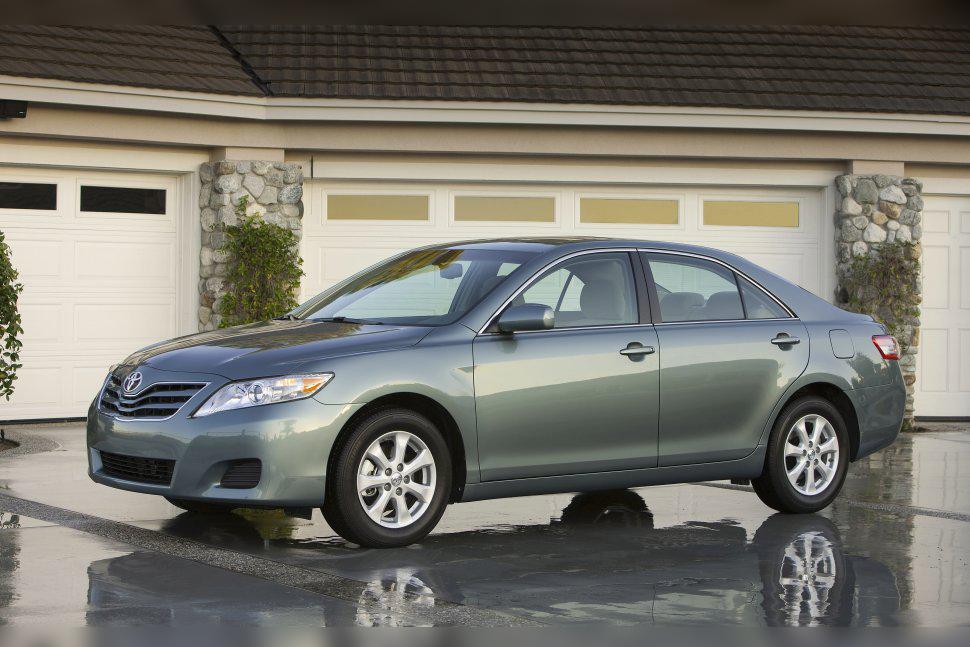
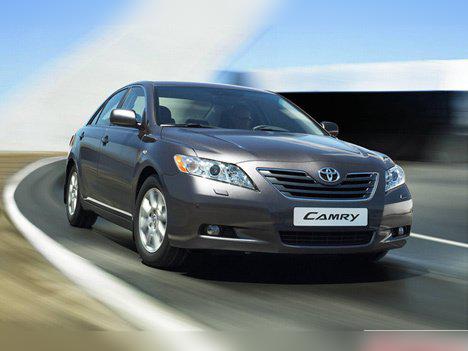
The 2GR-FE is a 3.5‑liter V6 petrol engine that has become a true legend in the automotive world. Designed for premium sedans and large crossovers, this engine was used for years in models such as the Lexus ES, Toyota Avalon, Toyota Camry and Toyota Venza. Its philosophy is simple: large displacement, no turbochargers and no overly complex injection systems, which results in silky-smooth operation, impressive power and outstanding longevity. For drivers who value reliability and linear acceleration, this V6 is one of the best choices on the used market.
Technical specifications
| Parameter | Specification |
|---|---|
| Engine code | 2GR-FE |
| Displacement | 3456 cc |
| Power | 197 kW (268 hp) |
| Torque | 334 Nm |
| Injection type | Indirect (Multi-Point Injection - MPI) |
| Induction system | Naturally aspirated |
| Timing drive | Chain (timing chain) |
Reliability, maintenance and failures
When it comes to the timing system, the 2GR-FE uses a timing chain, not a belt. The chain is extremely robust and rarely needs to be replaced before 250,000 to 300,000 km, provided that the oil is changed regularly. Because of this, there is no classic “major timing service” in the sense of replacing a belt and tensioners. However, at around 100,000 to 150,000 km, the serpentine (auxiliary) belt, idler pulleys, tensioner and water pump should be replaced.
Most common issues and weak points
This engine does not have many weak spots, but the ones it does have can be annoying. The first and best-known problem is oil leakage from the timing chain cover. Over time, the sealant loses its effectiveness, and the repair is expensive (depends on the market) because, due to the lack of space in the engine bay, the mechanic often has to lower the entire engine with the subframe in order to reseal the cover. The second issue, especially on models produced before 2010, is the oil feed hose for the VVT-i system. The original hose was rubber and tended to crack, which could lead to catastrophic oil loss while driving. Most of them have by now been replaced with an improved metal line, but this absolutely needs to be checked. In addition, the water pump is prone to leaking pink coolant at around 100,000 km, so it should be inspected regularly.
Oil and service intervals
The engine takes about 6.1 liters of oil (with filter change). For most European climate conditions, the recommended viscosity is 5W-30, although for newer production series the manufacturer also allows 0W-20 in order to reduce fuel consumption. Oil changes are recommended every 10,000 to 15,000 km. By design, the 2GR-FE is not a heavy oil burner. Consumption of 0.2 to 0.5 liters between services is considered completely normal, but if it uses significantly more, this usually points to worn valve stem seals or stuck oil control rings caused by irregular maintenance.
Spark plugs
Iridium spark plugs are replaced every 90,000 to 100,000 km. Servicing the front bank of cylinders is quick and easy, but to replace the three spark plugs on the rear bank (towards the firewall), the mechanic has to remove the intake manifold. This significantly increases labor time, so the cost of the job is higher (depends on the market).
Specific components and costs
One of the biggest advantages of this engine is what it does not have. It does not use a dual-mass flywheel; instead, it relies on a conventional torque converter inside the automatic transmission. The fuel system is usually standard indirect MPI injection (unlike the related 2GR-FSE engine, which has direct injection). The petrol injectors are extremely reliable, do not suffer from carbon buildup on the intake valves and almost never fail.
Also, as a classic naturally aspirated petrol engine, the 2GR-FE does not have a turbocharger, has no DPF filter, no complex EGR valves that clog with soot, and of course does not use AdBlue fluid. The absence of these components drastically reduces the potential cost of unexpected repairs, making it significantly cheaper to own than modern diesels of similar power, despite the higher fuel consumption.
Fuel consumption and performance
Performance is one of this engine’s trademarks. With 268 hp and 334 Nm of torque, the engine is never “lazy”. Even in heavy vehicles such as the Toyota Venza or a long sedan like the Avalon, acceleration is strong and in-gear acceleration for overtaking is safe and brisk. Throttle response is immediate thanks to the absence of turbo lag.
However, physics cannot be cheated. Real-world fuel consumption in city driving ranges between 13 and 16 l/100 km, especially in winter or heavy traffic. On the open road the situation is much better. The engine is fantastic for long-distance trips; thanks to well-chosen gear ratios, at 130 km/h on the motorway it cruises at a very low 2,200 to 2,400 rpm (depending on the specific model). Motorway consumption drops to a perfectly reasonable 8.5 to 10 l/100 km.
Extras, LPG and modifications
Because of the high fuel consumption in town, many owners consider installing LPG. The good news is that this engine is extremely suitable for LPG conversion. Since it uses MPI fuel injection through the intake ports, installing a sequential LPG system is straightforward and not very expensive (depends on the market). The engine runs on LPG without issues, and running costs become significantly lower. The only important thing is to install a quality system and have it properly mapped so that the “Check Engine” light does not come on.
As for “chipping” (Stage 1 remap), on this engine it is essentially a waste of money. Since this is a naturally aspirated engine, ECU software tuning can extract at most an additional 10 to 15 hp, which you will not really feel in everyday driving. Focus on regular maintenance rather than squeezing out extra power.
Transmission and drivetrain
On the European and global markets, in the models mentioned, the 2GR-FE engine is paired exclusively with automatic transmissions (mainly 6‑speed Aisin units with designations such as U660E). Manual gearboxes are not available in these sedans and crossovers.
As already mentioned, the system does not have a dual-mass flywheel or a conventional clutch, so there is no clutch kit replacement cost. The automatic transmission is generally extremely durable, provided it is properly maintained. The most common automatic transmission failures occur solely due to neglect. If the oil is never changed, metal particles accumulate and can damage the valve body or cause shuddering of the torque converter. Fixing issues with the torque converter or valve body is very expensive (depends on the market).
For the transmission to last as long as the engine, it is essential to service the gearbox and change the ATF (with filter) every 60,000 km.
Buying used and conclusion
When buying a used car with the 2GR-FE engine, pay attention to the following details: Perform a cold start. Listen carefully for any rattling noises from the timing chain area in the first few seconds. If you hear it, this indicates worn VVT-i cam gears or a stretched chain. Then check the right (passenger) side of the engine bay from underneath – look for traces of fresh oil that would indicate a leak from the timing cover. Shine a light around the water pump area and look for traces of dried pink coolant. Be sure to test-drive the car and check whether the automatic transmission shifts gears smoothly, without jolts when shifting from P to R or D.
Conclusion: Toyota and Lexus models with the 2GR-FE V6 engine are aimed at drivers who want absolute comfort, strong motorway performance and, above all, peace of mind without the fear of expensive failures so common with modern diesels. Although you will pay more at the fuel pump, you will save that money many times over on repair bills. Installing an LPG system turns this car into a perfect long-distance cruiser and a smart purchase on the used-car market.