Toyota 2GR-FKS 3.5 V6: Experiences, problems, fuel consumption and used-buying tips
- Excellent reliability: A classic naturally aspirated Toyota V6 engine, capable of huge mileage without major failures.
- No “major service” in the classic sense: Uses a heavy-duty timing chain that rarely causes problems.
- D-4S injection system: A combination of direct and port injection eliminates carbon buildup on the intake valves.
- High fuel consumption: In city driving expect figures above 15 l/100 km, especially in heavy vehicles.
- Gearbox characteristics: Automatic transmissions often “hesitate” and hunt for gears on the highway due to factory mapping.
- Complex LPG installation: Because of the D-4S system, LPG conversion is very expensive and requires specialized equipment.
- Oil leaks: The best-known weakness of this engine is the timing cover sealant failing, and the repair is very labor-intensive.
Contents
- Introduction: A workhorse in civilian clothes
- Technical specifications
- Reliability and maintenance
- Specific parts and costs
- Fuel consumption and performance
- Additional options and modifications
- Transmission and drivetrain
- Buying used and conclusion
Introduction: A workhorse in civilian clothes
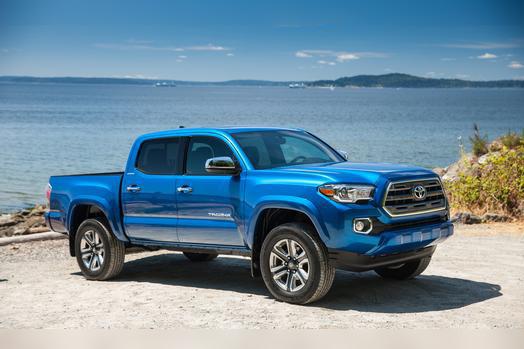
When robustness and longevity are mentioned in the world of pickup trucks and large SUVs, Toyota’s 2GR-FKS 3.5-liter engine sits at the very top. This naturally aspirated V6 is a direct successor to the famous 2GR-FE engine and was mostly installed in heavy vehicles such as the Toyota Tacoma III (including the 2020 facelift) in various body styles (Double Cab, Access Cab, with RWD or 4WD). It is an extremely refined unit that combines the Atkinson and Otto cycles in order to extract a solid 278 hp from 3.5 liters of displacement, while trying to keep fuel consumption within reason.
Technical specifications
| Displacement | 3456 cc (3.5L) |
| Power | 207 kW (278 hp) at 6000 rpm |
| Torque | 360 Nm at 4600 rpm |
| Engine code | 2GR-FKS |
| Injection type | D-4S (Direct + Port injection) |
| Aspiration | Naturally aspirated |
| Fuel | Petrol (gasoline) |
Reliability and maintenance
Timing belt or chain?
This engine uses a heavy-duty timing chain instead of a belt. The chain is of excellent quality and, with regular oil changes, does not require replacement. Because of this, there is no classic “major service” at a fixed mileage. The condition of the chain, tensioners and guides is usually checked preventively via diagnostics and visually only after 250,000 to 300,000 km.
Most common failures: causes and symptoms
The 2GR-FKS is generally a tank of an engine, but it does have a few specific quirks:
- Timing cover oil leak: This is the best-known issue of the entire GR engine family. The factory sealant (silicone) gradually fails due to heat cycles. The driver will notice oil wetness at the front of the engine or oil drops on the skid plate under the engine. The sealant itself is cheap, but the repair is very expensive (depends on market) because it requires engine removal or serious disassembly of the front end.
- VVT-i rattle on cold start: On the first start in the morning you may hear a sharp metallic rattle that lasts a second or two. The cause is delayed oil pressure in the variable cam phasers. Although it sounds scary, it usually doesn’t affect engine longevity, but if the noise becomes prolonged, the VVT-i gears need to be replaced.
- Water pump failures: Due to harsh operating conditions, the water pump can start leaking coolant. Symptoms include a drop in coolant level, pink/red dried coolant traces around the pulley and a slight whining noise from the pump bearing. Replacement is not complicated and is considered part of regular maintenance.
Engine oil and service intervals
The engine takes about 6.2 liters of oil (with filter). Toyota strictly recommends 0W-20 grade. This thin oil is crucial for proper operation of the VVT-i system and for protection during cold starts. Oil changes are recommended every 10,000 to 15,000 km, depending on driving conditions.
Oil consumption
Unlike some European petrol engines that burn a liter of oil every few thousand kilometers, the 2GR-FKS is very well sealed. Oil consumption between services is negligible on a healthy engine. A loss of 0.3 to 0.5 liters per 10,000 km on higher-mileage vehicles is considered completely normal and does not require topping up if the dipstick level was near maximum after the oil change.
Spark plugs
Since this is a petrol engine, it uses high-quality iridium spark plugs. Their service life is quite long and they are replaced every 90,000 to 120,000 km. Replacement on the rear bank of cylinders (closer to the cabin) is quite inaccessible, and mechanics will charge more labor for this job.
Specific parts and costs
Dual-mass flywheel
On versions with an automatic transmission (which are the most common), this engine does not have a dual-mass flywheel, but uses a classic torque converter, which reduces maintenance costs. However, if you find the rarer Tacoma version with a manual gearbox, it has a heavy-duty flywheel designed for towing. Replacing the complete clutch kit on the manual is expensive (depends on market).
Fuel injection system: D-4S technology
This is a masterpiece of Toyota engineering. The engine uses the D-4S system (Direct-injection 4-stroke Superior), which has both direct injectors (in the cylinder) and port injectors (in the intake manifold). Why does this matter? Because the port injectors wash the intake valves with fuel, completely eliminating the carbon buildup that plagues modern engines with only direct injection. The system produces a characteristic “ticking” noise at idle that almost sounds like a diesel – this is the normal sound of the high-pressure pump and direct injectors. The injectors are extremely durable and rarely fail.
Turbo, DPF, EGR, AdBlue
As a classic large-displacement naturally aspirated petrol engine, the 2GR-FKS has no turbocharger (nor two of them). A part that doesn’t exist can’t fail. It also does not have a DPF filter or AdBlue system, which makes it immune to the most expensive failures that plague modern diesels. It does have an EGR valve for exhaust gas recirculation, but thanks to clean combustion and the D-4S system, it very rarely clogs.
Fuel consumption and performance
Real-world fuel consumption
This is not an engine for those who want to save on fuel. It is installed in heavy and aerodynamically inefficient vehicles (such as pickups). Real-world consumption in city driving is between 14 and 17 l/100 km. On the open road at moderate speeds it can drop to 10–12 l/100 km, but a heavy right foot will easily push the average up.
Is the engine “lazy”?
This is a common complaint from drivers. Although it has 278 hp on paper, the engine operates in a combined Atkinson/Otto cycle for efficiency. The maximum 360 Nm of torque is available only at a high 4600 rpm. In practice, at low revs and in city driving, the engine can feel quite lazy and sluggish for a vehicle weighing over two tons. To extract real power from it, you have to rev it high, at which point it becomes very loud and aggressive.
Highway driving
On the highway, a Tacoma with this engine cruises comfortably. At 130 km/h in sixth gear with the automatic transmission, the engine spins at a relaxed 2200 to 2400 rpm. However, due to poor aerodynamics, there is increased wind noise at these speeds and fuel consumption rises sharply.
Additional options and modifications
LPG conversion
If you are planning to buy this engine just to install LPG and drive cheaply – think again. Because of the complex D-4S system with two sets of injectors, LPG conversion is extremely complicated and very expensive (depends on market). Advanced LPG systems are required that can communicate with both types of injection. Many installers refuse to do LPG on these engines, and a poor installation can destroy the high-pressure pump and cause the “Check Engine” light to come on constantly.
Remapping (Stage 1 tuning)
Since this is a naturally aspirated engine, a classic Stage 1 remap does not bring huge gains. You can safely get an extra 15 to 20 hp and around ten Nm of torque. However, many owners remap the ECU not for outright power, but to improve throttle response and address the “laziness” at low revs, which makes driving much more pleasant.
Transmission and drivetrain
Types of transmissions
The vast majority of vehicles with the 2GR-FKS engine come paired with a 6-speed automatic transmission (ECT-i, model AC60). It can more rarely be found with a robust 6-speed manual gearbox, mostly in certain Tacoma trim levels.
Transmission issues: the famous “gear hunting”
The automatic transmission is mechanically almost indestructible, but it has a serious software flaw that annoys drivers: the so-called gear hunting. When driving on cruise control on the highway, at the slightest incline or stronger headwind, the transmission will constantly and unnecessarily shift from sixth to fifth, sometimes even to fourth, and then quickly back up. This creates noise in the cabin and a jerky feel. The most effective way to solve this problem is with an aftermarket transmission software tune. The manual gearboxes don’t have reliability issues, but the shift feel is “truck-like”, heavy and requires a firm hand.
Transmission service
Toyota often advertises it as a sealed transmission with “lifetime” fluid. From a mechanical standpoint – there is no such thing. The oil in the automatic transmission, together with the filter (the pan is removed), should be changed every 60,000 to 80,000 km if you want the transmission to run for over half a million kilometers without shuddering.
Buying used and conclusion
What to look out for when buying?
When buying a used car with the 2GR-FKS engine, don’t let the seller convince you that the “ticking” means the engine is bad (it’s the normal sound of the D-4S pump). Still, make sure you do the following:
- Cold start: Insist that the car be completely cold. Start it and listen for chain or VVT-i gear rattle that lasts longer than two seconds.
- Inspection from underneath: Remove the skid plate and carefully inspect the joint between the front timing cover and the engine block. If it is oily, the repair will be extremely expensive (depends on market).
- Highway test drive: Check how the automatic shifts around 100–120 km/h. Slight shudders when you press the accelerator can indicate old transmission fluid or a worn torque converter.
- 4WD system check: If you are buying a 4WD version (and most of them are), engage low range and check whether the engagement is smooth and without strong knocks in the drivetrain.
Who is this engine for?
The Toyota 2GR-FKS 3.5 V6 is a fantastic engine for a very specific target group. If you are looking for an economical city SUV, steer clear – fuel costs will destroy your budget. However, if you want an old-school workhorse, a vehicle for towing heavy trailers, off-road adventures and an engine that will run for decades without complaint in harsh conditions, this is one of the most reliable V6 units on the market. The absence of a turbo and advanced exhaust after-treatment systems makes it more cost-effective in the long run than any modern diesel, despite its higher fuel consumption at the pump.