2GR-FKS 3.5 V6 Engine: Ownership Impressions, Problems, Fuel Consumption and Used-Buying Tips
- Excellent reliability: One of the longest-lasting naturally aspirated V6 engines on the market, with no notable factory defects.
- No typical headaches: No turbocharger, no DPF filter, no AdBlue system – fewer parts, fewer potential failures.
- D-4S injection: A combination of direct and port injection solves the issue of carbon buildup on intake valves.
- City fuel consumption: Not a frugal engine; in city driving it easily exceeds 13 liters per 100 km.
- Expensive LPG conversion: Due to the specific injection system, LPG installation is technically demanding and a very costly option.
- Maintenance: Requires regular changes of high-quality oil (0W-20) and automatic transmission servicing in order to cover hundreds of thousands of kilometers.
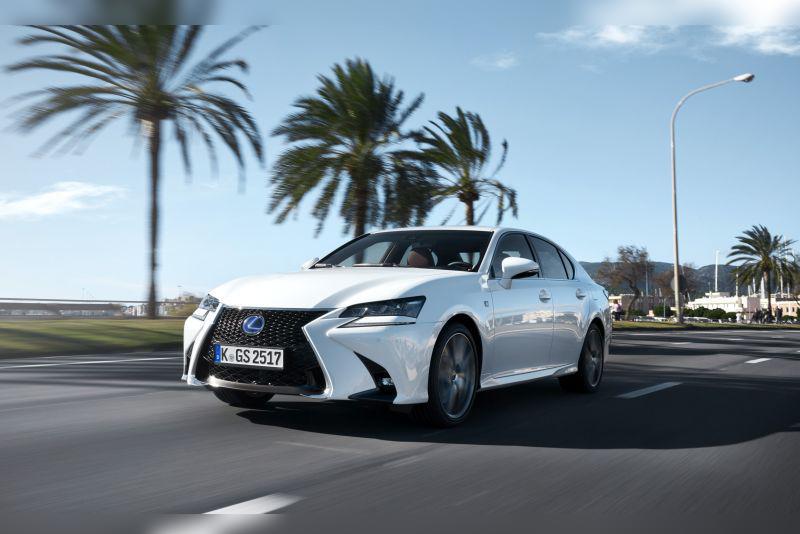
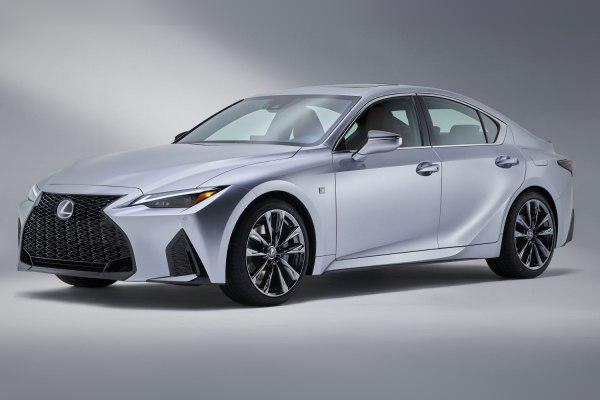
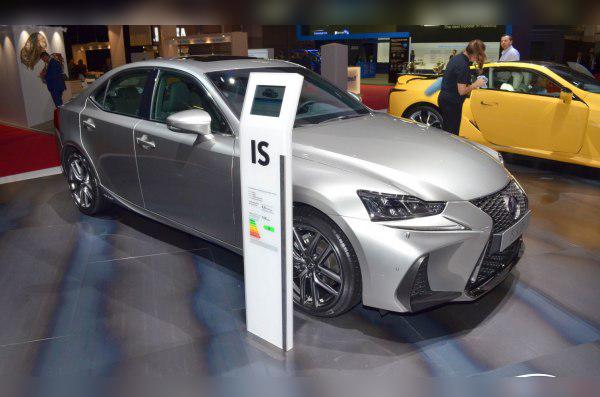
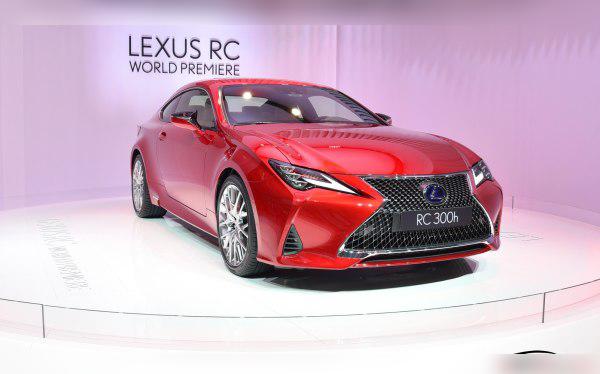
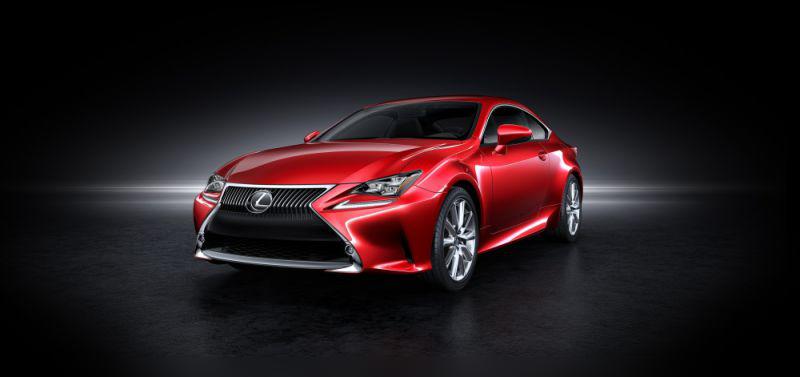
When it comes to top-tier engineering, Toyota’s and Lexus’ GR engine family is a true monument to traditional mechanics. The 2GR-FKS is a 3.5‑liter naturally aspirated V6 that represents an evolution of the older FSE and FE variants. It was primarily installed in premium Lexus models such as the GS IV, IS III and RC (especially in the facelift versions).
This powerplant delivers an impressive 311 hp (232 kW). What sets it apart in a sea of modern downsized turbo engines is its ability to operate in the Atkinson cycle under low loads (for fuel savings), and then switch to the classic Otto cycle under heavier throttle to provide maximum performance. This is an engine for enthusiasts who appreciate linear power delivery, cabin quietness and absolute reliability.
Technical Specifications
| Engine displacement | 3458 cc |
|---|---|
| Engine power | 232 kW (311 hp) |
| Torque | 380 Nm |
| Engine code | 2GR-FKS |
| Injection type | D-4S (Direct and port injection) |
| Aspiration | Naturally aspirated engine |
Reliability and Maintenance
Timing system: Chain or belt?
The 2GR-FKS uses a timing chain. Unlike some German competitors where the chain is a wear item, Toyota’s timing setup is overengineered. Chain failure is practically unheard of here. The chain usually lasts as long as the engine itself (often over 300,000 km without replacement), provided the oil is changed on time.
Most common issues and major service
This is an extremely reliable engine, but it is not completely immune to material aging. Some of the most common, albeit rare, issues include coolant leaks from the water pump. Symptoms are pink or red antifreeze traces around the pump pulley and a drop in coolant level in the expansion tank. Water pump replacement ranges from not expensive to expensive (depending on the market). In addition, there may be slight oil sweating at the timing cover, which is more of a cosmetic than a mechanical problem, but resealing it is labor-intensive. The “ticking” noise that drivers often hear at idle is not a fault, but the characteristic sound of the high-pressure pump for direct injection.
Since the engine uses a chain, there is no classic “major timing service”. Maintenance comes down to checking the condition of the accessory belt and its tensioners, as well as preventive replacement of the aforementioned water pump at around 150,000 km.
Engine oil and oil consumption
The system takes between 6.1 and 6.4 liters of engine oil (depending on whether it is an AWD or RWD model due to the shape of the oil pan). The manufacturer strictly recommends full synthetic oil of grade 0W-20. This thin grade is necessary due to narrow oil passages and the complex Dual VVT-iW variable valve timing system.
As for oil consumption between services (recommended every 10,000 to 15,000 km), this engine should not consume oil to any significant extent. Consumption of 100–200 grams per 10,000 km is completely normal. If the engine uses a liter of oil or more, that is a sign of neglect (stuck oil control rings due to infrequent oil changes).
Spark plugs
Since this is a highly efficient gasoline engine, it uses iridium spark plugs. Spark plug replacement is done every 90,000 to 100,000 km. Although that sounds like a long interval, the plugs themselves are very durable. Replacing the rear three plugs on the firewall side of the V6 requires removal of the intake manifold, so labor costs are higher.
Specific Components and Costs
Dual-mass flywheel and clutch
As this engine was paired exclusively with automatic transmissions with a torque converter, it does not have a conventional dual-mass flywheel or a clutch kit that wears out. In other words, the expensive flywheel replacements that are a nightmare on diesels are not an issue here.
Injection system (D-4S)
One of the biggest advantages of this engine is the D-4S injection system. The engine uses two injectors per cylinder (12 injectors in total). One injector is for direct injection into the cylinder, and the other is for port injection into the intake manifold. In practice, the ECU blends these two systems depending on engine speed. The most important consequence is that fuel from the port injectors washes deposits off the intake valves, so this engine does not suffer from carbon buildup that chronically plagues engines with exclusively direct injection. The injectors themselves are extremely reliable and very rarely fail.
Turbo, DPF, AdBlue and EGR
The answer is short: It has none of them. The 2GR-FKS is a naturally aspirated gasoline engine, which means there are no turbochargers whose lifespan you need to worry about. Since it is not a diesel, it has no DPF filter and does not use AdBlue. The engine does have an EGR (Exhaust Gas Recirculation) system for emissions, but on this gasoline engine it rarely gets dirty and does not cause the headaches typical of diesel engines.
Fuel Consumption and Performance
City driving and consumption
With 3.5 liters of displacement and six cylinders, physics cannot be cheated. Real-world consumption in stop‑and‑go city traffic is 12 to 15 l/100 km. If the car is equipped with AWD, expect to be at the upper end of that range.
Performance: Is the engine “lazy”?
With 311 hp and 380 Nm of torque, the engine is anything but lazy, even in heavier bodies such as the Lexus GS (which weighs over 1.7 tons). However, the driving feel is different from a turbo engine. There is no sudden low‑rpm “kick” of torque. To feel the full power, the engine likes and demands higher revs. Throttle response is immediate, and the V6 sound above 4,000 rpm is fantastic.
On the highway
On the open road, this engine is a cruising king. Thanks to excellent 8‑speed automatic transmissions, at 130 km/h the engine “sleeps” at about 2,000 to 2,200 rpm (depending on the final drive ratio and differential). As a result, the cabin is eerily quiet, and highway fuel consumption can drop to a very reasonable 7.5 to 9 l/100 km.
Additional Options and Modifications
LPG conversion
Although LPG conversion on naturally aspirated engines may seem tempting, for the 2GR-FKS it is not recommended and not financially viable. Due to the D-4S system (12 injectors and the combination of direct/port injection), a conventional LPG kit cannot function properly. Expensive systems specifically mapped for this engine are required, and they must constantly inject a certain percentage of gasoline to cool the direct injectors located in the combustion chamber. Installation cost is very high (depending on the market), and the risk of a lean mixture and valve damage is significant.
ECU remap (Stage 1)
Since the engine has no turbocharger, software optimization (chip tuning / Stage 1) yields negligible results. At best you can gain 10 to 15 hp and a barely noticeable improvement in throttle response. Investing in tuning this engine is essentially throwing money away.
Transmissions
Types of transmissions and failures
The 2GR-FKS was never offered with a manual gearbox. Depending on the model (IS, GS, RC) and drivetrain layout, the following automatic transmissions from Japanese manufacturer Aisin were used:
- 8-speed Direct-Shift (Sport Direct Shift): Mostly fitted to rear‑wheel‑drive (RWD) models. It shifts extremely quickly and has a torque converter lock‑up function that provides a sporty, connected feel.
- 6-speed automatic (ECT): Mostly used in earlier all‑wheel‑drive (AWD) models (before the 8‑speed was adapted for AWD platforms). It is somewhat slower, but equally bulletproof.
The most common failures? In practice, there are none, provided the transmission has not been abused with constant launches or overheated. They do not have conventional clutches that require expensive repairs.
Transmission maintenance
Although some authorized dealers will tell you that the transmission fluid is “lifetime”, any experienced technician will tell you that this is not true. For long and reliable operation, it is necessary to change the transmission fluid and filter every 60,000 to 80,000 km. Ignoring this service at high mileage leads to harsher shifts and failure of solenoids (valve body).
Buying Used and Conclusion
What to check before buying?
When looking at a Lexus with the 2GR-FKS engine, check the following:
- Cold start: Start a completely cold engine. If you hear a loud metallic rattle for the first few seconds, the issue is with the VVT-i cam gears or a slack chain (rare, but it happens on neglected examples).
- Water pump and front of the engine: Pay attention to any traces of coolant. Inspect the mating line between the engine block and the timing cover – if oil is seeping there, a costly reseal is coming.
- Transmission condition: During a test drive, shifting into D and R from a standstill must be smooth, without strong jolts. Driving at low revs should be free of any vibrations coming from the transmission.
- Service history: The most important item. The engine must have proof of regular services every 10–15k km. If the oil was changed every 30,000 km according to Western “long‑life” standards, its lifespan has been shortened.
Who is this engine for?
The 2GR-FKS is a masterpiece for buyers who prioritize peace of mind, reliability and refinement. It is not for street racers looking for cheap “tuning”, nor for people who drive only short city trips expecting 6 l/100 km. It is aimed at drivers who value the smoothness of a powerful gasoline engine, excellent sound at high revs, and mechanicals that will not let you down even after half a million kilometers.