2GR-FSE 3.5 V6 Engine: Experiences, Problems, Fuel Consumption and Used Car Buying Tips
- Extremely reliable naturally aspirated V6 engine without a turbocharger.
- Uses an advanced D-4S dual injection system that prevents carbon buildup on the valves.
- Equipped with a timing chain that rarely needs replacement before 300,000 km.
- Paired exclusively with reliable automatic transmissions, with no fragile dual-mass flywheel.
- The main drawbacks are potential water pump leaks and noise from the VVT-i cam gears on cold start.
- City fuel consumption is high, and LPG (autogas) conversion is not recommended and is very expensive.
Contents
- Introduction: A masterpiece of Japanese engineering
- Technical specifications
- Reliability and maintenance
- Specific components and injection system
- Fuel consumption and performance
- Additional options, LPG and remapping
- Transmissions and power delivery
- Used car buying tips and conclusion
Introduction: A masterpiece of Japanese engineering
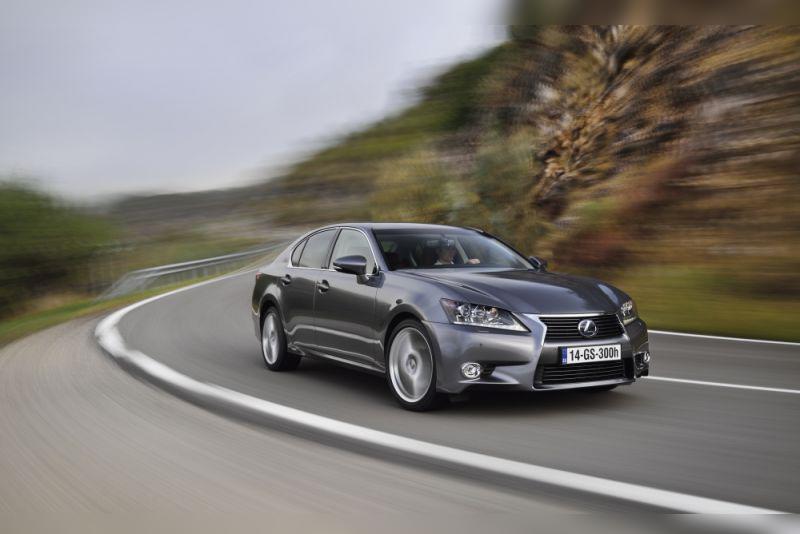
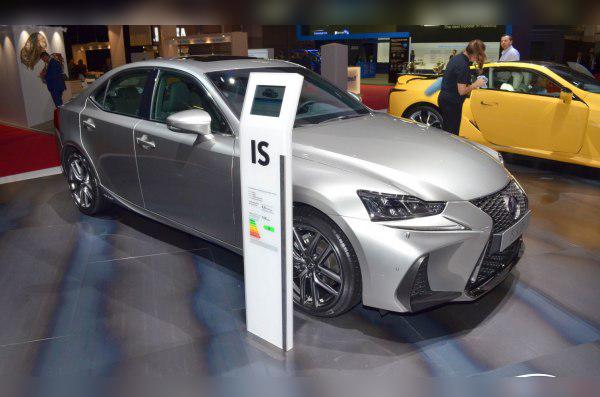
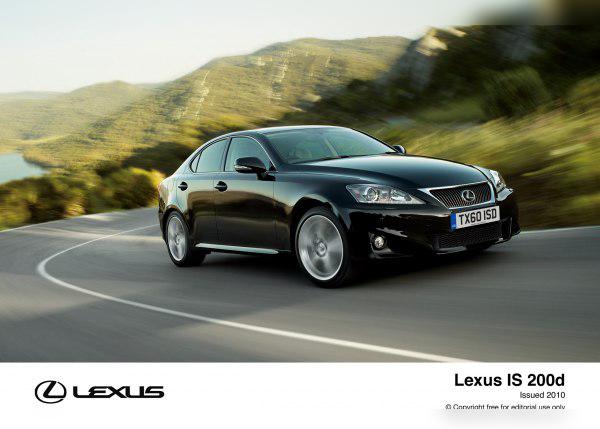
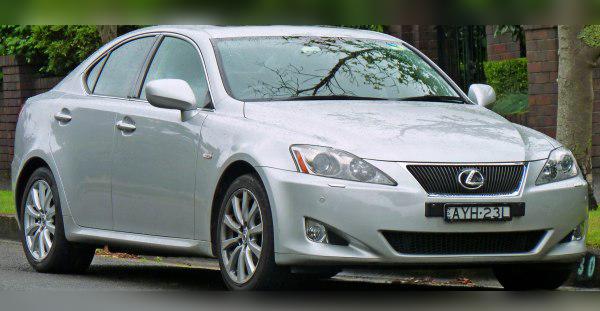
When it comes to premium sedans with rear-wheel drive or all-wheel drive, the 2GR-FSE engine is one of the crown jewels in the Lexus lineup. This 3.5-liter V6 powerplant found its place in models such as the Lexus GS IV 350 and various generations of the Lexus IS (IS II and IS III). Unlike modern European rivals that turned early to downsizing and turbochargers, the Japanese here applied the philosophy of large displacement and natural aspiration. The result is extremely linear power delivery, longevity, and an exhaust note that puts a smile on your face. However, owning such an engine also comes with specific maintenance and registration costs.
Technical specifications
| Engine displacement | 3456 cc (3.5 L) |
| Engine power | 225 kW (306 hp) |
| Torque | 376 Nm |
| Engine code | 2GR-FSE |
| Injection type | D-4S (Combination of direct and port injection) |
| Induction type (Turbo/Naturally aspirated) | Naturally aspirated |
Reliability and maintenance
Chain instead of belt
This engine uses a timing chain rather than a timing belt to drive the camshafts. Japanese engineers designed this assembly to be very robust, so the traditional “major service” in the sense of a scheduled timing replacement does not exist at a fixed mileage. The chain is usually inspected after around 250,000 km and replaced only if diagnostics show timing deviations or if rattling can be heard from the timing cover. Replacing the chain is an expensive repair (depends on the market) because it requires many labor hours, but it is rarely needed.
Oil and regular servicing
The oil sump holds about 6.3 liters of oil including the filter. High-quality fully synthetic oil with a viscosity of 5W-30 is recommended, although for colder climates Lexus also allows 0W-20 for easier starting and better fuel economy. Oil consumption between services is negligible on healthy engines. Still, it is normal for older units to consume up to 0.5 liters per 1,000 km if driven frequently at high revs. If the engine consumes excessive oil, the problem often lies in a clogged PCV valve (positive crankcase ventilation valve), whose replacement is inexpensive (depends on the market), rather than in worn piston rings.
Spark plugs and minor faults
Since this is a conventional gasoline engine, ignition coils and spark plugs are crucial for smooth operation. High-quality iridium spark plugs are used, and the replacement interval is usually between 90,000 km and 100,000 km. Although the engine is mounted longitudinally in Lexus sedans, access to the rear spark plugs requires removal of certain intake components, which slightly increases labor cost.
The most commonly reported issue on this engine is water pump leakage. The pump usually starts showing signs of weakness between 100,000 and 150,000 km, visible as traces of pink coolant on the engine block and pulleys. There is also an occasional rattling noise from the VVT-i cam gears on cold start. If the rattle lasts less than 2 seconds, it is generally considered a normal operating characteristic, but if it continues longer, replacement of the variable valve timing actuators will be necessary, which is expensive (depends on the market).
Specific components and injection system
D-4S system: A smart solution against carbon buildup
One of the biggest problems of modern direct-injection engines (GDI, TSI) is carbon buildup on the intake valves, because fuel no longer washes them. Toyota/Lexus implemented the brilliant D-4S dual injection system on the 2GR-FSE engine. The engine has two injectors per cylinder (12 in total) – one directly in the combustion chamber and one in the intake manifold. At low loads, the manifold injectors operate, allowing the fuel to wash the valves and keep them clean, while under full throttle the direct injectors are activated for maximum power. The injectors are extremely reliable; the only symptom the driver may notice is a loud “clicking” at idle, which is a completely normal sound for the D-4S system in operation.
Turbo, DPF, EGR and flywheel
Great news for used car buyers: this engine has no turbocharger (or two)! Forget about worries over failing turbos and costly rebuilds. Also, as a gasoline engine, it has no DPF filter and no problematic systems such as AdBlue. There is an EGR valve, but thanks to dual injection and clean combustion, it rarely causes headaches. The system is easy to clean if the “Check Engine” light occasionally appears due to reduced flow.
Fuel consumption and performance
Performance and acceleration
Is 306 hp “lazy” in the heavy bodies of the Lexus GS or IS? Absolutely not. The engine pulls linearly and strongly right from the start. The 376 Nm of torque does not “kick you in the back” suddenly like modern turbo diesels; instead, it builds up steadily all the way to the redline. The V6 sound above 4,000 rpm is fantastic and creates the feel of a true sports sedan.
How much fuel does it use?
This is the aspect you must be prepared for. In strict city driving, in heavy traffic (stop-and-go), real-world consumption is between 13 and 16 l/100 km. This is the price you pay for the large displacement and weight of the car, especially if it is an AWD (All-Wheel Drive) version. However, on the highway the 2GR-FSE is an excellent cruiser. At 130 km/h, thanks to well-matched automatic transmissions, the engine spins at a low 2,000 to 2,300 rpm. In this regime, fuel consumption drops to a very acceptable 8 to 10 l/100 km.
Additional options, LPG and remapping
LPG (autogas) conversion
If you are buying a 2GR-FSE with the idea of installing an LPG system to reduce high fuel costs in the city – forget it. Due to the aforementioned complex D-4S system with two sets of injectors, LPG installation is technically extremely demanding, very expensive (depends on the market), and only a small number of specialists know how to configure it properly. The conversion often brings more problems (jerking, incorrect injection maps) than savings.
ECU remap (Stage 1)
Since this is a naturally aspirated engine, a so-called ECU remap (software optimization) does not make sense. Unlike turbo engines, where a remap can easily give you 40–50 hp at the press of a button, on the 2GR-FSE a Stage 1 tune brings barely 10 to 15 hp, which is completely unnoticeable in real driving and a waste of money.
Transmissions and power delivery
This powerplant is paired exclusively with automatic transmissions; there is no manual option in these cars. Fortunately for owners, this also means there is no fragile dual-mass flywheel. Power transfer between the engine and gearbox is handled by a hydraulic torque converter (so-called “wandler”), which is almost indestructible.
Types of transmissions
Depending on the generation and drivetrain (RWD or AWD), this engine is mated to robust Aisin automatic transmissions:
- 6-speed ECT-i: Most common in older models (IS II) and AWD versions of newer models. Slightly slower, but legendary in terms of reliability.
- 8-speed Direct Shift (SPDS): Installed in newer RWD models (IS III, GS IV). This gearbox is fantastic, sharing its architecture with the one in the IS F sports model, shifts extremely quickly and significantly reduces highway fuel consumption.
Transmission maintenance
Although the official specifications often state that the transmission fluid is “lifetime fill”, any experienced mechanic will tell you that this is not true. To avoid costly failures such as jerking when shifting gears or slipping of the clutch packs inside the transmission, the oil and filter in the automatic gearbox must be changed every 60,000 to 80,000 km. Failures of these transmissions are extremely rare and occur only due to neglecting fluid changes.
Used car buying tips and conclusion
What to check before buying?
When looking at a used Lexus with the 2GR-FSE engine, always insist that the engine at the dealer’s lot or seller’s place be completely cold. During the first start, listen carefully to the front of the engine. If you hear metallic rattling similar to a chain that lasts longer than 2–3 seconds, be aware that the VVT-i cam gears or hydraulic chain tensioners are due for replacement. Also, lift the car on a hoist (or remove the underbody covers) and look for pink traces of dried coolant around the pulleys – this is a sure sign that the water pump is leaking and must be replaced.
During the test drive, pay attention to the gearbox. Gear changes must be smooth and almost imperceptible. Any jerk when shifting from “P” to “D” or “R” indicates worn-out oil or issues with the rubber mounts (bushings) on the driveshaft and differential.
Who is this engine for?
The 2GR-FSE 3.5 V6 engine is made for enthusiasts who seek uncompromising reliability of Japanese engineering, refined operation and linear performance, and who are not put off by fuel consumption and higher registration costs. This is a powerplant that, with regular servicing, oil changes and water pump replacement, will easily cover more than half a million kilometers. It is not intended for short urban trips, but if you are looking for the ultimate long-distance cruiser and a serious sedan that is free from the small, frustrating issues of European competitors, this V6 is one of the best choices on the used car market.