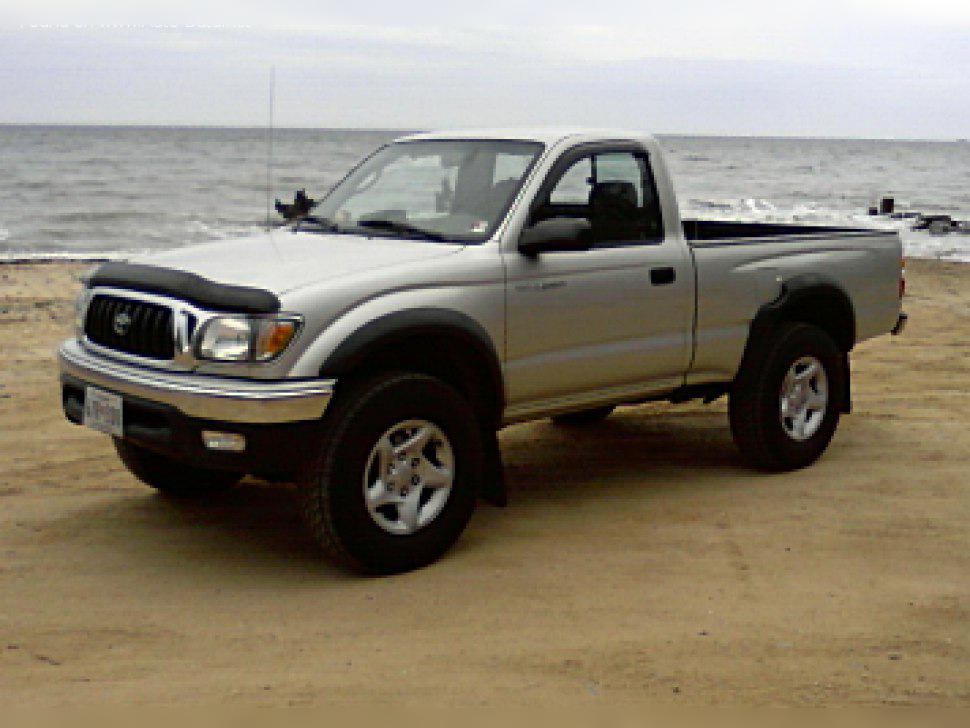
Toyota 3RZ-FE 2.7 (150 hp): Owner Experiences, Common Issues, Fuel Consumption and Used-Buying Tips
Key points in short (TL;DR):
- This is one of the most reliable petrol engines Toyota has ever built, known for easily covering over 500,000 km with basic maintenance.
- The engine uses a timing chain which is extremely durable and rarely needs replacement before very high mileage.
- It does not have a dual-mass flywheel, has no turbocharger and does not use complex emission systems like a DPF.
- Its biggest downside is high fuel consumption, especially in city driving and on 4x4 models.
- It works very well on LPG, which significantly reduces running costs, but requires regular valve clearance checks.
- It’s not designed for dynamic driving; due to the heavy vehicles it’s fitted to, it can feel quite “sluggish”.
Contents:
- Introduction: Get to Know Toyota’s 3RZ-FE Engine
- Technical Specifications
- Reliability and Maintenance
- Specific Components (Costs)
- Fuel Consumption and Performance
- Additional Options and Modifications
- Transmission and Drivetrain
- Buying Used and Final Verdict
Introduction: Get to Know Toyota’s 3RZ-FE Engine
When people talk about off-road vehicles and workhorses that refuse to die, Toyota’s 3RZ-FE engine is often at the center of the conversation. This 2.7-liter inline four-cylinder petrol engine was developed specifically for light commercial vehicles, pickups and heavy-duty SUVs. Its design is focused on durability, strong low-end torque and ease of maintenance.
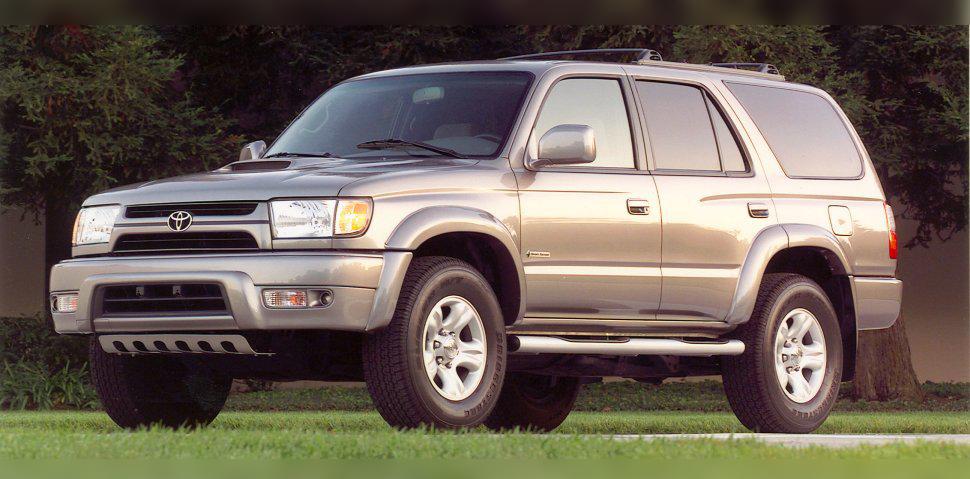
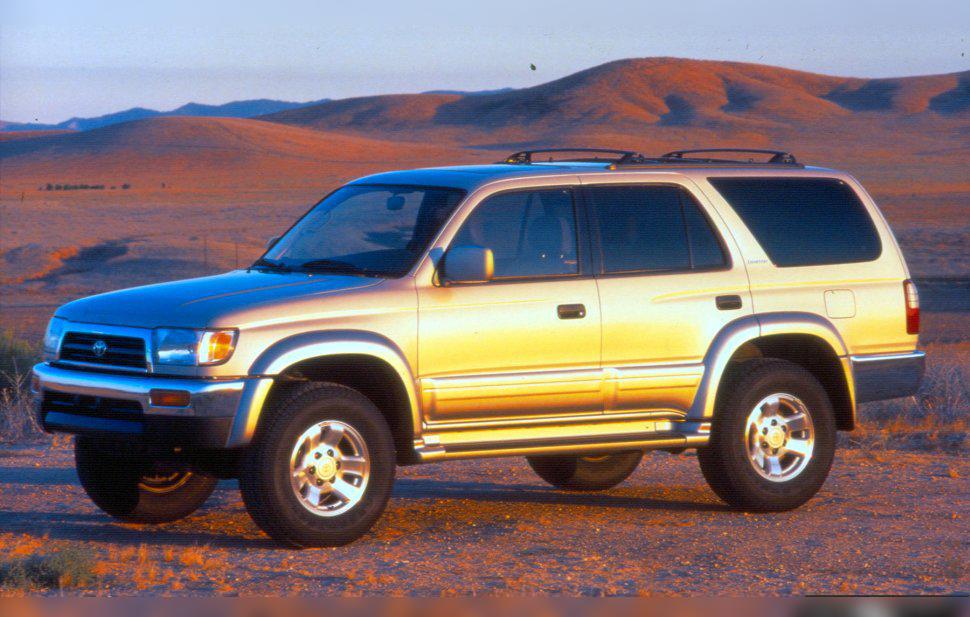
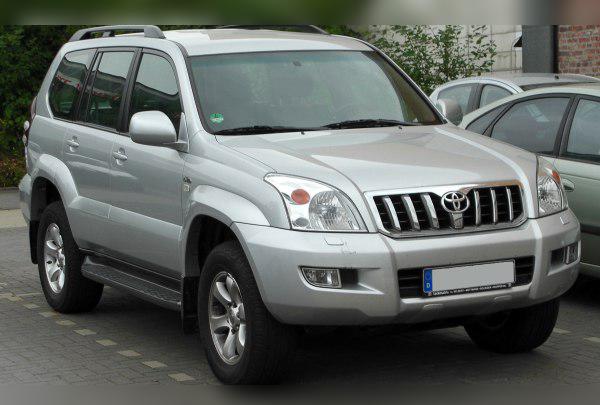
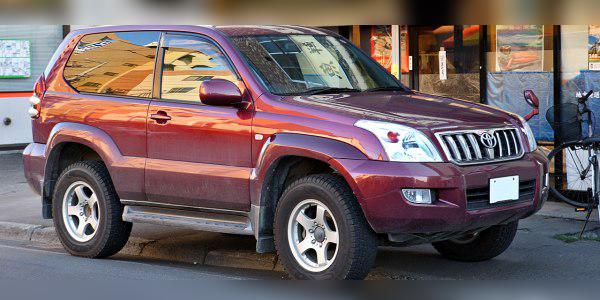
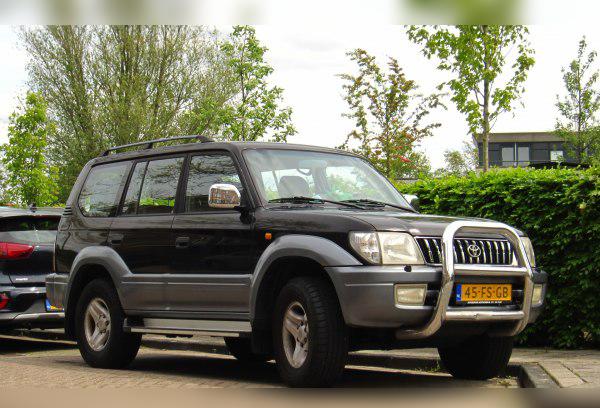
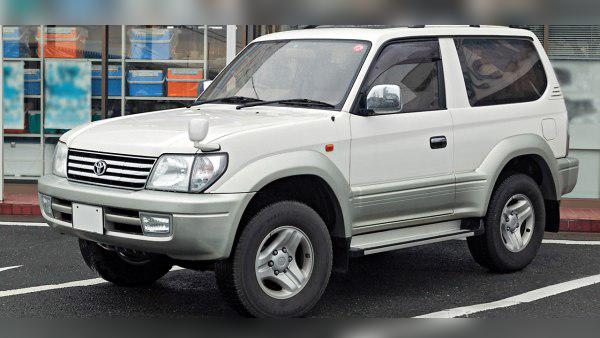
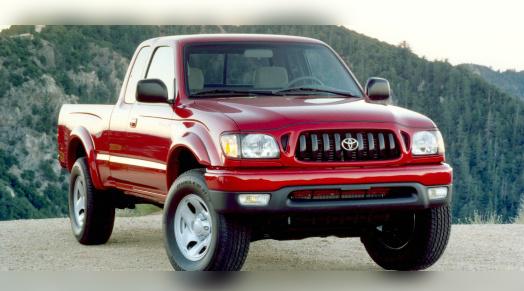
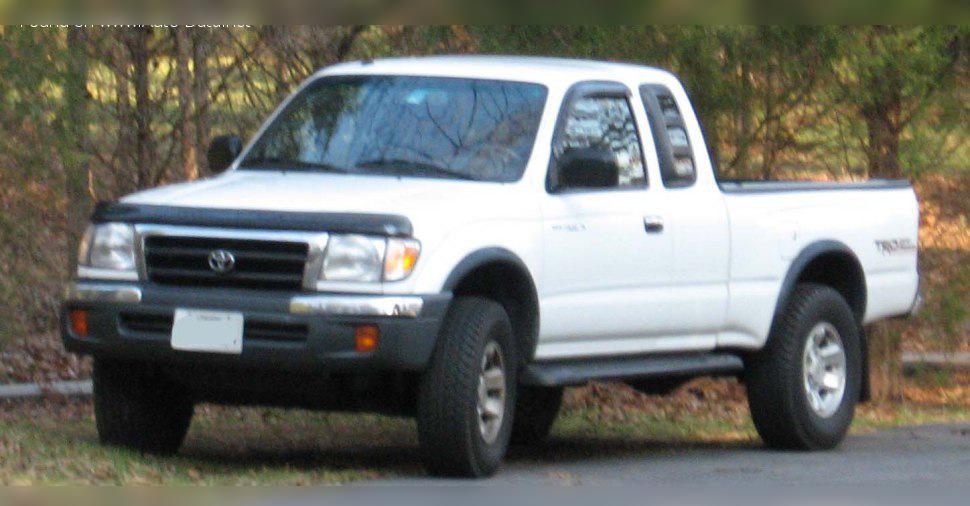
It was installed in legendary models such as the Toyota 4Runner III, the first generation of the Toyota Tacoma and, of course, the Land Cruiser Prado (J90 and J120 series). Thanks to its robustness, cast-iron block and double overhead camshafts (DOHC), it earned a reputation for being “indestructible”. Still, every machine has its pros and cons, and in the text below we’ll take a detailed look at what to expect if you decide to go for this powerplant.
Technical Specifications
| Specification | Data |
|---|---|
| Displacement | 2694 cc (2.7 L) |
| Power | 110 kW (150 hp) |
| Torque | 240 Nm |
| Engine code | 3RZ-FE |
| Injection type | MPI (Multi-Point Injection – port fuel injection) |
| Aspiration | Naturally aspirated |
Reliability and Maintenance: Longevity First
Does this engine have a timing belt or a chain?
This engine uses a timing chain to drive the camshafts. The chain is massive, designed to withstand huge loads and is among the most reliable components of this engine. Chain failure is extremely rare. Symptoms of a worn chain include a characteristic rattling and metallic scraping noise on cold start, which gives the driver plenty of time to react before any serious damage occurs.
What are the most common issues with this engine?
Failures are genuinely rare, but there are a few age- and mileage-related weak points:
- Cracked exhaust manifold: Due to thermal stress on the cast-iron material, the exhaust manifold can crack. The symptom is a ticking noise from the engine bay while the engine is cold, which disappears or diminishes as the metal heats up and expands.
- Valve clearances: The engine does not have hydraulic lifters; valve clearances must be adjusted mechanically. Many owners neglect this. If not adjusted, the valves can burn. Symptoms include rough idle and loss of compression.
- Oil leaks: At high mileage you can expect light oil sweating around the valve cover gasket and the oil pressure sensor, which is solved by simply replacing inexpensive seals (cost depends on the market, but the repair is not expensive).
At what mileage is the “major service” done?
A classic “major service” in the sense of timing belt replacement does not exist here. The chain is replaced only when it becomes noisy, which in practice rarely happens before 300,000 to 400,000 km. However, it is recommended to replace the serpentine (PK) belt, idler, tensioner and water pump every 90,000 to 100,000 km to avoid overheating or loss of alternator charging.
Oil: Capacity and grade
This engine takes about 5.4 to 5.5 liters of oil (including the filter). The factory recommendation is usually 5W-30, but on higher-mileage engines mechanics often switch to 10W-40, especially in warmer climates, to reduce oil consumption and maintain oil pressure in the block.
Oil consumption
This is not an engine that naturally “drinks” oil. However, beyond 250,000 km, valve stem seals and piston rings can harden. Then you may see bluish smoke on first start in the morning. At this mileage, oil consumption of up to 0.3–0.5 liters per 1,000 km is considered normal. Anything above that calls for opening the engine and replacing rings/seals.
Spark plugs and ignition system
Spark plugs are easy to replace because they are accessible on top of the cylinder head. If you use standard (copper) plugs, replacement is recommended every 30,000 to 40,000 km. With iridium plugs, the interval extends to around 90,000 km. Note that early models have a distributor (which requires occasional inspection of the cap and rotor), while post-facelift models (around 1999) switched to a coil-on-plug system, which is much more reliable.
Specific Components (Costs)
Does this engine have a dual-mass flywheel?
Good news for your wallet: There is no dual-mass flywheel. The engine uses a conventional (solid) flywheel, which drastically reduces maintenance costs and eliminates the worry about the well-known expensive failures in the drivetrain.
Fuel injection system
The fuel system is a classic MPI setup (port fuel injection into the intake manifold). The petrol injectors are practically indestructible. They are not nearly as sensitive to poor fuel quality as modern direct-injection systems. Any contamination from bad fuel is usually solved with a simple and inexpensive ultrasonic cleaning every 100,000 km or so.
Turbo, DPF, EGR, AdBlue?
Thanks to its “old-school” design philosophy, this engine does not have a turbocharger. It is a naturally aspirated engine.
Being an older-generation petrol engine, it does not have a DPF filter or an AdBlue system.
As for the EGR valve, this depends on the market (it’s impossible to be 100% certain without checking the VIN, as models for stricter-emission markets came with EGR, while many others did not). Even when present, on this petrol engine the EGR does not clog anywhere near as often as on diesels, so it is not a chronic issue.
Fuel Consumption and Performance: Expectations vs Reality
City fuel consumption
Be prepared – this is the Achilles’ heel of the 3RZ-FE. Since it powers SUVs and pickups weighing over 2 tons (often with 4x4 and an automatic transmission), aerodynamics and weight take their toll. Real-world city consumption rarely drops below 14–15 l/100 km, and in heavy stop-and-go traffic with the A/C on it can reach up to 18 l/100 km.
Is this engine “sluggish”?
Yes, 150 hp is modest for a heavy Toyota Land Cruiser Prado or 4Runner. The engine is not lively on the throttle and is not meant for fast overtakes on the highway. Its strength lies in the 240 Nm of torque available at relatively low revs, which makes it excellent for off-road driving, towing and climbing steep hills. On the road it behaves more like a light truck than a passenger car.
Highway behavior
On the highway, SUVs with this engine struggle with aerodynamic drag. At 130 km/h the engine is quite loud and spins at around 3,000 to 3,500 rpm (depending on the gearbox and differential ratio). At these speeds, fuel consumption is between 12 and 14 liters per 100 km. The optimal cruising speed for these vehicles, where the compromise between noise and consumption is best, is around 100–110 km/h.
Additional Options and Modifications
Is it suitable for LPG conversion?
Yes, this engine works very well with sequential LPG systems. Due to its high petrol consumption, installing LPG is very cost-effective and popular. However, caution is needed! Since the engine has no hydraulic lifters, running on LPG increases combustion temperatures, which wears valve seats faster. If you install LPG, you must also install a valve lubrication system (often called “Flashlube”) and strictly check valve clearances every 40,000 to 50,000 km. If you follow this, the engine will run on LPG for years without issues.
Is a “Stage 1” remap worth it?
Short answer: No. Remapping naturally aspirated petrol engines does not bring significant gains. A Stage 1 tune might add 5 to 8 hp, which is completely unnoticeable in a vehicle weighing over two tons, so the cost is not justified.
Transmission and Drivetrain: Robust and Reliable
Types of gearboxes
The 3RZ-FE was mostly paired with five-speed manual gearboxes (such as the W59 series) and four-speed automatic gearboxes (usually from the Aisin A340 series). Both options were available in 2WD (rear-wheel drive) and 4WD (all-wheel drive) configurations.
Transmission issues and maintenance
- Manual gearboxes: Extremely tough. At very high mileage (over 300,000 km) the synchros (especially for 1st and 2nd gear) can wear, which shows up as difficulty engaging gears. Regular gearbox oil changes (GL-4 or GL-5, 75W-90 depending on the recommendation) every 60,000 km ensure long life. Clutch kit replacement is financially manageable because there is no dual-mass flywheel (prices range from affordable to moderate – depending on market and brand). The factory clutch, with normal driving, easily lasts over 150,000 km.
- Automatic gearboxes: The four-speed Aisin is old-school, a bit slow and lazy, but mechanically almost indestructible. Failures usually occur only if the gearbox overheats during heavy off-road use without oil changes. Symptoms include harsh engagement from P to D or slipping during gear changes. Servicing (changing ATF – usually Dexron II/III – and the filter) is necessary every 60,000 km, and if you tow frequently, shorten the interval to 40,000 km.
Buying Used and Final Verdict
What to check before buying?
When buying a Toyota with the 3RZ-FE, the engine is actually the least of your worries, but pay attention to the following:
- Listen to the engine when cold: Check if the chain rattles and if you can hear a knocking sound that might indicate a cracked exhaust manifold or out-of-adjustment valves.
- Check all fluids: Look under the oil cap for any “mayonnaise” and check the color of the coolant. If the coolant looks rusty, the block may have started to corrode internally due to poor maintenance.
- Chassis (Most important!): On 4Runners, Tacomas and Land Cruisers, the frame can suffer from serious rust. Put the car on a lift and tap the frame with a hammer – if there is rot and holes, avoid that vehicle no matter how good the engine is.
Final verdict: Who is this engine for?
The 2.7-liter, 150 hp Toyota 3RZ-FE is not for people looking to save money at the fuel pump, nor for drivers who enjoy aggressive driving. This engine is built for those who value uncompromising mechanical reliability, spend time off-road and want a vehicle they can get into, turn the key and know they will reach their destination regardless of weather or obstacles. If you accept its fuel consumption and, where applicable, invest in a quality LPG system with regular valve inspections, this is one of the best and most durable engines you can buy on the used market.