Toyota 3S-FE 2.0 Engine (128 hp): Owner experiences, issues, fuel consumption and buying used
- Legendary and indestructible engine: One of the most reliable Toyota petrol engines ever made, designed in the golden age of the automotive industry.
- Timing belt: The valve timing is driven by a belt, whose regular replacement is mandatory in order to avoid catastrophic failure.
- Oil consumption: The main drawback at high mileage. Valve stem seals and piston rings wear out over time, which requires topping up the oil.
- Ideal for LPG: The engine handles LPG conversion brilliantly, which is a lifesaver for your wallet considering the somewhat higher fuel consumption in city driving.
- Cheap maintenance: No dual-mass flywheel, no turbocharger, and no complicated emission systems. Clutch kits are affordable (depends on the market).
- Performance: Reliable, but a bit “lazy” in heavy wagons. The focus is on longevity, not sporty driving.
Contents
- Introduction: About the engine and models
- Technical specifications
- Reliability, maintenance and common failures
- Specific components and technology
- Real-world fuel consumption and performance
- Additional options: LPG and remapping
- Gearbox, clutch and drivetrain
- Buying used and conclusion
Introduction: About the engine and models
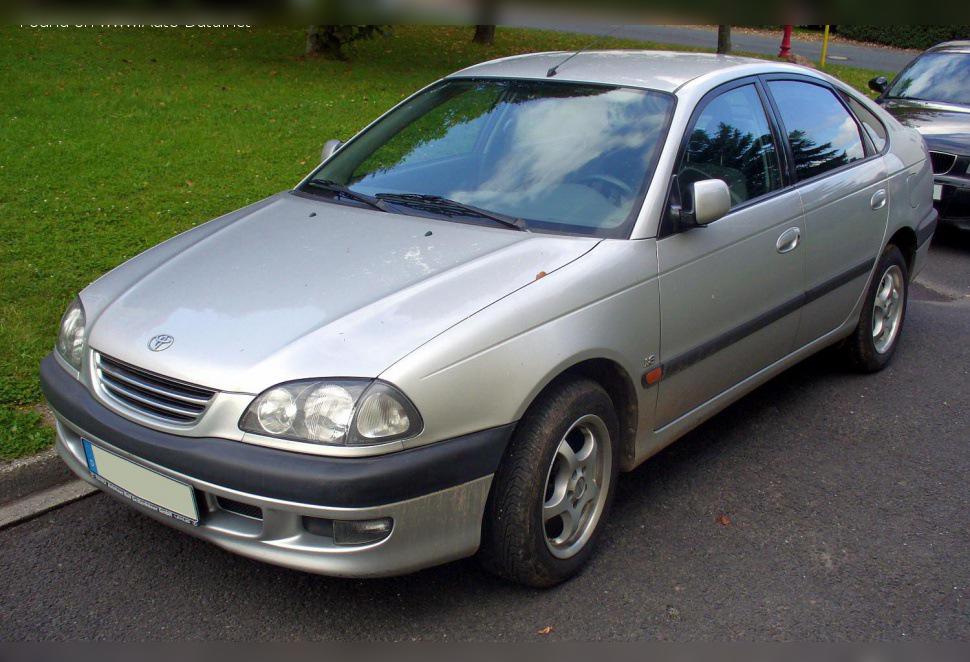
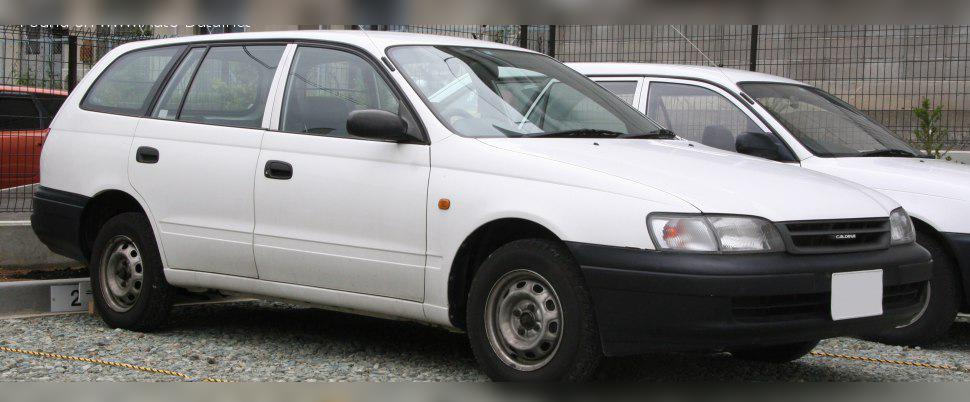
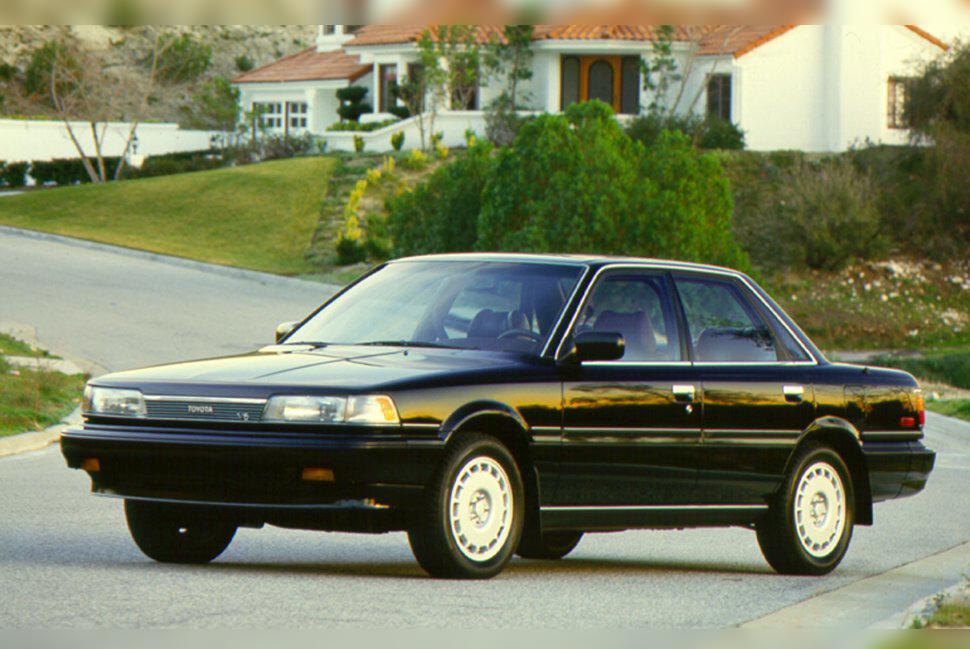
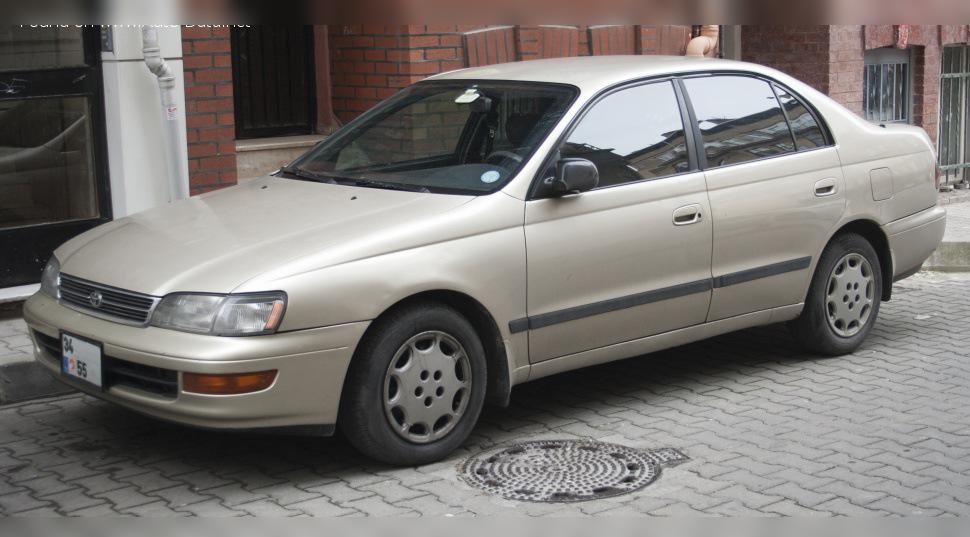
When people talk about engines that built Toyota’s reputation for indestructibility, the 3S-FE code is at the very top of that list. It is a 2.0-liter naturally aspirated petrol engine with 16 valves, producing 94 kW (128 hp). This unit was widely used throughout the 1990s and early 2000s in models such as the Toyota Avensis (T22), Toyota Camry II (V20), as well as some more exotic wagons for the global market like the Caldina and Corona. It was designed with one idea in mind: to cover hundreds of thousands of kilometers with basic maintenance only, without unnecessary mechanical complexity.
Technical specifications
| Specification | Data |
|---|---|
| Engine displacement | 1998 cc |
| Power output | 94 kW (128 hp) |
| Torque | 179 Nm |
| Engine codes | 3S-FE |
| Injection type | Multi-point EFI (indirect electronic fuel injection) |
| Turbo / Naturally aspirated | Naturally aspirated engine |
Reliability, maintenance and common failures
The 3S-FE is technically very simple and extremely durable, but given its age, certain parts naturally reach the end of their service life. The timing system uses a timing belt. Although some early versions of this block were considered “non-interference” engines (where a snapped belt does not bend valves), it is always recommended to treat it as if a major failure could occur. The major service is routinely done every 90,000 km or every 5 years. The replacement includes the belt, tensioners, idler pulleys and water pump, and the cost of this job falls into the very affordable category (depends on the market).
Oil consumption and gasket leaks
What drivers most often notice on 3S-FE engines with more than 250,000 km is increased oil consumption. This happens for two reasons: over time, the valve stem seals harden due to thermal stress, or the oil control rings on the pistons get stuck. The symptom a driver can notice is a cloud of bluish smoke from the exhaust on the first cold start in the morning or when flooring the throttle after engine braking. External oil leaks from the valve cover gasket and the camshaft and crankshaft seals are also common.
The engine takes about 3.9 to 4.2 liters of oil. The recommended viscosity for our climate is usually 10W-40, although 5W-40 can be used on engines in better condition. It is considered acceptable for such an older engine to consume up to 0.5 liters of oil per 1000 km, although a fully healthy unit should not come anywhere near that between two minor services (which are done every 10,000 to 15,000 km).
Spark plugs and ignition system
As a classic petrol engine, the 3S-FE requires regular spark plug replacement. Standard copper/nickel plugs (such as basic Denso or NGK) are replaced every 30,000 to 40,000 km. If you fit iridium plugs, the interval extends to about 90,000 km. On older versions of this engine, oil can seep into the distributor, which may cause rough running, hesitation under acceleration and loss of power.
Specific components and technology
One of the biggest advantages of this engine is what it doesn’t have. Forget about the insanely expensive repairs reserved for modern powertrains.
- Dual-mass flywheel: This engine does not have a dual-mass flywheel in versions with a manual gearbox. It uses a simple solid flywheel that practically never needs replacing, which keeps clutch replacement costs to a minimum (depends on the market).
- Fuel injection system: It uses a classic EFI (multi-point indirect injection). The injectors are incredibly reliable and rarely cause issues unless the car is constantly driven “on reserve” with dirty fuel. If the engine starts to hesitate, the solution is often a simple ultrasonic injector cleaning.
- Turbocharger and emissions: This is a pure naturally aspirated engine (no turbo). It also has no DPF filter and no AdBlue system. An EGR valve is present on some later revisions due to stricter emission standards, but it is very basic and can be easily cleaned if it eventually clogs (symptoms are unstable idle).
Real-world fuel consumption and performance
Thanks to its 2.0-liter displacement and old-school injection, the 3S-FE is not a champion of fuel economy. Real-world city consumption in heavy bodies (such as the Avensis T22 or Camry models) ranges between 10 and 12 l/100 km, and with an automatic gearbox it can reach 13 liters in heavy traffic.
As for performance, 128 hp and 179 Nm of torque look decent on paper, but in practice the engine can feel a bit “lazy” at low revs, especially under full load in wagon/estate versions. The real power comes in above 3500 rpm. On the other hand, the gear ratios are such that the engine cruises very smoothly on open roads.
On the motorway at a speed of 130 km/h, in fifth gear (manual), the tachometer sits at around 3200 to 3400 rpm. Cabin noise becomes slightly noticeable due to the lack of an extra gear compared to modern transmissions. Highway fuel consumption drops to a more acceptable 7 to 8 l/100 km.
Additional options: LPG and remapping
Good news for anyone wanting to cut fuel costs: the 3S-FE handles LPG conversion exceptionally well. The cylinder head and valves are extremely robust, so installing a sequential LPG system does not cause accelerated valve seat wear. Installing a valve lubrication system is not strictly mandatory, but is always recommended as an extra safety measure. The power loss on LPG is negligible in everyday driving.
As for remapping (Stage 1 remap), the answer is simple: it’s not worth it. Since this is a naturally aspirated engine without a turbo, optimizing fuel and ignition maps can give you at most 5 to 8 hp, which you won’t even feel while driving. That money is much better spent on a major service or refreshing the suspension and steering components.
Gearbox, clutch and drivetrain
This engine was mostly paired with classic 5-speed manual gearboxes and 4-speed automatic gearboxes (mainly the Aisin A140E or related models). Some models (Caldina, Camry) were also available with all-wheel drive (4WD/4x4).
Manual gearbox
A very reliable mechanism. On cars that have covered close to half a million kilometers, second or third gear synchros can wear out, which shows up as slight grinding when shifting quickly. As mentioned earlier, there is no dual-mass flywheel, so replacing the complete clutch kit (pressure plate, disc, release bearing) is very affordable. The gearbox oil (usually 75W-90) should be changed every 60,000 km to preserve the synchros.
Automatic gearbox
This old-school 4-speed torque-converter automatic is considered virtually indestructible if regularly maintained. Gear changes are very smooth, although noticeably slower than on modern DSG gearboxes, which further dulls the engine’s dynamics and increases fuel consumption. For flawless operation, it is crucial to change the ATF fluid and filter every 60,000 km. The most common “failure” of this automatic comes from completely neglecting oil changes, which leads to clutch pack slippage inside the gearbox and jerks when engaging “D” (Drive) or “R” (Reverse).
Buying used and conclusion
When buying a car with the 3S-FE engine, bearing in mind that these vehicles are now quite old, the most important thing is to pay attention to the following symptoms during inspection:
- Exhaust smoke: Have someone start the engine cold while you watch the exhaust. Any bluish smoke means the piston rings and valve stem seals are due for replacement (which is major engine work).
- Fluid leaks: Check the area around the distributor, valve cover and the joint between engine and gearbox. All leaks can be fixed, but they require removing the gearbox or covers, which costs money.
- Coolant condition: Unscrew the radiator cap (when the engine is COLD). If you see thick, mayonnaise-like sludge instead of clear antifreeze, the engine was probably overheated and the head gasket has failed.
- Diagnostics: These cars have very simple OBD (or pre-OBD Toyota diagnostic systems). If the “Check Engine” light is on, it is most often due to sensors (lambda/oxygen sensor) or issues with the MAF/MAP sensor.
Conclusion: Who is a car with this engine for? It is intended for drivers who want the ultimate cheap and robust solution for getting from point A to point B. If you don’t mind the somewhat dated interior of older Toyota models and the higher fuel consumption in city driving (which is brilliantly offset by fitting an LPG system), the 3S-FE is a “workhorse” that will never leave you stranded. Its maintenance costs are laughably low compared to modern turbo-petrols or complex diesels, which is why it will remain highly regarded among mechanics and experienced drivers.