Toyota 3S-FE 2.0 (133 hp) engine: Experiences, problems, fuel consumption and used car buying tips
- Legendary reliability: Considered one of the most durable Toyota engines from the “golden age” of the automotive industry.
- Low maintenance costs: No dual-mass flywheel, no turbocharger, and no expensive exhaust after-treatment systems.
- Excellent for LPG: Handles conversion to liquefied petroleum gas very well, which drastically reduces running costs.
- Oil consumption: On high-mileage examples, valve stem seals and piston rings can wear out, resulting in bluish smoke.
- Fuel consumption: Slightly higher in city driving (often over 10 l/100 km), but justified by its longevity.
- Ideal for daily driving: Thanks to its simplicity, it’s an excellent choice for drivers who want a car you just “sit in and drive”.
Contents
- Introduction: The golden standard of the nineties
- Technical specifications
- Reliability and maintenance
- Specific parts and systems
- Consumption and performance
- Extras: LPG and remapping
- Gearbox: Manual and automatic
- Buying used and conclusion
Introduction: The golden standard of the nineties
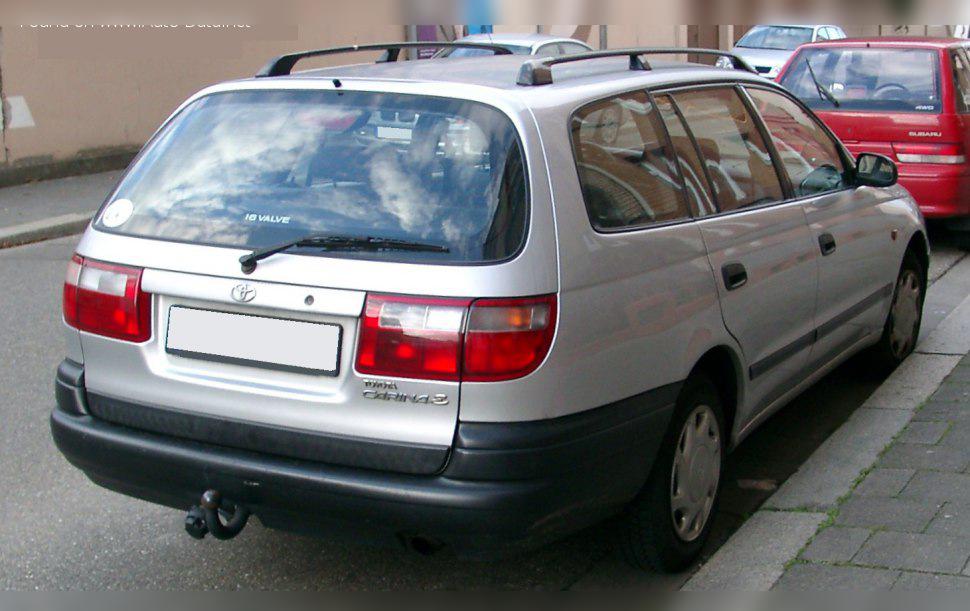
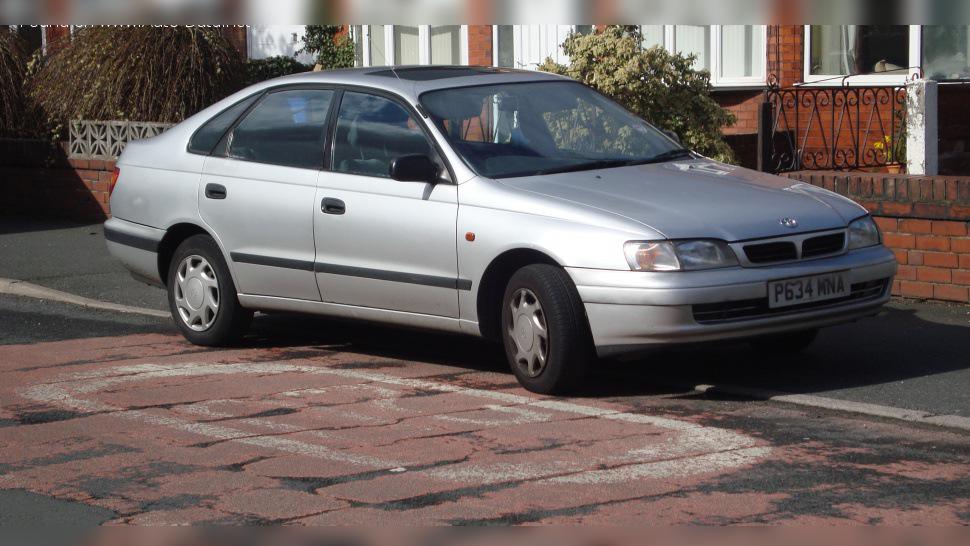
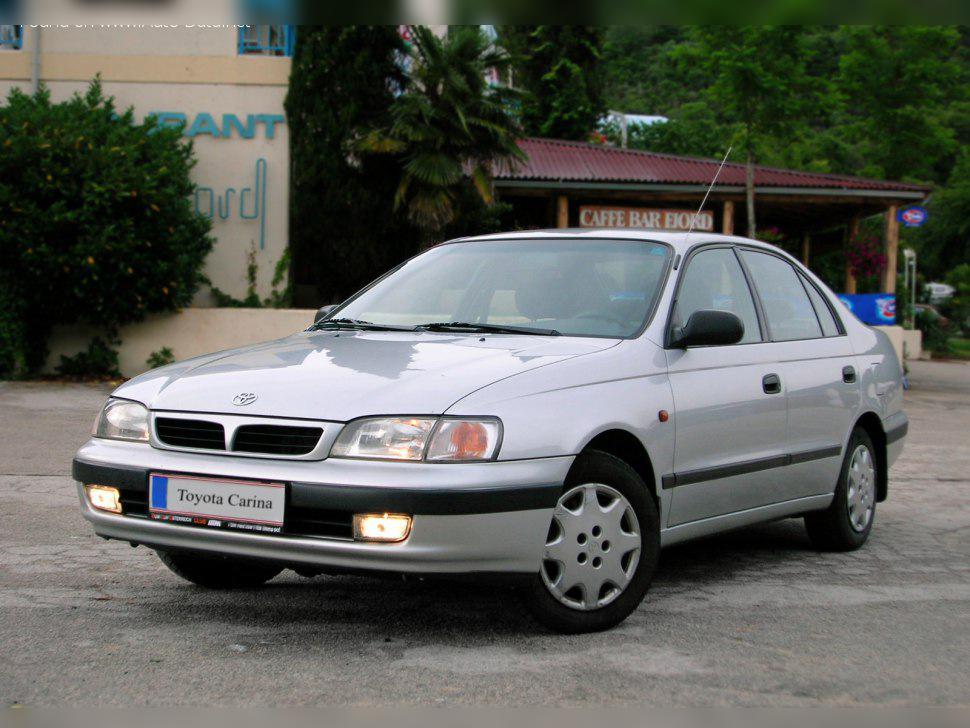
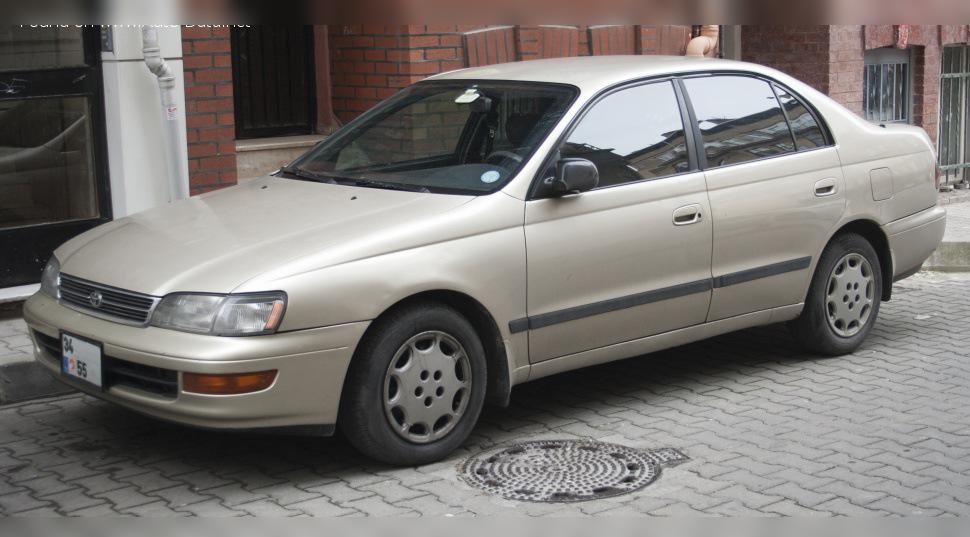
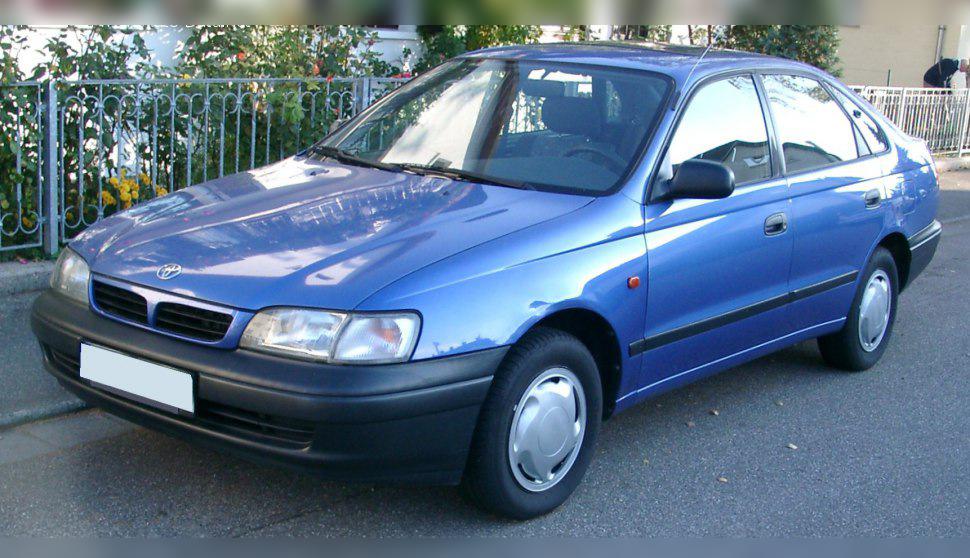
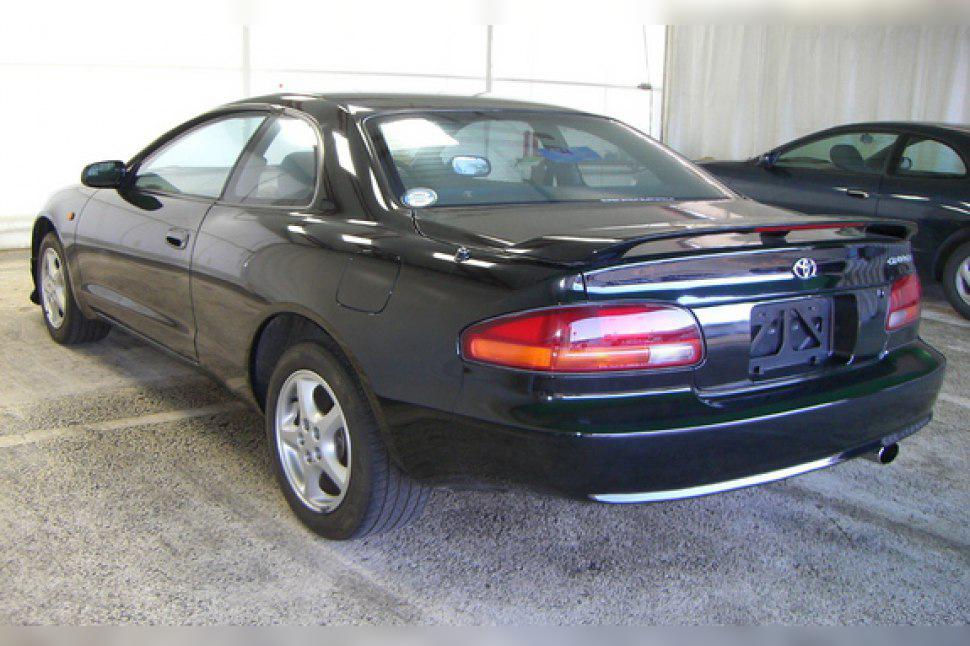
When bar talk turns to “indestructible” engines, the Toyota 3S-FE is a name every experienced mechanic mentions with respect. This 2.0-litre 16-valve (DOHC) petrol engine was the backbone of Toyota’s lineup throughout the nineties. It was installed in the famous Carina E, Corona, Curren, and even in early RAV4 and Celica models.
It was designed with one mission: to last. It wasn’t built to break speed records, but to swallow hundreds of thousands of kilometres without opening the engine block. Its construction is extremely robust, and access to components in the engine bay is a dream come true for any mechanic. In an era when modern engines fail under the burden of complex electronics, the 3S-FE is a reminder of how simplicity used to be synonymous with quality.
Technical specifications
| Specification | Data |
|---|---|
| Engine displacement | 1998 cc |
| Engine power | 98 kW (133 hp) |
| Torque | 183 Nm |
| Engine code | 3S-FE |
| Injection type | MPI (Multi-Point Injection) |
| Induction | Naturally aspirated (no turbo) |
Reliability and maintenance
Timing belt and major service
This engine uses a timing belt to drive the camshafts, not a chain. An interesting and reassuring fact for drivers is that the 3S-FE (in most of its iterations) is a non-interference engine. In practice, this means that if the timing belt snaps, the pistons and valves usually won’t collide, so the whole engine won’t be destroyed. Still, the major service should be done every 90,000 to 100,000 km or every 5 years. A major service kit (belt, tensioners, idlers, water pump) is not expensive (depends on the market).
Oil and minor service
The lubrication system capacity is modest. When changing oil with the filter, the engine takes between 3.9 and 4.2 litres of engine oil. The factory recommended grades such as 10W-40 (semi-synthetic) for most climates, while 5W-40 can be used in colder regions. A minor service should be done every 10,000 to 15,000 km.
Oil consumption and common failures
When talking about the 3S-FE, serious failures are very rare, but due to the age of these cars, time takes its toll. The most common issue you’ll encounter is increased oil consumption. The usual causes are worn valve stem seals (oil runs down the valve stem into the cylinder) or stuck oil control rings on the pistons. The symptom a driver may notice is bluish smoke from the exhaust, especially at cold start or when flooring the throttle after prolonged engine braking. Consumption of up to 0.5 litres per 1000 km is often considered “normal” on engines this old and is tolerated, even though it technically indicates material wear. The overhaul (refreshing the engine) is not too expensive, but labour is the biggest cost.
Spark plugs and ignition
Since this is a classic petrol engine, replacing the spark plugs is part of regular maintenance. Standard copper plugs (Denso or NGK recommended) are replaced every 30,000 to 40,000 km. In addition to the plugs, the ignition leads often fail due to age (they arc to ground), which causes jerking under acceleration and rough idle. The distributor (on older versions) can also start leaking when its O-ring hardens, so oil runs down the engine block.
Specific parts and systems
Free from modern-day complications
If you’re switching from a modern diesel to a 3S-FE, you’ll feel relieved. The engine has no dual-mass flywheel – power is transmitted through a classic solid flywheel, which means that replacing the clutch kit (pressure plate, disc, release bearing) is very affordable, around 100 to 200 euros (depending on the market).
Also, there is no turbocharger. This is a classic naturally aspirated engine. You don’t have to worry about cooling the turbo after highway driving, nor about turbo overhauls.
Injection system and emissions
The injection system is MPI (Multi-Point Injection), with one injector per cylinder, located in the intake manifold. Toyota (Denso) injectors are extremely durable and rarely cause problems. If they get dirty due to poor fuel quality, ultrasonic cleaning is usually enough and is very cheap (depends on the market).
As for emissions, there is no DPF filter (it’s a petrol engine), no AdBlue system, and depending on the production year and emissions standard (Euro 1 or Euro 2), the EGR valve either doesn’t exist or is very basic and rarely causes serious trouble. This is a clean, mechanical engine without being “strangled” by modern emissions regulations.
Consumption and performance
City and highway driving
One of the few downsides of this engine is its fuel consumption. Due to its older design, technology and the aerodynamics of cars from that era, real-world city consumption is between 10 and 12 litres per 100 km. In winter, with cold starts and short trips, it can reach 13 litres.
On the other hand, on open roads consumption drops to a reasonable 7 to 8 l/100 km.
Driving dynamics: Is the engine sluggish?
With 133 hp and 183 Nm of torque, the 3S-FE is anything but sluggish, especially considering the vehicle weight. The Toyota Carina E weighs just over 1200 kg. The power-to-weight ratio is excellent, so the engine pulls very linearly from low revs. It doesn’t constantly demand downshifts on uphill sections, which makes driving very relaxed.
On the motorway, at 130 km/h in fifth gear (manual gearbox), the crankshaft spins at around 3200 to 3500 rpm (depending on the final drive ratio). Because of this, the cabin can be slightly noisy compared to modern cars with six or seven gears, but the engine maintains that cruising speed effortlessly.
Extras: LPG and remapping
LPG conversion
This is also the best solution to the problem of higher city fuel consumption. The 3S-FE is absolutely perfect for installing a sequential LPG system. The cylinder head and valves are made of very high-quality materials and do not suffer from valve seat recession like some later VVT-i engines. LPG system maintenance boils down to replacing filters every 10,000 km. The engine runs smoothly on gas, and the power loss is practically unnoticeable (less than 5%).
Remapping (Stage 1)
Short answer: Don’t waste your time and money. Older naturally aspirated petrol engines do not respond well to software remapping. A so-called “Stage 1” on this engine would bring at most 5 to 8 hp, which you won’t feel on the throttle pedal in real life, yet you’ll pay for the service for no real benefit.
Gearbox: Manual and automatic
Types and reliability
The 3S-FE was mostly paired with 5-speed manual gearboxes (mainly the S54 series) and 4-speed automatic gearboxes (A140E series). Both gearboxes fall into the category of robust and almost unbreakable units.
- Manual gearbox: Failures are extremely rare. The oil (usually 75W-90, about 2.5 litres) should be changed every 60,000 km. A symptom that something is wrong is usually “crunching” when shifting into third gear, which indicates a worn synchroniser, most often the result of aggressive driving by a previous owner. The clutch usually comes without a dual-mass flywheel, and as mentioned, replacement is very cheap.
- Automatic gearbox: A good old hydraulic automatic (torque converter). It’s slower to change gears, “steals” some power and increases fuel consumption by about 1 litre compared to the manual. However, if the ATF (usually Dexron II or III) and filter are changed every 60,000 km, it will outlive the rest of the car. If, during a test drive, the automatic jerks hard or bangs when shifting from N to D or R, this is a sign of neglected maintenance or a failed valve body.
Buying used and conclusion
What exactly should you check before buying?
Given that cars with this engine are now over 25 years old, their condition ranges from terrible to collector-grade. When inspecting a car, pay attention to the following:
- Exhaust and smoke: Have someone start the cold engine while you watch the exhaust. Blue smoke means oil consumption (rings or valve stem seals). Black smoke indicates a rich mixture (faulty lambda sensor or coolant temperature sensor).
- Oil leaks: Look around the distributor and below the valve cover. The gaskets in these places harden over the years and start to seep. It’s not an expensive repair (depends on the market), but it can make a mess under the bonnet.
- Idle quality: The engine should idle smoothly at around 750–800 rpm when warm. If the rev counter needle “dances” up and down, the problem is often a dirty throttle body or a dirty IAC valve (idle air control valve), which is easily and cheaply solved by cleaning.
- Diagnostics: These cars mostly use the older OBD1 (or early OBD2) standard (the so-called DLC connector), so not every modern scanner can read them. Fault codes are often “read” by bridging pins on the connector and counting the flashes of the “Check Engine” light on the instrument cluster.
Who is this engine for?
The Toyota 3S-FE is not an engine for racers or for people obsessed with modern technology and touchscreens. This is a workhorse. It’s intended for drivers who want absolute confidence that the car will take them from point A to point B without sudden “Christmas lights” on the dashboard and without going broke at the mechanic’s.
Buying a well-preserved example, combined with installing an LPG system, will give you a spacious (especially in the Carina E Wagon), safe and incredibly cost-effective vehicle which, with basic maintenance, will easily cover half a million kilometres.