Toyota 3ZR-FAE 2.0 Valvematic engine: Experiences, issues, fuel consumption and used car buying guide
Key points in short (TL;DR)
- Timing chain drive: The engine uses a timing chain that is very durable, which eliminates the cost of a traditional major timing service.
- Valvematic module: The most expensive and most common specific failure on this engine. When it fails, the controller has to be replaced, which is quite costly.
- No turbo, no DPF: A classic naturally aspirated petrol engine, which means fewer headaches with expensive diesel components in city driving.
- Fuel consumption: Don’t expect miracles. In heavier bodies (RAV4, Avensis) it easily uses more than 10 l/100 km in the city.
- CVT gearboxes: The so‑called Multidrive S requires strictly regular oil changes; repairs are very expensive if neglected.
- LPG (autogas) conversion: Possible because it has MPI injection, but it requires a top‑notch installer and a valve lubrication system.
Contents
- Introduction: Why is the 3ZR-FAE important?
- Technical specifications
- Reliability and maintenance
- Specific parts and costs
- Fuel consumption and performance
- Additional options and modifications
- Gearbox and drivetrain
- Buying used and conclusion
Introduction: Why is the 3ZR-FAE important?
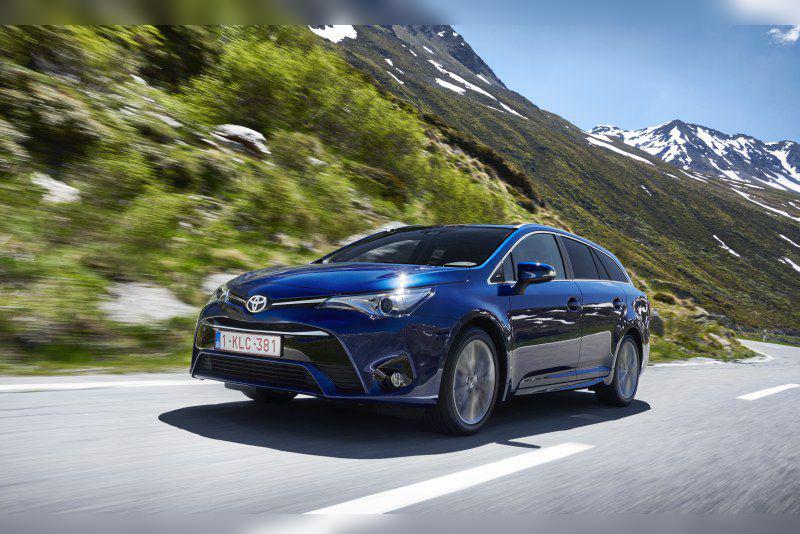
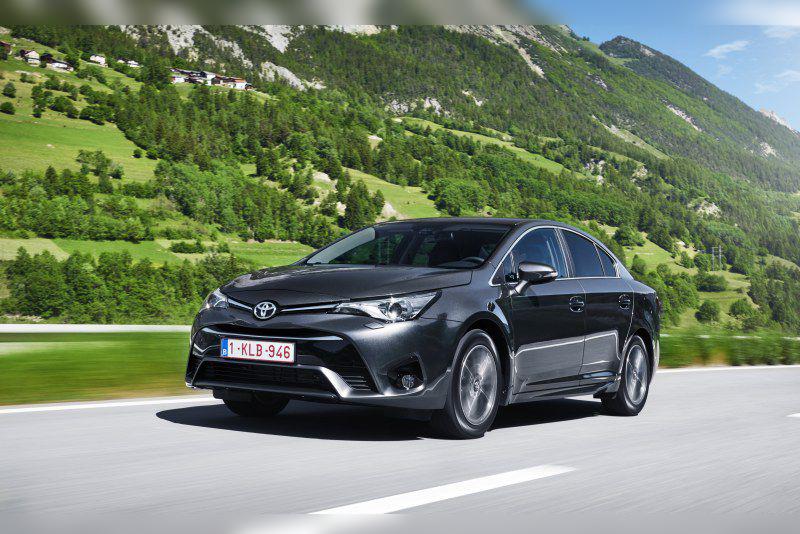
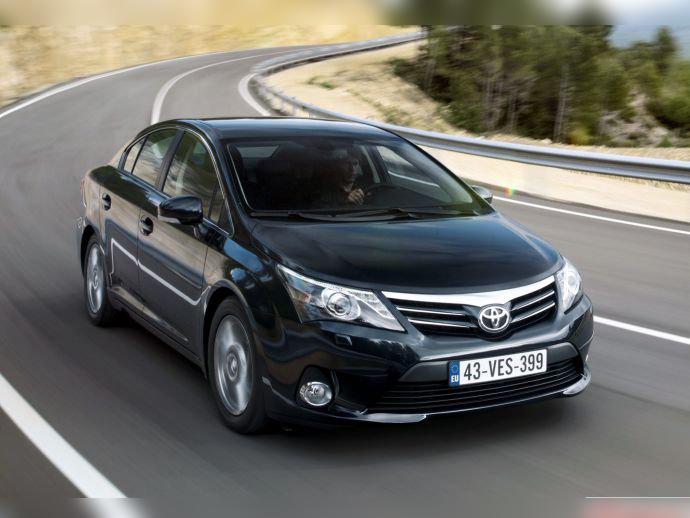
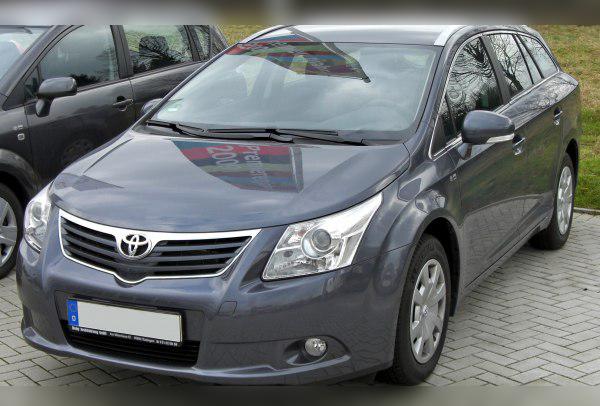
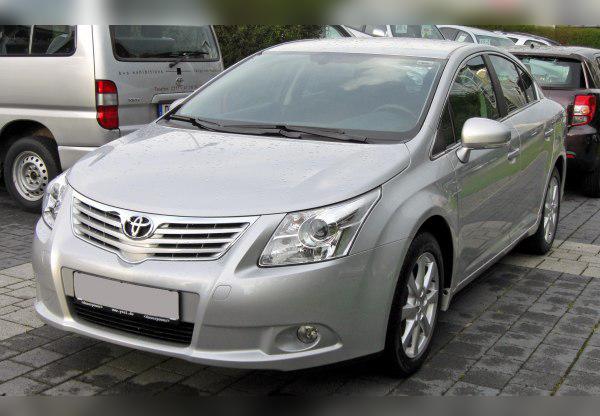
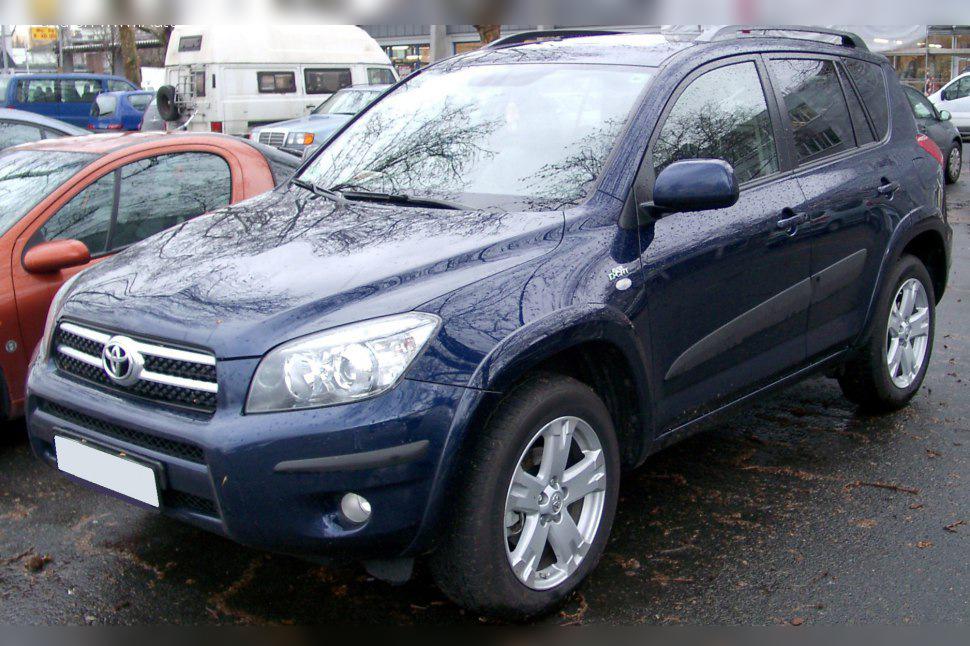
When people mention Toyota reliability, many immediately think of old diesels or hybrids. However, the 3ZR-FAE engine (commercially known as the 2.0 Valvematic) represents the pinnacle of Japanese engineering for naturally aspirated petrol engines. It was widely installed in models such as the Toyota Avensis III (sedan and wagon) and Toyota RAV4 III. This engine was designed to offer an optimal balance between power and fuel consumption, with the help of the advanced Valvematic system that continuously adjusts the intake valve lift. For drivers who don’t cover huge mileages and want to avoid potentially catastrophic failures of modern diesels, this 2.0‑liter engine is often the first one on the radar.
Technical specifications
| Specification | Data |
|---|---|
| Engine code | 3ZR-FAE (2.0 Valvematic) |
| Displacement | 1986 cc |
| Power | 112 kW (152 hp) |
| Torque | 193 Nm |
| Induction type | Naturally aspirated |
| Injection type | MPI (Multi-Point Injection) |
| Fuel type | Petrol |
Reliability and maintenance
Chain or timing belt and major service
Excellent news for your wallet: this engine has a timing chain. The timing system is extremely durable and reliable. A classic “major timing service” is not done. The chain usually easily lasts over 250,000 km to 300,000 km without issues. Only around that mileage should you start paying attention to the tensioners and guides. However, at around 100,000 to 150,000 km it is necessary to replace the auxiliary (serpentine) belt, water pump and coolant.
Most common failures
Although this is a Toyota, the 3ZR-FAE is not completely without flaws. The most common issues include:
- Valvematic controller: This is the Achilles’ heel of this engine. The module that controls valve lift can fail due to oil deposit buildup or an electronic fault. Symptoms include the “Check Engine” light and VSC light coming on, the car losing power (going into limp mode) and fault codes P1047 or P2165. Replacing this part is very expensive (depends on the market).
- Water pump leaks: It’s not uncommon for the water pump to start leaking as early as around 80,000 km. You’ll easily notice pink residue (dried coolant) around the pulley under the bonnet.
- Carbon buildup on the throttle body: Causes fluctuating idle speed. Cleaning the throttle body solves the problem and is not expensive (depends on the market).
Engine oil and service intervals
The engine takes about 4.2 liters of oil. Toyota strictly recommends 0W-20 (or 5W-30 if 0W-20 is not available), primarily because of the fine oil passages in the Valvematic system. The oil must be changed every 10,000 to 15,000 km. Oil consumption on well‑maintained examples is negligible in the first 150,000 km. However, on engines that have covered more than 200,000 km or have been poorly maintained, the piston rings can start to wear. Consumption of about 0.2 to 0.5 liters per 1,000 km does happen, and Toyota considers this a “technical norm”, although for perfectionists it means topping up between services.
Spark plugs
Since this is a petrol engine, it uses high‑quality iridium spark plugs. They last a long time, and the replacement interval is set at 90,000 to 100,000 km. Replacement is not complicated and is a relatively affordable item.
Specific parts and costs
Dual-mass flywheel and clutch
Many people are surprised to learn that versions of this engine paired with the 6‑speed manual gearbox have a dual‑mass flywheel. Its purpose is to absorb shocks and ensure smooth transmission operation at low revs. Fortunately, since a petrol engine doesn’t have huge torque spikes like a diesel, the flywheel here lasts extremely long (often over 200,000 km). When the time comes for replacement, the clutch kit and dual‑mass flywheel are expensive (depends on the market).
Fuel injection system, turbo, DPF and AdBlue
This is where you save money! The engine uses classic MPI (Multi-Point) injection into the intake manifold, not direct injection (D4-D style). The injectors are robust, almost indestructible and not prone to clogging like with direct injection.
The engine is naturally aspirated – there is no turbocharger (so there is no turbo failure either).
Since it’s a petrol engine, there is no DPF filter and no AdBlue system. An EGR system exists on certain versions depending on the Euro emissions standard, but the deposits that build up there are nowhere near the soot from diesels, so it rarely causes major issues.
Fuel consumption and performance
How does it drive and how much fuel does it use?
Real‑world fuel consumption in stop‑and‑go city driving depends on the body style. In a sedan or wagon like the Avensis, expect around 9.5 to 11 liters per 100 km. In the heavier and taller RAV4 with 4x4, city consumption easily goes from 11 to 13 l/100 km. This is not a fuel saver in town.
Is the engine “lazy”?
With 152 hp and only 193 Nm of torque (available only at higher revs), this engine feels “lazy” to drivers used to turbo diesels. For an Avensis wagon or RAV4 to pull strongly, the engine has to rev above 3,500 rpm. In everyday relaxed driving, Valvematic provides smooth acceleration, but for brisk overtakes you must be ready to work the gear lever and accept higher engine noise.
On the motorway
On the open road the situation is much better. At 130 km/h in sixth gear (manual gearbox), the engine cruises at about 3,000 to 3,200 rpm. On versions with the Multidrive S (CVT) gearbox, cruising revs can drop even lower, which drastically reduces cabin noise. Motorway fuel consumption is around 7 to 8 l/100 km.
Additional options and modifications
LPG (autogas) conversion
Since the engine has indirect (MPI) injection, installing an LPG system is mechanically entirely feasible. However, there is a big catch: the valves are sensitive. If you are fitting LPG, it is essential to install a system that can work correctly with the Valvematic system, along with a proper valve lubrication device (so‑called dripper) or more sophisticated electronics that periodically inject petrol to cool the valves. A poor LPG map will quickly destroy the valve seats on this engine.
ECU remap (Stage 1)
In short: Don’t waste your money. Since this is a naturally aspirated engine without a turbo, a standard Stage 1 remap can give you at most 8 to 10 hp. You won’t really feel the difference in driving, and you can upset the sensitive Valvematic parameters.
Gearbox and drivetrain
Types of gearboxes and issues
With the 3ZR-FAE there are two main gearbox options:
- 6-speed manual: Extremely reliable, precise, with no inherent factory flaws. The only major cost at higher mileage is the aforementioned dual‑mass flywheel and clutch kit.
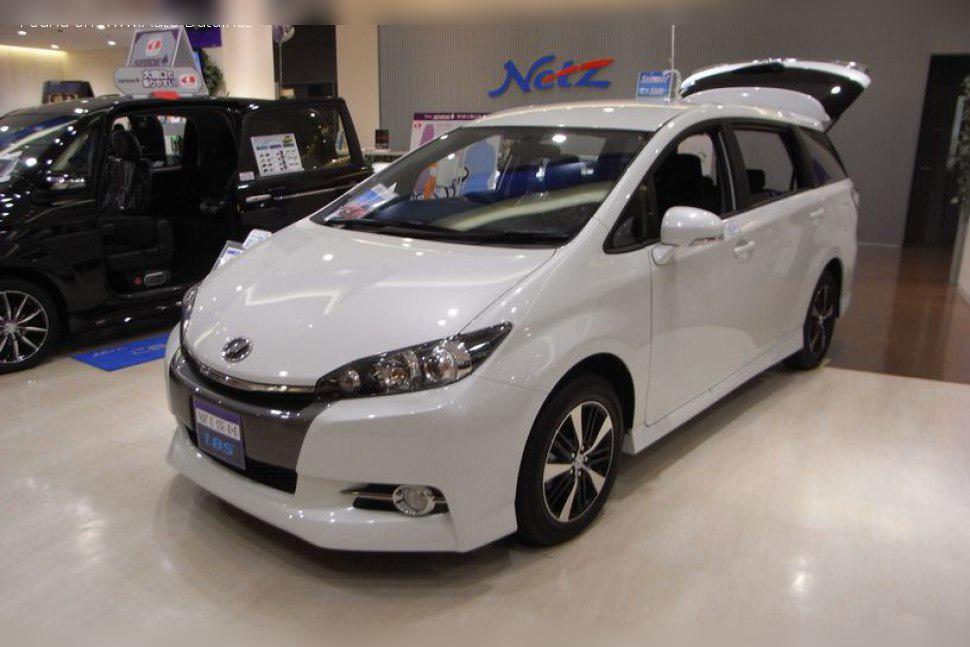
- Multidrive S (CVT – Continuously Variable Transmission): Installed in the Avensis, RAV4 and Wish. It’s great for smooth city driving without jerks. However, CVT gearboxes are sensitive. If you feel shuddering, slipping or delay when setting off, the CVT is probably damaged. Repairing a damaged CVT is very expensive and often requires replacing the entire unit (depends on the market). Some RAV4 models for certain markets have a conventional torque‑converter automatic, which is more robust but a bit slower. (Check by VIN.)
Gearbox maintenance
The oil in the manual gearbox should be refreshed at around 60,000 km. On Multidrive S (CVT) gearboxes, changing the oil and filter every 60,000 km is absolutely mandatory if you want the gearbox to survive higher mileage.
Buying used and conclusion
What to check before buying?
- Cold start: Listen carefully to the engine at the first start of the day. Any strong rattling indicates a stretched chain.
- Driving under load: With more aggressive throttle input, test the Valvematic. Acceleration must be smooth, without hesitation. If the car hesitates, it may be a sign of a problem with the Valvematic module.
- Under the bonnet: Look for pink traces on the passenger side of the engine – a sign that the water pump is leaking coolant.
- CVT test drive: The car must move off smoothly, without the slightest jerk. Test creeping without throttle.
- Diagnostics: Always hook up an OBD scanner to check the fault history, especially for errors related to valve lift.
Conclusion: Who is this engine for?
The Toyota 3ZR-FAE (2.0 Valvematic) is a fantastic choice for families who want an extremely reliable and comfortable car without the stress brought by modern turbo diesels with their DPF filters, EGR valves and fragile turbos. Maintaining the mechanical side of the engine is not expensive, provided the Valvematic controller doesn’t fail. Its biggest downsides are a somewhat lazier character due to the lack of a turbo and higher fuel consumption in city conditions. If you drive up to 15,000 km per year and value peace of mind over explosive performance, this engine in an Avensis or RAV4 is one of the best investments on the used car market.