Toyota 1.6 VVT-i 3ZZ-FE (110 hp): Experiences, problems, fuel consumption and used car buying tips
- Reliable naturally aspirated engine: No expensive peripherals like a turbocharger, dual-mass flywheel or sensitive high-pressure injectors.
- Timing system: The engine uses a timing chain instead of a timing belt, which reduces major service costs.
- Main issue: Increased oil consumption on models produced before 2005 due to clogged oil return holes in the pistons (oil control rings).
- Consumption and driving: A perfect match for the Toyota Corolla, but can feel a bit “lazy” under full load in the heavier Avensis.
- Highway driving: Because of the 5-speed gearbox, revs at 130 km/h are relatively high, which increases cabin noise.
- LPG: Handles LPG conversion very well, but installation of a valve lubrication system (valve saver) is recommended.
Contents
- Introduction: About the 3ZZ-FE engine
- Technical specifications
- Reliability and maintenance
- Specific parts (costs)
- Fuel consumption and performance
- Additional options and modifications
- Gearbox and drivetrain
- Buying used and conclusion
Introduction: About the 3ZZ-FE engine
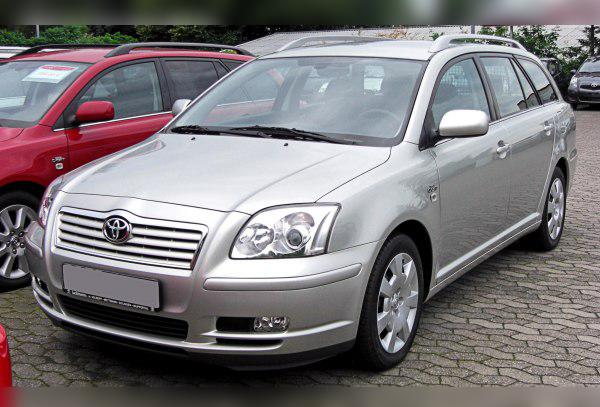
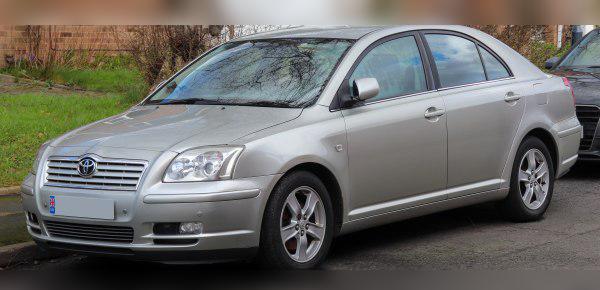
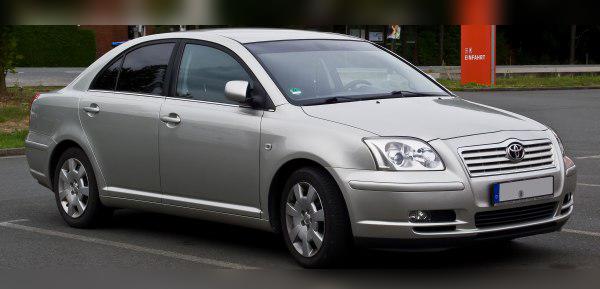
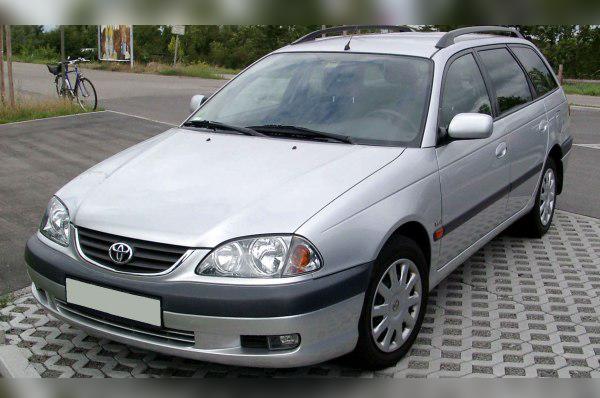
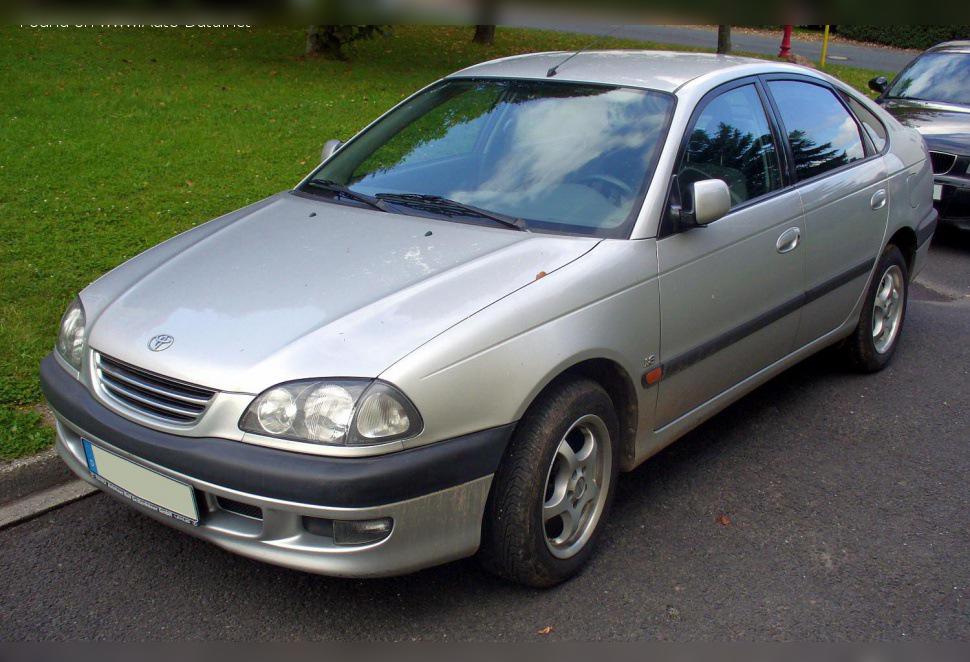
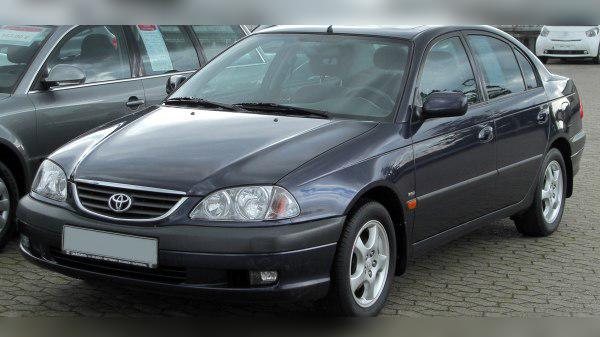
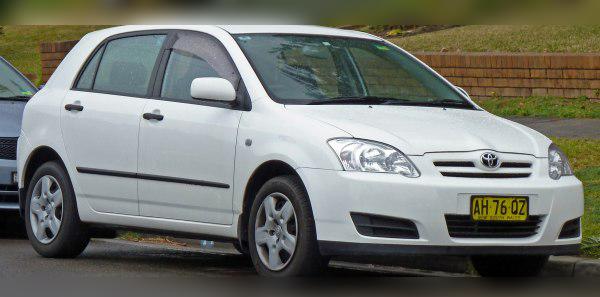
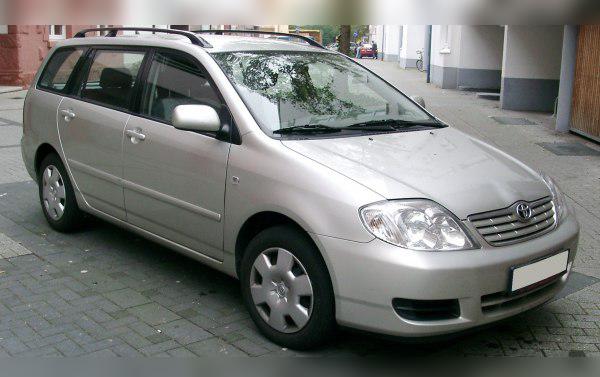
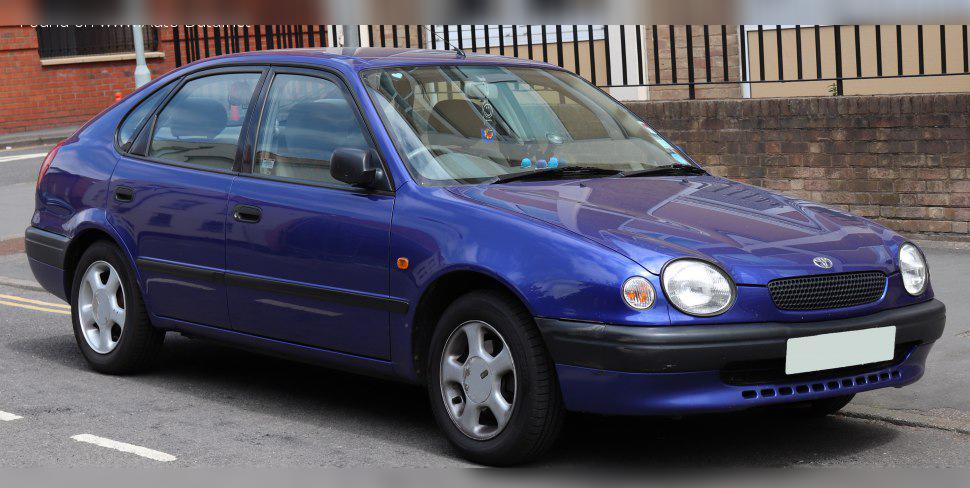
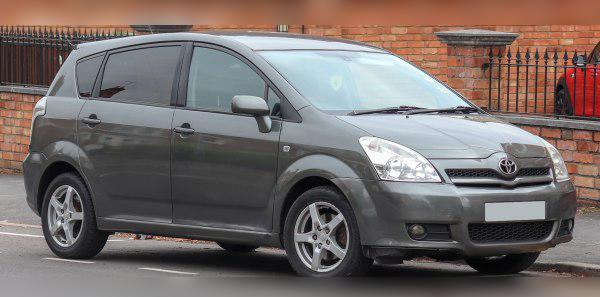
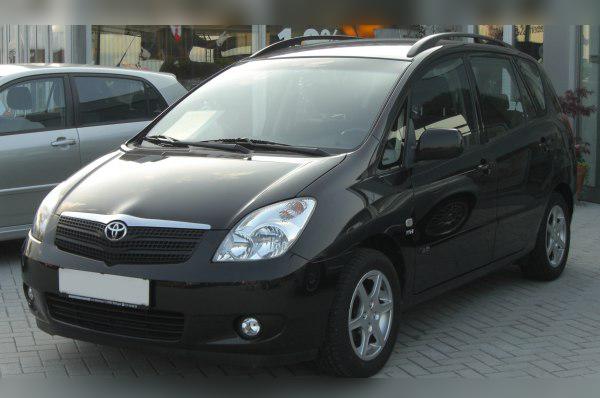
Toyota’s 3ZZ-FE is a 1.6‑liter naturally aspirated petrol engine from the well-known “ZZ” engine family. It was installed from the late 1990s until the end of the first decade of the 2000s in some of the Japanese manufacturer’s best-selling models, such as the Corolla (E110, E120, E130), Avensis (T22, T25) and Corolla Verso. This unit is equipped with the VVT-i system (Variable Valve Timing with intelligence), which variably controls valve timing, providing better throttle response, a more even torque curve and reduced fuel consumption compared to the older A-series engines.
Technical specifications
| Parameter | Specification |
|---|---|
| Engine displacement | 1598 cc |
| Power | 81 kW (110 hp) |
| Torque | 150 Nm |
| Engine code | 3ZZ-FE |
| Injection type | MPI (Multi-Point Injection / Indirect) |
| Turbo/Naturally aspirated | Naturally aspirated engine |
Reliability and maintenance
Does this engine have a timing belt or a chain?
This engine uses a timing chain. For drivers, that’s a relief from the start, as there is no classic major timing service at a predefined mileage. The chain is quite reliable, but on cars that have covered more than 200,000 km it can stretch or the tensioner can weaken. Symptoms of wear include metallic rattling when starting the engine for the first time in the morning. The cost of replacing the timing set (chain, sprockets, tensioners, guides) is mid-range (depends on the market), but it’s usually an investment made only once in the car’s lifetime.
What are the most common failures on this engine?
By far the biggest and best-known weakness of the 3ZZ-FE engine (especially on units produced from 2000 to 2005) is increased oil consumption. The problem lies in the design of the pistons and rings. The oil overheats, burns and creates carbon deposits that clog the tiny oil return holes in the pistons. As a result, the oil control rings stop doing their job and oil enters the combustion chamber. In mid-2005 Toyota redesigned the pistons and solved this issue. In addition, occasional oil leaks can appear at the valve cover gasket, as well as problems with the mass air flow sensor (MAF) due to contamination.
At what mileage is the major service done?
As mentioned, since the engine has a chain, there is no classic major timing service at a fixed mileage. The water pump is replaced as needed (when it starts leaking or whining), and the auxiliary belt and its rollers/tensioners are checked at every minor service and usually replaced at around 60,000 to 80,000 km.
Engine oil quantity and viscosity
The engine takes about 4.2 liters of oil (when changed with the filter). The manufacturer recommends 5W-30 as the optimal grade to preserve the VVT-i system and ensure proper chain lubrication. If the engine is older and already “uses” oil, some mechanics advise switching to 10W-40, although that only masks the symptoms of worn rings.
Oil consumption – what is normal?
Because of the aforementioned ring issue, oil consumption between services is almost guaranteed. In its manuals, Toyota states that consumption of up to 1 liter per 1,000 km is “within normal limits”, but any experienced mechanic will tell you that this actually means the engine is ready for an overhaul. If a healthy, properly functioning engine uses about 1 to 1.5 liters per 10,000 km, that is considered completely acceptable and normal for this type of unit.
Spark plugs and replacement interval
Since this is a petrol engine, regular spark plug replacement is essential for smooth running and to protect the ignition coils. If standard (copper/nickel) plugs are used, the replacement interval is around 30,000 to 40,000 km. However, many models come with iridium spark plugs from the factory, and these can easily last between 90,000 and 100,000 km before they need to be replaced.
Specific parts (costs)
Does this engine have a dual-mass flywheel?
Good news: No. This engine uses a conventional solid flywheel. That drastically reduces maintenance costs when replacing the clutch kit. The clutch kit (pressure plate, disc, release bearing) is not expensive (depends on the market).
Injection system and injectors
The engine uses a classic MPI (Multi-Point Injection) system, i.e. indirect fuel injection into the intake manifold. Petrol injectors are extremely durable and very rarely cause problems. If the engine starts jerking or idling roughly, an ultrasonic injector cleaning is usually enough, and that is a very cheap procedure.
Turbo, DPF, EGR and AdBlue – what is (not) there?
Since the 3ZZ-FE is an older naturally aspirated petrol engine, owners are spared many of the headaches associated with modern powertrains:
- Turbocharger: Not present. Air is drawn in under atmospheric pressure.
- DPF filter: Not present. No regenerations or clogging in city driving.
- AdBlue: Not present. This is reserved for newer diesel engines.
- EGR valve: Present, but on petrol engines it causes serious issues far less often than on diesels. Over the years it can accumulate carbon deposits, leading to rough idle or a “Check Engine” light, but a simple cleaning usually brings it back to life. It’s not expensive (depends on the market).
Fuel consumption and performance
Real-world city fuel consumption
Although reliable, the 3ZZ-FE is not particularly economical in stop‑and‑go conditions. In the lighter Corolla, city consumption is between 8.5 and 9.5 l/100 km. In the heavier Avensis, especially the estate version with the air conditioning on, consumption can easily exceed 10 l/100 km in winter or in heavy traffic.
Is this engine “lazy”?
Performance largely depends on the body it has to move. In the Toyota Corolla (hatchback), 110 hp is perfectly adequate for brisk city driving and safe overtaking. However, in the Toyota Avensis, especially in estate form, the engine struggles with the extra weight. Its torque is only 150 Nm and is available at higher revs (around 3,800 rpm). Because of this, the driver has to shift down and press the accelerator pedal firmly (push the crankshaft into high revs) to overtake. The subjective feeling in the large Avensis is definitely a lack of power (“laziness”) under load.
Behavior on the highway
This is not its primary discipline. Gearboxes paired with this engine (mostly 5‑speed manuals) have relatively short ratios. At a cruising speed of 130 km/h in 5th gear, the engine spins at about 3,800 to 4,000 rpm. The consequences are twofold: increased cabin noise and noticeably higher fuel consumption, which on the highway hardly drops below 7.5–8 l/100 km.
Additional options and modifications
Is this engine suitable for LPG?
Yes, absolutely. Thanks to its simple indirect injection, installation of a sequential LPG system is straightforward. However, there is one very important note: Toyota’s valves and valve seats do not tolerate elevated LPG combustion temperatures in the long run. That’s why it is strongly and highly recommended to install a so‑called valve saver system (Flashlube), which mechanically lubricates and cools the valves. With a good installation and valve saver, this engine can run on LPG for hundreds of thousands of kilometers without issues.
Is it worth doing a “Stage 1” remap on this engine?
Absolutely not. Since this is a naturally aspirated engine (no turbo), by modifying the ECU maps you will gain, at best, between 4 and 6 horsepower. The difference is imperceptible in real driving, and the cost of the software remap is completely unjustified compared to the gain. Leave it with the factory settings.
Gearbox
Available gearboxes and common issues
The 3ZZ-FE is most commonly paired with a 5‑speed manual gearbox, while some models (such as the Corolla) can also be found with a classic 4‑speed automatic (with a hydraulic torque converter).
- Manual gearbox (5 speeds): Very precise and mechanically robust. Sometimes the bearings inside the gearbox (input shaft bearing) can wear out, which the driver notices as a “whining” or rustling noise while the car is stationary, idling in neutral (the noise disappears when the clutch is pressed).
- Automatic gearbox (4 speeds): Made by the renowned “Aisin” and virtually indestructible if the oil is changed regularly. Its only drawback is technological age – it is quite slow when shifting and further dulls the engine’s response, while increasing fuel consumption by about 1 to 1.5 l/100 km compared to the manual.
Gearbox service and oil change
For both gearboxes, an oil change is recommended every 60,000 km. On automatics, a complete oil and filter change should be done at that interval. As already mentioned, there is no dual-mass flywheel on manual versions, so replacement of the complete clutch kit is usually needed only around 150,000 to 200,000 km, depending on driving style. It’s not expensive (depends on the market).
Buying used and conclusion
What must be checked before buying?
If you are considering buying a car with the 1.6 VVT-i engine (3ZZ-FE), focus on the following:
- Cold start check: Ask the seller not to start the car before you arrive. As soon as you start it, carefully listen to the right side of the engine. If you hear metallic rattling that lasts longer than 2–3 seconds, the timing chain and tensioner need to be replaced.
- Oil condition and exhaust smoke: Pull out the dipstick. If the oil is below the minimum or right at the bottom, there is a high chance the owner hasn’t been topping it up and that the engine consumes larger amounts. Watch the exhaust while someone else revs the warmed‑up engine hard – bluish smoke clearly indicates worn rings or valve stem seals, which means you may be facing an engine teardown.
- Model year: Look for facelifted models produced after summer 2005, when Toyota eliminated the piston design defect.
Who is this engine for?
The Toyota 3ZZ-FE 1.6 VVT-i (110 hp) is primarily a tool, not a toy for racing. It is an ideal choice for families, older drivers or taxi use (if an LPG system with valve saver is installed). By choosing this engine, you avoid the fear of failure of expensive modern components (EGR systems, DPF, high-pressure injectors, dual-mass flywheel, turbo). It offers excellent peace of mind and outstanding longevity, but only if you find an example that hasn’t “lost” all its compression due to bad rings, or if you address that issue immediately after purchase. On the highway it demands a compromise with noise, but in the city and on country roads it rewards you with comfort and traditional Japanese reliability.