Toyota 4GR-FSE 2.5 V6 (203 hp): Owner experiences, issues, fuel consumption and used-buying tips
Key points in short (TL;DR)
- Reliability: Extremely reliable naturally aspirated V6 engine, known for longevity and smooth operation.
- Engine drive: Uses a timing chain, so there is no classic major timing belt service.
- Main drawback: Direct injection (D-4) leads to intake valve carbon build-up after around 100,000 km.
- LPG: Very expensive and complicated to install due to direct injection. Not recommended.
- Maintenance: Not overly expensive, but requires regular oil changes and inspection of the water pump, which is a known weak point.
- Fuel consumption: Quite thirsty in city driving (around 12–13 l/100 km), while on the highway it is very economical for its displacement.
Contents
- Introduction: About the engine and its applications
- Technical specifications
- Reliability and maintenance
- Specific parts and costs
- Fuel consumption and performance
- Additional options and modifications
- Transmission and drivetrain
- Buying used and conclusion
Introduction: About the engine and its applications
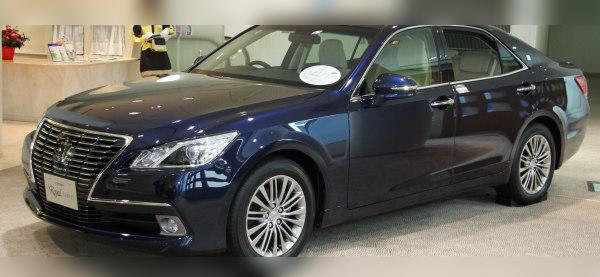
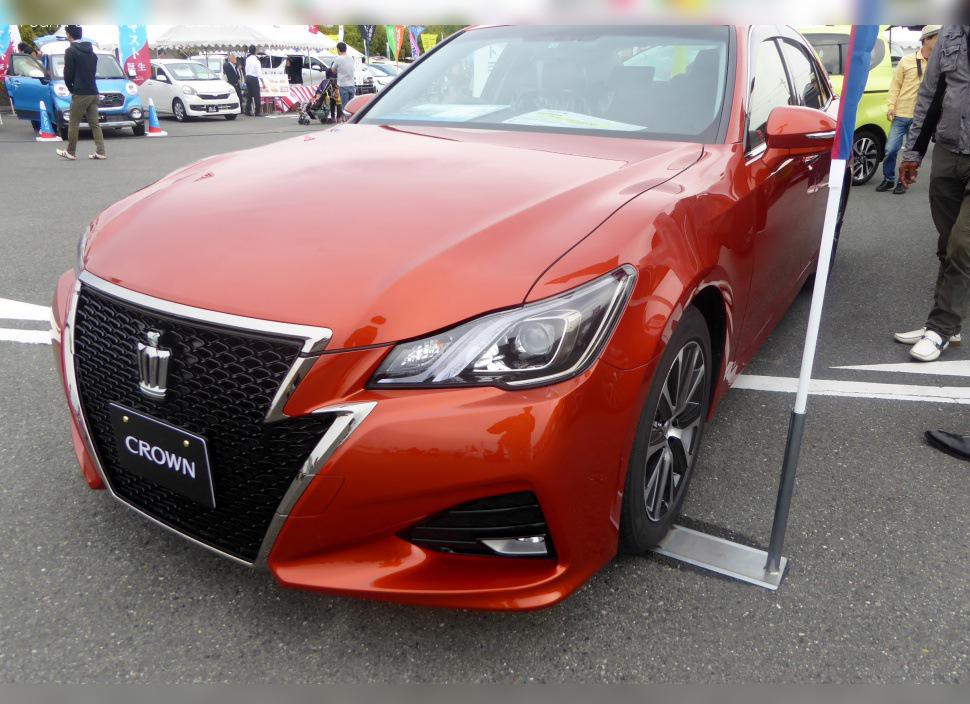
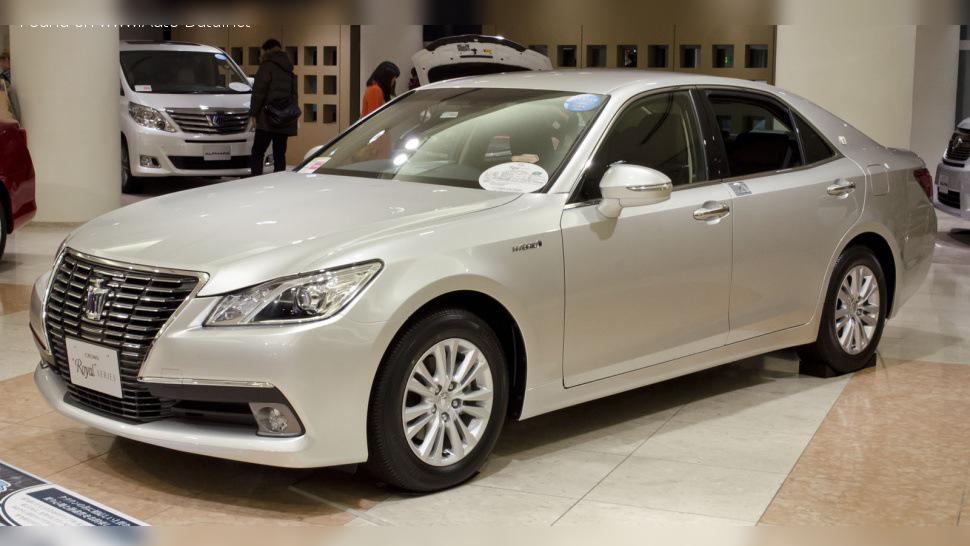
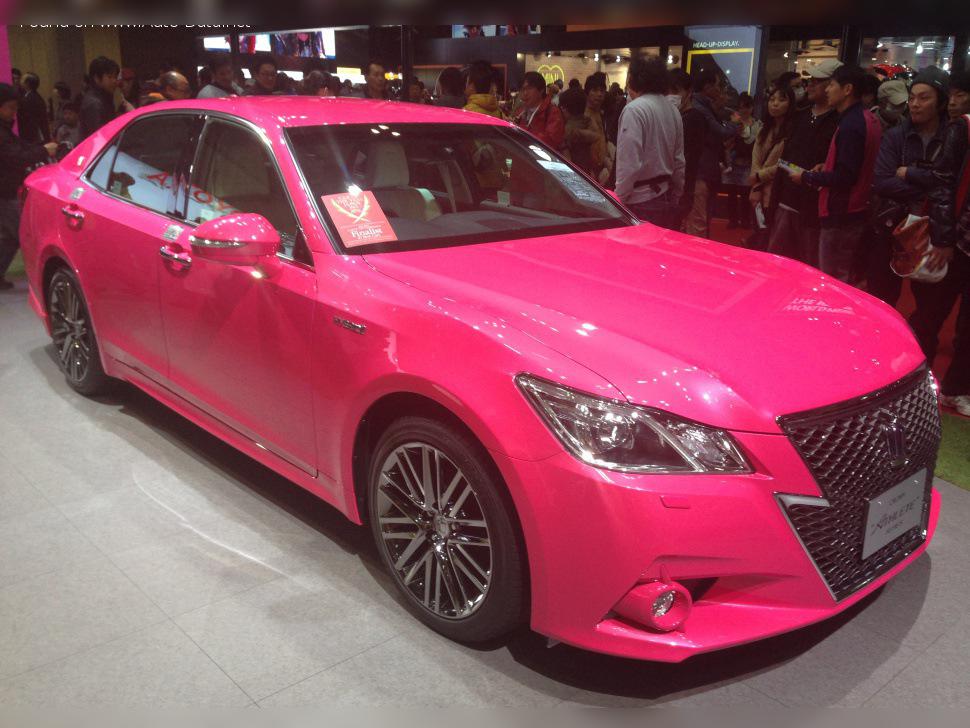
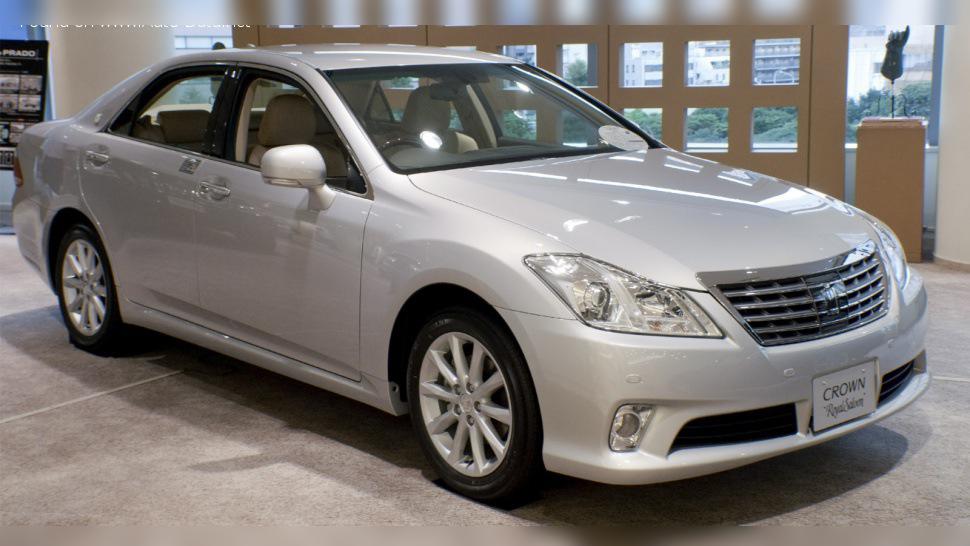
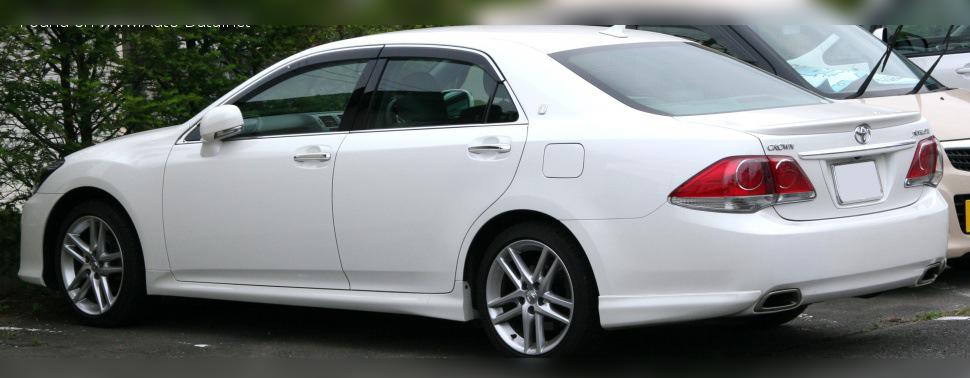
The 4GR-FSE is Toyota’s naturally aspirated 2.5‑liter V6 engine that was produced for more than a decade and has earned a reputation as an “indestructible” cruiser. It is best known from premium models such as the Toyota Crown (S200 and S210 series) and Mark X, and is also very familiar from the Lexus IS250. What sets this engine apart is its exceptional smoothness, quiet operation, and the use of the D-4 direct injection system. If you are looking for a long‑lasting sedan with an engine that doesn’t suffer from the “childhood diseases” of modern small turbo units, the 4GR-FSE is among the very best choices.
Technical specifications
| Engine displacement | 2499 cc (2.5L) |
| Power | 149 kW (203 hp) |
| Torque | 243 Nm at 4800 rpm |
| Engine code | 4GR-FSE |
| Injection type | Direct injection (Toyota D-4) |
| Induction (Turbo/NA) | Naturally aspirated engine |
| Camshaft drive | Chain (timing chain) |
Reliability and maintenance
Chain instead of timing belt
This engine uses a timing chain to drive the camshafts and the Dual VVT-i system. Therefore, there is no classic “major timing service” at a fixed mileage as with belt‑driven engines. The chain is extremely durable and is rarely replaced before 250,000–300,000 km, unless it stretches due to irregular oil changes. When the chain starts to make noise (rattling on cold start), it is time for a major service that includes a new chain set, tensioners, guides and accessory belt.
Most common issues
Although the mechanical side is fantastic, the 4GR-FSE has a few specific weak points:
- Intake valve carbon build-up: Because of direct injection, fuel does not wash over the intake valves. After about 100,000 km, hard carbon deposits accumulate. Symptoms include rough idle (shuddering), a slight loss of power and increased fuel consumption. The fix is cleaning (the so‑called “walnut blasting” method), which falls into the medium‑cost range (depends on the market).
- Water pump: It often starts leaking or “whistling” as early as 90,000–100,000 km. It is recommended to check it at every minor service. Replacement is not extremely expensive, but ignoring it can lead to overheating.
- VVT-i gear rattle (cold start rattle): On the first start in the morning you may hear a sharp scraping noise lasting 1–2 seconds. This is a known issue with the variable valve timing actuators. The sound is annoying but usually does not cause immediate catastrophic failure. Replacing the VVT-i gears is quite expensive (depends on the market).
Minor service and engine oil
The engine takes an impressive 6.3 to 6.5 liters of oil (with filter). The official recommendation is fully synthetic oil of grade 0W-20 (for maximum economy) or 5W-30 (preferable for higher‑mileage cars in summer). Does it burn oil? A healthy engine should not consume more than 0.5 liters per 10,000 km. However, if carbon build‑up is neglected and the piston rings seize, oil consumption can jump to 1 liter per 2,000 km, which requires opening the engine.
Spark plugs
Since this is an advanced V6 petrol engine, it uses only iridium spark plugs. Their service life is specified at 90,000–100,000 km. Due to the V6 configuration and the intake manifold partially covering one bank, labor for replacement is somewhat more expensive than on an inline‑four, and a set of 6 iridium plugs is a noticeable cost (depends on the market).
Specific parts and costs
The engine does not have a dual‑mass flywheel when paired with an automatic transmission (which is the case in 99% of Toyota Crown models), but uses a classic torque converter. Likewise, being naturally aspirated, it has no turbochargers – meaning you will not face expensive turbo overhauls. Also, as a pure petrol engine, it has no DPF filter or AdBlue system, sparing you the headaches typical of modern diesels.
An EGR valve is present and is responsible for exhaust gas recirculation, but unlike in diesels it does not clog as aggressively, although it does contribute to faster intake manifold fouling with soot due to the D-4 injection system. The injectors themselves are durable, but since they operate at high pressure directly in the cylinder, they are sensitive to poor‑quality petrol. Replacing an injector due to pressure issues is very expensive (depends on the market).
Fuel consumption and performance
Real‑world fuel consumption
Do not be under any illusions – a heavy sedan with a V6 engine and automatic gearbox is not economical in the city. Real‑world consumption in stop‑and‑go traffic and congestion will be between 11.5 and 13.5 liters per 100 km. However, things change on the motorway; at a cruising speed of 130 km/h the engine spins at a very relaxed ~2,300–2,500 rpm (thanks to the six‑speed gearbox) and uses only 7.5 to 8.5 liters per 100 km.
On the road: Is it “lazy”?
With 203 hp and 243 Nm, this engine is not designed for racing. Crown‑series sedans are heavy (over 1.6 tons). The engine offers very linear acceleration and a fantastic sound, but due to the lack of a turbo the torque does not “kick you in the back”. Up to 3,500 rpm it feels tame, while above 4,000 rpm it shows its true character. It is aimed more at comfortable, smooth cruising than at sporty driving.
Additional options and modifications
Is this engine suitable for LPG?
Short answer: No. This engine uses D-4 direct injection. The petrol injectors are located inside the cylinder and require petrol flow through them for cooling so they do not burn out. Installing a regular sequential LPG system is not possible. Special liquid‑injection LPG systems or setups that use both LPG and petrol at the same time are required (which cancels out the savings). Installation is very expensive and not worthwhile unless you drive enormous mileages.
Chip tuning (Stage 1)
As with any naturally aspirated engine, so‑called “chipping” is a waste of money. By remapping the 4GR-FSE (Stage 1) you will gain at most 10–12 hp and a few Nm of torque at the top of the rev range, which in a heavy sedan is practically imperceptible.
Transmission and drivetrain
In models such as the Toyota Crown, the 4GR-FSE is almost exclusively paired with the proven six‑speed automatic transmission (Aisin Super ECT), which sends power to the rear wheels, or via the i-Four system to all four wheels (AWD). You will not find a manual gearbox with this engine in this generation of the Crown.
Automatic transmission maintenance
The Aisin automatic is robust, but sensitive to overheating if the old oil is never changed. The manufacturer sometimes states that the oil is “lifetime”, but any honest mechanic will tell you that this really means “until the end of the warranty period”. It is recommended to perform a transmission service every 60,000 to 80,000 km. The best option is a machine (dynamic) fluid change with flushing and replacement of the filter in the pan. Failures are extremely rare if the oil is changed regularly; otherwise you will feel jerks when engaging “D” or when shifting from second to third gear.
Buying used and conclusion
What to check when buying?
- Cold start: Arrange with the seller for the car to be completely cold (not started for at least 12 hours). On startup, listen carefully for any sharp metallic scraping/rattling from the front of the engine. If present, the VVT-i gear or timing chain is due for replacement.
- Rough idle: Put the car in D and hold the brake. If you feel fine, irritating vibrations in the steering wheel and seat, this is a clear sign of heavy intake valve carbon build‑up and sometimes worn engine mounts.
- Water pump: Visually inspect the front of the engine block. Any traces of evaporated coolant (pink/red crust) around the pulley mean the pump needs to be replaced.
Final verdict
Who is the 4GR-FSE 2.5 V6 for? This engine is ideal for drivers who value complete silence, comfort and the engineering reliability of the Japanese automotive school. It is not for street racers, it is not cheap for stop‑and‑go city driving, and it is absolutely not for those planning to run it on cheap LPG. If you are prepared for occasional intake cleaning and regular oil changes, this “old‑school” straight‑six‑style V6 will serve you faithfully, without fear of sudden failures of turbochargers and DPF filters which, fortunately, it does not have.