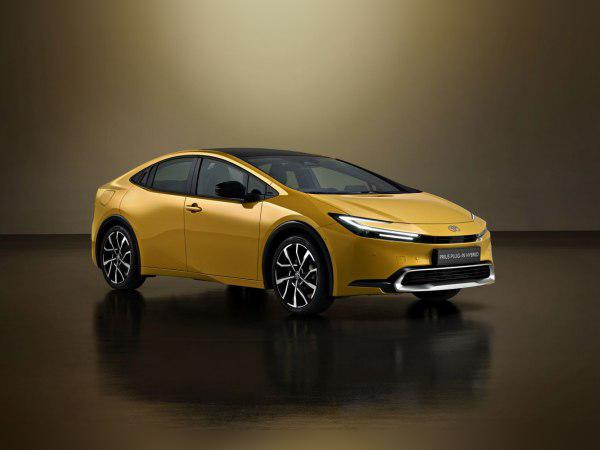
Toyota 2.0 Hybrid (M20A-FXS) engine: Experiences, issues, fuel consumption and used-car buying tips
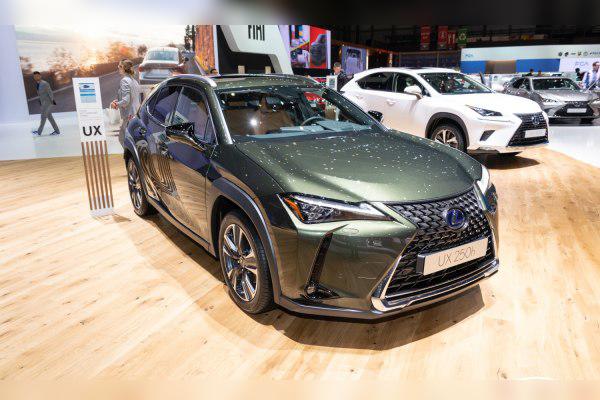
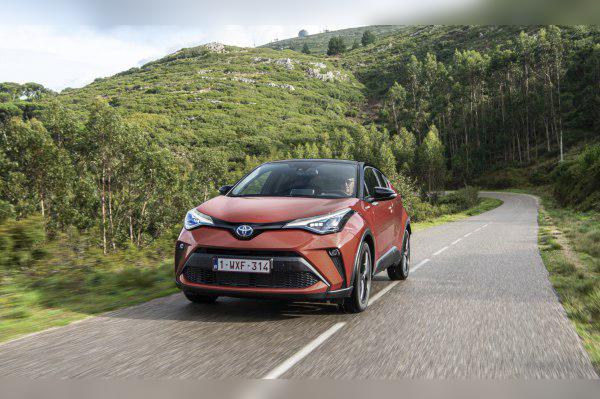
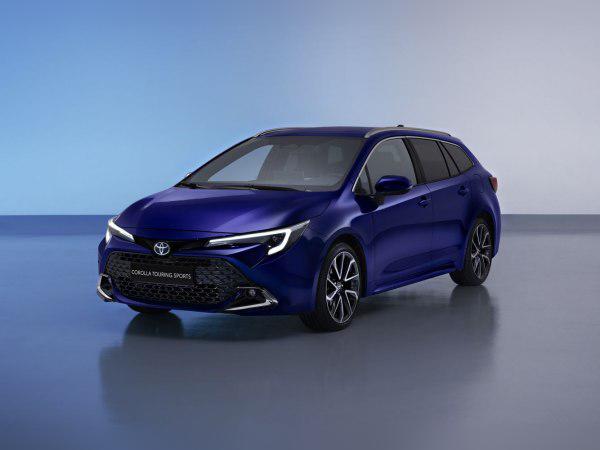
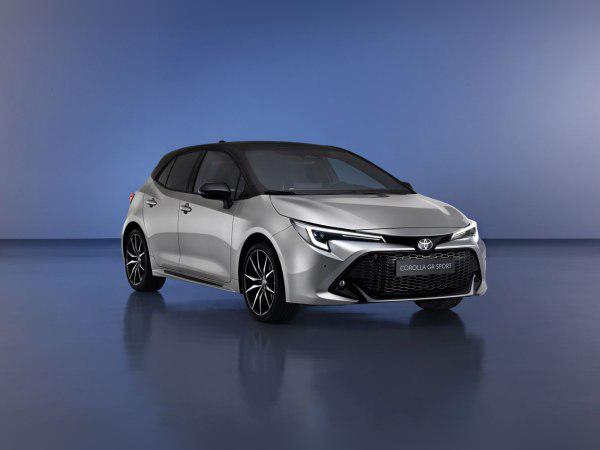
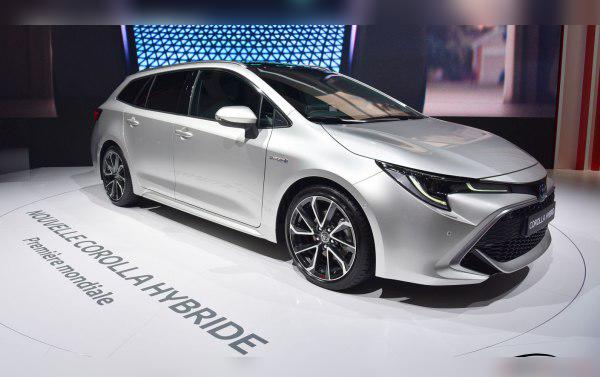
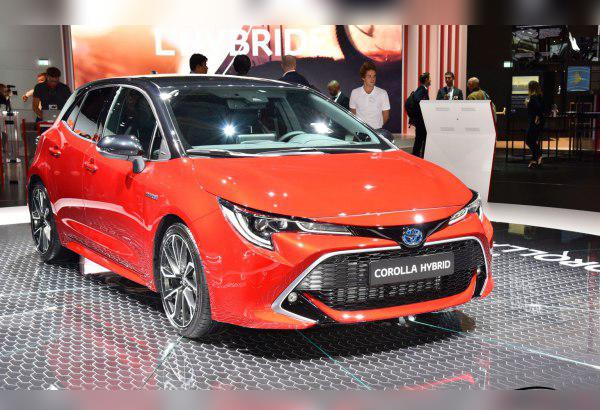
When people talk about modern, reliable engines, Toyota and Lexus hybrid units regularly take first place. The M20A-FXS 2.0‑liter engine is the backbone of the newer generation of hybrid powertrains and is installed in some of the most popular models worldwide, including the Toyota Corolla, C-HR, RAV4 (in some markets), Prius, as well as the luxury Lexus UX. Designed to provide the perfect balance between efficiency and performance, this unit eliminates the complaints about “sluggishness” that followed its smaller 1.8‑liter sibling.
As a technical editor with many years of hands-on experience “under the hood”, I will analyze this engine down to the smallest detail – from mechanics and maintenance costs, to real-world fuel consumption and what awaits you once the car is out of warranty.
Key points in short (TL;DR)
- Exceptional reliability: Naturally aspirated engine without turbo, DPF or conventional clutch minimizes the number of potential failures.
- Low fuel consumption: In city driving it easily achieves under 5.0 l/100 km.
- Timing chain drive: No need for a classic and expensive “major service”.
- D-4S injection: Combination of direct and port injection prevents carbon buildup on the valves.
- Only one type of transmission: Mated exclusively to a planetary e-CVT transmission (no dual-mass flywheel and no conventional clutch).
- Not suitable for LPG or tuning: High compression and Atkinson cycle operation make it uneconomical for LPG and pointless for software power upgrades.
Contents
- Introduction and engine applications
- Technical specifications
- Reliability and maintenance
- Specific components and costs
- Fuel consumption and performance
- Additional options and modifications
- Transmission and power delivery
- Buying used and conclusion
Introduction and engine applications
The M20A-FXS engine belongs to the Dynamic Force family of power units. It operates on the Atkinson cycle, which maximizes thermal efficiency (here an impressive 41%). The petrol engine alone delivers 112 kW (152 hp), but since it is always installed as part of a hybrid system (in combination with one or more electric motors), the total system output ranges from 180 hp up to 223 hp in Plug-in Hybrid variants (PHEV).
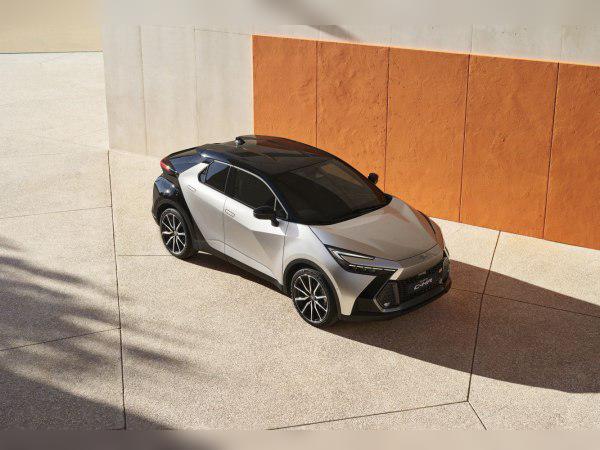
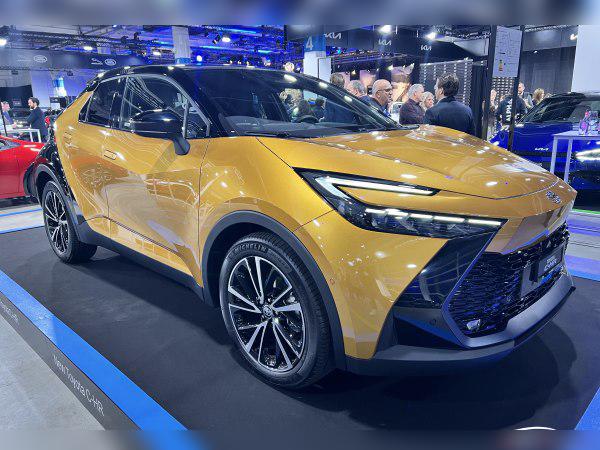
Thanks to this unit, models such as the second-generation Toyota C-HR, Corolla Cross and Lexus UX have gained serious driving dynamics while retaining the characteristic fuel efficiency of hybrids.
Technical specifications
| Specification | Data |
|---|---|
| Engine displacement | 1986 cc |
| Power (ICE only) | 112 kW (152 hp) - System output up to 223 hp |
| Torque | 188 Nm (plus electric motor torque) |
| Engine code | M20A-FXS |
| Fuel type | Petrol (Gasoline) |
| Injection type | D-4S (Combined: Direct + Port) |
| Induction | Naturally aspirated (No turbo) |
Reliability and maintenance
Does this engine have a timing belt or chain?
The M20A-FXS uses a timing chain to drive the camshafts. In practice, this chain is designed to last as long as the engine itself. There are none of those well-known chain stretching issues at 100,000 km that plague some German engines. If the oil is changed regularly, the chain should remain quiet well beyond 300,000 km.
At what mileage is the major service done?
A classic “major service” on this engine does not exist. Since there is no timing belt that requires preventive replacement, your maintenance is reduced to checking the auxiliary belt (which drives the water pump, although on some variants the pump is fully electric) and the coolant. The electric water pump and thermostat are usually inspected at around 150,000 km. Regular maintenance costs are very low (depending on the market).
Engine oil: Capacity and consumption
This engine takes about 4.3 liters of oil including the filter. The manufacturer strictly recommends very thin synthetic oil of grade 0W-16 or 0W-20. Due to the very tight tolerances inside the block and the goal of reducing internal friction, you must not use thicker oil (forget the “mechanic’s favorite” 10W-40). As for oil consumption, engines from the Dynamic Force series are very well sealed. Mild consumption (up to 0.5 liters per 10,000 km) can appear under more aggressive highway driving, which is completely normal for high-compression engines. Oil leaks at gaskets and crankshaft seals are extremely rare.
Spark plugs
According to the factory manual, spark plugs are replaced at 90,000 km. Although these are more expensive iridium plugs, their service life is extended by the fact that in city driving the engine often doesn’t run at all, as the car moves on electric power. Symptoms of worn spark plugs on this hybrid include slight jerking when the petrol engine “kicks in” under acceleration.
Most common issues
Overall, this is one of the most reliable engines on the market today. However, no system is perfect. At higher mileages (over 150,000 km), EGR valve and EGR cooler fouling can occur. Symptoms include rougher running when cold and the “Check Engine” light coming on. Occasionally, faults are also recorded on the electric valves that regulate coolant flow, which leads to slower cabin warm-up in winter. Repairs of these sensors are not particularly expensive (depending on the market).
Specific components and costs
Injection system and intake manifold
This is where the engineering really shines. The engine features the D-4S injection system. What does that mean? It has a total of 8 injectors – 4 in the intake manifold (port injection) and 4 directly in the cylinder. Under low load and at idle, the engine uses port injection, which also “washes” the intake valves with the fuel mixture. Under heavier throttle, it switches to direct injection. Because of this, the M20A-FXS does not suffer from carbon buildup on the intake valves, which is a major problem on many modern engines with direct injection only. The injectors are long-lasting and very rarely fail.
Turbo, DPF and EGR
Let’s immediately clear up the fears of many used-car buyers: This engine DOES NOT have a turbocharger, DOES NOT have a DPF filter (it’s a petrol engine, of course), and DOES NOT have an AdBlue system. Because of this, it is extremely cheap to run in the long term. It does have the aforementioned EGR valve, which returns part of the exhaust gases back into the combustion chamber to reduce combustion temperature and NOx emissions. If you mostly drive short trips, preventive cleaning of the EGR system is recommended every 100,000 km.
Fuel consumption and performance
City driving
This is where the hybrid system truly shines. In stop-and-go traffic, the electric motor does most of the work, while the M20A-FXS petrol engine only steps in to recharge the battery or provide strong acceleration. Real-world city consumption ranges between 4.5 and 5.5 l/100 km. In warmer months, this figure can drop to around 4.0 liters. There is no diesel engine of similar power that can match these numbers in urban congestion.
Is it sluggish?
Earlier 1.8 hybrids (especially in heavier cars) were often criticized for a “rubber band” feel under acceleration and running out of breath on inclines. The M20A-FXS solves this problem. Thanks to a combined output of nearly 200 hp in most models (for example in the Corolla Cross or C-HR), 0–100 km/h takes about 7.5–8 seconds. The car is very lively and not sluggish at all, and throttle response is instant thanks to the electric motor, which delivers maximum torque immediately.
Highway driving
Many people think that hybrids struggle and consume a lot on the highway, but this is not the case with the 2.0 unit. Due to the significantly larger displacement compared to the 1.8 and the extra torque, at 130 km/h the engine runs much more relaxed. Because of the specific nature of the e-CVT transmission, you cannot always read exact rpm, as they depend on load (road gradient and wind). During steady cruising, the e-CVT keeps the engine at low revs, simulating a long gear ratio. Fuel consumption at 130 km/h is around 6.0 to 6.5 l/100 km. Under strong acceleration at higher speeds, the engine will rev higher, which will be heard as a steady, constant sound characteristic of this type of drivetrain.
Additional options and modifications
LPG conversion
Is it possible? Physically, yes. Is it recommended? No. The M20A-FXS engine runs a very high compression ratio (14:1) on the Atkinson cycle and features a complex dual injection system. To install an LPG system that can handle this properly, you need top-tier equipment and a specialist with very specific knowledge. The installation is very expensive (depending on the market). Considering that the car already uses around 5 liters in city driving, the return on investment of such a modification is very poor, while the risk of valve seat recession is significant.
Chip tuning (Stage 1)
Since this is a naturally aspirated engine tied into a strictly calibrated electronic system for the transmission and battery, “chip tuning” this engine is basically a waste of money. Any potential power increase would bring maybe 5–8 hp on the petrol engine, which you wouldn’t even feel in real driving, while you would risk damaging the hybrid system control units.
Transmission and power delivery
Types of transmission
There is no manual gearbox option for the M20A-FXS, nor is there a conventional automatic (with torque converter) or a dual-clutch transmission (DSG). It comes exclusively paired with an e-CVT transmission (Electronic Continuously Variable Transmission). It’s important to emphasize: This is not a traditional CVT with a fragile belt and cones that can slip (like Audi’s Multitronic). Toyota’s e-CVT is actually a planetary gearset (gears) combined with two large electric motors (MG1 and MG2). The mechanical robustness of this assembly is impressive.
Dual-mass flywheel and clutch
Here is another piece of great news: This engine DOES NOT have a dual-mass flywheel, and DOES NOT have a conventional clutch (disc and pressure plate). Instead of a dual-mass flywheel, it uses a simple damper plate at the junction between the petrol engine and the transmission. As a result, there is no 1000+ euro expense for replacing a clutch kit and dual-mass flywheel. Power transfer is controlled exclusively via electricity within the transmission.
Transmission maintenance
The most common failures on this transmission in practice – do not exist. It is extremely reliable if maintained properly. Although authorized dealers often claim that the transmission fluid is “lifetime”, real-world experience shows that the fluid degrades due to high temperatures from the integrated electric motors. A strong recommendation is to change the transmission fluid (Toyota ATF-WS) using the drain-and-fill method every 60,000 to a maximum of 90,000 km. The procedure is not complicated and does not require expensive internal filters, so the service is affordable (depending on the market).
Buying used and conclusion
What to check when buying?
When buying a used car with this engine (Corolla, C-HR, Lexus UX), the petrol engine itself is the least of your worries. The key steps are as follows:
- Hybrid battery condition: ALWAYS ask an authorized dealer for a printed diagnostic report of the battery health (Hybrid Health Check). In Europe, Toyota/Lexus offer an extended battery warranty up to 10 years with regular annual checks.
- Noises on cold start: When the car is cold, start it and wait for the diagnostics to switch to petrol engine operation. Listen for harsh metallic noises or loud rattling from the area between the engine and the transmission. If you hear a strong knock, the damper plate may be worn (most common on vehicles that have spent a long time in taxi service and in stop-and-go conditions).
- Oil service history: The engine has VVT-iE (electrically controlled variable valve timing). This system depends on clean oil to maintain proper pressure. Skipping services kills this engine faster than high mileage. Make sure the oil has been changed at least every 15,000 km or once a year.
Who is this engine for?
The Toyota 2.0 hybrid with the M20A-FXS engine is aimed at drivers who want top-tier reliability, low city fuel consumption and no longer wish to compromise on power when overtaking on country roads. This is “workhorse” technology in a modern package. While it will not pin you to the seat with low-end torque like a 2.0‑liter turbodiesel, it will provide an incredibly smooth and quiet ride. If you find a car with a properly stamped service book and a healthy battery, buy without fear – you have hundreds of thousands of relaxed kilometers ahead of you.