2.0 CRDi D4EA Engine (140 HP): Owner Experiences, Common Issues, Fuel Consumption and Used-Buying Tips
Key points in brief (TL;DR)
- Robust base: The engine is known for its durability and ability to cover high mileage with regular maintenance.
- Timing belt: Unlike newer CRDi engines, the D4EA uses a timing belt, not a chain.
- Injection system: Reliable Bosch Common Rail system, but injectors and the high-pressure pump can start to show wear after 250,000 km.
- City driving: The DPF filter and EGR valve are sensitive to frequent short trips, which leads to clogging and loss of performance.
- Transmissions: The manual gearbox requires replacement of the more expensive dual-mass flywheel, while the old 4-speed automatic is reliable but increases fuel consumption.
- No AdBlue: Given the engine’s generation, you are spared from AdBlue system issues.
Contents
- Introduction: The Korean workhorse
- Technical specifications
- Reliability and maintenance
- Specific parts and costs
- Fuel consumption and performance
- Tuning options and modifications
- Gearbox and drivetrain
- Buying used and conclusion
Introduction: The Korean workhorse
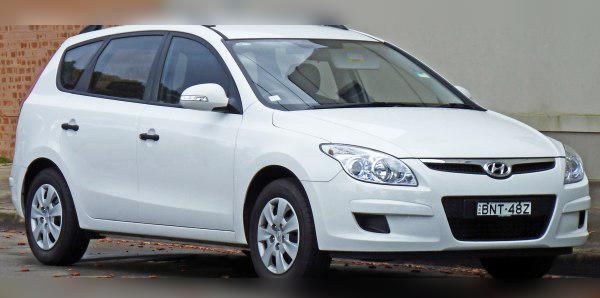
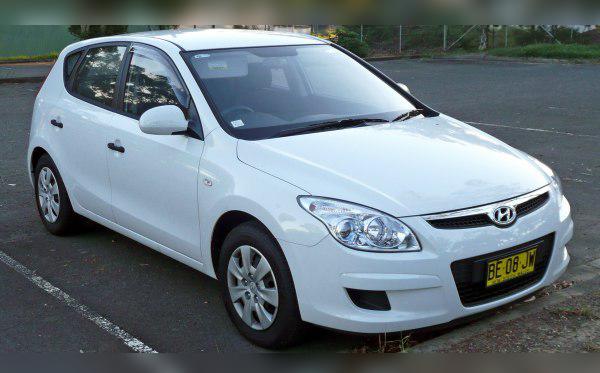
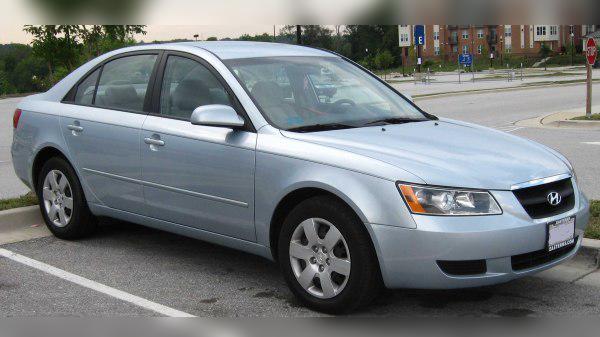
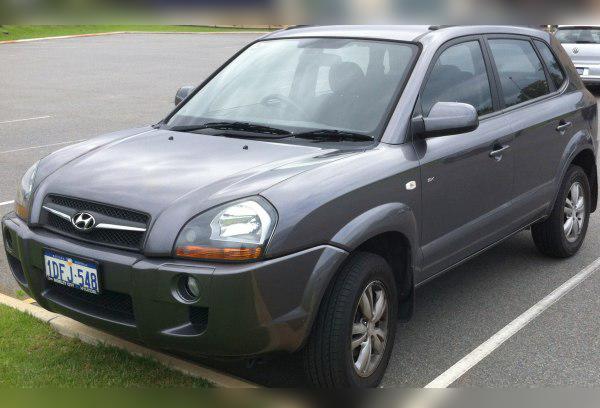
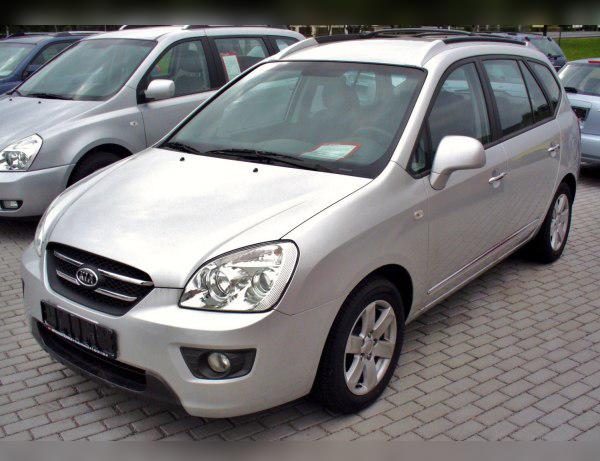
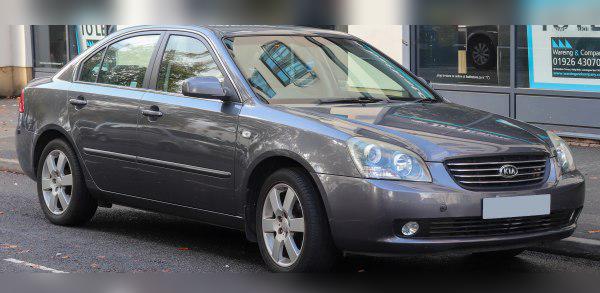
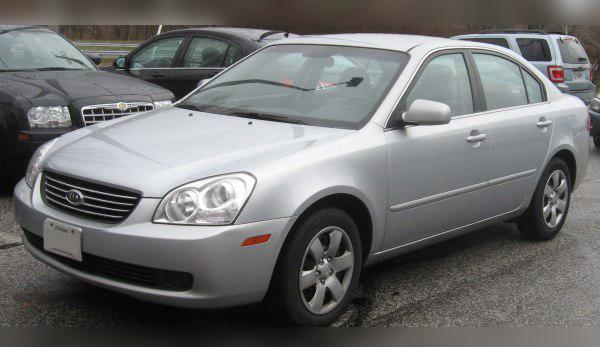
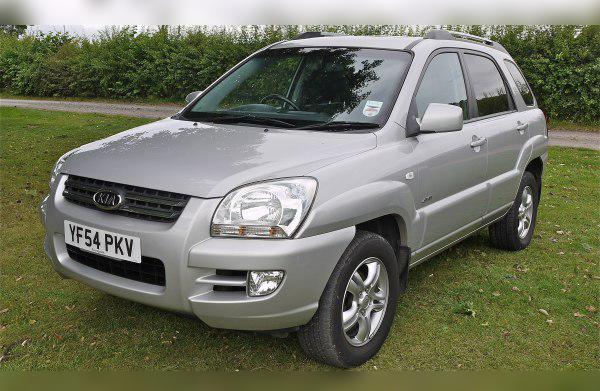
The D4EA engine in its 103 kW (140 HP) version was the backbone of the diesel lineup for Hyundai and Kia group vehicles throughout the 2000s. Developed in cooperation with Italian specialists (VM Motori), this 2.0-liter 16-valve Common Rail diesel unit found its place in a wide range of body styles – from compact hatchbacks such as the Hyundai i30 and Kia Cee'd, through elegant sedans like the Sonata and Magentis, all the way to popular SUVs like the Tucson and Sportage. It is important because it represents a transitional generation towards the more modern R-series engines, offering an excellent balance between power, torque and running costs, which still makes it a frequent choice on the used market today.
Technical specifications
| Specification | Data |
|---|---|
| Displacement | 1991 cc |
| Power | 103 kW (140 HP) |
| Torque | 305 Nm |
| Engine code | D4EA |
| Injection type | Common Rail (Bosch EDC16) |
| Charging type | Variable-geometry turbocharger (VGT), intercooler |
Reliability and maintenance
Timing drive and major service
Unlike many rivals from that period, as well as later Hyundai/Kia engines, the D4EA does not use a timing chain but a timing belt. An interesting technical detail is that the timing belt drives the exhaust camshaft, while the intake camshaft is linked to the exhaust cam via a short chain inside the cylinder head itself. The major service, which includes replacement of the timing belt, tensioner, idler pulleys and water pump, is recommended every 90,000 to 120,000 km. It is also advisable to inspect that short chain in the head at around 200,000 km, because if it stretches, the engine changes its sound and valve timing can go out of sync.
Oil and regular servicing
This engine takes about 5.9 liters of engine oil. It is best to use fully synthetic oil of 5W-30 or 5W-40 grade. If the car is equipped with a DPF filter (which depends on model year and target market, mostly Euro 4 compliant cars), it is mandatory to use oil with the ACEA C3 specification so that ash from the oil does not permanently clog the filter. The engine should not noticeably consume oil between services. A loss of 0.5 to 1 liter per 10,000 km can be tolerated on high-mileage cars, but any higher consumption usually points to problems with piston rings, valve stem seals or oil leaks at the turbo shaft.
Failures and injectors
The injection system is made by Bosch (EDC16), which is good news. The injectors are solenoid type and quite durable. Their average lifespan is around 250,000 to 300,000 km, provided that quality fuel is used and the fuel filter is changed regularly. When they start to fail, the driver will notice harder cold starts, rough idle ("shaking"), increased black smoke from the exhaust and possibly a check engine light. The most common issue is failure of the leak-off valves in the injectors. Injector refurbishment is a routine job for a Bosch diesel specialist and costs vary by market – it is not extremely expensive, but it does require a certain budget.
Specific parts and costs
Dual-mass flywheel and turbocharger
Models equipped with a manual gearbox have a dual-mass flywheel. Its job is to dampen the vibrations of the strong diesel and protect the gearbox, but it wears out over time. Symptoms of wear include strong knocks when starting and stopping the engine, vibrations at idle and jerking when setting off. Replacing the clutch kit and dual-mass flywheel is a very expensive job (costs depend on the market).
The engine uses a single variable-geometry turbocharger (VGT). The turbo’s lifespan depends mostly on oil change intervals and driving style. With regular maintenance it can easily exceed 250,000 km. A common problem is sticking of the variable-geometry vanes due to soot build-up (often on cars driven at low revs), which leads to so-called "overboost" where the engine suddenly loses power under acceleration and goes into safe mode.
DPF, EGR and AdBlue
As mentioned, this engine does not have an AdBlue system, which spares owners from issues with urea injectors, heaters and pumps. However, the EGR valve and DPF filter (if fitted) can cause headaches. The EGR valve often clogs with soot if the car is mostly driven in the city. Symptoms are loss of power, black smoke before the turbo spools up and jerking. The DPF filter also requires longer trips on open roads to perform regeneration. A clogged DPF leads to diesel dilution of the engine oil (the oil level on the dipstick rises), which can result in serious engine damage.
Fuel consumption and performance
In city driving and on-road behavior
Real-world fuel consumption in city conditions largely depends on the body style. In lighter models (Kia Cee'd, Hyundai i30) it is around 7.0 to 8.0 l/100 km. In heavier SUVs such as the Tucson and Sportage, especially with 4WD, city consumption easily exceeds 9.0 to 10.0 l/100 km. With its 305 Nm, the engine is anything but "lazy"; on the contrary, it delivers a strong torque punch at around 1,800–2,000 rpm. In hatchbacks it offers an almost sporty feel, while in heavy SUVs it is adequate, providing confident overtaking.
On the motorway
This engine performs very well on the motorway. In versions with the 6-speed manual gearbox, at 130 km/h it cruises at a very relaxed around 2,400–2,600 rpm (depending on the specific final drive ratio of the model). This ensures reasonable fuel consumption on the open road (around 6 l/100 km for hatchbacks) and a moderate noise level in the cabin. In versions with the 4-speed automatic, revs at 130 km/h are significantly higher (often over 3,000 rpm), which increases both noise and fuel consumption.
Tuning options and modifications
For those who want better performance, this engine responds very well to ECU optimization. A safe Stage 1 remap raises power from the stock 140 HP to about 170–175 HP, while torque increases from 305 Nm to an impressive 360–380 Nm. The engine internals and turbocharger have enough tolerance to handle this load as long as the engine is healthy. However, keep in mind that the increased torque puts additional stress on the clutch and dual-mass flywheel, so a more cautious driving style is recommended, avoiding full-throttle acceleration at very low revs.
Gearbox and drivetrain
Gearbox options and common issues
The D4EA engine is most commonly paired with a 6-speed manual gearbox or an older, conventional 4-speed hydraulic automatic. The manual gearbox is generally robust, but at higher mileage the synchros for second and third gear tend to wear (making it harder to engage gears when the gearbox is cold). As already mentioned, the biggest expense related to the manual transmission is not the gearbox itself, but the clutch kit and dual-mass flywheel.
The 4-speed automatic gearbox is technologically outdated, shifts quite slowly and noticeably reduces performance while increasing fuel consumption. However, its mechanicals are extremely reliable if maintained properly. It rarely suffers from serious electronic or clutch pack failures if the oil is changed on time.
Gearbox servicing
For the manual gearbox, an oil change is recommended every 80,000 to 100,000 km. Although some manufacturers claim the oil is "lifetime fill", real-world experience shows that fresh oil significantly extends the life of bearings and synchros.
For the automatic gearbox, regular servicing is absolutely essential. The automatic transmission fluid and its filter must be changed strictly every 60,000 km. Exceeding this interval leads to sludge and metal particles forming, which over time destroy the valve body inside the transmission.
Buying used and conclusion
What you must check
Before you hand over your money for a car with this engine, you need to do the following:
- Cold start: The engine should start instantly, without rough running, jerking or white/blue smoke. Pay attention to metallic knocks when shutting the engine off (dual-mass flywheel).
- EGR and turbo inspection: During the test drive, try a hard acceleration. The car should pull smoothly from 1,800 rpm without hesitation or going into safe mode.
- Diagnostics (OBD): Reading live data is a must. Check injector correction values at idle, as well as DPF status (soot loading in grams and time since last regeneration). This information cannot be seen with the naked eye and requires an OBD scanner.
- Service history: Since the engine uses a timing belt, ask for proof of the major service. If there is no proof, factor in the cost of a complete timing kit replacement immediately after purchase.
Conclusion: Who is this engine for?
The 2.0 CRDi D4EA 140 HP engine is an excellent choice for drivers who need a reliable and strong diesel, primarily for highway and out-of-town driving. Thanks to the proven Bosch injection system and the robust engine block, it will cover hundreds of thousands of kilometers without needing to be opened, provided that the major service is not neglected. However, it is not recommended for drivers who spend 90% of their time in traffic jams due to potential DPF and EGR issues. Its maintenance is not extremely expensive compared to modern Euro 6 diesels, but a potential buyer must be financially prepared for a possible clutch and dual-mass flywheel replacement on manual versions, as well as a turbocharger overhaul at higher mileage.