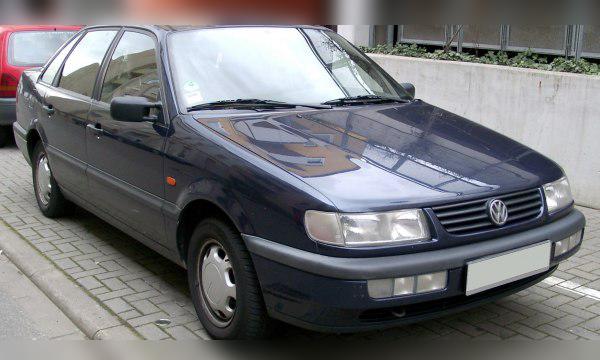
1.9 TDI 1Z Engine (90 HP): Experiences, Problems, Fuel Consumption and Used Car Buying Tips
- Extremely reliable old-school engine, known for often exceeding 500,000 km without opening the block.
- No dual-mass flywheel, which drastically reduces maintenance and clutch replacement costs.
- Uses a rotary Bosch VP37 pump – very durable, but can start leaking due to age (easy and cheap to reseal).
- No problematic DPF filter or AdBlue system.
- The engine is quite noisy and has rough vibrations compared to newer diesels.
- Ideal for lighter bodies (Golf III, Ibiza), while in heavier cars (Audi A6 C4, Passat B4) it is noticeably "lazy".
Contents
- Introduction: The Legend That Started the TDI Revolution
- Technical Specifications
- Reliability and Maintenance
- Specific Parts and Costs
- Fuel Consumption and Performance
- Additional Options and Modifications
- Gearbox and Clutch
- Buying Used and Conclusion
Introduction: The Legend That Started the TDI Revolution
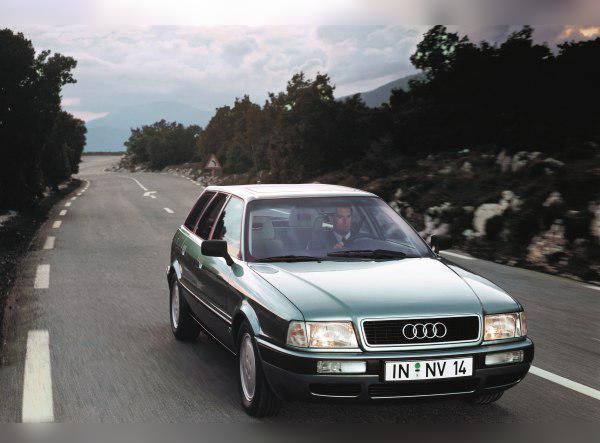
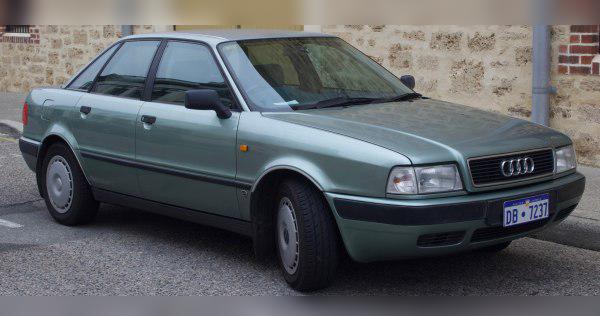
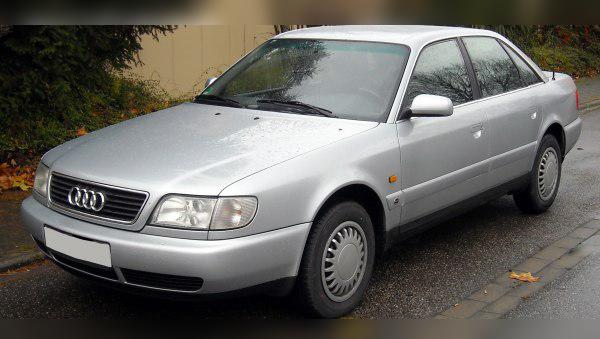
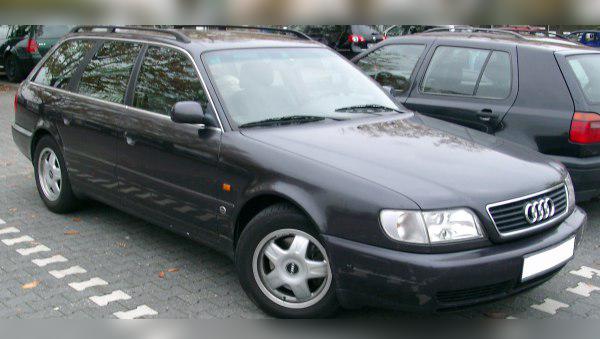
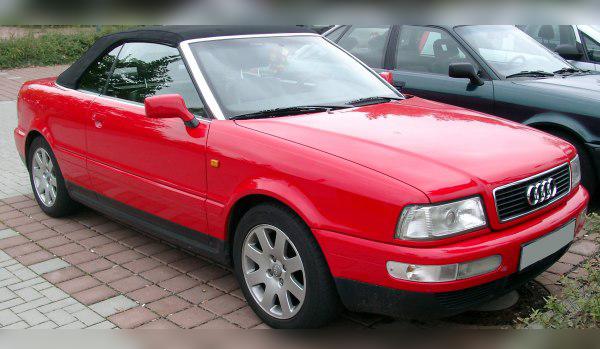
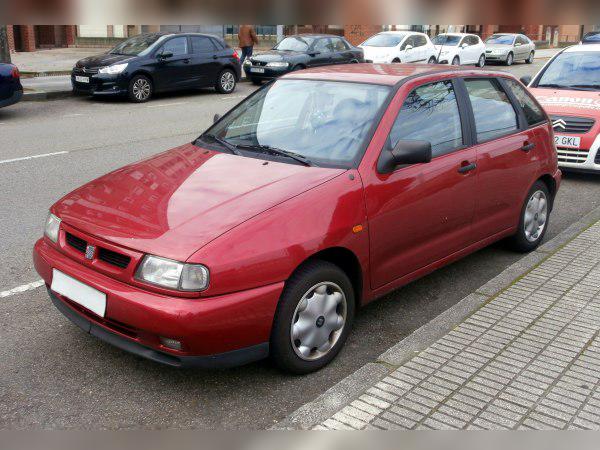
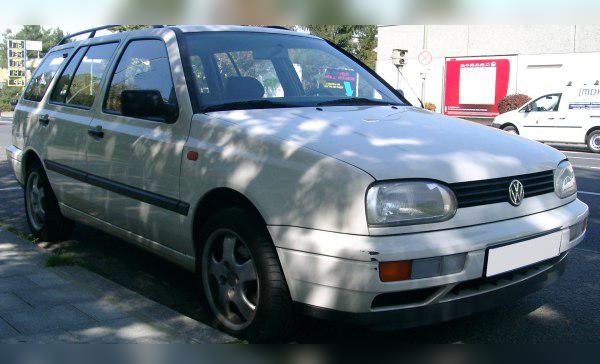
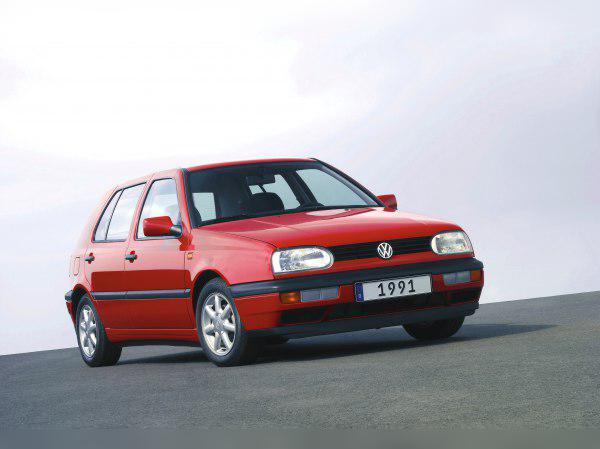
When mechanics talk about engines that "can do a million kilometers", they usually mean the 1.9 TDI with the 1Z code. This engine debuted in the early nineties and brought a revolution by introducing direct fuel injection into passenger cars. It was installed in a wide range of vehicles across Europe, from compact models such as the VW Golf III and Seat Ibiza II, to D and E segment heavyweights like the VW Passat B4 and Audi A6 C4.
Its engineering is crude but extremely effective. Although by today’s standards it sounds like a tractor, this engine laid the foundations for economical driving, combining low fuel consumption with impressive longevity. Unlike newer and more complex Pumpe-Düse or Common Rail engines, the 1Z relies on simple mechanics that rarely leave you stranded.
Technical Specifications
| Parameter | Data |
|---|---|
| Displacement | 1896 cc |
| Engine power | 66 kW (90 HP) |
| Torque | 202 Nm |
| Engine code | 1Z |
| Injection type | Direct injection, Bosch VP37 rotary pump |
| Charging | Turbocharger (wastegate) + intercooler |
Reliability and Maintenance
This unit uses a timing belt for valve timing. Since it is an older generation, the major service (replacement of timing belt, tensioner, rollers and water pump) is usually done every 60,000 to 80,000 km or every 5 years. Skipping this interval leads to valve and cylinder head damage. The cost of the major service falls into the category: not expensive (depends on the market), because parts are widely available and cheap.
Most common failures and symptoms
Although the engine block is virtually indestructible, after 25–30 years of use the peripherals start to show weaknesses. The biggest and most serious specific problem of the 1Z engine is the crankshaft pulley (the so-called "keyway" or "wobbling" of the crankshaft nose). Due to a poorly designed bolt or unprofessional installation during the major service, the pulley can develop play. Symptoms are the pulley jumping while the engine idles, strange noises and fluctuating injection timing. If not resolved in time, it destroys the crankshaft nose, which requires removing and machining the crankshaft.
Other common issues include vacuum hoses that crack over time, causing loss of power (the engine goes into limp mode), as well as failures of the N75 valve that controls turbo pressure.
Oil and injectors
The oil pan holds about 4.3 to 4.5 liters of oil. It is recommended to use a semi-synthetic 10W-40 or a quality synthetic 5W-40 that meets the VW 505.00 specification. Oil consumption exists, but is not alarming. It is normal for this engine to consume around 0.5 to 1 liter of oil between two minor services (every 10,000 km). If it consumes more, it is usually due to worn valve stem seals or leakage in the turbo itself.
The injection system relies on classic, two-stage mechanical injectors. On the third cylinder there is an injector with a needle lift sensor. These injectors are extremely robust, incomparably more durable than modern systems and often easily last over 300,000 to 400,000 km. When they wear out, the symptoms are black smoke from the exhaust, harder starting and higher fuel consumption. Injector overhaul (replacement of nozzles) is very cheap.
Specific Parts and Costs
One of the best pieces of news for future owners is the fact that the 1Z engine does not have a dual-mass flywheel. It uses a solid flywheel only, which means that clutch replacement (pressure plate, disc, release bearing) is financially completely painless – a clutch kit is very cheap (depends on the market).
The heart of this engine is the Bosch VP37 high-pressure rotary pump. It is very durable, but its main weakness is the seals and gaskets that deteriorate after so many years. The driver will notice this as difficult cold starting, the smell of raw diesel around the car or visible dampness on the pump. Resealing the pump solves the problem and falls into moderate cost.
The turbocharger is of the classic type, with a so-called wastegate valve, without variable geometry (VNT) as found on more powerful versions. This makes it much more resistant to soot and city driving. If the oil is changed regularly and you avoid switching the engine off when it is very hot right after highway driving, the turbo will last as long as the engine itself.
As for emissions, the 1Z engine was designed before modern restrictions. It has no DPF filter and no AdBlue system, which removes the two biggest nightmares of modern diesel owners. It does have an EGR valve, which often gets dirty and sticks due to soot deposits from the exhaust and oil vapors. Symptoms of a clogged EGR are engine choking, lack of power at low revs and black smoke. Cleaning it or mechanically blocking it are standard practices.
Fuel Consumption and Performance
This unit was a fuel economy champion in its era. In city driving (depending on vehicle weight), real-world consumption ranges between 5.5 and 6.5 l/100 km. On open roads and highways it can easily drop to an impressive 4.0 to 4.5 l/100 km.
Is the engine "lazy"? That depends entirely on the car it is installed in. In a VW Golf III or Seat Ibiza, its 90 HP and 202 Nm of torque provide perfectly decent performance and agility. However, if you are buying it in an Audi A6 (C4) or Passat B4 wagon, be prepared for a lack of dynamics. There the 1Z is quite sluggish; overtaking on uphill sections with a fully loaded car requires good planning and downshifting.
On the motorway, due to the older design of the 5-speed gearboxes, at a speed of 130 km/h the engine usually spins between 2,800 and 3,000 rpm. At that point it becomes noticeably loud and the droning in the cabin can be annoying on long trips, but that speed does not harm it.
Additional Options and Modifications
Although the engine is mechanically almost indestructible, electronic tuning ("chipping") of the 1Z is a bit specific. While modern cars are tuned via the OBD connector, on older versions of the 1Z the ECU contains EEPROM chips that must be physically desoldered, reprogrammed in an external programmer, and then soldered back (or installed in a socket). With a proper Stage 1 remap, power can be safely raised from 90 HP to around 110 to 115 HP, and torque increases by about 40–50 Nm. The mechanical components (clutch, turbo, crankshaft) handle this without any problems, and the car becomes noticeably livelier in heavy bodies.
Gearbox and Clutch
The 1Z engine was most often paired with a 5-speed manual gearbox (often code 02A). These gearboxes are mechanically excellent, but over the years they suffer from issues with the shift linkage, so the gear lever becomes "rubbery", or with the second-gear synchronizer, which causes grinding during fast shifts. It is recommended to change the oil in the manual gearbox every 80,000 to 100,000 km to extend the life of the bearings.
Certain models (such as the Audi 80, A6 and Golf III) came with a 4-speed automatic gearbox (often 01M). By today’s standards this gearbox is catastrophically slow and noticeably kills the engine’s performance while increasing fuel consumption by at least 1 to 1.5 liters. Common failures on these automatics include problems with the valve body, which manifest as harsh jerks when shifting, delay when engaging "D" or complete slipping. On automatics, the oil and filter must be changed every 60,000 km. If you are buying a used car with this engine, the absolute recommendation is to avoid the automatic.
As mentioned earlier, due to the use of a solid flywheel with manual gearboxes, clutch maintenance is extremely affordable.
Buying Used and Conclusion
Considering that cars with this engine have usually covered hundreds of thousands of kilometers, when buying used, the visual condition of the vehicle is often a good indicator of how the entire mechanics have been maintained. During inspection, be sure to check the following:
- Cold start: The engine should start "on half a turn" with minimal white smoke that must disappear quickly. Prolonged cranking indicates a problem with the pump, glow plugs or loss of compression.
- Crankshaft pulley: While the engine is idling, observe the pulley at the bottom of the block. It must not have any side-to-side wobble. If it "dances", walk away from that car because repairing the crankshaft is a serious job.
- Condition of the Bosch pump: Check whether the pump is leaking and whether there is a strong smell of diesel. It is a solvable but unplanned expense.
- Diagnostics (VCDS): Even though it is an old generation, diagnostics shows injection timing (TDI Timing), coolant operating temperature and sensor status, which is invaluable when buying.
Who is the 1.9 TDI 1Z for?
This engine was made for rational drivers, tradesmen, workers and all those who need an indestructible, cheap workhorse for hauling loads or everyday low-cost commuting on local and regional roads. It is not for lovers of a quiet cabin, fast overtaking or high technology. If you manage to find a car whose bodywork is not completely rusted out, the 1Z engine will, with minimal investment in basic maintenance, serve you faithfully for many more years.