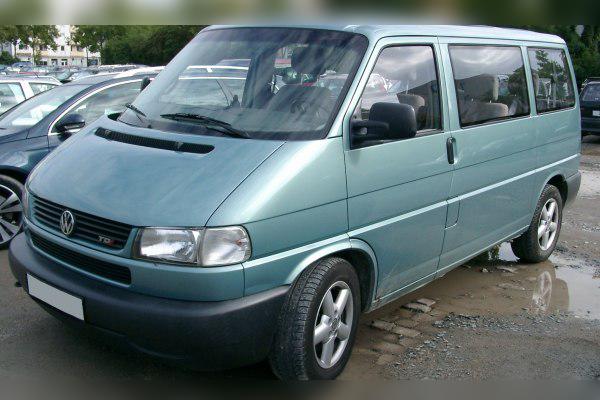
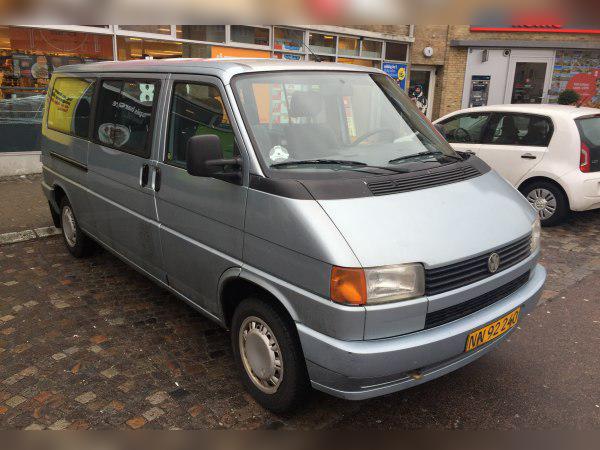
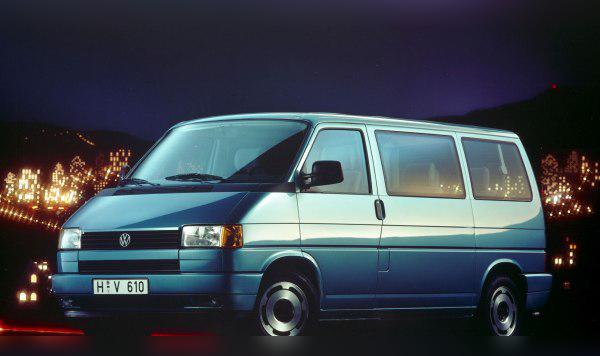
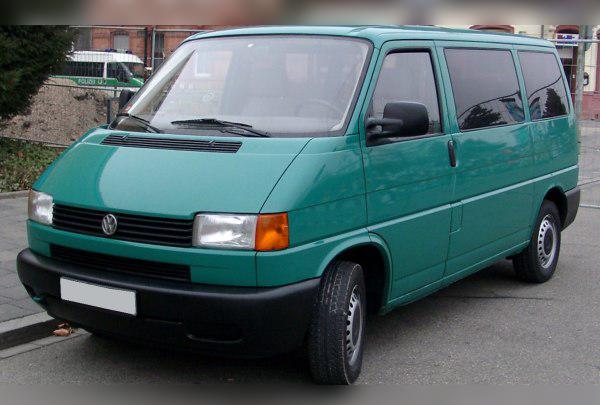
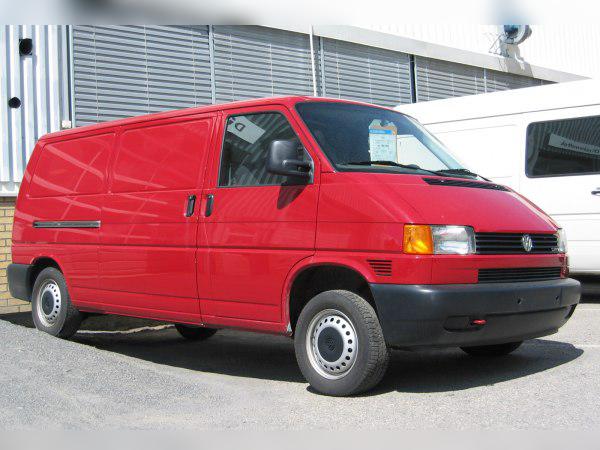
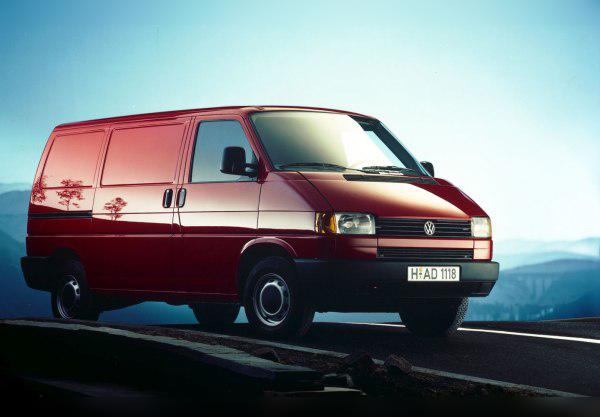
Volkswagen T4 2.0 Petrol (AAC engine) – Experiences, problems, fuel consumption and used-buying tips
- Exceptional mechanical durability: One of the simplest engines in the VW range, designed to last for hundreds of thousands of kilometres.
- Very sluggish to drive: With only 84 hp (62 kW) in the heavy T4 body, this engine is “lazy” and not intended for quick overtaking.
- High fuel consumption: In city driving, petrol consumption easily exceeds 13 l/100 km, which makes it expensive to run without modifications.
- Ideal for LPG conversion: Thanks to its simple injection system, it handles LPG perfectly, which is practically the only way to make it economical to drive.
- Cheap maintenance: No dual-mass flywheel, turbocharger, DPF filter or complex sensors. Parts are affordable: not expensive (Depends on the market).
- Pay attention to the small things: The most common issues are related to vacuum hoses, relays (especially the famous relay number 30) and the distributor.
Contents
- Introduction: Old-school VW engineering
- Technical specifications
- Reliability and maintenance
- Specific parts and costs
- Fuel consumption and performance
- Extras, LPG and modifications
- Gearbox and drivetrain
- Buying used and conclusion
Introduction: Old-school VW engineering
When we mention the fourth-generation Volkswagen Transporter and Caravelle (T4), the first association is usually the indestructible diesel engines. However, the 2.0-litre petrol unit with the AAC code is an interesting alternative, primarily for those who want extremely simple maintenance and a quiet-running engine. This engine was installed in T4 models from the early nineties until the end of production, including the facelift (1996) versions. Whether it’s a panel van, passenger Kombi or long-wheelbase Caravelle, the AAC engine did its job quietly and faithfully, but without any sporting ambitions.
Technical specifications
| Feature | Value |
|---|---|
| Engine displacement | 1968 cc |
| Engine power | 62 kW (84 hp) |
| Torque | 159 Nm |
| Engine code | AAC |
| Fuel type | Petrol (Gasoline) |
| Injection type | Electronic fuel injection (Digifant multipoint) |
| Induction type | Naturally aspirated |
Reliability and maintenance
This 2.0-litre eight-valve engine uses a classic timing belt to drive the camshaft. It is recommended to do a major service (replacement of timing belt, tensioner and water pump) every 90,000 to a maximum of 100,000 kilometres, or every 5 to 6 years, whichever comes first. A snapped belt can lead to valve damage; although on some older 8V engines damage can sometimes be avoided (depending on rpm), it is definitely not a risk worth taking.
The engine oil capacity is approximately 4.5 litres, and the recommended grade for this older-generation engine is usually 10W-40 semi-synthetic. Given the age of these vehicles, some oil consumption is normal. An amount of 0.2 to 0.5 litres per 1,000 km can be tolerated. The most common cause of increased consumption is worn valve stem seals or oil control rings. A typical symptom of bad valve stem seals is bluish smoke from the exhaust on the first cold start in the morning or after idling for a longer period.
Since this is a petrol engine, regular maintenance of the ignition system is crucial. Spark plugs should be replaced every 30,000 to 40,000 kilometres. The distributor cap, rotor arm and spark plug leads also require periodic inspection, as moisture and worn leads can cause jerking while driving and loss of power.
Most common failures
Mechanically, the bottom end of the engine (block, crankshaft, pistons) is practically indestructible. However, the AAC suffers from peripheral electrical and vacuum “gremlins”. The most notorious issue is the ECU relay (the famous Relay 30 or 109). When it fails due to bad solder joints, the engine will randomly stall while driving or refuse to start when hot. Another common problem is the idle stabilisation valve (ISV), which gets clogged with carbon, resulting in fluctuating idle speed or stalling when you press the clutch. Cracks in the vacuum hoses around the intake manifold also cause a lean mixture and unstable engine operation.
Specific parts and costs
What makes this engine popular among tradespeople is the absence of expensive and complicated components. The AAC engine does not have a dual-mass flywheel, but uses a conventional solid flywheel, which drastically reduces the cost of clutch replacement: the expense is very reasonable, i.e. not expensive (Depends on the market).
The injection system is Volkswagen’s well-known Digifant. Although electronically more advanced than a carburettor, it is extremely reliable. Petrol injectors rarely fail, but after decades of use they can become clogged. Symptoms include harder starting and rough running at low rpm. Preventive ultrasonic cleaning of the injectors solves the problem in 99% of cases.
Forget about the worries that plague modern drivers. This engine has no turbocharger, no DPF filter, and certainly no AdBlue system, which often fails and requires expensive maintenance on modern vans. This is a classic naturally aspirated petrol engine without any emission-control add-ons that would complicate diagnostics.
Fuel consumption and performance
This is where we come to the biggest weakness of the AAC engine. The T4, especially in Long (extended) and high-roof (H2) versions, is a heavy vehicle, often weighing over 1,700 kg empty. An engine with 84 hp and 159 Nm of torque is extremely “lazy” for such a body. Acceleration is slow, and overtaking on country roads requires serious planning and a good run-up. If the van is fully loaded with cargo or passengers, its performance is on the level of a work machine.
Real-world fuel consumption in city driving is high. It is difficult to get it below 12 l/100 km, while in traffic jams and with a load that figure easily reaches 14 to 15 l/100 km of petrol. On the open road the situation is somewhat better (around 9 to 10 l/100 km), but the motorway is not this van’s natural habitat.
On the motorway, brick-like aerodynamics and short gearing in the gearbox take their toll. At a cruising speed of 130 km/h, the engine revs very high (often over 3,800 rpm), resulting in a lot of noise in the cabin and a dramatic increase in fuel consumption. Its ideal cruising speed is around 90–100 km/h.
Extras, LPG and modifications
Given the extremely high petrol consumption, the logical question is LPG conversion. The answer is simple: the AAC engine is absolutely perfect for LPG installation. Thanks to its older type of multipoint injection and robust valves, a sequential LPG system can be installed easily and cheaply. There are no known issues with overheating or valve damage on LPG, provided the map is properly tuned. Because of this, most T4 petrol vans on the used market already have LPG fitted, which actually makes running this vehicle very cost-effective.
As for software modifications, so-called “chipping” (Stage 1) on naturally aspirated petrol engines from the nineties makes no sense at all. By remapping the ECU on a non-turbo engine you can gain at most 3 to 5 hp, which is completely unnoticeable in real driving, and you’ll just be throwing money away.
Gearbox and drivetrain
The AAC engine was most commonly paired with a five-speed manual gearbox (the best-known code is 02B). There was also an option of a 4-speed automatic, but it is very rare and advisable to avoid. Old VW automatics from this era are slow, significantly increase the already high fuel consumption and are prone to expensive failures if the oil has not been changed regularly.
Manual gearbox failures and maintenance
Manual gearboxes are generally long-lasting, but after more than two decades of use there are some standard issues. The most common problem is play in the gear linkage. The bushings (plastic and rubber sleeves) in the gear selector wear out over time, so the driver feels like they are “stirring porridge” when changing gears, and engaging first or reverse becomes difficult. This is solved by buying a linkage repair kit, which is very cheap: not expensive (Depends on the market).
Another potential problem is failure of the fifth-gear synchro due to driving with a low oil level in the gearbox. For this reason, it is recommended to change the oil in the manual gearbox every 60,000 to 80,000 km, although many mechanics ignore this and call it “lifetime”. If you are buying a model with an automatic gearbox, a full oil change with flushing must be done every 40,000 to 60,000 km.
As mentioned earlier, there is no dual-mass flywheel. Replacing the clutch (pressure plate, disc, release bearing) is not a major expense for the owner.
Buying used and conclusion
When buying a used VW T4 2.0 AAC, the engine is actually not the first thing you should look at – it’s the bodywork. These vans are notoriously prone to rust, especially on the wheel arches, sills, around the fuel tank and on the windscreen frame.
As for checking the engine itself, before buying make sure you do the following:
- Listen to the idle: The engine should run smoothly and evenly at around 800 rpm. If the needle jumps up and down (unstable idle), you are probably looking at cleaning the ISV valve or hunting for a cracked vacuum hose.
- Check the exhaust: Have the owner start the completely cold engine in front of you. The presence of blue smoke indicates oil consumption and worn valve stem seals.
- Test drive with the engine warm: Drive the van until it reaches operating temperature. Switch it off and try to start it again. If it just cranks without starting, the problem is most likely Relay 30 or the ignition coil.
- Inspect the LPG system (if fitted): Check whether the vehicle pulls smoothly without jerking on both LPG and petrol. Jerking often points to an ignition issue (leads or spark plugs), which is always more noticeable when the vehicle runs on LPG.
Who is this engine for?
The Volkswagen T4 2.0 petrol (AAC) is definitely not for drivers who cover thousands of motorway kilometres per week, nor for courier services where speed is crucial. This engine was made for local tradesmen, craftsmen, beekeepers and enthusiasts building budget camper conversions. If you install a quality LPG system, you will get a spacious cargo or passenger vehicle with maintenance costs on the level of a Golf 3. It is slow and sluggish, but with basic maintenance – it will probably outlive you.